You know that feeling when you step into a warm room and your shoulders just… drop? That’s the magic of a sauna. It’s not just about sweating it out after a tough workout or trying to detox (though let’s be real, we all love a good sweat). It’s about creating a sanctuary in your own home. A place where the noise of the world fades away and you’re left with nothing but heat and quiet. But here’s the thing: buying a sauna isn’t like buying a new toaster. It’s an investment. A big one. And in 2026, the options are more confusing than ever.
For years, the choice was simple. You either went with the classic Finnish style—hot rocks, high heat, and maybe a bucket of water if you were feeling brave—or you didn’t have a sauna at all. Now? You’ve got infrared panels, hybrid models, steam combos, and sleek modern cabins that look more like Apple stores than wooden boxes. So, how do you choose? Do you go for the gentle, radiant warmth of infrared? Or do you stick with the intense, humid heat of tradition? The answer isn’t just about preference. It’s about your space, your budget, your health goals, and honestly, how much you hate being uncomfortable. Let’s break it down, no jargon, no sales pitch. Just the truth about what works.
The Core Difference: How They Heat You Up
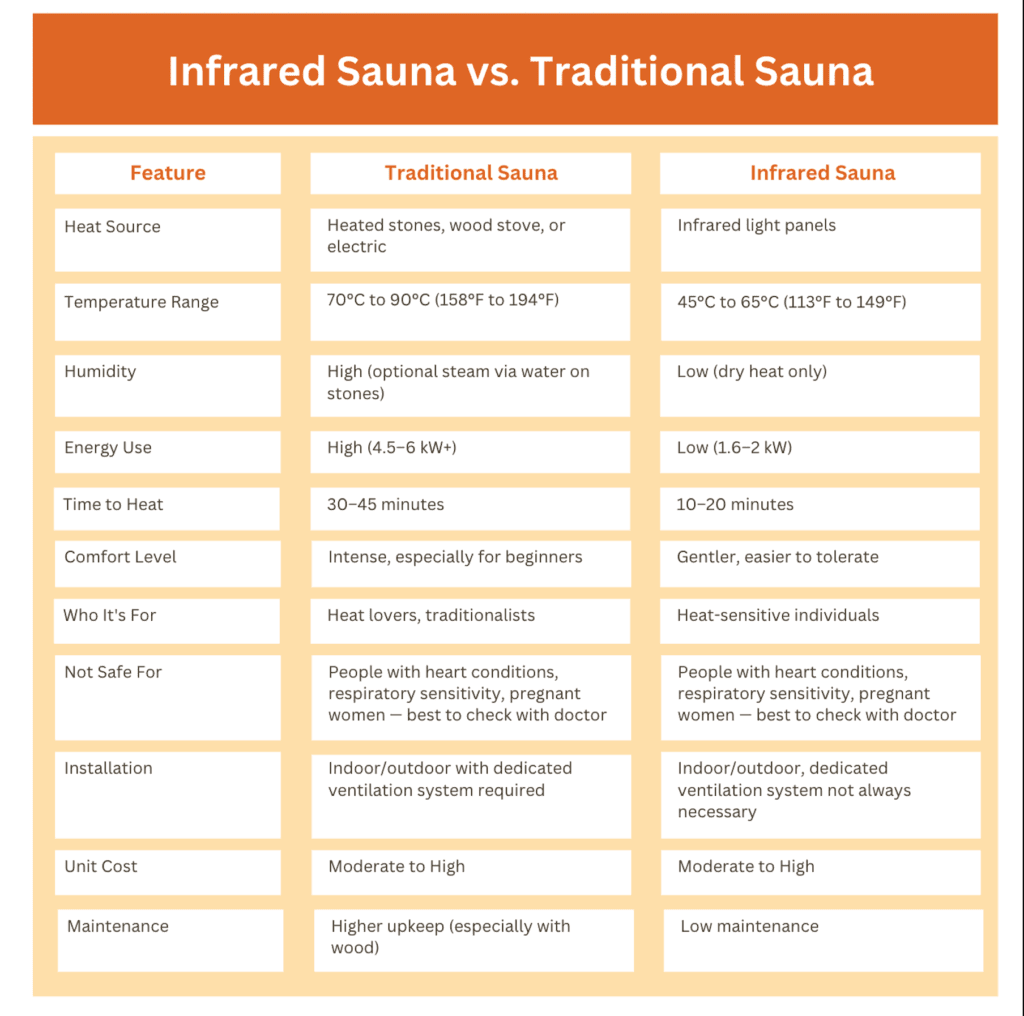
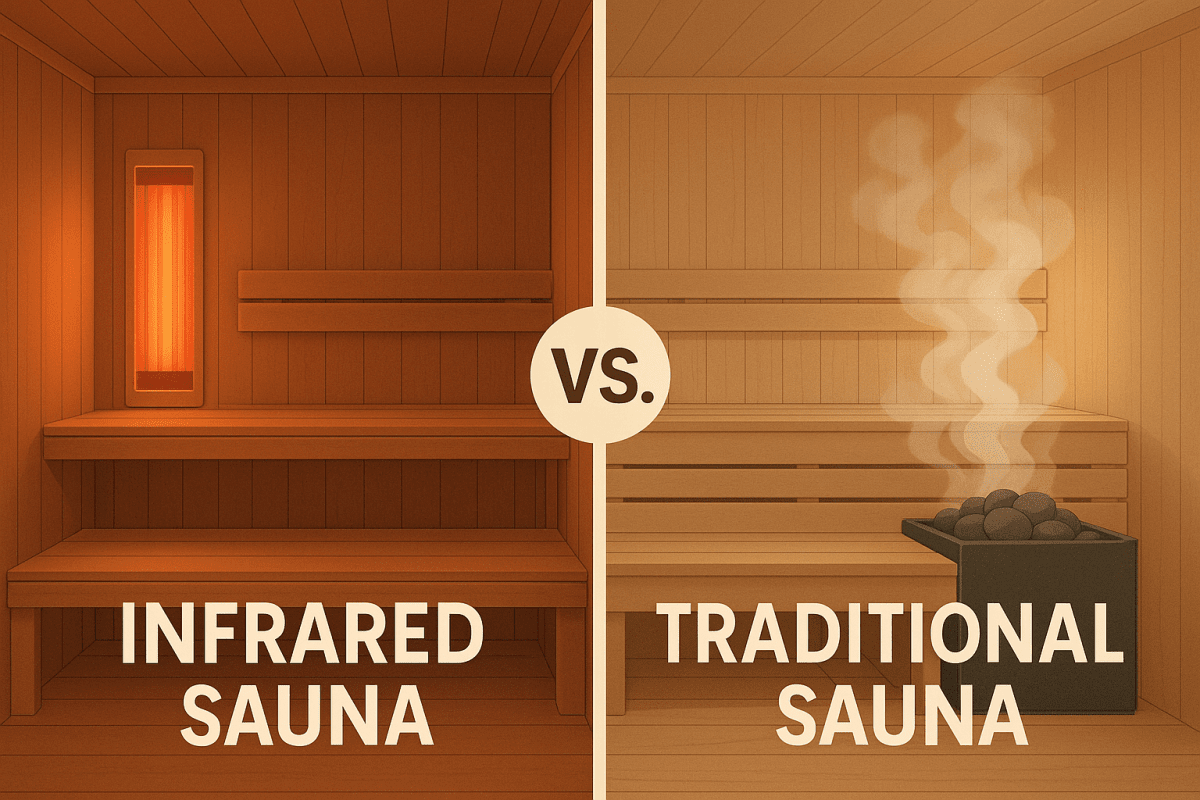
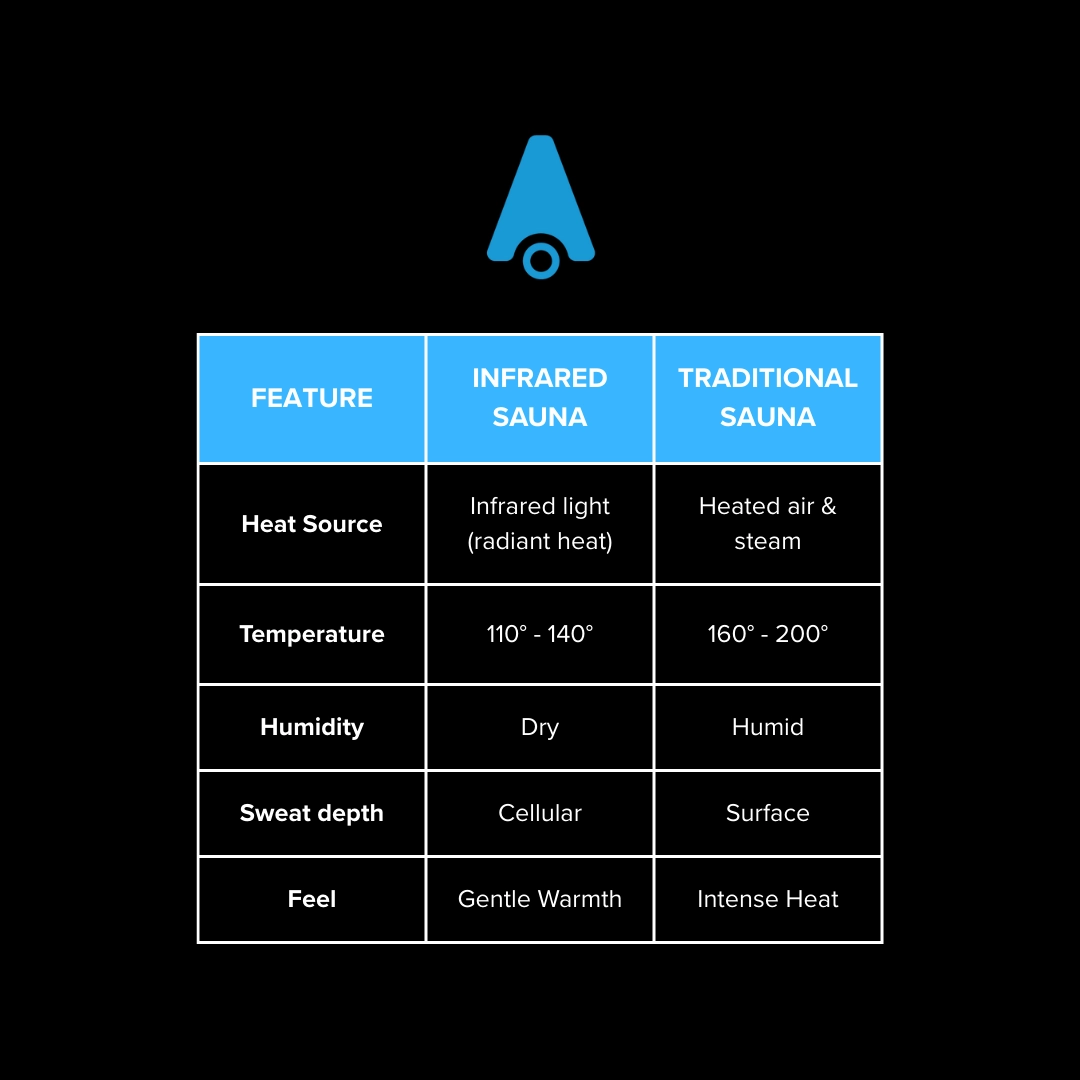
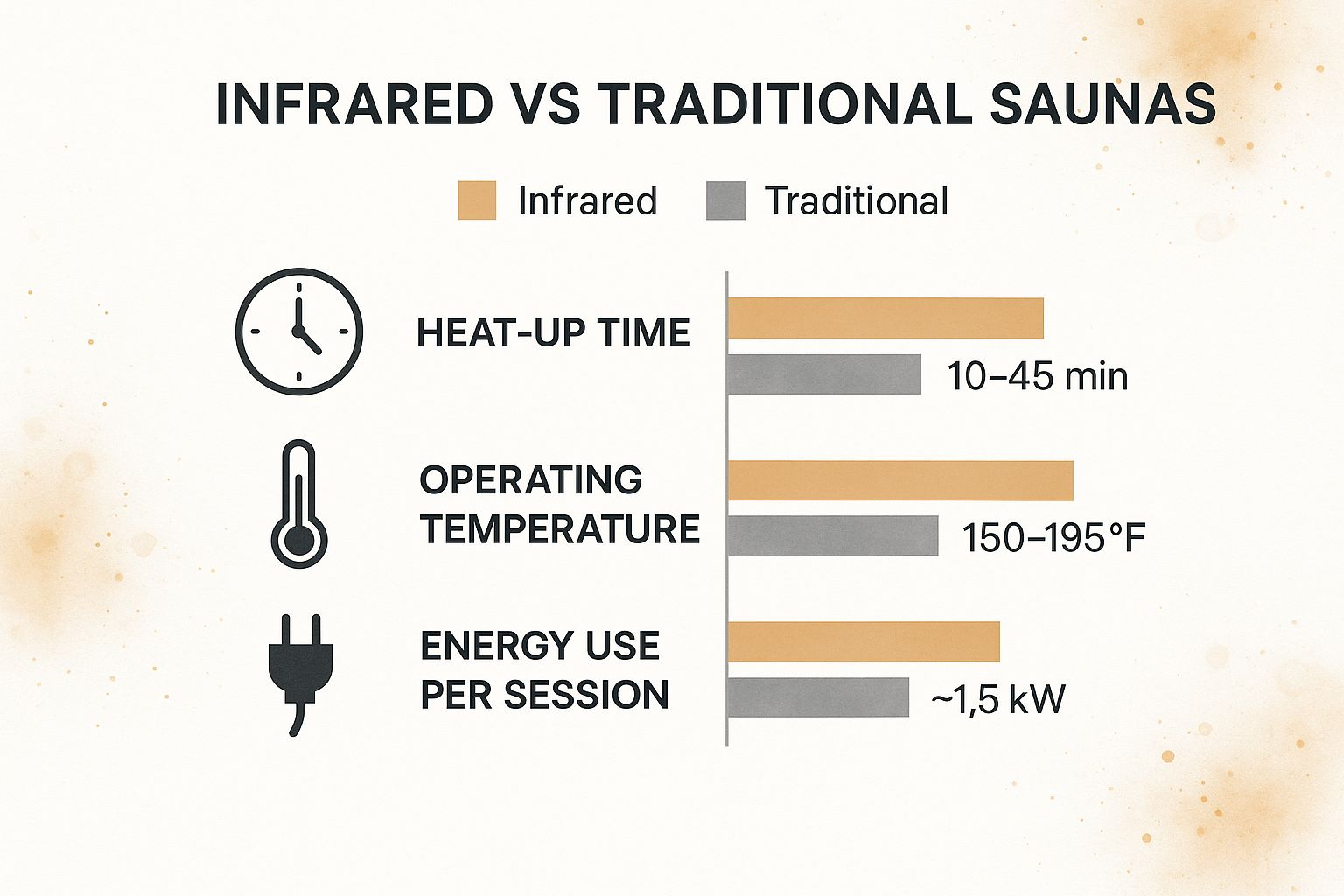
At its simplest level, the difference comes down to physics. Traditional saunas heat the air. You’ve got a heater—usually electric or wood-burning—that cranks the temperature up to somewhere between 150°F and 195°F (65°C to 90°C). The hot air then heats your body. It’s convective heat. Think of it like standing in front of an open oven door. It’s intense. It’s immediate. And because the air is so hot, it can hold a lot of moisture. That’s where the "löyly" comes in—the steam you create by throwing water on the rocks. That humidity makes the heat feel even hotter, penetrating your pores and making you sweat profusely within minutes. It’s a visceral experience. You feel alive. You feel the heat in your lungs.
Infrared saunas work differently. They don’t heat the air much at all. Instead, they use infrared light waves to heat your body directly. The panels emit radiation that penetrates your skin, warming your tissues from the inside out. Because the air doesn’t need to be scorching hot to make you sweat, infrared saunas operate at much lower temperatures, usually between 110°F and 140°F (43°C to 60°C). It’s a gentler heat. Less oppressive. Many people find they can stay in an infrared sauna longer because it feels more comfortable. You’re not gasping for air. You’re just… warm. Deeply, comfortably warm. It’s less about the shock of the heat and more about a slow, steady rise in core body temperature. Neither is "better." They’re just different tools for different jobs.
Health Benefits: What Does the Science Say in 2026?
Let’s talk benefits. Both types of saunas are great for relaxation, stress relief, and muscle recovery. That’s non-negotiable. Heat increases blood flow, which helps deliver oxygen to muscles and flush out metabolic waste. But the nuances matter. Traditional saunas have decades of research behind them, particularly from Finland. Studies consistently link regular traditional sauna use to improved cardiovascular health, lower blood pressure, and reduced risk of dementia. The intense heat stresses the body in a good way (hormesis), triggering the release of heat shock proteins that help repair cells. If you’re looking for that classic "heart-healthy" boost, the traditional route has the strongest data.
Infrared saunas, on the other hand, are gaining traction for pain management and chronic conditions. Because the heat penetrates deeper into tissue at lower temperatures, many users report better relief for joint pain, arthritis, and muscle stiffness. It’s easier on the respiratory system too. If you have asthma or struggle with the heavy, humid air of a traditional sauna, infrared might be your friend. Recent reviews in 2026 also highlight that infrared sessions can be longer, allowing for a more prolonged state of relaxation without the physical strain of extreme heat. However, don’t expect miracles. Both types improve circulation. Both help with sleep. The "best" one is the one you’ll actually use. If the thought of 180°F makes you anxious, you won’t use the traditional sauna. If you need that intense steam to feel cleansed, infrared might feel underwhelming. Listen to your body.
Space, Installation, and Electrical Reality Checks
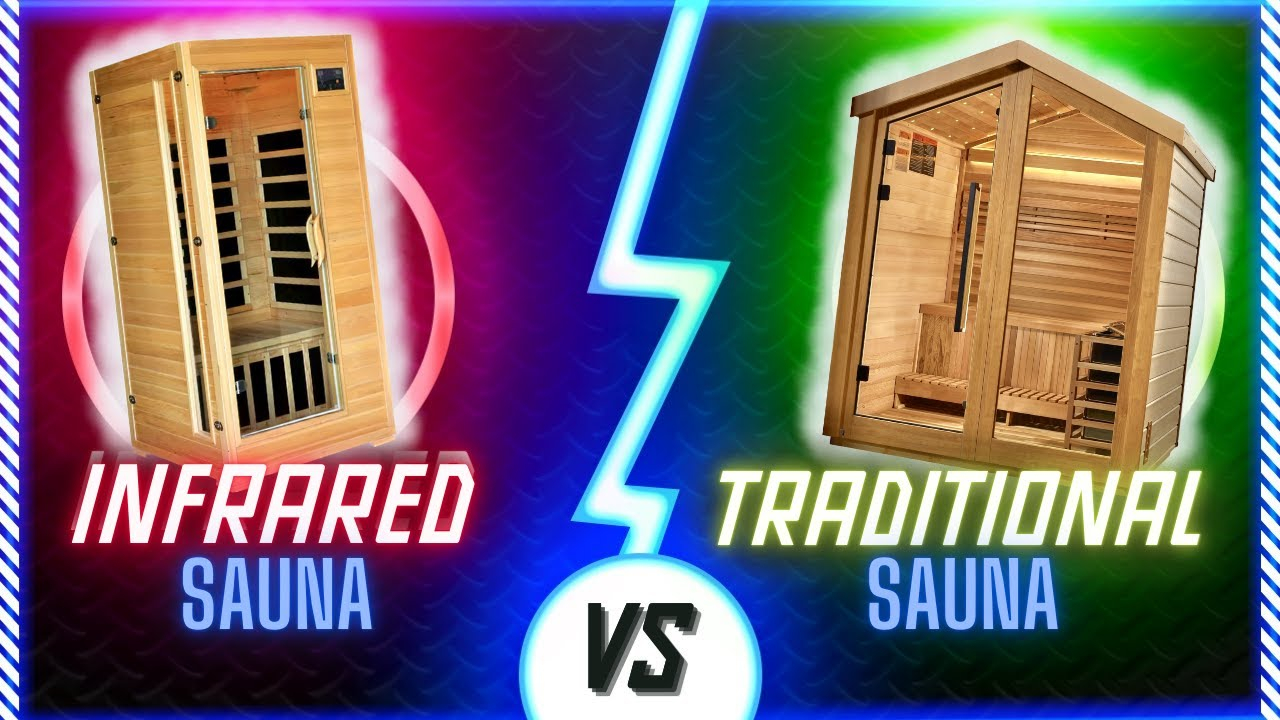
Here’s where dreams often hit a wall: your house. Traditional saunas are heavy. They require significant insulation, sturdy flooring, and often, a dedicated electrical circuit. A typical home traditional sauna might need a 240-volt line, similar to what your electric dryer or oven uses. If you’re installing this in a basement or a spare bedroom, you’ll likely need an electrician to run new wiring. That adds cost. Plus, traditional saunas generate a lot of ambient heat. You don’t want to install one next to a wine cellar or a room with sensitive electronics unless you’ve properly insulated the walls. They also take longer to heat up—30 to 45 minutes is standard. You can’t just jump in on a whim.
Infrared saunas are generally more plug-and-play. Many smaller models run on standard 120-volt outlets, meaning you can literally plug them into a regular wall socket. No electrician needed. They’re lighter, often made with thinner wood or even carbon fiber panels, and they heat up fast—usually within 10 to 15 minutes. This makes them ideal for apartments, condos, or smaller homes where space and electrical capacity are limited. You can tuck a two-person infrared cabin into a closet-sized nook. Traditional saunas need more room to breathe, both for the heater clearance and for you to sit comfortably without feeling cramped by the radiating heat from the rocks. If you’re renting or have limited renovation budget, infrared is often the more practical choice. But check your HOA rules if you’re in a condo. Some buildings still have restrictions on high-heat appliances.
Cost Breakdown: Upfront Price vs Long-Term Running Costs
Money talks. Let’s be blunt. Traditional saunas usually cost more upfront. A quality pre-fab traditional cabin starts around $3,000 to $5,000 for a basic two-person model, and custom builds can easily soar past $10,000. You’re paying for heavier materials, complex heaters, and stone loads. Infrared saunas tend to be cheaper initially. You can find decent entry-level infrared units for $1,500 to $3,000. The technology is simpler, and the materials are lighter. However, don’t let the sticker price fool you. Look at operating costs.
Traditional saunas consume more energy per session because they have to heat a large mass of air and stones to very high temperatures. Running a traditional sauna for an hour can cost significantly more in electricity than running an infrared unit for the same time. Infrared saunas are more efficient. They use about 40% less energy because they’re heating you, not the air. Over five years, that difference adds up. If you plan to use your sauna daily, the infrared model might save you hundreds in utility bills. But if you only use it twice a week, the upfront savings of infrared might be the bigger factor. Also, consider maintenance. Traditional sauna heaters last a long time but stones need replacing every year or two. Infrared panels can degrade over time, losing efficiency after 5-7 years, though newer 2026 models are claiming longer lifespans with better carbon crystal tech. Weigh the initial hit against the monthly bill.
The Experience: Comfort, Atmosphere, and Social Factor
This is the subjective part. The vibe. Traditional saunas are social. They’re meant for conversation, for sitting with friends or family, for the ritual of cooling off and going back in. The heat is intense, so sessions are shorter—15 to 20 minutes typically. You sweat buckets. It’s a cleanse. Many people love the smell of heated cedar or hemlock wood mixed with the faint scent of eucalyptus if they add oils. It feels authentic. It feels like a spa. But it can be overwhelming for beginners. The dry heat can irritate eyes and throats if you’re not used to it.
Infrared saunas are solitary sanctuaries. Because the heat is lower, you can stay in for 30 to 45 minutes. It’s perfect for reading, meditating, or listening to music. Many infrared units come with built-in Bluetooth speakers and chromotherapy lighting, turning the session into a multi-sensory experience. You don’t sweat as visibly or as quickly, but you still get a deep detoxifying sweat. It’s less about the dramatic contrast of hot and cold and more about sustained warmth. If you hate feeling suffocated by heat, infrared is a game-changer. But if you crave that intense, almost painful heat that leaves you feeling reborn, traditional is the only way. Think about how you want to feel during the session. Do you want to escape? Or do you want to endure and overcome?
So, how do you decide? Stop looking at specs for a second and ask yourself these questions. First, what is your primary goal? If it’s pain relief, chronic stiffness, or you have respiratory issues, lean towards infrared. If it’s cardiovascular health, deep cleansing, or you love the ritual of steam, go traditional. Second, look at your space. Do you have a dedicated room with proper ventilation and 240V power? If yes, traditional is viable. If you’re squeezing it into a bathroom or spare corner with standard outlets, infrared is your best bet. Third, consider your tolerance. Have you tried a sauna before? If you struggled with the heat in a gym or spa, don’t buy a traditional one hoping you’ll "get used to it." You probably won’t. Start with infrared.
Finally, think about usage frequency. Be honest. Will you use this three times a week? Or will it become a clothes hanger? Infrared saunas are easier to use spontaneously because they heat up fast and feel less intimidating. This often leads to higher actual usage rates for busy people. Traditional saunas require planning. You need to preheat them. You need time to cool down. If you’re a planner, great. If you’re spontaneous, infrared fits your lifestyle better. There’s no wrong answer, only the right fit for your life. Don’t buy the sauna your neighbor has. Buy the one you’ll actually step into on a Tuesday night when you’re tired and stressed. That’s the one that matters.
Choosing a sauna in 2026 isn’t just about picking a box of wood and heaters. It’s about designing a habit. It’s about committing to taking twenty minutes for yourself, several times a week, to disconnect and recharge. Whether you choose the fierce, purifying fire of a traditional Finnish sauna or the gentle, penetrating embrace of infrared, you’re investing in your well-being. Both offer profound benefits. Both can transform your home into a retreat. The key is alignment. Align the technology with your body, your space, and your spirit. Take your time. Measure twice. And remember, the best sauna is the one that makes you feel human again.