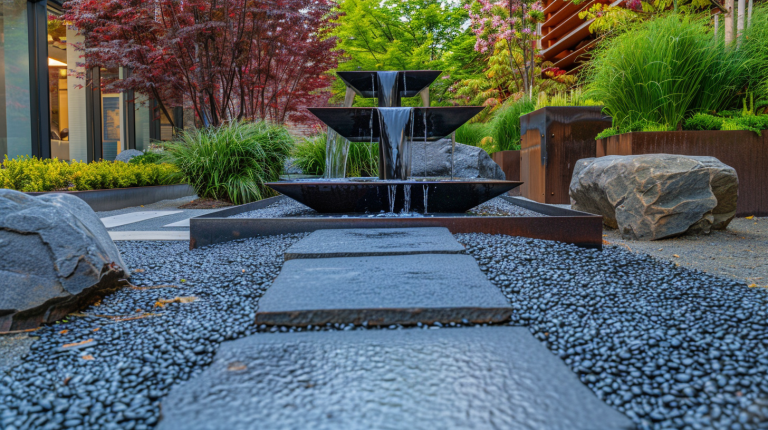
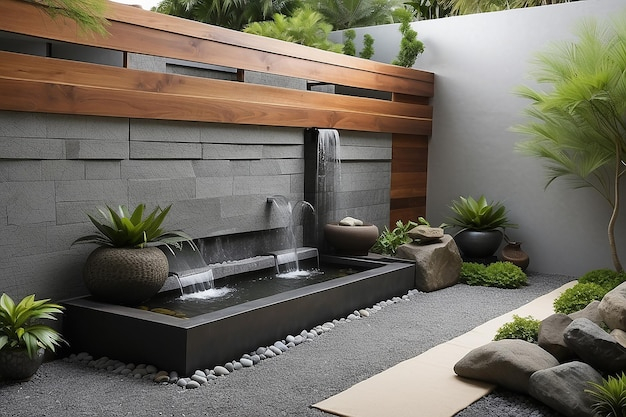
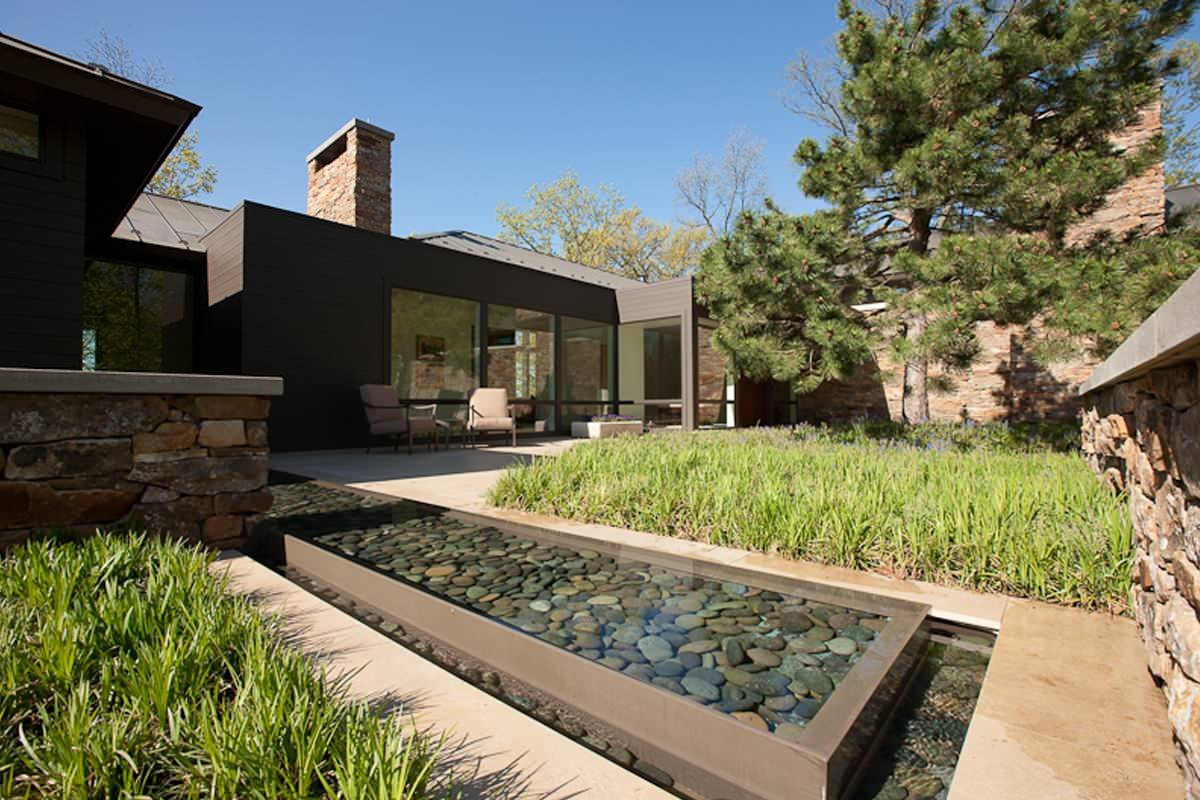
There is something primal about water. It calls to us. We are drawn to its sound, its movement, the way it catches the light. But when you pair that fluid element with the rigid strength of metal and the fragile transparency of glass? That is where magic happens. It is not just a fountain anymore. It becomes a sculpture. A moment frozen in time, yet always moving.
In 2026, we are seeing a huge shift in how people think about outdoor and indoor spaces. The old stone cherubs and concrete basins are fading into the background. Sure, they have their place. But today’s homeowners and architects want something sharper. Cleaner. They want materials that speak to the modern eye. Glass and metal do exactly that. They offer a contrast that is hard to ignore. The cold hardness of steel against the smooth, almost invisible surface of glass. It is a dance of textures. And when water flows over them? Well, that is when the real art begins.
You might be wondering why this combination works so well. It is simple. Metal provides the structure. It holds the weight. It gives the fountain its bones. Glass, on the other hand, plays with perception. It hides and reveals. It lets light pass through or reflects it back in surprising ways. Together, they create a visual tension that keeps your eyes moving. You look at the solid frame, then the flowing sheet of water, then the hidden mechanics behind the glass. It is layered. Complex. Yet, it feels effortless.
The Visual Dance of Contrast and Transparency
Let’s talk about why this mix looks so good. Humans love contrast. We are wired to notice differences. When you put a dark, matte black steel frame next to a clear, polished glass panel, your brain lights up. It is interesting. The metal grounds the piece. It says, "I am here. I am strong." The glass whispers, "Look through me. Look at what is behind me."
Water acts as the bridge between these two worlds. As it cascades down a glass sheet, it distorts the view slightly. It creates a shimmering veil. If the metal is behind the glass, you see it warped by the flow. It becomes abstract. Artistic. This effect changes throughout the day. In the morning light, the glass might look crisp and clear. By sunset, it catches the golden hues, turning the water into liquid fire. The metal, depending on its finish, will either absorb that light or bounce it back.
Consider the emotional impact too. Metal can feel industrial. Cold. But add water and glass, and suddenly it feels serene. The sound of water hitting the basin softens the harshness of the steel. The transparency of the glass makes the structure feel lighter, less imposing. It is a balance. You get the durability and modern edge of metal, but the soothing, organic feel of water and light. This is why these fountains are becoming staples in high-end hotels and corporate lobbies. They command attention without shouting.
Choosing the Right Metals for Durability and Style
Not all metals are created equal. When you are building something that will be wet 24/7, you have to think about longevity. Rust is the enemy. In 2026, stainless steel remains the king of fountain materials. Specifically, grade 316 stainless. It has higher molybdenum content, which means it resists corrosion from chlorides and salt much better than the standard 304 grade. If you live near the coast, this is non-negotiable.
But stainless steel isn’t the only player. Bronze and copper are making a comeback. They offer a warmer tone. Over time, they develop a patina. Some people love this natural aging process. It gives the fountain character. It tells a story of exposure to the elements. However, if you want that sleek, modern look to stay pristine, you will need to seal these metals regularly. Otherwise, you might end up with green streaks running down your beautiful glass.
Then there is the finish. This is where you can really customize the look. Brushed steel hides fingerprints and water spots better than polished chrome. Matte black powder-coated aluminum is lightweight and incredibly trendy right now. It provides a stark, graphic outline for the glass panels. Just make sure the coating is high-quality. Cheap paint will peel under constant moisture and UV exposure. Always ask your fabricator about the specific coating technology they use. It matters more than you think.
Glass Types and Their Impact on Water Flow
Glass is tricky. It looks simple, but there are many types, and each behaves differently with water. Tempered glass is the standard for safety. If it breaks, it shatters into small, dull chunks instead of jagged shards. This is crucial for public spaces or homes with kids. But beyond safety, you have options for appearance.
Clear low-iron glass is popular because it has no green tint. Standard glass often has a slight greenish hue, especially at the edges. Low-iron glass is crystal clear. It makes the water look purer. It lets the metal framework shine through without color distortion. For a truly invisible effect, this is the way to go. On the other hand, frosted or acid-etched glass diffuses the water. Instead of a clear sheet, you get a milky, glowing cascade. It softens the view of whatever is behind it. This is great for privacy screens or hiding pumps and pipes.
The thickness of the glass also changes the water’s behavior. Thicker glass allows for a smoother, more laminar flow. The water clings to the surface better. Thin glass might cause the water to chatter or break up into droplets sooner. Also, consider the edge work. Polished edges look refined. Seamed edges are cheaper but can catch dirt. And remember, glass needs support. Metal clamps or channels are usually used to hold the panels. These hardware pieces become part of the design, so choose them carefully. Minimalist stainless clips are a safe bet.
Engineering the Perfect Water Sheet
Getting the water to flow evenly is harder than it looks. You have probably seen fountains where the water sticks to one side, or gaps appear in the sheet. It ruins the effect. To avoid this, you need a perfectly level weir. The weir is the lip over which the water spills. Even a millimeter of unevenness can cause issues. In modern designs, this is often machined directly into the metal header box. Precision is key.
The pump system matters too. You need consistent pressure. Variable frequency drives (VFDs) are becoming common in 2026. They allow you to adjust the flow rate precisely. Maybe you want a gentle trickle in the evening and a bold rush during the day. With a VFD, you can program this. It also saves energy. Running a pump at full blast when you don’t need it is wasteful. Plus, quieter pumps are essential. The hum of a cheap pump can ruin the peaceful ambiance you are trying to create. Look for submersible pumps designed for silent operation.
Filtration is another hidden hero. Glass shows everything. Debris, algae, mineral buildup. It is all visible. A good filtration system keeps the water crystal clear. Sand filters or cartridge filters work well. For indoor fountains, you might even use UV sterilizers to keep the water bacteria-free without heavy chemicals. Chemicals can damage the metal finishes over time, so less is more. Regular maintenance checks on the nozzles and weirs will keep the flow smooth. A little brush once a week can prevent clogs that lead to uneven watering.
Lighting Techniques to Enhance Nighttime Appeal
A fountain is not just for daytime. At night, it transforms. Lighting is what makes glass and metal fountains truly stunning after dark. The goal is to highlight the texture of the water and the reflective qualities of the materials. LED technology has advanced massively. Today’s LEDs are bright, efficient, and come in every color imaginable. But stick to warm whites or cool whites for a classy look. Rainbow disco modes tend to look tacky fast.
Placement is everything. You want to light the water, not just the source. Submersible lights placed at the bottom of the basin can illuminate the sheet from below. This makes the water glow. If you have a glass panel, lighting it from the sides can create a halo effect. The light travels through the glass and refracts out through the water. It is ethereal. Metal parts can be grazed with light to show off their texture. A brushed steel surface catches light differently than a polished one. Use this to your advantage.
Smart controls are standard now. You can sync the lights with music, or set them to change slowly with the seasons. Imagine your fountain glowing soft blue in the summer and warm amber in the winter. It connects the feature to the environment. Just be careful with glare. You don’t want blinding beams shooting into your neighbors’ windows or your own living room. Shielded fixtures and careful aiming are necessary. Test the lighting at night before finalizing the installation. What looks good in the showroom might look different in your specific landscape.
Let’s be real. Fountains need care. Ignoring them leads to stains, clogs, and broken pumps. But with glass and metal, the stakes are higher. Water spots on glass are obvious. Corrosion on metal is permanent if not caught early. The good news is that a little routine goes a long way. Start with the water quality. If you have hard water, you will get scale buildup. Using distilled water for smaller indoor fountains helps. For larger outdoor ones, a water softener or regular descaling treatments are needed.
Clean the glass with a squeegee. It is the fastest way to keep it spotless. Do it weekly. For the metal, use a mild soap and water. Avoid abrasive cleaners that can scratch the finish. If you have stainless steel, you can use a specialized polish to keep it shining. Check the pump intake regularly. Leaves and debris will clog it. A simple mesh screen can save you a lot of hassle. Inspect the seals and gaskets annually. They dry out and crack over time. Replacing them before they fail prevents leaks that can damage surrounding structures.
Winterizing is critical in colder climates. If water freezes inside the pipes or pump, it will burst. Drain the system completely. Blow out the lines with air if possible. Cover the fountain to protect it from snow and ice damage. Glass can crack if ice expands against it. Metal can warp. Taking these steps in the fall ensures your fountain is ready to go in spring. It feels like a chore, but it protects your investment. A well-maintained fountain lasts decades. A neglected one might fail in a few years.
The fusion of glass and metal in contemporary fountains is more than a trend. It is a testament to how far design has come. We are no longer satisfied with just function. We want beauty. We want interaction. We want our spaces to reflect the complexity of modern life. These materials offer that. They are durable yet delicate. Strong yet transparent.
As we move further into 2026, expect to see even more innovation. New coatings for glass that repel water spots. Self-cleaning metal surfaces. Smarter pumps that adjust to weather conditions automatically. The possibilities are endless. But the core principle remains the same. It is about the harmony of opposites. The stillness of metal and the motion of water. The solidity of steel and the fragility of glass.
So, whether you are planning a small indoor feature for your office or a grand centerpiece for your garden, consider this combination. It challenges the eye. It soothes the soul. And honestly, it just looks cool. Take your time with the design. Choose your materials wisely. Pay attention to the details. The result will be a piece of art that lives and breathes in your space. And isn’t that what a home should be?