You know that feeling when you’re staring at your kitchen table, trying to finish a report, but the dishwasher is humming, the dog is sighing, and your brain just… stops? Yeah. We’ve all been there. For years, we tried to carve out space inside our homes. We shoved desks into corners. We worked from dining chairs that were never meant for eight-hour shifts. It was messy. It was stressful. And honestly? It wasn’t working.
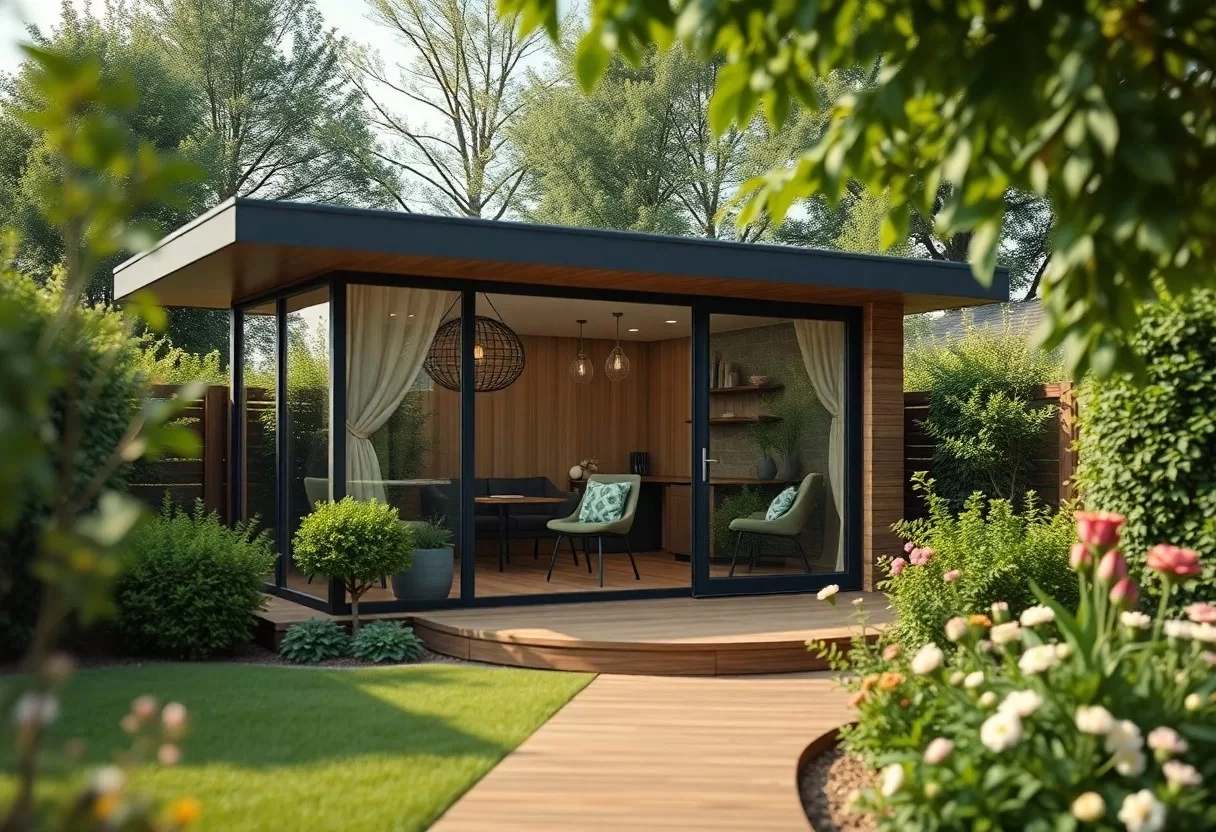
But something shifted recently. By 2026, the idea of the "home office" has evolved into something more intentional. It’s not just about having a desk; it’s about having a sanctuary. A place where the noise of the house fades away and the greenery of the garden steps in. A garden office isn’t just a shed with Wi-Fi. It’s a tool. A physical structure designed to trick your brain into focus mode the moment you step through the door. If you’re thinking about building one, or maybe retrofitting that old summer house, you’re probably wondering: how do I make sure it actually helps me get stuff done?
Let’s be real. A pretty building doesn’t guarantee productivity. I’ve seen gorgeous glass boxes that are freezing in winter and ovens in summer. I’ve seen sleek pods with terrible lighting that give you headaches by noon. The secret isn’t in the brand name or the price tag. It’s in the details. It’s in how the light hits your keyboard. It’s in the chair that supports your back. It’s in the view that lets your eyes rest. This guide isn’t about selling you a dream. It’s about giving you the nuts and bolts to build a workspace that feels good and works hard.
The Psychology of Separation: Why Location Matters
The biggest mistake people make is thinking any quiet room will do. But your brain is lazy. It associates spaces with habits. If you work in your bedroom, your brain is confused. Is it time to sleep? Or time to send emails? This cognitive dissonance drains your energy before you even start. A garden office solves this by creating a physical boundary. It’s a commute. Even if that commute is just thirty seconds across the patio, it matters.
In 2026, researchers are still talking about "context-dependent memory." Basically, your environment cues your behavior. When you walk out into the garden, the air changes. The sounds change. You leave the laundry and the dishes behind. This mental reset is crucial. It allows you to enter a state of flow much faster than if you were sitting in the same spot where you ate breakfast. The separation isn’t just physical; it’s psychological. It tells your mind, "Okay, we are here now. We are working."
But don’t just plop a building anywhere. Think about the path. Is it muddy? Is it dark? Make the journey pleasant. Add some solar lights along the walkway. Put a nice stone path down. These small touches reinforce the ritual. You aren’t just walking to a shed; you’re transitioning into your professional self. And when you walk back home at the end of the day, you leave the work stress in the garden. You don’t carry it into the living room. That boundary is priceless for your mental health.
Light, Air, and the Biophilic Boost
Let’s talk about windows. Most people think bigger is better. They want floor-to-ceiling glass on every side. Bad idea. Glare is the enemy of productivity. If the sun is blasting directly onto your screen, you’ll squint, you’ll get tired, and you’ll lose focus. In 2026, smart glazing is more accessible, but orientation still rules. North-facing light (in the Northern Hemisphere) is soft and consistent. It’s great for creative work. East-facing gives you morning energy. West-facing can be harsh in the afternoon.
You need to control that light. Use blinds or shades that diffuse the sunlight rather than blocking it completely. You want the room to feel bright and airy, not like a cave, but not like a greenhouse either. And while you’re at it, think about air. Stale air makes you sleepy. Carbon dioxide builds up quickly in small, sealed spaces. Make sure your garden office has excellent ventilation. Operable windows are a must. Cross-ventilation—having windows on opposite walls—creates a breeze that keeps your brain alert.
This ties into biophilia, which is just a fancy word for our love of nature. You don’t need a jungle inside, but you do need a connection. Place your desk so you can see the trees or the sky. Not the neighbor’s fence. Studies continue to show that viewing nature reduces stress and restores attention. If you can’t have a big window, bring the outside in. Low-maintenance plants like snake plants or pothos add life without demanding constant care. They clean the air and soften the hard edges of technology. It’s about balance. Tech meets tree.
Ergonomics: Comfort Isn’t a Luxury, It’s Fuel
Here’s the truth: you can’t be productive if your back hurts. It’s that simple. In a small garden office, it’s tempting to skimp on furniture to save space. Don’t. Your chair is the most important investment you’ll make. It needs to support your spine, adjust to your height, and let you move. A dining chair cut from a kitchen set will destroy your posture in a month. Spend the money on a proper ergonomic chair. Your future self will thank you.
Then, look at your desk. Standing desks are huge in 2026, and for good reason. Sitting for eight hours is brutal on the body. A sit-stand desk allows you to change positions throughout the day. It keeps your blood flowing and your energy levels stable. If you can’t afford a motorized one, get a converter that sits on top of a regular desk. The key is movement. Static bodies lead to static minds. When you stand up, you often find new perspectives on problems. It’s a physical reset button.
Don’t forget the peripherals. Your monitor should be at eye level so you aren’t craning your neck. Use a laptop stand if you’re working on a portable computer. Keep your keyboard and mouse close so your shoulders aren’t hunched forward. These seem like tiny details, but they add up. Fatigue from poor ergonomics sneaks up on you. By 3 PM, you’re exhausted not because the work was hard, but because your body is fighting against your setup. Fix the setup, and you fix the energy leak.
Acoustics and the Sound of Silence
Garden offices are quiet, right? Well, mostly. But they can also be echo chambers. Hard surfaces like glass, wood floors, and drywall bounce sound around. If you’re on a lot of video calls, this is a problem. Your voice will sound tinny and distant. Worse, external noises—birds, lawnmowers, rain—can be distracting if they’re too loud or sudden. You need to manage the acoustics.
Start with soft materials. A rug on the floor absorbs sound. Curtains or fabric blinds help too. If you have bare walls, consider adding acoustic panels. They come in nice designs now, not just ugly foam squares. You can get felt panels in colors that match your decor. They dampen the echo and make the room feel cozier. For video calls, position your microphone away from windows where street noise might come in.
Sometimes, silence is too silent. It can be unnerving. Many people find that a little background noise helps them focus. A small speaker playing low-fi beats or white noise can mask irregular sounds from the garden. It creates a consistent audio environment that helps your brain ignore distractions. Experiment with what works for you. Some people need total silence; others need a hum. The goal is control. You decide what you hear, not the world outside.
Tech Infrastructure: The Invisible Backbone
It’s 2026. We expect seamless connectivity. But garden offices are notorious for weak Wi-Fi signals. Nothing kills productivity like a frozen Zoom call or a file that won’t upload. Don’t rely on your house router reaching the bottom of the garden. It probably won’t, or if it does, it’ll be slow and unstable. Invest in a mesh network system or a dedicated point-to-point wireless bridge. These devices beam the internet from your house to your office with high speed and low latency.
Power is another thing to plan early. You’ll need more outlets than you think. Computer, monitor, printer, phone charger, lamp, heater, fan. That’s six things already. Install plenty of sockets, including USB-C ports if possible. And think about cable management. In a small space, tangled wires are visual clutter. Clutter creates stress. Use trunking or under-desk trays to hide cables. Keep the surfaces clear. A clean desk leads to a clear mind.
Also, consider backup power. If you live in an area with frequent outages, a small uninterruptible power supply (UPS) can save your work. It gives you enough time to save your files and shut down properly when the power cuts. It’s a small insurance policy that prevents major headaches. And don’t forget lighting for those darker afternoons. Layer your lighting. Overhead lights for general brightness, task lights for your desk, and maybe some ambient lamps for warmth. Avoid harsh, blue-heavy bulbs in the evening to help your circadian rhythm.
Finally, make it yours. A sterile office feels like a hospital. It doesn’t inspire creativity. You need elements that spark joy or calm. Maybe it’s a piece of art you love. Maybe it’s a photo of your family. Maybe it’s a specific color on the walls that makes you feel energized. Color psychology is real. Blues and greens are calming and good for focus. Yellows and oranges can boost creativity but might be too stimulating for long periods. Choose wisely.
Storage is also part of personalization. If your desk is covered in papers, you’ll feel overwhelmed. Build in shelves or cabinets. Keep only what you need daily on the desk. Everything else gets put away. This visual simplicity reduces cognitive load. You don’t have to process the clutter, so you have more brainpower for your work. In 2026, modular storage solutions are popular because they adapt to your changing needs. Start small and add as you go.
Think about the rituals too. Have a coffee mug that stays in the office. Have a playlist that you only listen to when working. These small anchors help trigger your focus mode. The garden office is a canvas. Paint it with habits and items that support your best work. It’s not just about aesthetics; it’s about function. Every object in the room should serve a purpose, either practical or emotional. If it doesn’t, remove it. Keep the space intentional.
So, where does this leave you? Building a garden office is an investment. Not just in money, but in your daily life. It’s about reclaiming your time and your attention. It’s about creating a space that respects your work and your wellbeing. The trends of 2026 show us that we’re moving away from makeshift solutions toward purpose-built environments. We’re realizing that where we work shapes how we work.
Start with the basics. Get the location right. Control the light and air. Invest in your body with good ergonomics. Sort out the tech so it disappears into the background. And then, add the personal touches that make you smile when you walk in. It doesn’t have to be perfect. It just has to work for you. Test it out. Tweak it. Move the desk. Change the plant. Make it a living space that evolves with you.
At the end of the day, productivity isn’t about doing more. It’s about doing what matters with clarity and ease. A well-designed garden office gives you that gift. It separates the noise from the signal. It lets you breathe. And when you close the door at 5 PM, you leave the work behind. You walk back into your home, refreshed and ready to be present. That’s the real win. That’s why we build these spaces. Not just to work harder, but to live better.