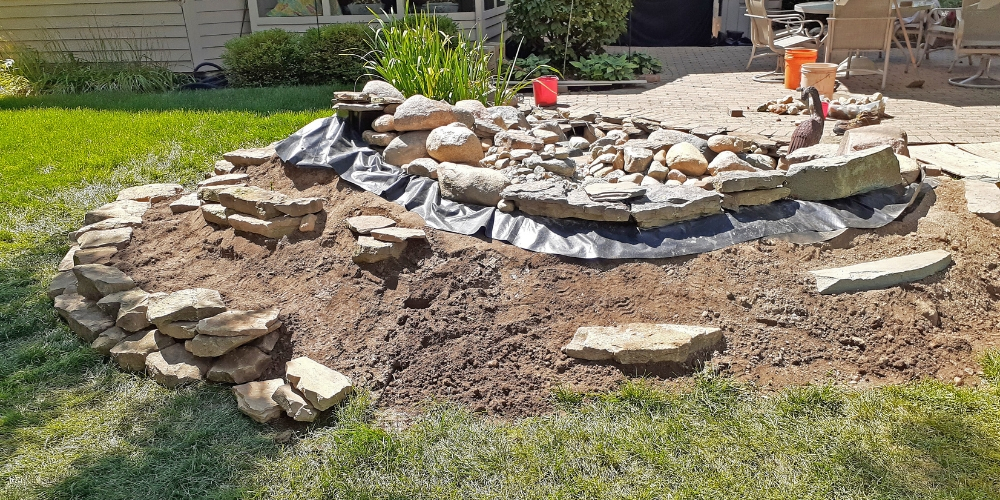
You know that sinking feeling. You step out after a heavy rainstorm, coffee in hand, ready to admire your garden, and instead, you see it. A scar of mud where your topsoil used to be. It’s sliding down the hill, taking your expensive compost and maybe even a few prized perennials with it. It’s frustrating. It feels like fighting a losing battle against gravity. But here’s the thing: you don’t have to lose.
Steep banks are tricky. They’re awkward to mow, hard to plant, and seem determined to wash away every time the sky opens up. Most people think the only solution is a massive concrete wall or just giving up and letting it go wild. Neither is great. There’s a middle ground. A way to work with the slope instead of against it. By mimicking nature and using some smart, low-tech tricks, you can lock that soil in place. It takes a bit of elbow grease upfront, sure. But the payoff? A stable, beautiful garden that stays put. Let’s dig in.
Reading the Lay of the Land
Before you buy a single plant or bag of mulch, you need to really look at what you’re dealing with. Not all slopes are created equal. A gentle incline needs different care than a near-vertical drop. Start by assessing the angle. If you can walk up it comfortably without using your hands, you’re likely dealing with a manageable slope. If you’re scrambling, it’s steep. This matters because it dictates whether you can just plant over it or if you need structural help like terracing.
Next, check the soil type and sun exposure. Is it clay that gets slick when wet? Sandy stuff that crumbles? And how much light does it get? A north-facing bank might be shady and cool, holding moisture longer, while a south-facing one bakes dry. These factors change everything. You wouldn’t plant a sun-loving drought-tolerant grass in a damp, shady corner. It just won’t thrive. And if the plants don’t thrive, their roots won’t hold the soil. It’s that simple. Take a weekend to just observe. Watch where the water runs during a rain. Those channels are your enemy. Identify them now so you can fix them later.
Don’t forget to look at what’s already there. Are there existing trees or shrubs? Their roots might already doing some of the work for you. Or maybe they’re competing too much for water. Understanding the current ecosystem helps you decide what to add. It’s about building a team of plants that work together, not just throwing seeds at a wall and hoping for the best. A little homework now saves a ton of regret in 2026 and beyond.
The Power of Living Roots
Plants are the best engineers we have. Specifically, their roots. When you plant deep-rooted native grasses and groundcovers, you’re creating a living mesh under the surface. Think of it like rebar in concrete. The roots tangle together, grabbing onto soil particles and holding them tight. This is your first line of defense. It’s natural, it’s cheap, and it looks good.
But you can’t just pick any plant. You need ones with aggressive, fibrous root systems. Native species are usually the best bet because they’re adapted to your local climate and soil conditions. They know how to survive here. In recent years, gardeners have moved away from high-maintenance exotic flowers on slopes. Instead, they’re choosing tough, resilient natives. Plants like creeping juniper, daylilies, or specific fescue grasses. These guys spread fast and cover the ground quickly, shading out weeds and protecting the dirt from the impact of raindrops.
It’s not just about the roots above ground, either. The foliage matters. Dense leaves break the force of falling rain. If rain hits bare soil, it splashes particles loose, which then wash away. If it hits a leaf, it drips gently onto the ground. That small difference adds up. So, aim for layers. Mix tall grasses with low creepers. Create a canopy. It’s like putting an umbrella over your soil. And remember, diversity is key. If one plant fails due to disease or drought, others will survive. Don’t put all your eggs in one basket.
Temporary Shields: Blankets and Netting
Here’s the hard truth: plants take time to grow. In that first year, or even the first two, your slope is vulnerable. The roots aren’t deep enough yet. This is where erosion control blankets come in. They’re not pretty, I’ll admit. Laying down jute or coir netting looks a bit weird at first. Like you’ve wrapped your garden in burlap sacks. But it works. These biodegradable mats hold the soil in place while your seeds germinate and roots take hold.
You lay them down over prepared soil, pin them securely with landscape staples, and then plant right through them. Or, you can scatter seed underneath before laying the blanket. Either way, the netting acts as a shield. It stops the rain from washing seeds away. It keeps the moisture in the soil, which helps things grow faster. And as the plants get stronger, the blanket breaks down. By the second year, you barely notice it. It’s gone, absorbed into the earth, leaving behind a stabilized bank.
Some folks skip this step to save money or effort. Big mistake. Without that temporary protection, a single heavy storm in spring can undo months of planting work. It’s insurance. Think of it as a cast for a broken bone. You don’t need it forever, just until the healing happens. In 2026, these materials are more eco-friendly than ever, made from natural fibers that don’t leave microplastics behind. So, embrace the ugly phase. It’s worth it for the long-term gain.
Breaking It Up with Terraces
Sometimes, a slope is just too steep for plants alone. If you’re dealing with an incline steeper than 3:1, you need to break it up. This is where terracing comes in. Terraces are basically flat steps cut into the hillside. They turn one big, unmanageable slope into several smaller, flat gardens. This stops water from gaining speed as it rushes downhill. Instead of a torrent, you get a series of gentle pools or slow drains.
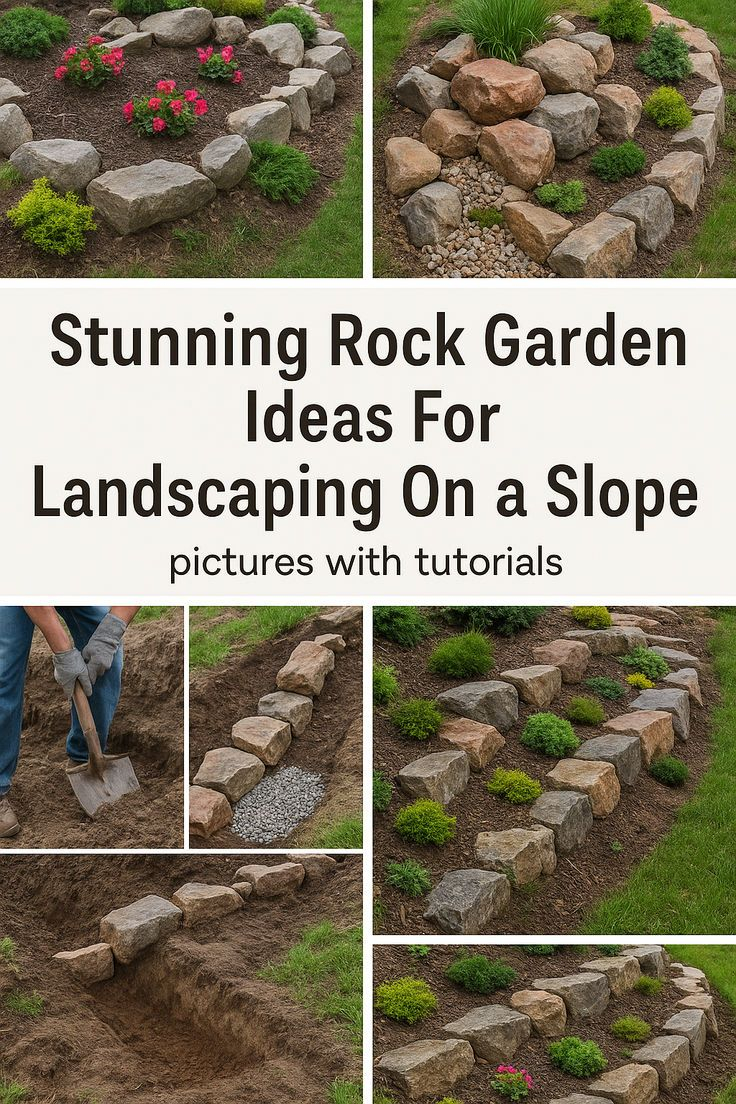
You can build terraces with all sorts of materials. Pressure-treated lumber is common and easier to work with for DIYers. Natural stone looks more permanent and blends better with the landscape, but it’s heavier and harder to install. Retaining walls don’t have to be huge. Even small, low walls every few feet can make a difference. They create planting pockets where soil can settle and stay put. Plus, they give you usable space. Instead of a useless hill, you have flat areas for veggies, flowers, or a bench.
Redirecting surface water is crucial here. Make sure your terraces have a slight backward tilt or proper drainage pipes behind them. If water builds up behind a wall, it can push it over. Hydrostatic pressure is no joke. So, plan for drainage. Gravel backfill behind the wall helps water escape. It’s a bit more engineering than just planting, but for steep banks, it’s often necessary. It transforms a hazard into a feature. And honestly, terraced gardens look incredible. They add structure and interest to your yard.
Water Wisdom and Mulch Magic
Water is the main culprit in erosion, but it’s also essential for life. The trick is managing it. You want the water to soak in, not run off. On a slope, water moves fast. To slow it down, you need to improve the soil’s ability to absorb it. Adding organic matter like compost helps. It creates a spongy texture that holds moisture. But you also need to cover the soil. Bare dirt is exposed dirt. Mulch is your friend here.
Use a thick layer of mulch—wood chips, shredded bark, or straw. It protects the soil from rain impact and keeps it moist. But on a slope, regular mulch can slide away. That’s why shredded mulch is better than chunky bark. It knits together better. Or, use a tackifier, a natural glue-like substance that helps hold mulch in place. Some people use pine needles, which interlock nicely. The goal is to keep the cover intact. If you see bare patches, fill them in immediately.
Deep watering is another key tactic. Instead of frequent light sprinkles, water deeply and less often. This encourages roots to grow deep into the soil, searching for moisture. Shallow roots mean shallow stability. Deep roots mean a locked-in bank. Drip irrigation systems are great for slopes because they deliver water slowly, allowing it to infiltrate rather than run off. Set them up on a timer, and you’re golden. It’s about working smarter, not harder. Let the technology help you maintain that critical moisture balance without wasting water.
So, you’ve planted, mulched, and maybe built a wall or two. Now what? You can’t just walk away. Slopes need maintenance, especially in the first few years. Check your plants regularly. Are they establishing well? Do you see any signs of erosion starting? Small rills or gullies can form quickly. If you spot them, fix them immediately. Fill them with soil and replant. Don’t let them get bigger. It’s much easier to fix a small problem than a big one.
Keep an eye on your mulch. It decomposes over time. You’ll need to top it up every year or so. This isn’t a bad thing. It adds more organic matter to the soil, improving its structure. Just make sure you don’t pile it too high against plant stems, which can cause rot. Keep it a few inches away from the base. Also, watch for invasive weeds. They can compete with your stabilizing plants. Pull them early. Don’t let them take over. A healthy, dense planting of your chosen species is the best weed control.
As the years go by, your garden will mature. The roots will deepen. The soil will become richer. It gets easier. By 2026, many homeowners are seeing the benefits of this patient approach. Their slopes are lush, green, and stable. They’ve created habitats for pollinators and birds, too. It’s not just about keeping soil in place; it’s about creating a living, breathing part of your landscape. Enjoy the process. Take photos each year to see the progress. It’s rewarding to watch your hard work pay off.
Keeping soil on a steep bank isn’t a one-and-done project. It’s a relationship with your land. You listen to it, you support it, and it supports you back. Start small. Pick one section. Try some native grasses. Lay down some coir netting. See how it goes. You don’t have to do it all at once. And remember, mistakes happen. If a plant dies, replace it. If a patch washes out, fix it. It’s all part of the journey. Your garden is a dynamic thing, constantly changing and adapting. Embrace that. With the right tools and a bit of patience, you can turn that slippery slope into your favorite spot in the yard.