Ever walked out to your patio, ready for a quick grill session, only to find your charcoal bag soaked through? Or maybe you reached for your gardening shears and found them rusted shut because they spent the winter exposed to the elements. It’s frustrating. We all love the idea of outdoor living—those warm summer evenings, the morning coffee on the deck—but we often forget that our stuff doesn’t share our love for the open air.
That’s where a good weatherproof cabinet comes in. It’s not just about tidying up; it’s about protecting your investment. Whether it’s expensive cushions, power tools, or just a stash of pool noodles, these items need a safe harbor. But walking into a hardware store or scrolling through online listings can feel overwhelming. There are so many options, from sleek resin units to heavy-duty steel boxes. Which one is right for you? Let’s figure it out together.
Understanding What "Weatherproof" Really Means
First off, let’s clear up a common misconception. "Weatherproof" doesn’t always mean "waterproof." In the world of outdoor storage, there’s a spectrum. Some cabinets are designed to shed rain like a duck’s back, while others are built to withstand hurricane-force winds and driving snow. Knowing the difference is key. If you live in Seattle, you’re dealing with constant drizzle and moisture. If you’re in Arizona, your enemy is the relentless UV rays that turn plastic brittle and fade colors.
Most quality cabinets in 2026 are rated using IP (Ingress Protection) codes or similar industry standards. You don’t need to memorize the whole chart, but look for ratings that mention resistance to water jets or dust. For most homeowners, a cabinet that seals tightly against rain and has UV-stabilized materials is enough. But if you’re storing electronics or sensitive documents outdoors (which is rare, but happens), you’ll want something with a higher seal rating. Always check the fine print. Manufacturers love to use buzzwords like "all-weather" without defining what that actually entails.
Also, consider ventilation. It sounds counterintuitive—why would you want holes in a box meant to keep water out? But trapped moisture is a silent killer. If warm, humid air gets inside and can’t escape, you’ll get mold and mildew on your stored items. Good designs include hidden vents or breathable materials that allow air circulation without letting rain in. It’s a balancing act, but the best cabinets manage it well. Don’t skip this detail. It could save your favorite throw pillows from smelling like a damp basement.
Material Matters: Resin, Steel, and Wood
When it comes to building materials, you’ve generally got three main contenders: resin (plastic), steel, and wood. Each has its pros and cons, and the "best" one depends entirely on your specific situation. Resin cabinets have come a long way in recent years. They used to be flimsy and cheap-looking, but modern high-density polyethylene (HDPE) is tough. It doesn’t rust, it’s lightweight, and it’s usually the most affordable option. Plus, it’s easy to clean. Just hose it down and you’re done. However, cheaper resin can crack in extreme cold or warp in intense heat. Look for "UV-resistant" labels if you go this route.
Steel cabinets are the tanks of the outdoor world. They’re incredibly durable, secure, and can handle heavy loads without sagging. If you’re storing heavy tools or equipment, steel is a solid choice. But there’s a catch: rust. Even powder-coated steel can eventually corrode if the coating gets scratched or if water pools in corners. You need to maintain them, checking for chips in the paint and touching them up. They’re also heavier, which makes them harder to move once they’re in place. And in direct sunlight, they can get hot enough to fry an egg, so keep that in mind if you’re storing heat-sensitive items.
Wood offers a natural aesthetic that blends beautifully with gardens and decks. Cedar and teak are popular because they have natural oils that resist rot and insects. But let’s be real: wood requires maintenance. You’ll need to stain or seal it every year or two to keep it looking good and functioning well. If you neglect it, it will gray, crack, and eventually rot. Wood is also typically more expensive than resin. It’s a lifestyle choice. If you love the look and don’t mind the upkeep, go for it. If you want a "set it and forget it" solution, stick to resin or coated steel.
Sizing It Up: Measuring Your Space and Needs
Before you buy anything, grab a tape measure. Seriously. It’s tempting to eyeball it, but that’s how you end up with a cabinet that blocks your sliding door or looks comically small in a huge yard. Start by measuring the space where the cabinet will go. Don’t forget to account for door swing. You need enough clearance to open the doors fully and access the back shelves. If you’re placing it against a wall, leave a tiny gap for airflow to prevent moisture buildup behind the unit.
Next, think about what you’re actually storing. Make a list. Are you hiding away long-handled tools like rakes and shovels? Then you need height. A vertical cabinet is your friend here. Storing bulky items like pool floats, camping gear, or oversized cushions? You’ll need width and depth. Horizontal cabinets or wider units work better for these. It’s also smart to think about future needs. Will you be buying more gear next year? Leave a little extra room. It’s better to have a bit of empty space than to be stuffing things in like a game of Tetris every time you want to add something.
Don’t ignore the interior layout either. Fixed shelves are fine if you know exactly what you’re storing, but adjustable shelves offer flexibility. Maybe today you’re storing small pots, but tomorrow you need room for a large propane tank. Removable shelves are a lifesaver in those scenarios. Some cabinets even come with hooks on the inside of the doors for hanging smaller items. These little features can maximize your storage capacity significantly. Take a moment to visualize your items inside the unit. Does it fit? Is it easy to reach? If the answer is no, keep looking.
Security Features and Locking Mechanisms
Let’s talk about security. An outdoor cabinet isn’t just protecting your stuff from rain; it’s also keeping it safe from thieves and curious neighbors (or kids). Most cabinets come with some form of locking mechanism, but they vary widely in quality. Basic latch locks are okay for deterrence, but they can often be popped open with a simple tool. If you’re storing valuable tools or expensive equipment, look for cabinets with reinforced lock points or provisions for padlocks. A heavy-duty hasp that accepts a standard padlock is a great upgrade.
Some higher-end models feature integrated locking systems with keys. These are convenient because you don’t need to buy a separate lock, but make sure the keys are high-quality and the mechanism is robust. Cheap locks can jam or break after a season of exposure to the elements. Also, consider the hinge design. External hinges can be tampered with if the pins are accessible. Internal hinges or concealed hinges are much more secure. It’s a small detail, but it makes a big difference in overall security.
If you’re particularly concerned about theft, think about anchoring. A lightweight resin cabinet can be tipped over or carried away if it’s not secured. Many cabinets come with pre-drilled holes in the base for anchoring to a concrete slab or deck. Use them. It takes ten minutes to install anchors, and it gives you peace of mind. For steel cabinets, their weight is often enough to deter casual theft, but anchoring is still a good idea in high-wind areas. Remember, the goal is to make your cabinet as unappealing and difficult to target as possible.
Style and Aesthetics: Blending with Your Outdoor Space
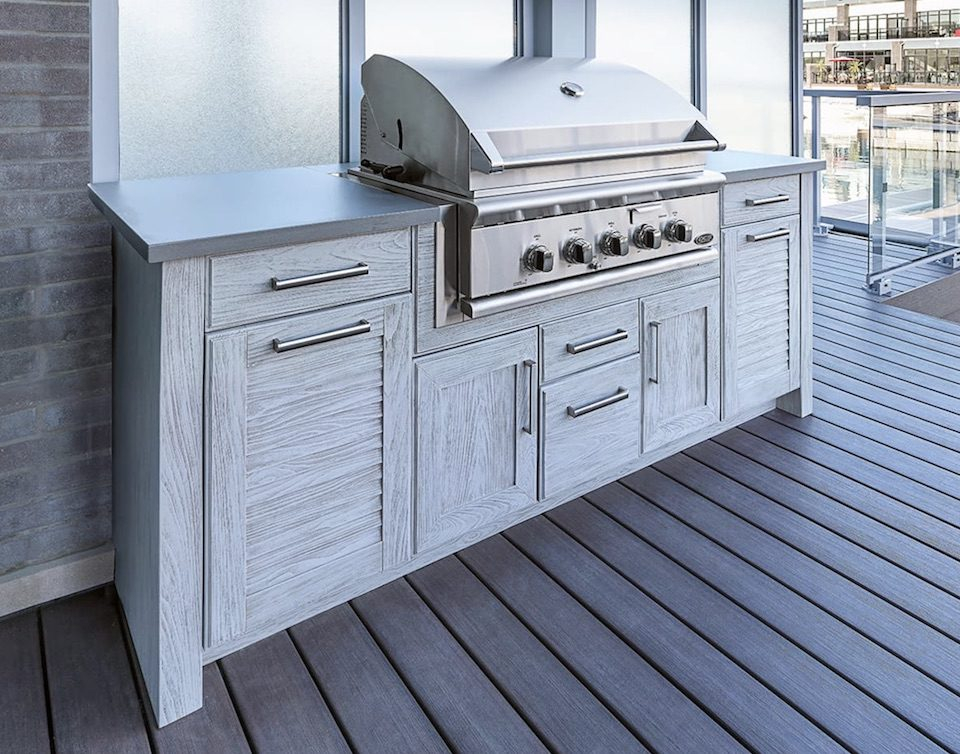
Just because it’s functional doesn’t mean it has to be ugly. Outdoor cabinets have evolved from eyesores to stylish pieces of furniture. Today, you can find units that mimic the look of wicker, wood grain, or modern minimalist metal. The key is to choose a style that complements your existing outdoor decor. If you have a rustic wooden deck, a resin cabinet with a wood-grain finish might blend in seamlessly. If your patio is modern and sleek, a matte black or gray steel unit could look fantastic.
Color matters too. Lighter colors reflect heat, which is great for hot climates, but they can show dirt and grime more easily. Darker colors absorb heat, which might not be ideal for storing heat-sensitive items, but they tend to hide dirt better. Neutral tones like taupe, slate, or olive green are safe bets that work with most landscapes. Avoid bright, trendy colors unless you’re sure you’ll love them in five years. Trends fade, but a neutral cabinet will remain versatile.
Don’t forget about the hardware. Handles, knobs, and hinges should match the style of the cabinet. Plastic handles can break over time, especially in cold weather. Metal or reinforced composite handles are more durable. Also, consider the visual weight of the unit. A large, bulky cabinet can overwhelm a small patio. If space is tight, look for designs with glass panels or open shelving sections to break up the mass. The goal is for the cabinet to feel like a natural part of your outdoor room, not an afterthought.
Even the best weatherproof cabinet needs a little TLC to last. Maintenance doesn’t have to be a chore; it can be quick and easy. For resin cabinets, a simple wash with soap and water twice a year is usually enough. Use a soft brush to remove dirt from crevices. Avoid harsh chemicals or abrasive cleaners, which can damage the surface and reduce UV protection. Inspect the seals around the doors annually. If they look cracked or brittle, replace them. A good seal is your first line of defense against water.
Steel cabinets need a bit more attention. Check for any signs of rust, especially around scratches or chips in the paint. Touch up any bare spots with exterior-grade paint immediately. Lubricate the hinges and locks once a year to keep them operating smoothly. A silicone-based lubricant works well and won’t attract dirt. If you live in a coastal area, salt air can accelerate corrosion, so rinse your steel cabinet with fresh water occasionally to remove salt buildup.
Wood cabinets require the most work. Inspect the finish annually. If water no longer beads up on the surface, it’s time to re-stain or reseal. Clean the wood with a specialized cleaner to remove mildew and dirt before applying new finish. Check for any loose screws or joints and tighten them as needed. By staying on top of these small tasks, you can extend the life of your cabinet by years. It’s a small effort for a big payoff. Plus, a well-maintained cabinet just looks better. It shows you care about your space.
Choosing the right weatherproof cabinet isn’t rocket science, but it does require a bit of thought. By considering your climate, storage needs, security concerns, and aesthetic preferences, you can find a unit that serves you well for years to come. Don’t rush the decision. Take your time, measure twice, and read reviews. Your future self will thank you when you step out onto your dry, organized patio, ready to enjoy the outdoors without worry. It’s about creating a space that works for you, not against you. And honestly, isn’t that what home improvement is all about?