Ever feel like the four walls of your home office are closing in? You’re not alone. In 2026, the line between where we live and where we work has blurred more than ever, but that doesn’t mean we have to sacrifice our sanity for productivity. Imagine stepping out your back door, not just to take a break, but to start your day. The air is crisp, birds are chirping, and your desk is waiting under the dappled shade of a tree. It sounds like a dream, right? But it’s actually a very achievable reality if you know how to balance the practical needs of work with the soothing power of nature.
Creating an outdoor workspace isn’t just about throwing a laptop on a patio table. It’s about crafting a space that respects the elements while embracing them. It’s about making sure your Wi-Fi is strong but your stress levels are low. This guide dives deep into how you can build a seamless blend of utility and beauty in your outdoor workspace, turning your yard into a place where creativity flows as freely as the breeze. Let’s explore how to make this happen without breaking the bank or losing your mind.
Blurring the Lines Between Inside and Out
The first step to a great outdoor office is making it feel like a natural extension of your home, not an afterthought. One of the most vital elements in crafting this seamless transition is the use of window walls or large glass doors. These expansive structures erase the visual boundaries between your indoor living space and the outdoors. When you can see your workspace from your kitchen or living room, it creates a sense of continuity. It invites you out. It makes the outside feel safe and accessible, even when the weather turns slightly unpredictable.
But it’s not just about glass. Think about flooring. If your indoor office has hardwood, consider using a composite decking material that mimics that same warm tone outside. This visual cue tricks the brain into seeing the two spaces as one cohesive unit. You want the transition to be smooth, literally and figuratively. No tripping over thresholds or sudden changes in texture that jar the senses. The goal is to walk from your indoor desk to your outdoor one and feel like you’ve just moved to a different room, not left the building entirely.
Lighting plays a huge role here too. In the evening, your outdoor space should glow with the same warmth as your interior lights. Use layered lighting—ambient string lights, task lighting for your desk, and perhaps some uplighting for nearby plants. This ensures that when the sun goes down, your workspace doesn’t disappear into the darkness. It remains inviting. It stays usable. And honestly, working under the stars with a good lamp is a vibe you can’t get in a cubicle.
Choosing Structures That Protect and Inspire
You need shelter. Let’s be real. You can’t work effectively if you’re squinting against the glare or shivering in a sudden chill. Pergolas have become a go-to solution for many homeowners in 2026. They offer a perfect middle ground. They provide structure and a sense of enclosure without completely blocking out the sky. A pergola anchors your workspace, giving it definition. It tells your brain, "This is where work happens." Plus, they look fantastic. You can grow vines over them for natural shade, or install retractable canvas tops for those hotter afternoons.
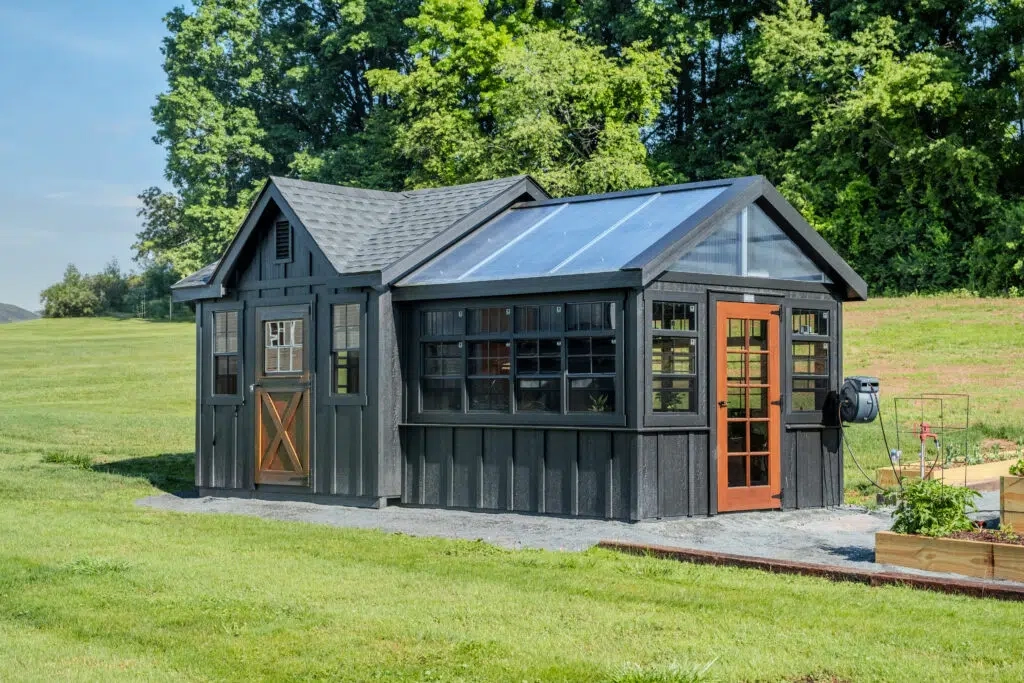
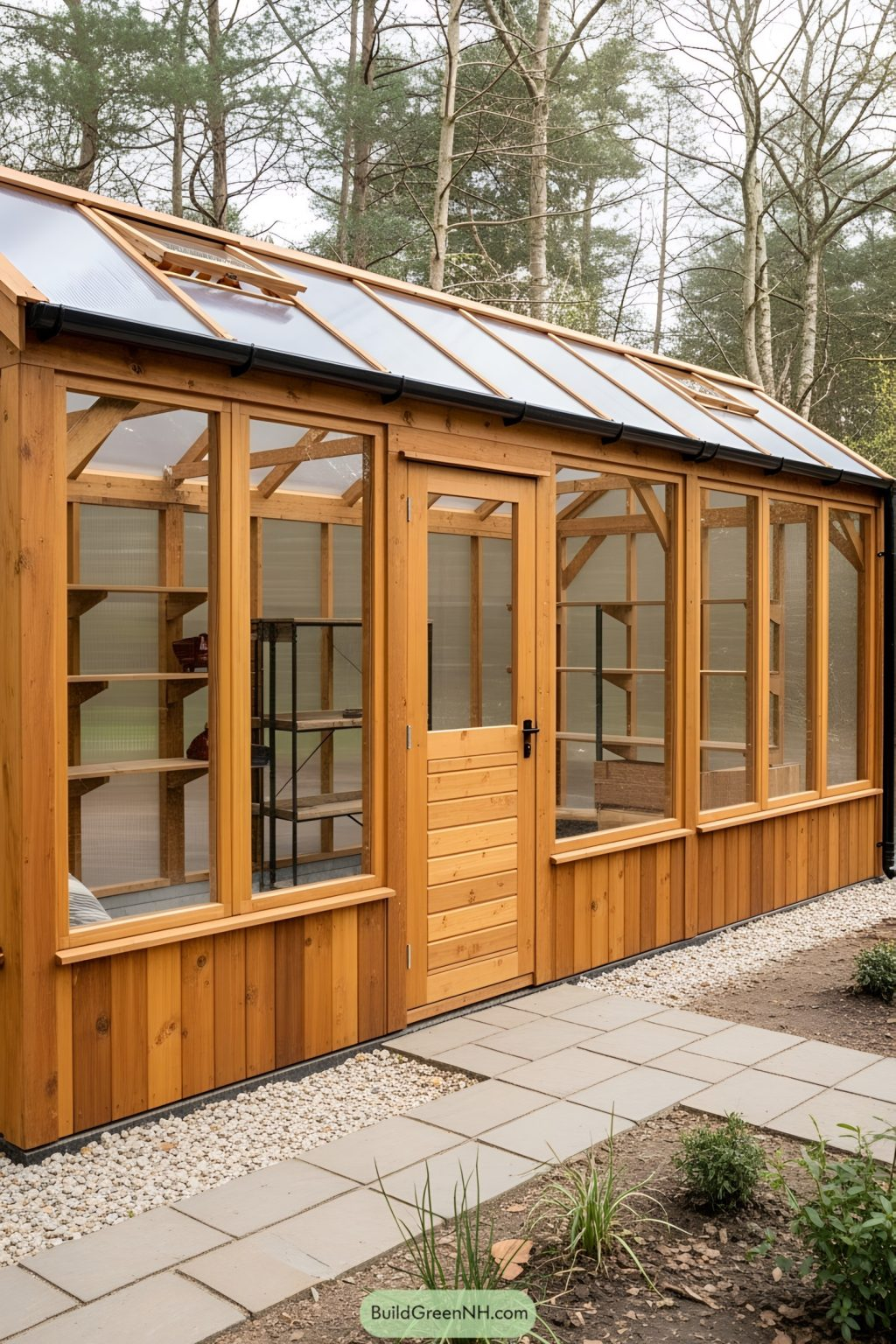
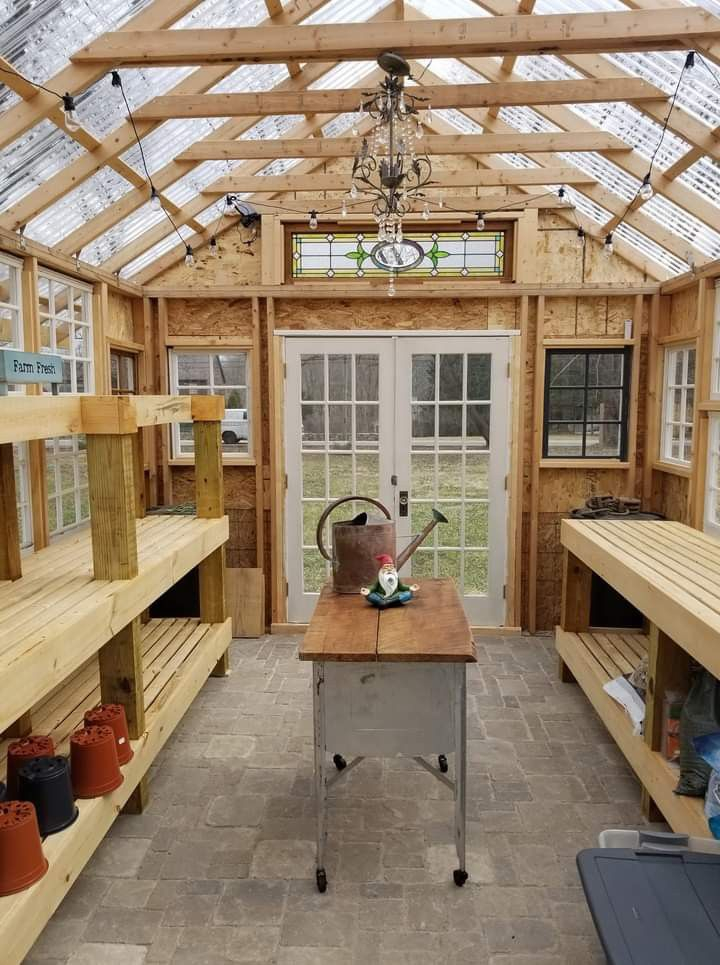
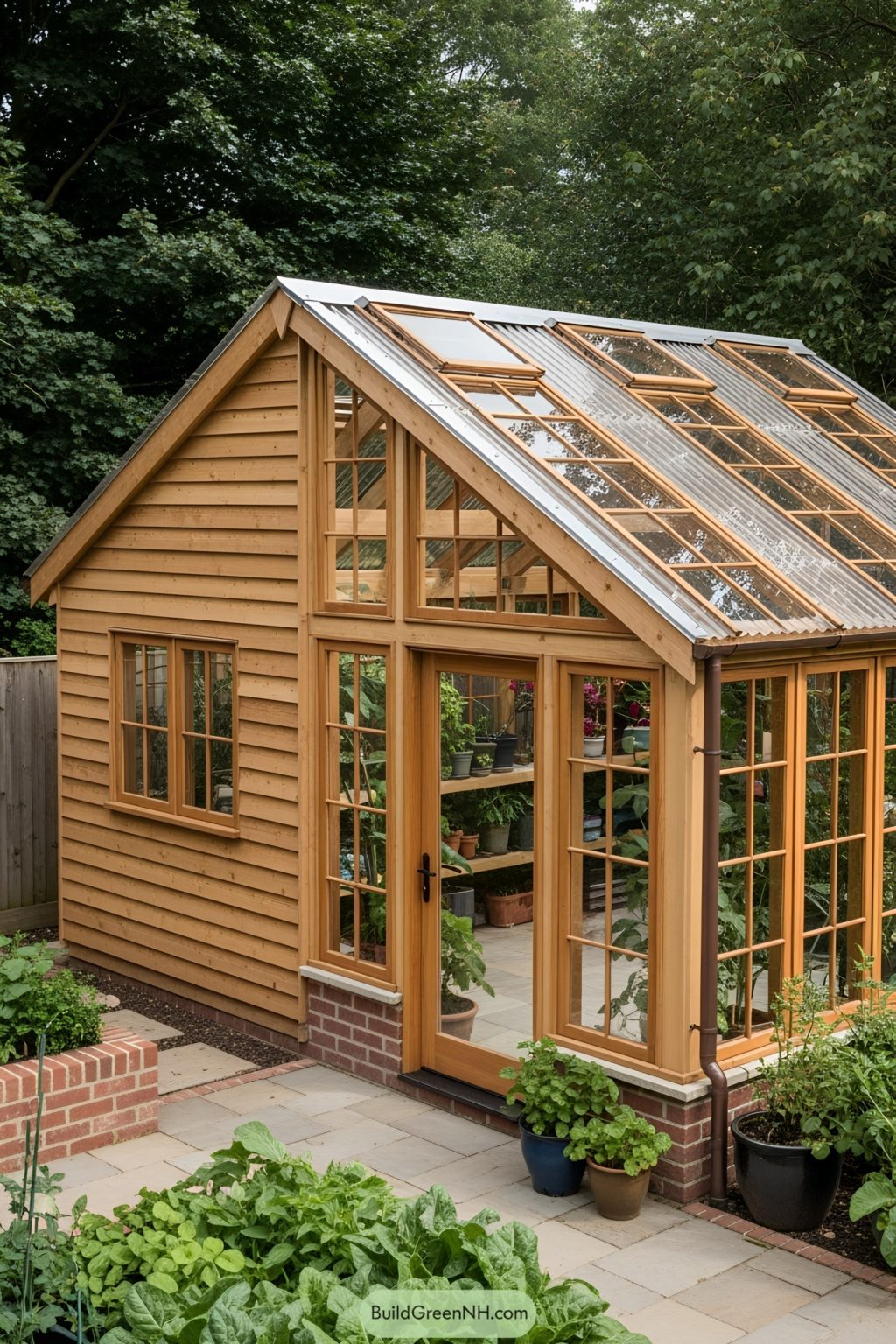
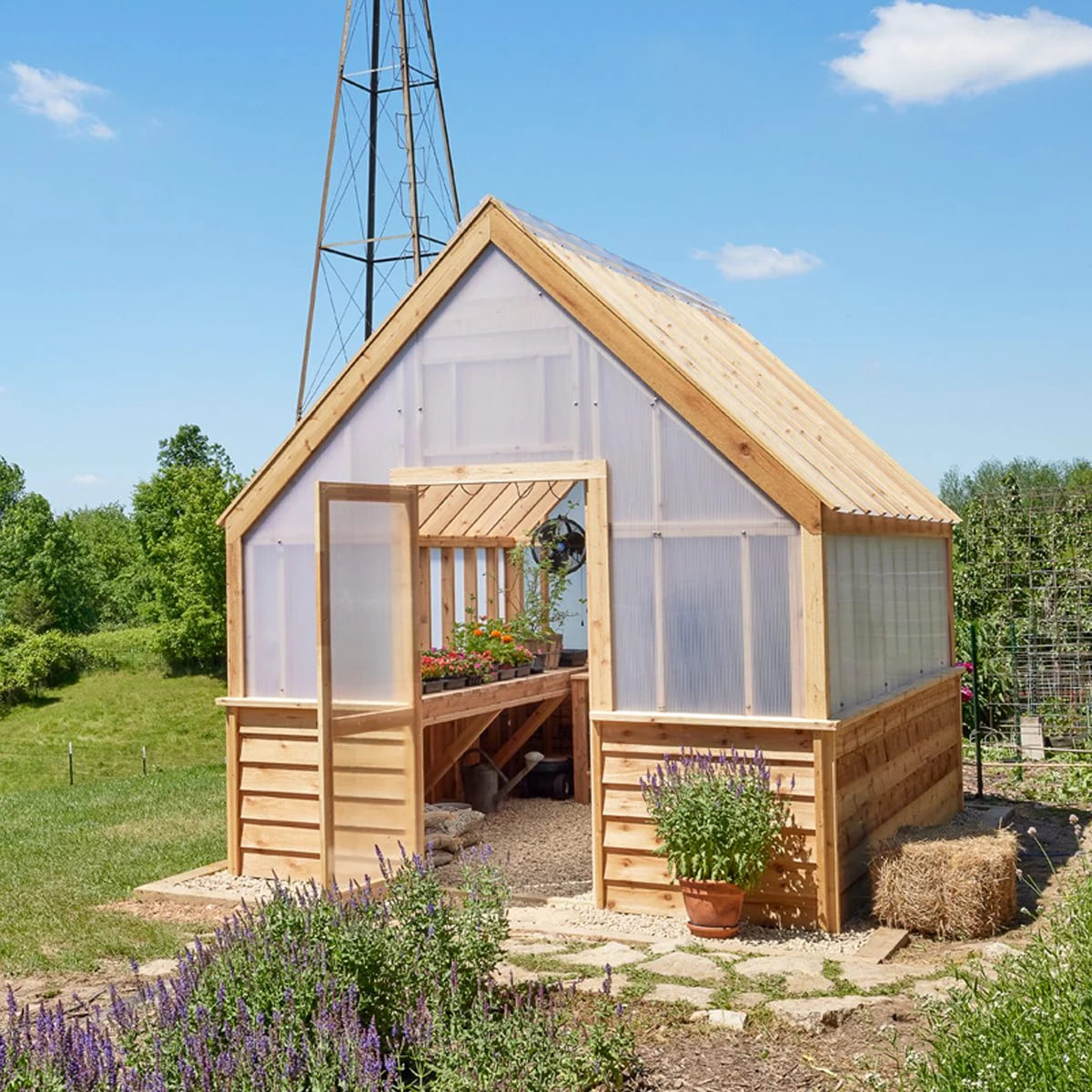
If you need more protection, consider a garden office shed. These aren’t the dusty, spider-filled sheds of the past. Modern garden offices are insulated, wired for electricity, and designed with large windows to keep the connection to nature alive. They offer a quiet retreat, separate from the distractions of the main house. Whether you choose a sleek, modern pod or a rustic wooden cabin, the key is insulation. You want to be comfortable year-round. Good insulation keeps the heat in during winter and out during summer, making your workspace usable regardless of the season.
Don’t forget about the roof. If you’re building a permanent structure, think about materials that blend with your home’s architecture. Copper, slate, or high-quality shingles can add a touch of elegance. But if you’re going for something lighter, a fabric canopy can be just as effective. The point is to create a ceiling that feels intentional. It frames your view. It protects your equipment. And it adds a layer of psychological comfort, knowing you have a roof over your head while you tackle that spreadsheet.
Smart Storage and Hidden Utility
Let’s talk about the unsexy stuff. Cables. Routers. Power strips. Garden hoses. Tools. If these are lying around, your beautiful oasis turns into a cluttered mess real fast. Creating a garden utility area is essential. This doesn’t mean building a ugly box in the corner. It means integrating storage into your design so seamlessly that guests might not even notice it’s there. Think bench seats with hidden compartments for cushions and chargers. Think vertical planters that hide irrigation systems behind lush greenery.
For your tech, cable management is non-negotiable. Use conduit pipes painted to match your deck or wall color to run power lines. Keep your router in a weatherproof, ventilated box that blends with your decor. There are plenty of creative ideas to explore for hiding utility boxes. You can use lattice screens covered in climbing jasmine or ivy. Or build a custom cabinet that looks like a piece of outdoor furniture. The goal is to ensure that practical elements don’t disrupt the overall aesthetic. You want to look out and see beauty, not a tangle of black wires.
Tool storage is another big one. If you’re also gardening, you need a place for your spades and pots. A slim, tall cabinet tucked behind a screen or integrated into a fence line works wonders. Keep it organized. Use hooks, shelves, and bins. A place for everything and everything in its place. This reduces visual noise. And visual noise is the enemy of focus. When your space is tidy, your mind is tidy. It’s a simple concept, but it makes a world of difference in how you feel when you sit down to work.
Furniture That Works as Hard as You Do
Outdoor furniture has come a long way. You no longer have to choose between uncomfortable plastic chairs and heavy, rotting wood. In 2026, the market is full of options that are both durable and stylish. Look for materials like teak, eucalyptus, or high-density polyethylene (HDPE). These materials withstand the elements without needing constant maintenance. They look good wet. They look good dry. And they feel good to sit on for eight hours a day.
Your desk is the centerpiece. It needs to be sturdy. Wobbly tables are a distraction you don’t need. Consider a standing desk option, or at least a desk that allows you to adjust your monitor height. Ergonomics matter outside just as much as they do inside. Pair your desk with a chair that offers proper lumbar support. Yes, there are outdoor office chairs now. They’re made with quick-drying fabrics and rust-proof frames. Don’t skimp on this. Your back will thank you.
Add softness to the space. Outdoor rugs define the area and add a layer of comfort underfoot. Throw pillows in weather-resistant fabrics can make the space feel cozy and inviting. Maybe add a small side table for your coffee or water bottle. These small touches make the space feel lived-in and personal. They transform a functional setup into a sanctuary. Remember, you’re spending a lot of time here. Make it a place you actually want to be.
Tech Integration for the Modern Nomad
Working outside means dealing with the elements, and that includes technology. Your gear needs to be protected. Invest in a high-quality, weatherproof cover for your laptop when you’re not using it. Even if you’re just stepping away for lunch, a sudden shower can ruin your day. Consider using a laptop stand that elevates the device for better airflow and visibility. This also helps with glare, which can be a major issue when working in direct sunlight.
Wi-Fi connectivity is crucial. If your signal is weak in the backyard, invest in a mesh network system or a Wi-Fi extender. There’s nothing more frustrating than a dropped Zoom call. Make sure your power sources are GFCI protected for safety. Use solar-powered chargers for smaller devices like phones and tablets. It’s eco-friendly and reduces the need for running extension cords everywhere. Embrace the transparency of technology—let it work in the background so you can focus on the foreground, which is your work and your surroundings.
Lighting isn’t just for ambiance; it’s for functionality. Ensure your task lighting is bright enough for reading documents but not so harsh that it creates glare on your screen. Adjustable LED lamps with daylight settings are perfect for this. They mimic natural light, reducing eye strain. And don’t forget about sound. If you’re on calls, consider a directional microphone or noise-canceling headphones. The birds are nice, but your clients might not appreciate their chirping during a serious discussion.
The whole point of an outdoor office is to connect with nature. So, lean into it. Surround your workspace with plants. Not just any plants, but ones that engage your senses. Lavender for smell. Ornamental grasses for sound. Ferns for texture. These elements reduce stress and boost creativity. Studies have shown that even looking at nature for a few minutes can lower cortisol levels. So, position your desk to face a garden bed or a tree. Make nature your view, not your distraction.
Water features can also be incredibly calming. A small fountain or a birdbath adds a soothing background noise that masks distant traffic or neighborhood sounds. It creates a white noise effect that helps with concentration. Just make sure it’s not too loud. You want a trickle, not a roar. The sound of water is primal. It connects us to the earth. It reminds us to slow down. And in a world that’s always rushing, that’s a valuable reminder.
Finally, respect the seasons. In spring, enjoy the blooms. In summer, seek the shade. In autumn, watch the leaves change. In winter, bundle up and enjoy the crisp air. Your workspace should adapt to these changes. Use heaters in the cold months. Use fans in the hot ones. Be flexible. The beauty of an outdoor workspace is its dynamism. It changes with the world around it. Embrace that change. Let it inspire you. Let it remind you that you’re part of something bigger than your inbox.
Creating a seamless blend of utility and beauty in your outdoor workspace is both an art and a science. It requires thoughtfulness. It requires planning. But the reward is a space that nourishes your mind and body. It’s a place where you can do your best work while feeling truly alive. So, take the plunge. Start small if you need to. Add a chair. Plant a flower. Run a cable. Step by step, you’ll build a sanctuary that serves you well. And isn’t that what we’re all looking for? A place to work, yes, but also a place to breathe.