You’ve probably been there. You buy the packet of seeds, you till the earth, you water with hope. And then? Nothing. Or worse, something slimy and brown that used to be a plant. It’s frustrating. It makes you want to quit gardening altogether. But what if the problem wasn’t your green thumb? What if it was the ground itself?
We tend to think of gardening as a horizontal act. We spread out. We claim territory. But for certain picky plants, the ground is actually a hostile environment. It’s full of pests, inconsistent moisture, and diseases that linger in the dirt year after year. Enter the vertical tower. These sleek, stackable systems aren’t just for saving space on a tiny balcony. They are life-support systems for vegetables that simply can’t handle the rough-and-tumble of traditional in-ground planting.
Let’s talk about the ones that fail hard in the dirt but thrive when lifted up. It’s not magic. It’s biology meeting engineering. And once you see these five crops succeed in a tower after watching them die in your raised beds, you’ll never look at a compost pile the same way again.
The Soil Myth and the Hydroponic Reality
Here is the thing nobody tells you at the nursery: soil is messy. It’s unpredictable. For delicate root systems, ground soil is like living in a house with a leaky roof and unpredictable heating. In 2026, we know more than ever about how specific plant roots interact with microbial communities. Some plants hate the competition. They hate the fluctuation.
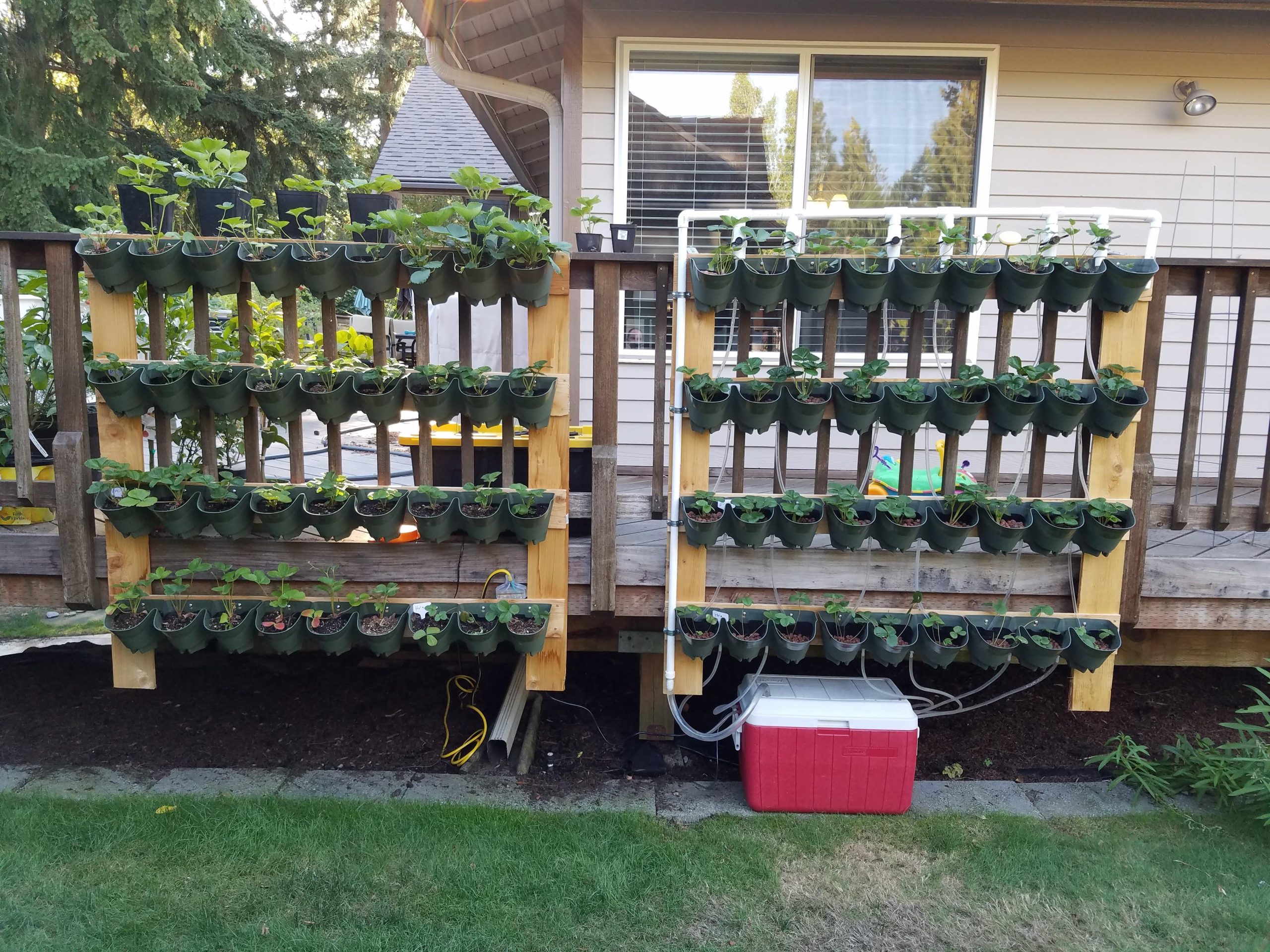
Vertical towers, especially hydroponic or aeroponic ones, offer consistency. The nutrients are delivered directly to the roots in a balanced cocktail. No guessing. No waiting for rain to wash fertilizer down to the root zone. This consistency is the difference between life and death for crops that are sensitive to "wet feet" or nutrient lockout.
When we say these plants "fail" in ground soil, we don’t mean they physically cannot grow. We mean they struggle so much with disease pressure, pest access, and nutrient inconsistency that the yield is pathetic. You might get three sad leaves from a spinach plant in the ground during a humid July. In a tower? You get a continuous cascade of crisp greens. The tower removes the variables that cause failure. It creates a controlled bubble where the plant can just focus on growing.
Spinach: The Cool-Weather Diva
Spinach is notorious. Ask any gardener. It bolts (goes to seed) the second the weather warms up. It gets mildew if it rains too much. It gets eaten by slugs if it’s too damp. In the ground, spinach is a high-maintenance drama queen. You have to time it perfectly. Miss the window by a week, and you’re harvesting bitterness instead of sweetness.
In a vertical tower, spinach transforms. Why? Because the roots stay cool. In many tower systems, the water reservoir acts as a temperature buffer. Even if the air is warming up, the root zone remains stable. This delays bolting significantly. Plus, the airflow around vertical towers is superior. The leaves aren’t sitting on damp earth, inviting fungal spores to settle in. They are suspended, breathing easy.
I’ve seen gardeners in zone 7 push their spinach harvests well into early summer using towers, something that’s nearly impossible with ground planting. The key is choosing the right cultivar. Look for slow-bolt varieties like ‘Bloomsdale Long Standing’ or ‘Space’. Plant them in the lower to middle sections of the tower where the light is slightly less intense if you’re in a hot climate. The result? Tender, sweet leaves that don’t taste like metal. It’s a game changer for spring salads.
Lettuce: Escaping the Slug Apocalypse
Lettuce and ground soil have a toxic relationship. Specifically, the slug variety. If you’ve ever walked out to your garden in the morning to find your prize-winning butterhead reduced to a skeleton, you know the pain. Ground-level lettuce is basically an all-you-can-eat buffet for every pest within a five-mile radius. It’s also prone to bottom rot, where the outer leaves touch the wet soil and just… dissolve.
Vertical towers lift lettuce out of reach. Literally. Slugs can’t climb smooth plastic towers easily. Even if they do, the foliage isn’t touching the ground. The air circulation keeps the leaves dry. This alone prevents half the diseases that plague ground-grown lettuce. But it’s not just about pests. It’s about speed.
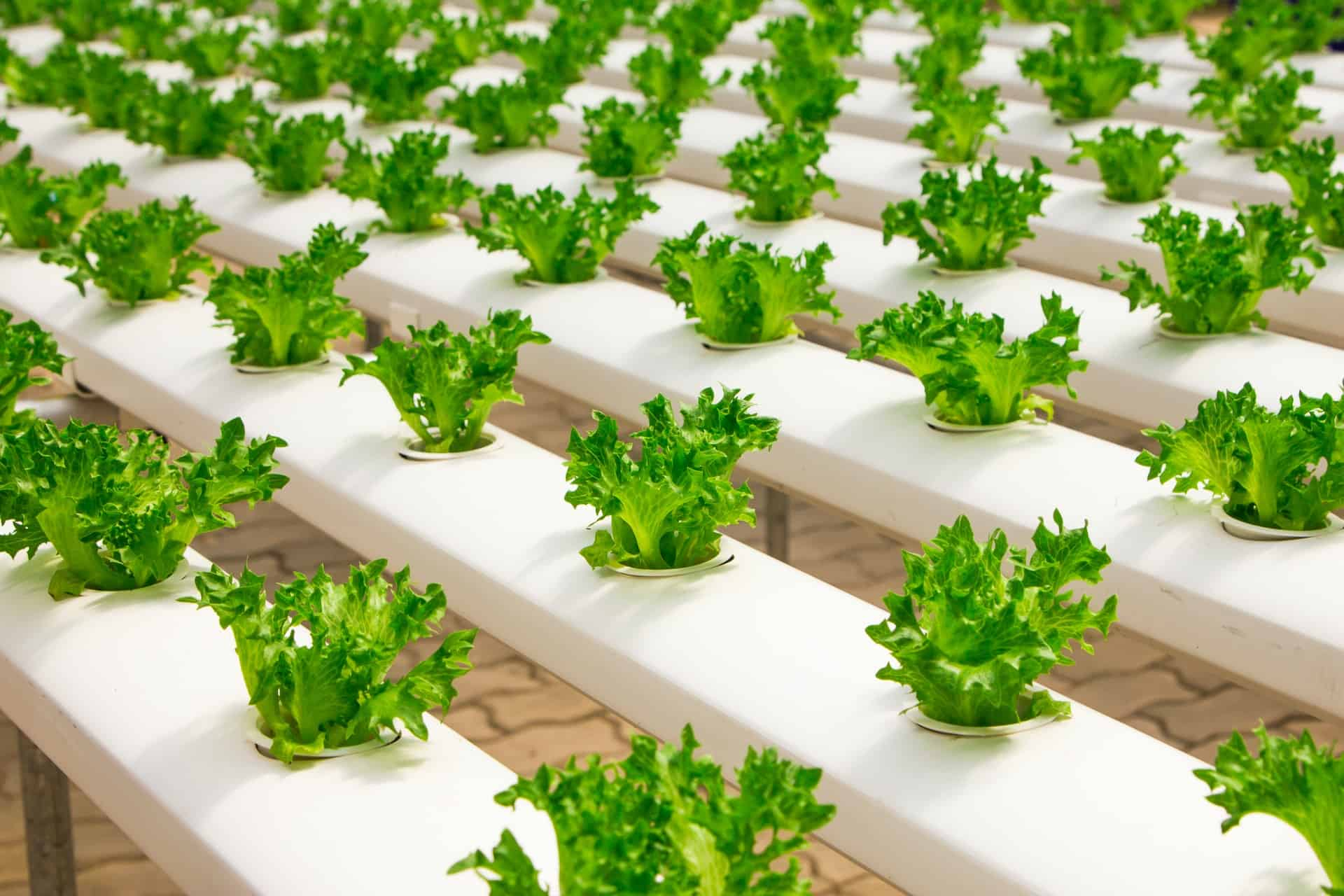
In a hydroponic tower, lettuce grows fast. Like, really fast. You can go from seed to salad in three to four weeks. In soil, it might take six or eight, depending on the temperature and nutrient availability. This speed means you can succession plant constantly. Harvest the outer leaves, and the plant keeps producing. Because the nutrients are always available, the leaves stay tender. No tough, bitter midribs. Just crisp, clean crunch. Try varieties like ‘Salad Bowl’ or ‘Black Seeded Simpson’ for the best results. They handle the vertical density well.
Strawberries: Keeping Fruit Off the Dirt
Wait, strawberries are fruits. True. But culinarily, we treat them like veggies in the garden context, and they are absolute kings of the vertical tower. Here’s why they fail in the ground: rot. Strawberry fruit sits on the soil. It gets muddy. It gets moldy. Birds find it before you do. And the crowns (the center of the plant) are susceptible to crown rot if the soil drainage isn’t perfect.
In a tower, strawberries dangle. The fruit hangs free in the air. No contact with dirt. No mud splash. This means cleaner berries and significantly less fungal disease like botrytis (gray mold). The vertical orientation also means every berry gets sun. In a ground patch, the leaves shade the fruit, leading to uneven ripening. In a tower, light hits from all angles.
Plus, towers make harvesting a breeze. No bending over. No searching under leaves. You just walk around the tower and pick. Day-neutral varieties like ‘Albion’ or ‘Seascape’ work best because they produce fruit throughout the season, not just in one big burst. This matches the continuous nature of tower gardening. You get a steady trickle of berries for months, rather than a overwhelming flood that goes bad before you can eat it. It’s elegance in production.
Kale: The Compact Powerhouse
Kale is tough. It survives frost. It survives heat. So why does it fail in the ground? It doesn’t exactly "fail," but it gets bulky. Ground-grown kale spreads out. It takes up square footage. And in humid climates, the large leaves can trap moisture against the stem, leading to bacterial soft rot. Also, cabbage loopers love ground-level kale. They find it easily.
In a vertical tower, kale is forced to grow upward. You choose compact varieties like ‘Dwarf Blue Curled’ or ‘Red Russian’. These don’t need wide spaces. They thrive in the tight pockets of a tower. The vertical growth habit means better air penetration through the canopy. The leaves dry off faster after rain or watering. This reduces the incidence of leaf spot diseases.
Another benefit? Pest visibility. When kale is in a tower at eye level, you see the eggs. You see the caterpillars. You can pick them off before they decimate the plant. On the ground, you often don’t notice the damage until it’s too late. The tower puts the plant in your face, literally. This constant visual check leads to healthier plants. And because the nutrients are consistent, the leaves are sweeter. Stress-free kale tastes better. It’s less fibrous. It’s perfect for smoothies or chips.
Swiss Chard: The Colorful Survivor
Swiss chard is beautiful. It’s also surprisingly finicky in heavy soils. If the soil compacts, the roots struggle. If the pH is off, the leaves turn yellow. It’s sensitive to magnesium deficiencies, which are common in depleted garden soils. In the ground, chard often looks tired. The stems lack vibrancy. The leaves are small.
Towers solve the nutrient issue. You control the mix. You can ensure adequate magnesium and potassium. The result? Stems that pop with color. Bright reds, vivid yellows, deep oranges. The visual appeal of a tower filled with chard is stunning. It’s edible art. But beyond aesthetics, chard thrives in the consistent moisture of a tower. It hates drying out. Ground soil dries out unevenly. Towers keep the roots evenly moist.
This consistency leads to larger leaves and thicker stems. You can harvest the outer leaves continuously, just like spinach. The plant keeps producing from the center. In 2026, with water conservation being a huge topic, the efficiency of a tower system for chard is a major selling point. You use less water, get more yield, and avoid the soil-borne diseases that often stunt chard in traditional beds. It’s a win-win-win.
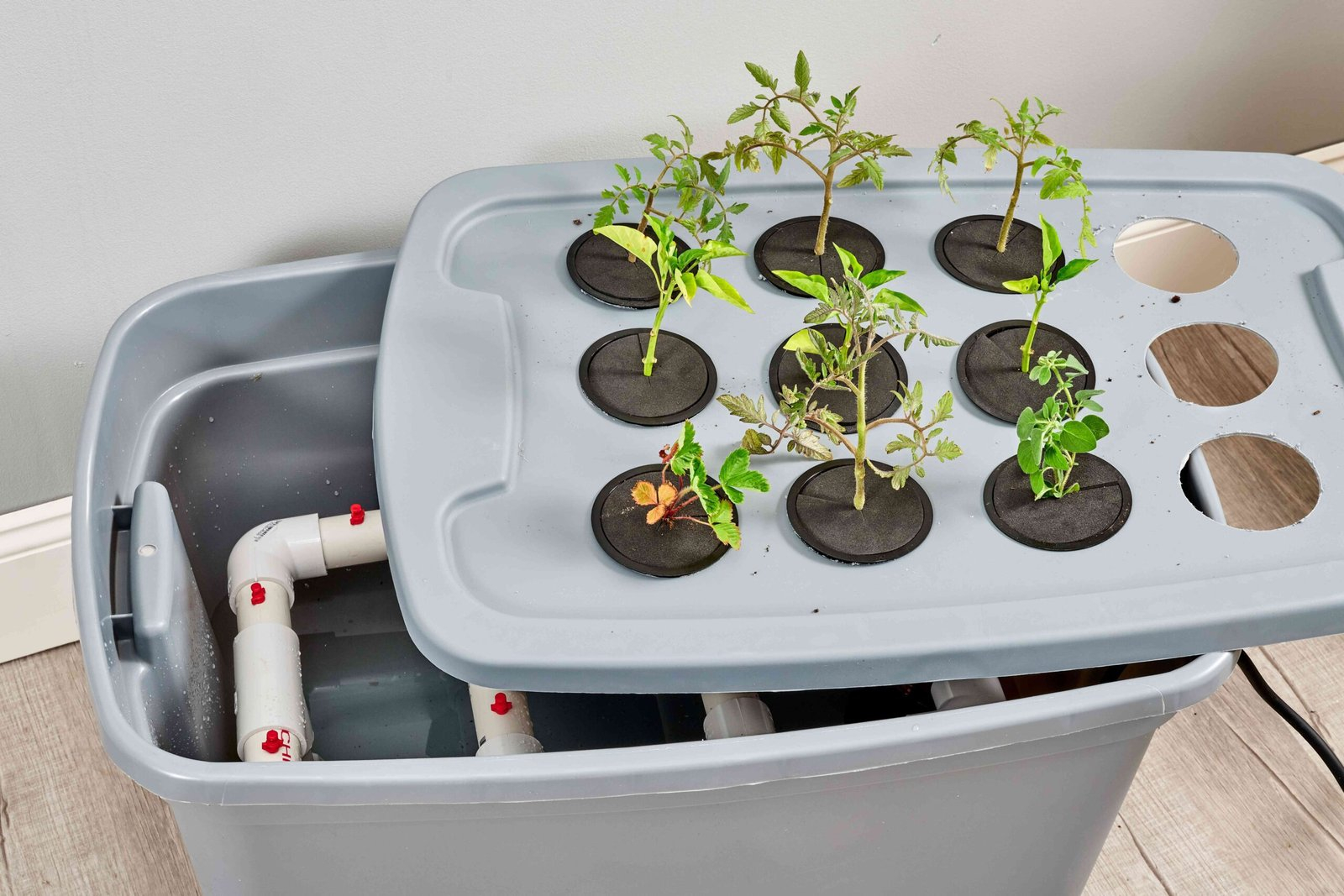
So, you’re convinced. You want to try towers. Where do you start? First, don’t overspend. You don’t need the most expensive system. DIY options work fine. Buckets with net cups. PVC pipes with holes. The principle is the same: lift the plant, deliver nutrients directly. Start small. Pick one or two of these five veggies. Don’t try to grow everything at once.
Second, monitor your pH and EC (electrical conductivity). This is the learning curve. In soil, you guess. In hydroponics, you measure. Get a cheap pH pen. Check it weekly. Most of these veggies like a pH between 5.5 and 6.5. If it’s off, the plants can’t eat, even if the food is right there. It’s like having a locked fridge. Adjust slowly.
Third, light matters. Towers cast shadows. Rotate your tower if possible. Or place it where it gets sun from all sides. If you’re indoors, use grow lights. LED strips work wonders. Ensure the light reaches the lower pockets. If the bottom plants are leggy, they need more light. Trim them back. Don’t be afraid to prune. These plants respond well to trimming. It encourages bushier growth.
Finally, be patient with the setup. It takes a few weeks to establish the biofilm in the system. The water might look cloudy at first. That’s normal. It’s the beneficial bacteria colonizing. Once it clears, you’re in business. Watch your plants. They will tell you what they need. Yellow leaves? Maybe nitrogen deficiency. Brown tips? Maybe nutrient burn. Learn their language. It’s rewarding.
Gardening isn’t about fighting nature. It’s about working with it. Sometimes, working with nature means lifting it off the ground. These five vegetables—spinach, lettuce, strawberries, kale, and chard—have shown us that up is the new down. They prove that when we remove the barriers of poor soil and pest pressure, plants can exceed our expectations.
So, don’t let your failed ground garden discourage you. Try a tower. Start with one crop. See the difference. Taste the cleanliness of a leaf that never touched the dirt. Feel the ease of harvesting at waist height. It’s not just about efficiency. It’s about joy. It’s about reconnecting with your food in a way that feels manageable, modern, and deeply satisfying. The future of gardening is vertical. And it’s delicious.