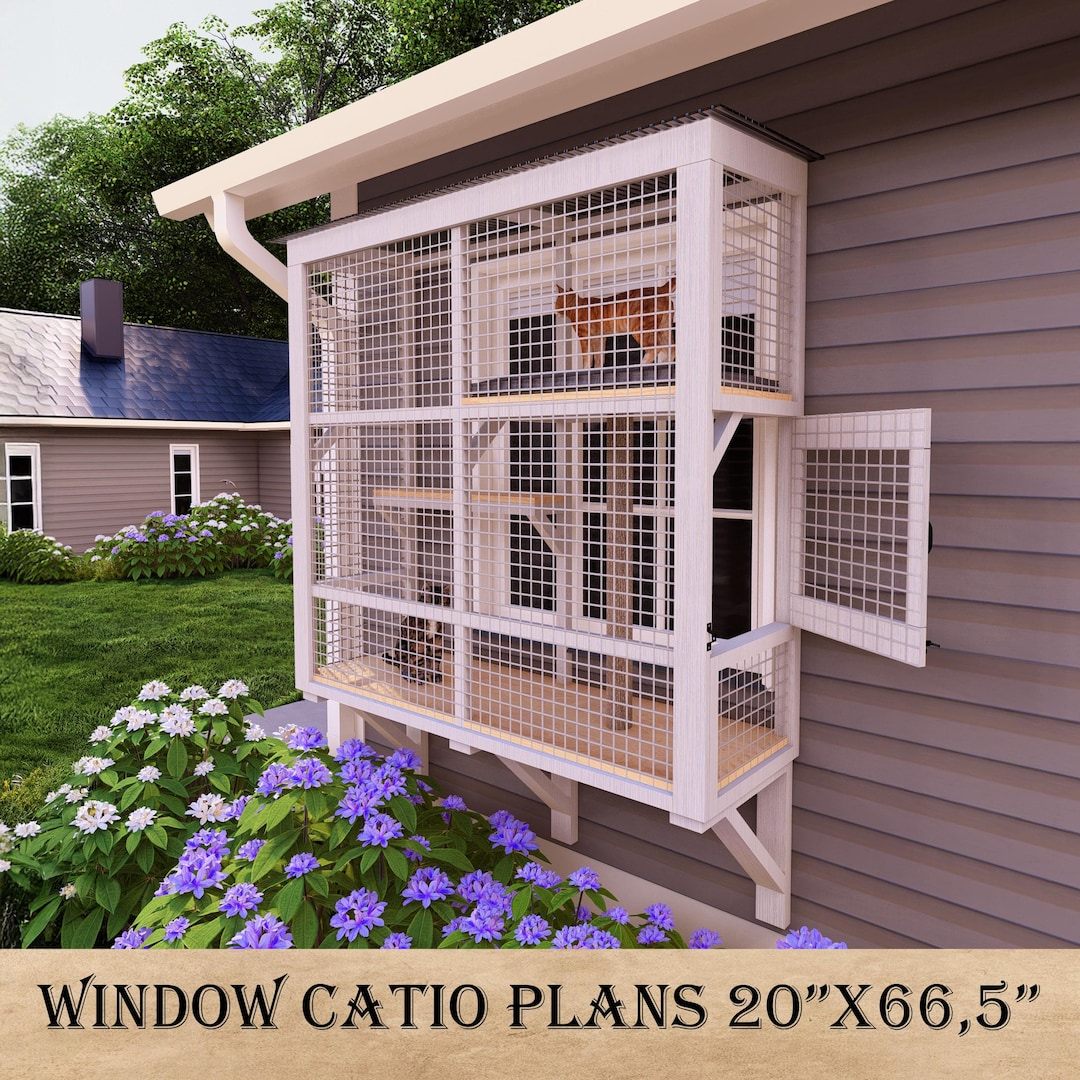
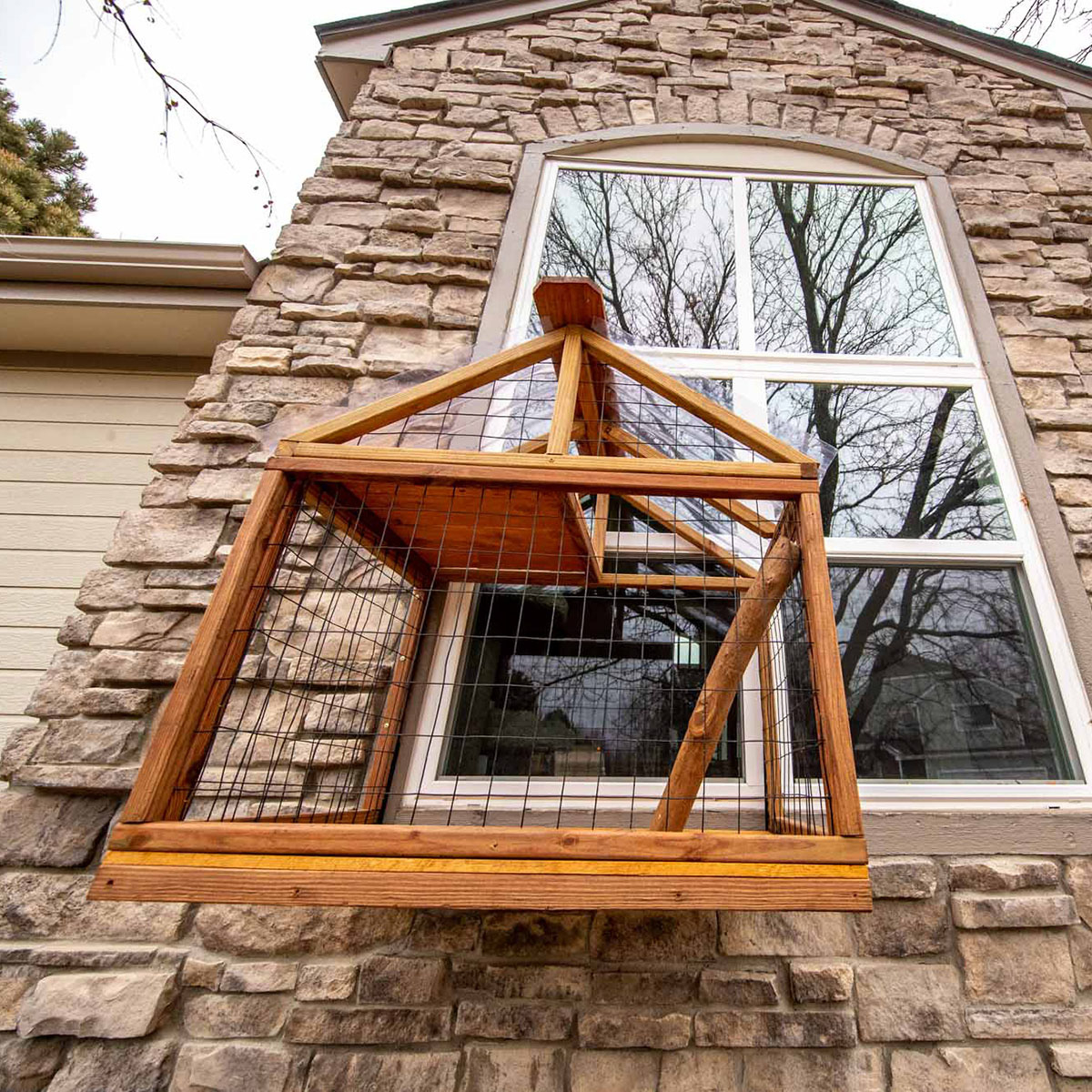
You know that look. The one where your cat presses their nose against the cold glass, tail twitching, eyes wide as they watch a pigeon strut across the railing. It’s heartbreaking, isn’t it? We keep them inside for their safety—cars, predators, diseases—but we also deny them the wind in their fur and the sun on their backs. For years, I thought my tiny fourth-floor balcony was useless for my tabby, Barnaby. It was barely big enough for a potted plant and my coffee mug. But then I realized something simple: cats don’t need acres. They need vertical space. They need safety. And they need a view.
Turning a small balcony into a "catio" (cat patio) isn’t about major construction or breaking your lease. In 2026, the trend has shifted away from bulky, expensive pre-fab structures toward smart, modular, and DIY-friendly solutions that respect both the animal’s needs and the landlord’s rules. It’s about reclaiming that neglected square footage and turning it into a sensory playground. Whether you have a Juliet balcony or a modest concrete slab, you can create a sanctuary. It’s not just about keeping them safe; it’s about giving them a life that feels complete. Let’s dive into how you can make it happen, without losing your mind or your security deposit.
Assessing Your Space and Lease Limits
Before you buy a single zip tie or panel, you need to play detective. Not all balconies are created equal, and not all landlords are created equal either. Start by measuring everything. Width, height, depth. Note the railing type—is it iron bars, solid concrete, or glass? This dictates how you’ll attach your enclosure. Iron bars are easy to wire to; glass is tricky and often requires tension-based systems or floor-to-ceiling frames that don’t drill into the surface. Check the weight limit too. A catio filled with soil, plants, and heavy furniture adds up fast. You don’t want to stress the structural integrity of your building.
Next, read your lease. Seriously, read it. Look for clauses about "exterior modifications," "attachments to railings," or "visible alterations." In many cities in 2026, there are new tenant protections that allow for pet accommodations, but you still need permission. Some buildings require that any structure be removable without leaving marks. This is where non-invasive mounting hardware becomes your best friend. Think tension rods, heavy-duty suction cups rated for outdoor use, or clamps that grip the railing without drilling. If you’re unsure, talk to your property manager. Frame it as a safety upgrade rather than a renovation. Most would prefer a secured cat over a loose one falling from the third floor.
Don’t forget to check the sun and wind patterns. Spend a day watching your balcony. Where does the sun hit at noon? Where does the wind whip around at 4 PM? Your cat will need shade in the summer and a windbreak in the winter. If your balcony is fully exposed, you’ll need to plan for weather-resistant materials and perhaps some breathable mesh covers that block the gusts but let the light through. Understanding these environmental factors early saves you from building a catio that’s too hot in July or freezing in January. It’s about comfort, not just containment.
Choosing the Right Enclosure Materials
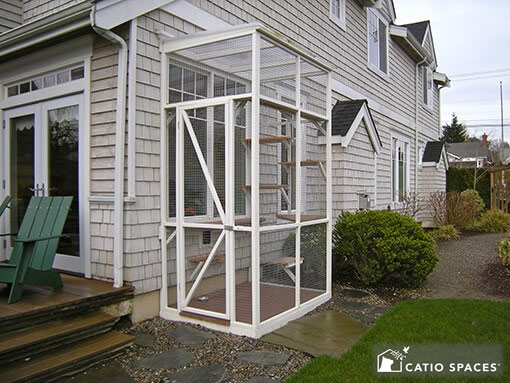
The backbone of any catio is the material that keeps your cat in and the world out. Wire mesh is the classic choice, but not all mesh is safe. Avoid chicken wire; it’s too flimsy and the holes can trap claws or heads. Instead, opt for galvanized steel hardware cloth with openings no larger than 1×1 inch. It’s sturdy, rust-resistant, and gives you peace of mind. For a sleeker look, many apartment dwellers in 2026 are turning to powder-coated aluminum panels. They’re lightweight, which is crucial for balconies, and they come in black or white to blend with modern architecture. They look less like a cage and more like a design feature.
If you’re renting, modularity is key. Look for systems that use zip ties, carabiners, or slide-lock panels. These allow you to take the whole thing down if you move or if the landlord complains. There are also innovative fabric-based enclosures made from heavy-duty, tear-resistant mesh that zip together. These are great for temporary setups or for covering existing railings quickly. They’re not as permanent-looking, which can be a plus for strict leases. Just make sure the zippers are lockable or hidden, because clever cats will figure out how to unzip a door if given the chance.
Don’t overlook the floor. If your balcony has gaps in the flooring, you need to cover them. Cats can slip through surprisingly small spaces. Use outdoor-rated decking tiles, interlocking rubber mats, or even a layer of artificial turf secured with non-slip backing. This not only prevents escapes but also protects your cat’s paws from hot concrete or splinters. Plus, it makes cleaning easier. You can just hose it down or vacuum up the hair. Think of the enclosure as a bubble. Every gap, every corner, every hinge needs to be secure. Test it yourself. Push on it. Shake it. If it wobbles, reinforce it. Your cat’s life depends on that sturdiness.
Maximizing Vertical Real Estate
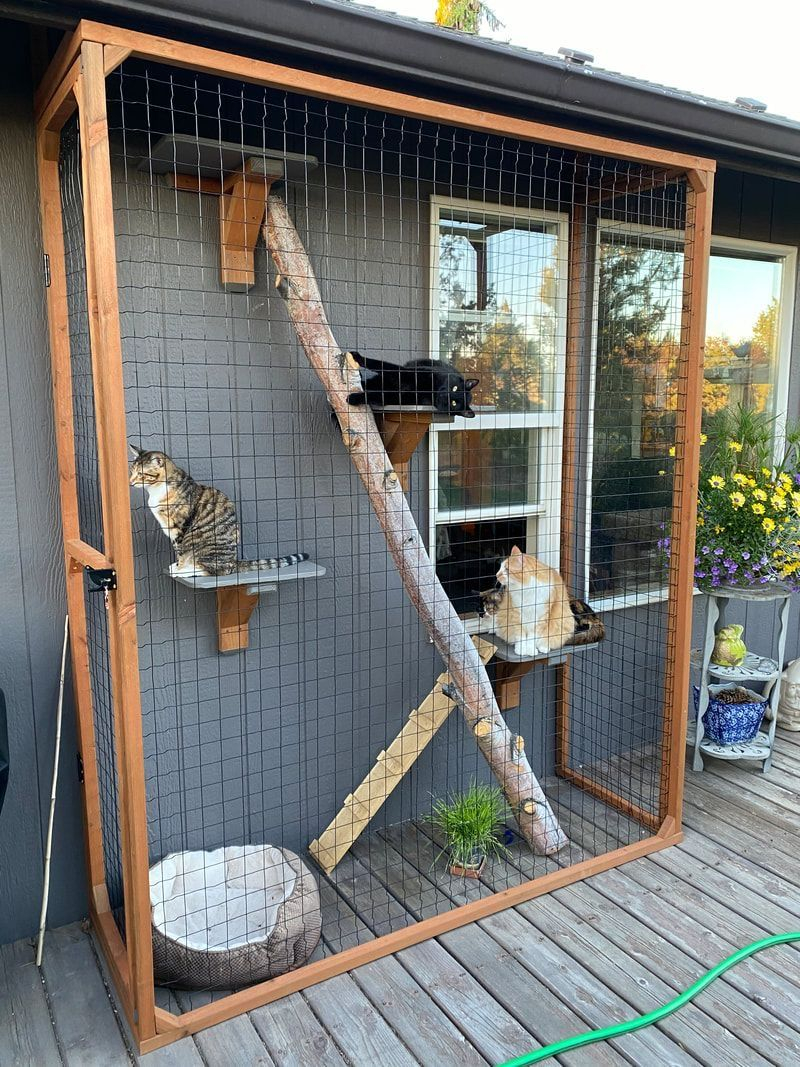
Here’s the secret: cats live in 3D, but humans design in 2D. On a small balcony, you don’t have square footage, so you need cubic footage. Go up. Install shelves, perches, and climbing paths that run along the walls and up the sides of the enclosure. Use the corners. A simple L-shaped shelf can double your usable space. Cat trees designed for outdoors (made with weather-resistant sisal and wood) are great, but you can also build custom ramps using untreated cedar or pine. Seal them with a non-toxic, water-based sealant to protect against rain.
Think about "superhighways." Cats love to patrol. Create a loop that allows them to walk around the entire perimeter of the catio without touching the ground. This could be a series of staggered shelves connected by small bridges or ramps. It gives them exercise and a sense of control over their territory. In 2026, we’re seeing more use of transparent acrylic tunnels attached to the outside of the window, leading into the balcony catio. This creates a seamless flow from indoors to outdoors, encouraging even shy cats to step out. If you can’t do tunnels, a simple cat flap in a secure door works wonders.
Don’t forget the viewing platforms. Place a comfortable perch near the edge of the enclosure, but make sure it’s not directly against the mesh where they might get too close to potential threats (like aggressive birds or neighborhood dogs). A raised platform with a partial roof offers a sense of security while still providing a view. Add a hammock or a suspended bed under a shelf. Cats love to feel enclosed while they rest. By layering these elements—high perches for watching, mid-level shelves for walking, and low spots for hiding—you create a rich environment that feels much larger than it actually is. It’s about variety. Boredom is the enemy of indoor cats, and a flat, empty balcony is boring.
Integrating Nature and Sensory Enrichment
A catio isn’t just a cage; it’s a garden. Bringing nature into the space stimulates your cat’s instincts and provides mental health benefits. Start with cat-safe plants. Catnip, catmint, valerian, and spider plants are excellent choices. Avoid lilies, azaleas, and pothos, which are toxic. Use hanging planters or wall-mounted pots to save floor space. Herbs like basil and thyme are also safe and add nice smells for you too. The scent of fresh earth and greenery changes the atmosphere completely. It stops feeling like a concrete box and starts feeling like a retreat.
Consider adding a water feature. Not a big pond, but a small, recirculating fountain. The sound of running water is incredibly calming for cats (and humans). It also encourages hydration. Many cats prefer running water over stagnant bowls. Just ensure the pump is safely enclosed and the cords are protected from chewing. You can also add bird feeders outside the enclosure, visible but unreachable. This provides hours of "Cat TV." Just be careful not to place them so close that your cat gets frustrated by being unable to catch the prey. The goal is engagement, not stress.
Textures matter too. Add different surfaces for them to walk on. A patch of real grass in a planter box, a smooth stone slab, a rough sisal mat. These variations keep their paws sensitive and engaged. In the warmer months, you might even add a shallow dish of water for paw dipping. It’s a small detail, but cats love to play with water. The key is rotation. Don’t set it and forget it. Change the location of the toys, swap out the plants, move the perches. Keep the environment dynamic. A static space becomes invisible to a cat after a while. Freshness keeps them interested.
Weatherproofing and Seasonal Comfort
Your balcony is exposed to the elements, so your catio needs to handle rain, sun, wind, and snow. In 2026, sustainable and durable materials are easier to find than ever. Use UV-resistant mesh to prevent it from becoming brittle and tearing after a summer in the sun. For the frame, aluminum or treated wood is best. If you use wood, re-seal it annually. Rain protection is crucial. Install a waterproof canopy or awning over part of the catio. This gives your cat a dry spot to sit during a shower. You can use clear polycarbonate sheets if you want to keep the light coming in while blocking the rain.
Temperature control is vital. In the summer, ensure there’s plenty of shade. Use shade cloths that block 70-80% of UV rays. Never leave your cat in a catio if the temperature is extreme. Even with shade, a small balcony can heat up like an oven. Provide plenty of fresh water and consider adding a cooling mat. In the winter, it’s trickier. Most cats won’t go out in freezing temps, but if you live in a milder climate, you can add insulated bedding boxes. These are small, enclosed shelters with straw (not hay, which holds moisture) inside. They retain body heat and provide a cozy escape from the wind.
Wind breaks are often overlooked. If your balcony is windy, attach breathable mesh screens to the windward side. This reduces the chill factor without blocking the view. You can also use bamboo rolls or reed fencing for a natural look that doubles as insulation. Check the enclosure regularly for wear and tear. Storms can loosen zip ties or bend panels. After any severe weather, do a thorough inspection. Safety is an ongoing process, not a one-time setup. Being proactive means you can enjoy the space year-round, rather than shutting it down at the first sign of rain.
Building the catio is just the start. Keeping it functional requires a routine. Cleaning is the biggest hurdle. Poop, shed fur, and fallen leaves accumulate quickly. Design for easy cleaning from day one. Use removable trays under litter boxes if you choose to keep one outside (though most people prefer indoor litter). Hose-down floors are ideal. If you have carpet or turf, invest in a good outdoor vacuum or a leaf blower on a low setting. Wipe down the shelves weekly to remove dust and pollen. A clean space is a healthy space.
Integrate the catio into your daily life. Don’t just open the door and hope for the best. Spend time out there with your cat. Sit on a stool, read a book, let them rub against your legs. This associates the space with positive social interaction, not just isolation. Use treats to lure them out initially. Be patient. Some cats bolt out; others take weeks to venture past the threshold. Respect their pace. Once they’re comfortable, establish a schedule. Maybe they get 30 minutes in the morning and 30 in the evening. Consistency helps them feel secure.
Finally, monitor their behavior. Are they using the space? Are they stressed? If they’re hiding constantly, maybe there’s too much exposure. If they’re trying to escape, check for gaps. Adjust as needed. The catio should be a source of joy, not anxiety. In 2026, many owners are using simple cameras to monitor their pets while they’re at work, ensuring they’re safe and entertained. It’s a small tech touch that adds a layer of reassurance. Remember, this space is for them, but it’s also for you. Watching your cat chase a leaf or nap in a sunbeam is one of the simple pleasures of apartment living. It connects you to nature, even in the city.
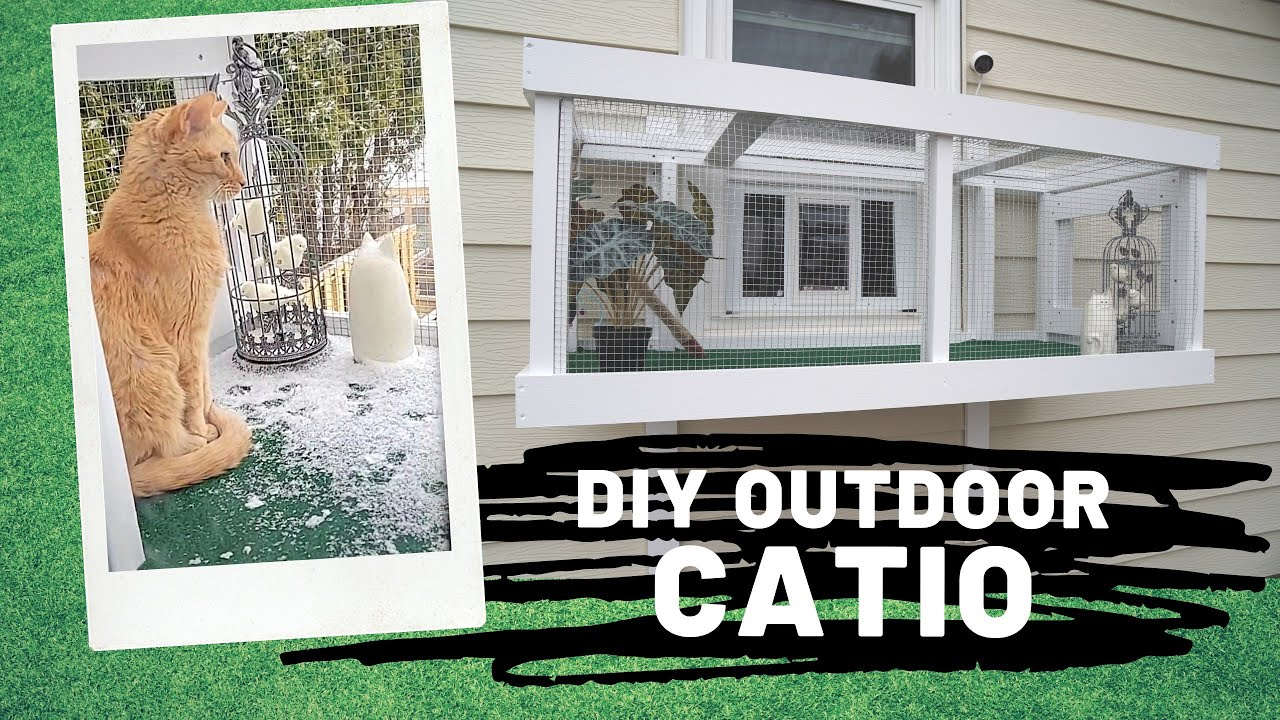
So, where do you start? Measure your balcony. Check your lease. Pick your materials. It doesn’t have to be perfect on day one. Start with a secure window box or a small section of the railing. Expand as you see what works. The goal isn’t a magazine-ready photo; it’s a happy cat. And honestly, seeing your feline friend bask in the sun, safe and sound, makes every zip tie and every drop of sweat worth it. You’re not just building a structure; you’re building a better quality of life. And in a small apartment, that’s everything.