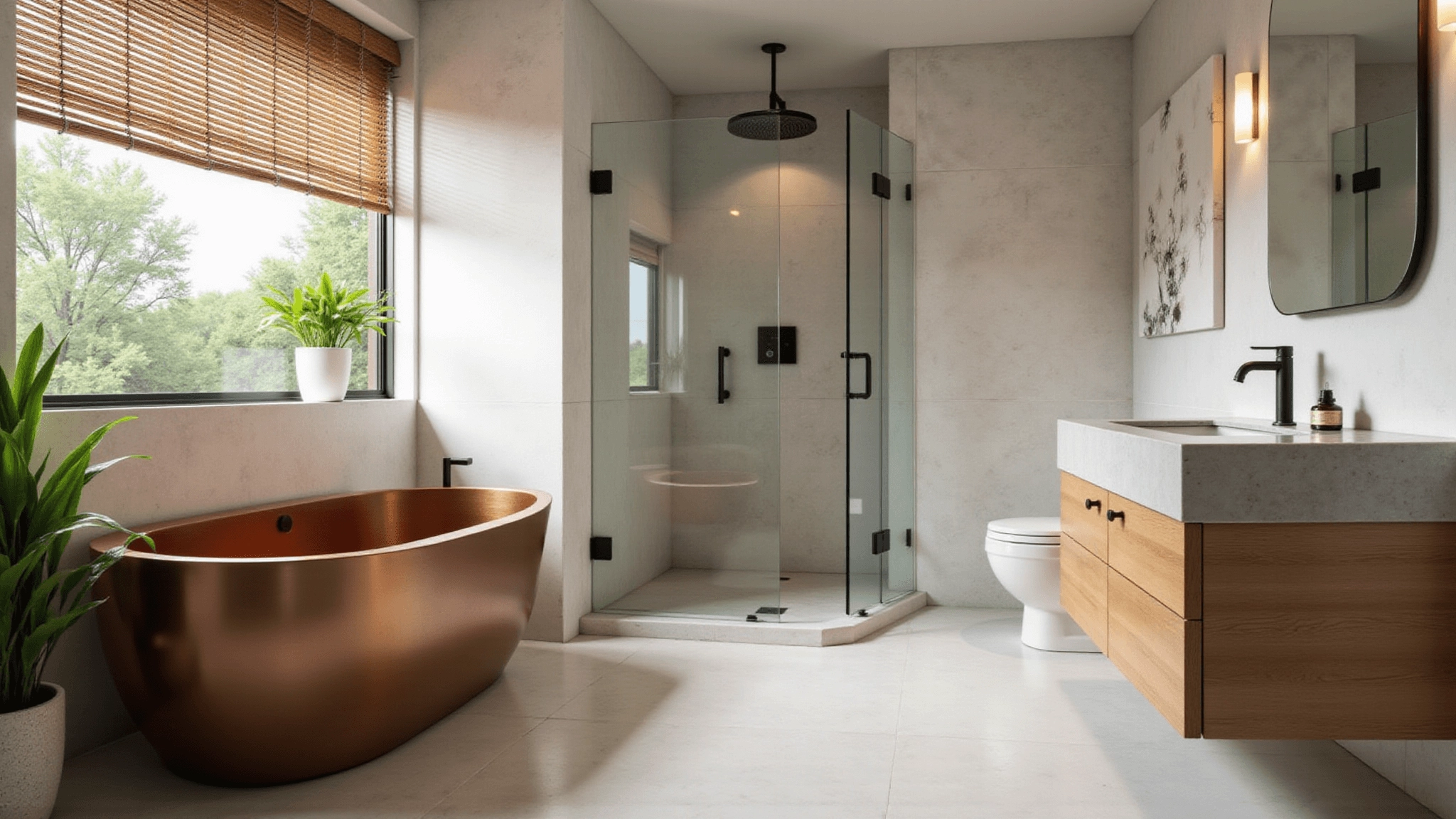
You know that feeling when you step barefoot onto cool river stones? Or the way your shoulders drop just a fraction when you lean against warm, rough-hewn timber? It’s primal. It’s deep. And honestly, it’s exactly what we’re all chasing in our homes right now. We aren’t just building bathrooms anymore. We are crafting sanctuaries. In 2026, the line between "house" and "healing space" has blurred completely. But here is the thing: you can’t buy that sense of calm off a shelf. You have to build it. And the secret ingredient isn’t some high-tech gadget or a pricey scent diffuser. It’s the stuff the earth made first.
Think about it. For thousands of years, humans have looked to nature to heal. From the steam baths of ancient Rome to the forest bathing practices in Japan, we’ve always known that being close to the natural world resets our nervous systems. Today, that ancient wisdom is colliding with modern design. The result? A shift away from sterile, perfect surfaces toward materials that breathe, age, and feel alive. This isn’t just a trend. It’s a return to basics. It’s about understanding that true luxury isn’t about shine. It’s about connection.
So, why are natural materials taking center stage in home spa design? Because they do the heavy lifting for us. They ground us. They soften the harsh edges of our digital lives. When you surround yourself with stone, wood, clay, and linen, you aren’t just decorating. You are curating an experience. You are telling your body, "It’s safe to let go here." And in a world that never stops buzzing, that permission slip is worth more than gold. Let’s dig into why these elements are non-negotiable if you want a space that truly restores you.
The Grounding Power of Natural Stone
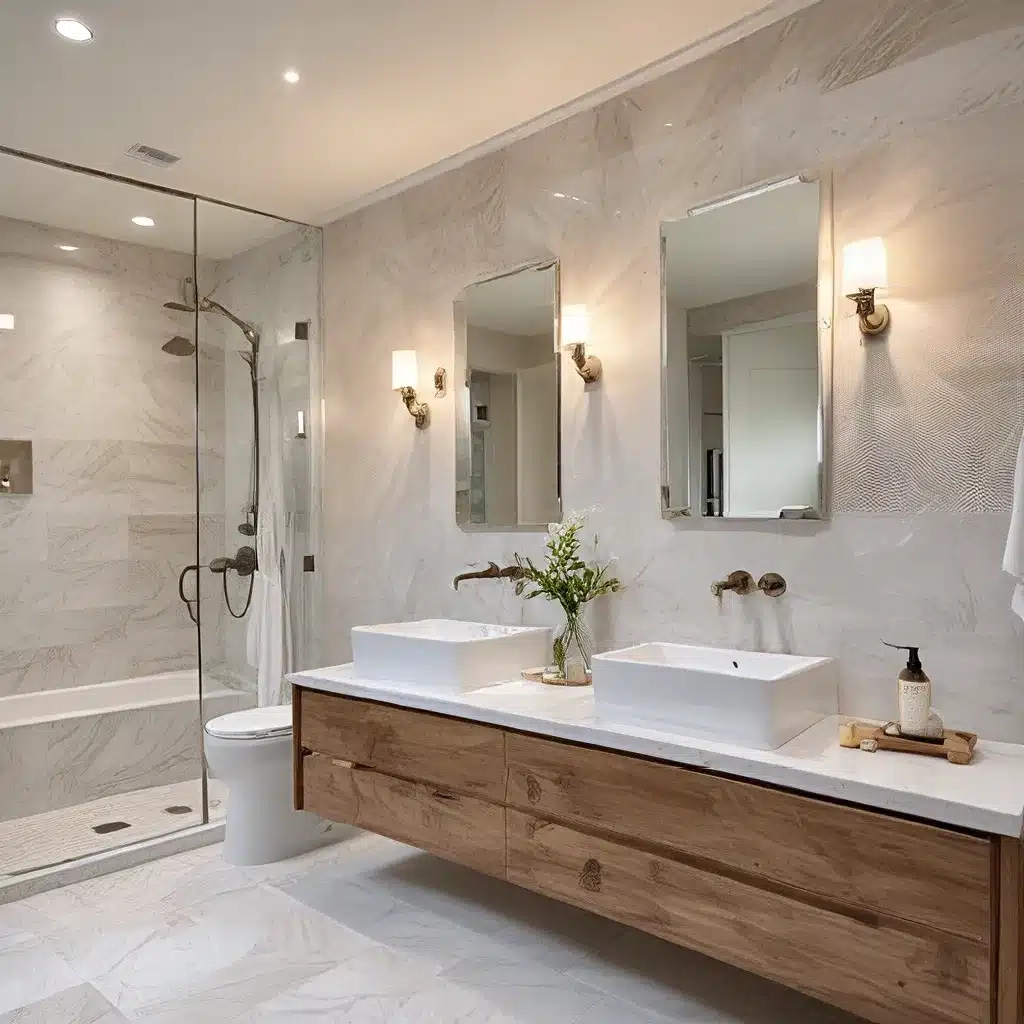
Let’s start with the foundation. Literally. Stone is the anchor of any serious spa design. Whether it’s marble, slate, granite, or travertine, stone brings a weightiness that plastic or ceramic tiles just can’t match. It’s not just about looks, though the veining in a slab of Carrara marble is undeniably gorgeous. It’s about thermal mass. Stone holds temperature. Imagine stepping out of a hot shower onto a heated limestone floor. The heat seeps into your soles, traveling up your legs, melting tension before you even reach for a towel. That’s physics working in your favor.
But it’s also about texture. Smooth, polished stone feels luxurious underfoot, while honed or tumbled stone offers grip and a tactile richness that invites touch. In 2026, designers are moving away from perfectly uniform tiles. They’re embracing the irregularities. The pits in the travertine. The slight color variations in slate. These imperfections remind us that the material is real. It was pulled from the earth. It has a history. When you run your hand along a rough granite wall in your shower, you’re connecting with millions of years of geology. It puts your daily stresses into perspective. Pretty powerful for a Tuesday morning shower, right?
Durability plays a huge role too. A home spa gets used. Hard. Water, steam, oils, heat. Synthetic materials often crack, yellow, or peel under this stress. Natural stone? It just gets better. It develops a patina. It tells the story of your life in that space. Sure, it needs sealing. It needs care. But that ritual of maintenance is part of the mindfulness practice. Caring for your space becomes a form of self-care. You aren’t just cleaning; you’re honoring the material. And that intention changes everything.
Warmth and Breathability of Wood
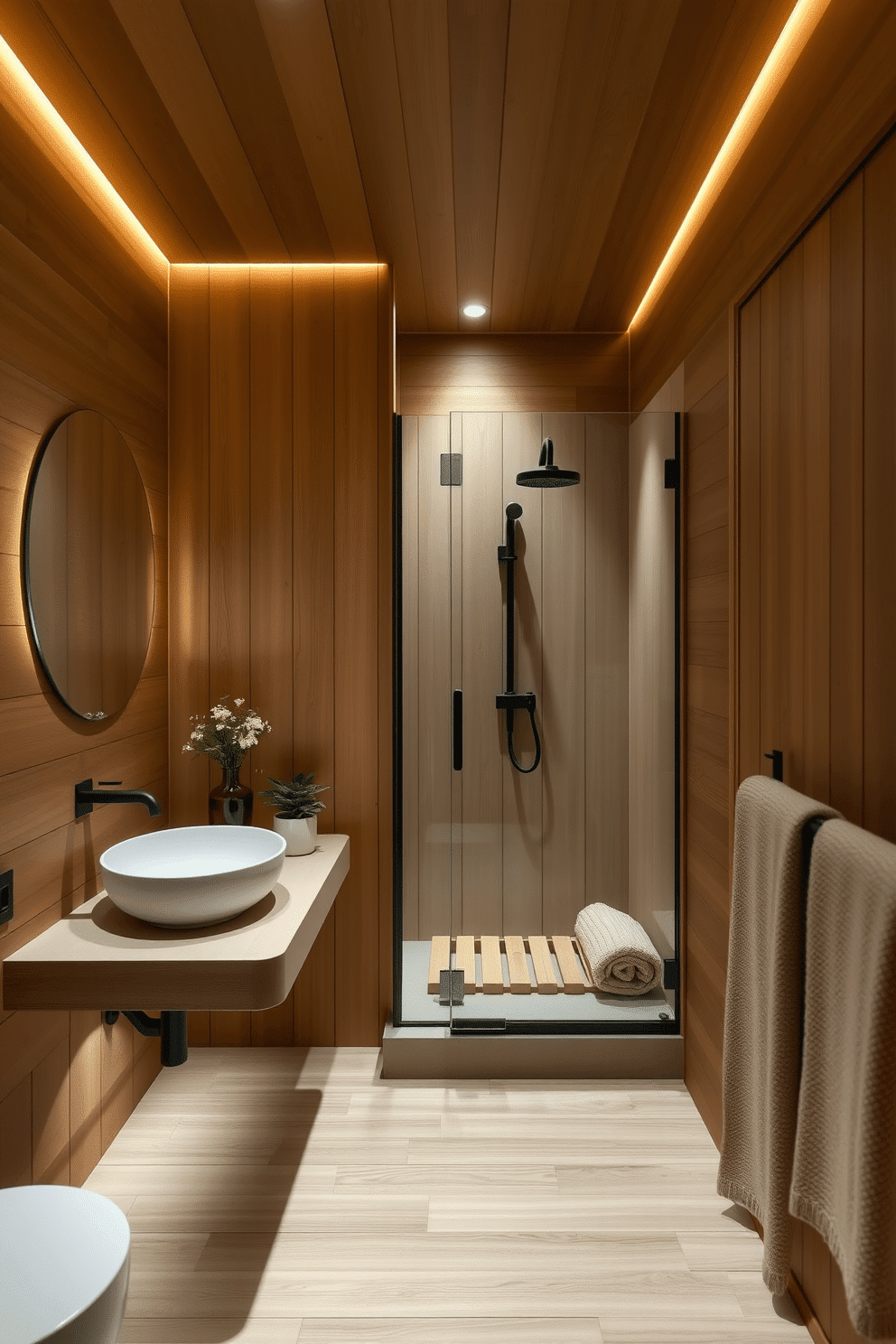
If stone is the anchor, wood is the hug. It brings warmth. Softness. Life. Walking into a room lined with cold tile can feel clinical. Add cedar planks to the ceiling or teak benches to the shower, and suddenly, the space feels inhabited. Welcoming. Wood has a unique ability to regulate humidity. In a steam room or sauna, this is critical. Cedar, in particular, releases natural oils when heated. Those oils aren’t just nice smelling (though that woody, clean scent is incredible). They have antimicrobial properties. They help keep the air fresh. They protect the wood itself from rot. It’s functional beauty at its finest.
Visually, wood breaks up the hardness of stone and glass. It adds grain. Pattern. Movement. The eye rests on it. In minimalist designs, which are still huge in 2026, wood prevents the space from feeling sterile. It adds soul. Think about a simple oak vanity top. It’s not perfect. It might have a knot. A slight warp. But those features make it unique. They make it human. We are drawn to organic shapes and textures because our brains recognize them as safe. As familiar. A smooth, white laminate counter triggers nothing. A live-edge walnut slab triggers a sense of comfort. Of home.
There’s also the sustainability angle. People are smarter now. They know where their materials come from. Reclaimed wood is massive. Using beams from an old barn or flooring from a demolished factory gives your spa a layer of history. It’s eco-friendly, sure. But it’s also emotionally resonant. You’re giving new life to something old. That narrative adds depth to your space. It’s not just a bench. It’s a piece of someone else’s past, now part of your present relaxation. That connection matters. It makes the space feel richer. More meaningful.
The Tactile Comfort of Clay and Earth Plasters
We often forget about the walls. We paint them white and move on. But in a spa, the walls are everywhere. They surround you. So, what they’re made of impacts how you feel. Enter clay plasters and earth finishes. These aren’t your standard drywall-and-paint jobs. Clay plaster is breathable. It absorbs excess moisture from the air when you’re steaming and releases it when the air is dry. It helps regulate the microclimate of the room naturally. No fancy dehumidifiers needed. Just smart, ancient technology.
The texture is sublime. Clay plaster has a softness to it. It’s matte. Velvety. It diffuses light beautifully, creating a glow that feels gentle on the eyes. Harsh overhead lighting bounces off glossy paint, creating glare. Off clay, it softens. Shadows become softer. The whole room feels quieter. Visually and acoustically. And the colors! Earth plasters come in these muted, complex tones. Terracotta. Ochre. Slate grey. Sage. They’re not flat. They shift with the light. Morning sun hits them differently than evening lamplight. The room feels alive. Changing. Responsive.
Plus, clay is non-toxic. Zero VOCs. No chemical off-gassing. When you’re in a hot, steamy room, your pores open. Your breathing deepens. You don’t want to be inhaling synthetic fumes. You want pure air. Clay contributes to that purity. It’s hypoallergenic. It resists mold naturally because it doesn’t trap moisture like conventional paint does. For anyone with sensitivities or allergies, this is a game-changer. It’s health-focused design. It shows you care about what your body absorbs, not just what your eyes see. And honestly, isn’t that what wellness is really about?
Engaging the Senses with Organic Textiles
A spa isn’t just hard surfaces. You need softness. You need things to wrap around you. This is where organic textiles come in. Linen. Cotton. Wool. Bamboo. These fabrics bring a layer of comfort that synthetic blends can’t touch. Think about the difference between a polyester robe and one made from heavy-weight linen. The linen breathes. It feels substantial. It drapes differently. It smells like… well, nothing artificial. It smells clean. Natural. When you step out of a bath, wrapping yourself in a textured cotton towel feels like an embrace. It’s a sensory cue that says, "Relax. You’re done. You’re safe."
In 2026, the focus is on raw, unbleached fibers. You see the slubs in the linen. The slight irregularities in the weave. These details matter. They engage the sense of touch. Running your fingers over a nubby wool throw or a smooth bamboo mat adds another layer to the experience. It’s multisensory design. We often focus on sight, but touch is crucial for relaxation. Soft textures lower cortisol levels. They signal safety to the brain. A pile of plush, organic cotton towels isn’t just practical. It’s therapeutic.
And let’s talk about durability again. Natural fibers last. They can be washed. They age gracefully. A linen curtain might wrinkle, but that’s part of its charm. It looks effortless. Intentional. Synthetic fabrics often pill or fade weirdly. They look tired after a year. Natural textiles look loved. They fit the aesthetic of wabi-sabi—finding beauty in imperfection and transience. Embracing the crease in the linen sheet or the fade in the cotton rug reminds us to let go of perfectionism. To just be. And that mindset is the whole point of having a home spa, isn’t it?
Biophilic Design: Bringing the Outside In
It’s not enough to just use natural materials. You have to integrate them in a way that mimics nature. This is biophilic design. It’s about more than putting a potted plant in the corner (though plants are great). It’s about creating flows. Patterns. Connections. Think about how light filters through leaves. You can replicate that with wooden slats on a window, casting dappled shadows on a stone floor. Or how water moves over rocks. A small indoor fountain with river stones creates that sound. That visual rhythm. It tricks the brain into thinking it’s outdoors.
Research backs this up. Studies continue to show that exposure to natural elements reduces blood pressure. Lowers heart rate. Improves mood. In a home spa, you’re trying to achieve exactly those physiological changes. So, why fight it? Work with it. Use large windows if you can. Let the sky be part of your ceiling. If privacy is an issue, use frosted glass or translucent stone panels that let light through but blur the view. The goal is to dissolve the barrier between inside and outside. To make the room feel like an extension of the garden. Or the forest. Or the beach.
Even small touches count. A bowl of smooth pebbles. A branch of dried eucalyptus hanging in the shower. A mat made of woven seagrass. These elements create a cohesive narrative. They tell your subconscious that you are in a natural environment. And your body responds. It lets go. It breathes deeper. It slows down. You don’t need a massive budget to do this. You just need intention. Choose materials that reflect the landscape you love. If you live near the ocean, use shells and sand-colored stone. If you’re in the mountains, use dark wood and slate. Make it personal. Make it local. That connection to your specific place grounds you even further.
Here’s the truth: a home spa shouldn’t cost the earth to build or maintain. That’s why natural materials are winning. They are sustainable. They are renewable (in the case of wood and bamboo). They are recyclable. Stone lasts forever. Wood can be repurposed. Clay can return to the earth. In 2026, consumers are demanding this. They don’t want to renovate every five years. They want to build once. Build well. Natural materials offer that longevity. They are an investment in the future. Not just of your home, but of the planet.
This aligns with the broader wellness movement. True wellness isn’t just about how you feel today. It’s about living in a way that supports long-term health. For you and for the environment. Using low-impact materials reduces your carbon footprint. It supports local artisans and quarries. It keeps toxic chemicals out of your home. It’s a holistic approach. You feel good because the space feels good. And you feel good knowing you made responsible choices. That peace of mind is part of the relaxation. It removes the guilt. The worry. It lets you fully immerse in the moment.
Maintenance is simpler too. Often, natural materials require less harsh cleaning agents. A little soap and water. Maybe some vinegar. You aren’t scrubbing with bleach to keep plastic looking new. You’re gently caring for stone and wood. This routine becomes meditative. It’s another chance to slow down. To connect with your space. To appreciate the materials. It’s a cycle of care. You care for the space, and the space cares for you. It supports your well-being. Day after day. Year after year. That’s the real value. Not the initial wow factor. But the lasting, quiet support it provides.
So, where does this leave us? With a clear path forward. If you’re dreaming of a home spa, look to nature. Not to magazines. Not to trends. But to the earth itself. Choose stone for its grounding weight. Wood for its warm embrace. Clay for its breathable softness. Textiles for their tactile comfort. And weave them together with biophilic principles. Create a space that breathes. That ages. That lives.
It won’t be perfect. And that’s the point. The knots in the wood. The veins in the stone. The wrinkles in the linen. They are reminders that life is messy. Beautiful. Imperfect. Your spa should reflect that. It should be a place where you can drop the mask. Where you can just be. Human. Connected. Rested.
Start small if you need to. Swap out a plastic mat for a wooden one. Add a stone tray. Hang a linen curtain. Feel the difference. Notice how your body responds. Then build from there. Let the materials guide you. They know what they’re doing. They’ve been here a lot longer than we have. Trust them. And trust yourself to create a space that truly heals. Because you deserve it. We all do.