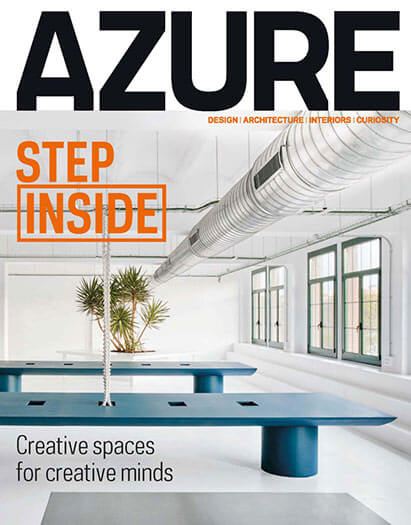
It’s funny how we consume design news these days. One minute you’re scrolling through a sleek, minimalist feed on your phone, and the next, you’re flipping through a heavy, glossy magazine that smells like ink and possibility. In 2026, the line between digital immediacy and tactile luxury has blurred, but the need for curated, trustworthy voices has never been stronger. We are drowning in images, yet starving for context. That is where these publications step in. They don’t just show us pretty rooms or striking buildings; they tell us why they matter.
If you have been feeling a bit overwhelmed by the sheer volume of "trends" popping up every other week, you are not alone. The design world moves fast. Really fast. But amidst the noise, a few key players have managed to stay ahead of the curve, offering insights that actually stick. From the rapid-fire updates of online hubs to the deep-dive essays in established periodicals, knowing where to look can save you hours of aimless browsing. This guide breaks down the most influential reads of the year, helping you find the sources that resonate with your own aesthetic and intellectual curiosity.
The Digital Juggernaut: Why Dezeen Still Rules
Let’s start with the elephant in the room. Or rather, the website on everyone’s bookmark bar. Dezeen has cemented its status as the world’s most influential architecture, interiors, and design magazine, boasting over three million monthly readers and more than seven million social media followers. It is massive. But it isn’t just about the numbers. It is about the speed and the breadth. When something happens in the design world, it is on Dezeen first. Period.
What makes it so compelling in 2026 is its ability to balance breaking news with thoughtful commentary. Recent features have asked industry experts to pinpoint the trends we should actually care about, moving beyond surface-level aesthetics to discuss sustainability, material innovation, and social impact. It is a global lens. You might read about a bamboo structure in Vietnam in the morning and a brutalist renovation in Berlin by lunch. This diversity keeps the perspective fresh and challenges the Western-centric view that often dominates design media.
For the everyday enthusiast, Dezeen is a treasure trove. It is accessible without being dumbed down. The articles are concise, the images are high-quality, and the navigation is intuitive. If you only have time to check one source a day, this is probably it. It acts as a filter for the rest of the internet, highlighting what is truly noteworthy amidst the clutter. Plus, their community engagement is top-tier, with polls and comments that often spark genuine debate among professionals and amateurs alike.
The Legacy Giants: AD and Vogue Living
While digital platforms rule the daily cycle, there is still a profound respect for the legacy brands. Architectural Digest (AD) and Vogue Living continue to hold immense sway, particularly when it comes to interior design and celebrity culture. These aren’t just magazines; they are institutions. In 2026, they have adapted beautifully, blending their historic prestige with modern digital storytelling. AD, for instance, has leaned into the "homespun, lived-in" aesthetic that Vogue recently highlighted as a key trend for the year.
The shift here is noticeable. Gone are the days of perfectly staged, untouchable mansions. Today’s AD features feel more human. They showcase spaces that breathe and move with their inhabitants. This aligns with the broader cultural shift towards authenticity. People want to see homes that look like they are actually lived in, with books stacked on tables and wrinkles in the linen. Vogue’s recent coverage of the "11 Key Interior Design Trends" emphasizes this move away from sterile perfection toward bold color and big statements. Neutrals are quietly exiting stage left, making way for maximalism and personality.
These publications excel at narrative. They don’t just show you a chair; they tell you the story of the designer, the history of the fabric, and why it fits into the current cultural moment. For readers who love the drama and the romance of design, these are the go-to sources. They provide a sense of aspiration that is still attainable, or at least understandable. It is less about copying the look and more about understanding the feeling behind it.
Emerging Voices: Blogs Challenging Conventions
Not all influence comes from the big names. In 2026, a new wave of architecture blogs is gaining traction by challenging conventions and reimaging space through a global, contextual lens. Sites like ArchiVinci have made lists of the top architecture blogs to watch, highlighting how these smaller platforms offer niche perspectives that larger magazines often miss. They are agile, opinionated, and deeply specialized.
These blogs often focus on specific regions or types of design that get overlooked. You might find a blog dedicated entirely to adaptive reuse in post-industrial cities, or another that explores indigenous building techniques in South America. This specificity is their strength. They allow readers to dive deep into subjects that matter to them personally. It is a move away from the generalist approach toward a more curated, community-driven model of information sharing.
For practitioners and students, these blogs are invaluable resources. They offer technical insights, case studies, and critical essays that provoke thought. They are not afraid to be controversial or to critique the status quo. In a year where sustainability and ethical design are paramount, these voices are crucial. They hold the industry accountable and push for innovation in ways that mainstream media sometimes hesitates to do. Checking out a few of these can broaden your horizon significantly.
The Trend Forecasters: House Beautiful and Decorilla
If you are looking for actionable advice on how to update your own space, the trend forecasters are your best bet. Publications like House Beautiful and Decorilla have shifted from merely reporting trends to interpreting them for the everyday homeowner. In 2026, the message is clear: abandon safe and dated choices. The top interior design trends identified by designers this year all point toward boldness. We are talking about vibrant colors, mixed patterns, and statement pieces that demand attention.
House Beautiful’s recent analysis highlights how maximalism is back with a vengeance. But it is not the chaotic maximalism of the past. It is curated, intentional, and deeply personal. Decorilla echoes this sentiment, endorsing spaces that "live, breathe, and move with you." This is a crucial distinction. Design is no longer about creating a showroom; it is about creating a sanctuary that reflects your identity. These platforms provide practical tips on how to achieve this look without breaking the bank.
They also excel at breaking down complex ideas into digestible parts. Want to know how to mix metals? They have a guide for that. Curious about the return of wallpaper? They have interviewed five designers on the topic. This utility makes them indispensable for anyone undertaking a renovation or simply looking to refresh their living room. They bridge the gap between high-concept design and real-life application, making high-end aesthetics accessible to a wider audience.
The Curated Collections: Refind and Community Picks
In an age of information overload, curation is king. Platforms like Refind have gained popularity by aggregating the best content from across the web, allowing communities to vote on what matters. The "Best of Dezeen in 2026" list on Refind, for example, highlights the 20+ most popular articles as voted by users. This democratic approach ensures that the most resonant stories rise to the top, regardless of editorial bias.
This method of consumption is growing. Readers are tired of having things forced upon them. They want to know what their peers are reading, discussing, and inspired by. Community-voted lists provide a snapshot of the collective consciousness of the design world. They reveal what is truly capturing people’s imagination, whether it is a groundbreaking sustainable material or a controversial architectural project.
For the casual reader, these curated collections are a great starting point. They save time and ensure quality. Instead of sifting through hundreds of articles, you can jump straight to the ones that have already been vetted by thousands of others. It is a smart way to stay informed without getting bogged down. Plus, it often surfaces hidden gems that you might have missed otherwise. Trusting the crowd, in this case, is a reliable strategy.
Finally, do not overlook the supplementary sources that cater specifically to professionals and tech-savvy enthusiasts. Blogs like Enscape (by Chaos) offer lists of top architecture magazines for inspiration and tips, often focusing on the intersection of design and technology. In 2026, the role of software in design cannot be overstated. Understanding how tools like Enscape are changing the way architects visualize and communicate their ideas is essential for staying current.
These sources provide a different kind of value. They are less about aesthetic trends and more about process and technique. They offer tutorials, software updates, and interviews with tech leaders in the design space. For architects and designers, this is critical reading. It helps them stay competitive and efficient. But even for non-professionals, understanding the tools behind the designs can deepen your appreciation for the craft.
Exploring these supplementary sources can give you a edge. They often highlight emerging technologies or methods before they hit the mainstream press. By keeping an eye on these industry-specific reads, you can spot the next big thing before it becomes ubiquitous. It is about looking under the hood, so to speak, to understand how the machine works. This depth of knowledge sets you apart from the casual observer.
So, where does this leave us? The landscape of design media in 2026 is rich and varied. There is no single "best" source because everyone’s needs are different. Some of us crave the speed and breadth of Dezeen. Others prefer the narrative depth of AD. Many find value in the niche insights of emerging blogs or the practical advice of trend forecasters. The key is to diversify your intake. Do not rely on just one voice.
By mixing these sources, you create a well-rounded perspective. You get the news, the context, the critique, and the practical application. You see the global picture and the local details. And perhaps most importantly, you connect with a community of people who care about the spaces we inhabit. Design is not just about objects; it is about life. These publications help us navigate that relationship with clarity and inspiration.
Take some time this weekend to explore a few of these reads. Bookmark a new blog. Subscribe to a newsletter. Flip through a digital issue. You might just find the spark you need to rethink your own space, or at least appreciate the world around you a little more. After all, good design is everywhere. You just need to know where to look.