You know that feeling when you’re three hours into a Zoom call and your lower back starts screaming? Or when your neck feels like it’s been twisted into a pretzel because your laptop screen is way too low? Yeah. We’ve all been there. Remote work isn’t going anywhere. In fact, by 2026, it’s become the default for millions of us. But here’s the thing: most of us are still working from kitchen tables, worn-out couch cushions, or desks we bought ten years ago that wobble if you look at them wrong.
It doesn’t have to be this way. You don’t need to drop two grand on a Herman Miller chair tomorrow. You don’t need to max out a credit card for a standing desk. There’s a middle ground that’s gaining serious traction right now. It’s called leasing. And no, it’s not just for big corporations with fancy downtown offices anymore. Regular folks, freelancers, and small business owners are figuring out that renting their gear might actually be smarter than buying it. Let’s talk about why that is, and how you can do it without getting ripped off.
Why Buying Isn’t Always the Best Move Anymore
Remember when buying stuff felt like the only option? You’d go to the store, pick out a desk, haul it home, assemble it (badly), and hope it lasted. If it broke, you threw it out. If you moved, you dragged it along or left it for the next tenant. It was simple, sure. But it was also expensive and wasteful. In 2026, the mindset has shifted. We’re more aware of our carbon footprint. We’re also more aware of our bank accounts. Buying high-quality ergonomic furniture is pricey. A good chair alone can cost $800 to $1,500. A solid electric standing desk? Another $600 to $1,000. That’s a huge upfront hit.
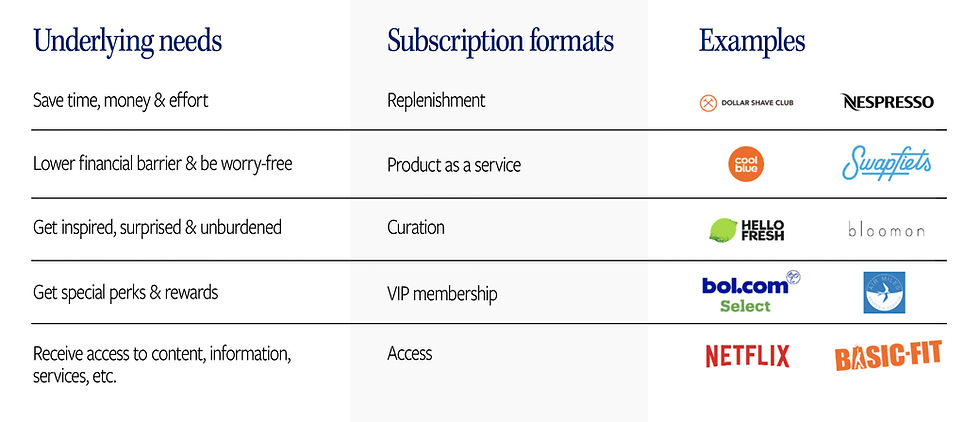
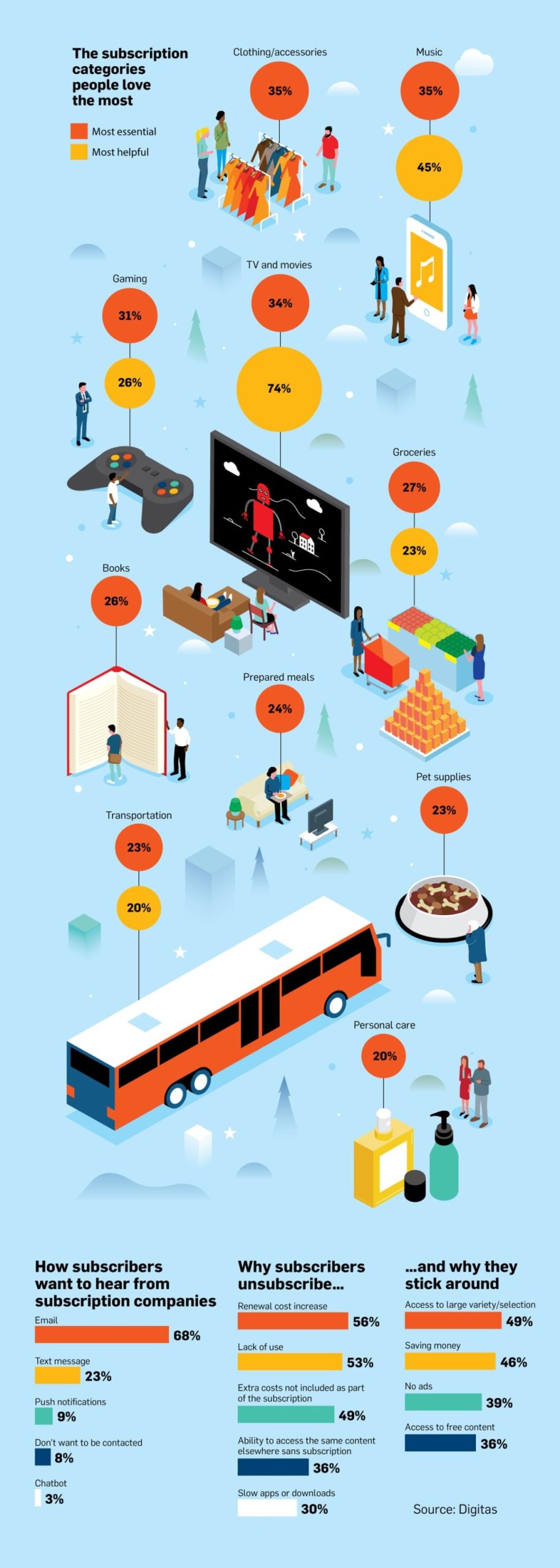
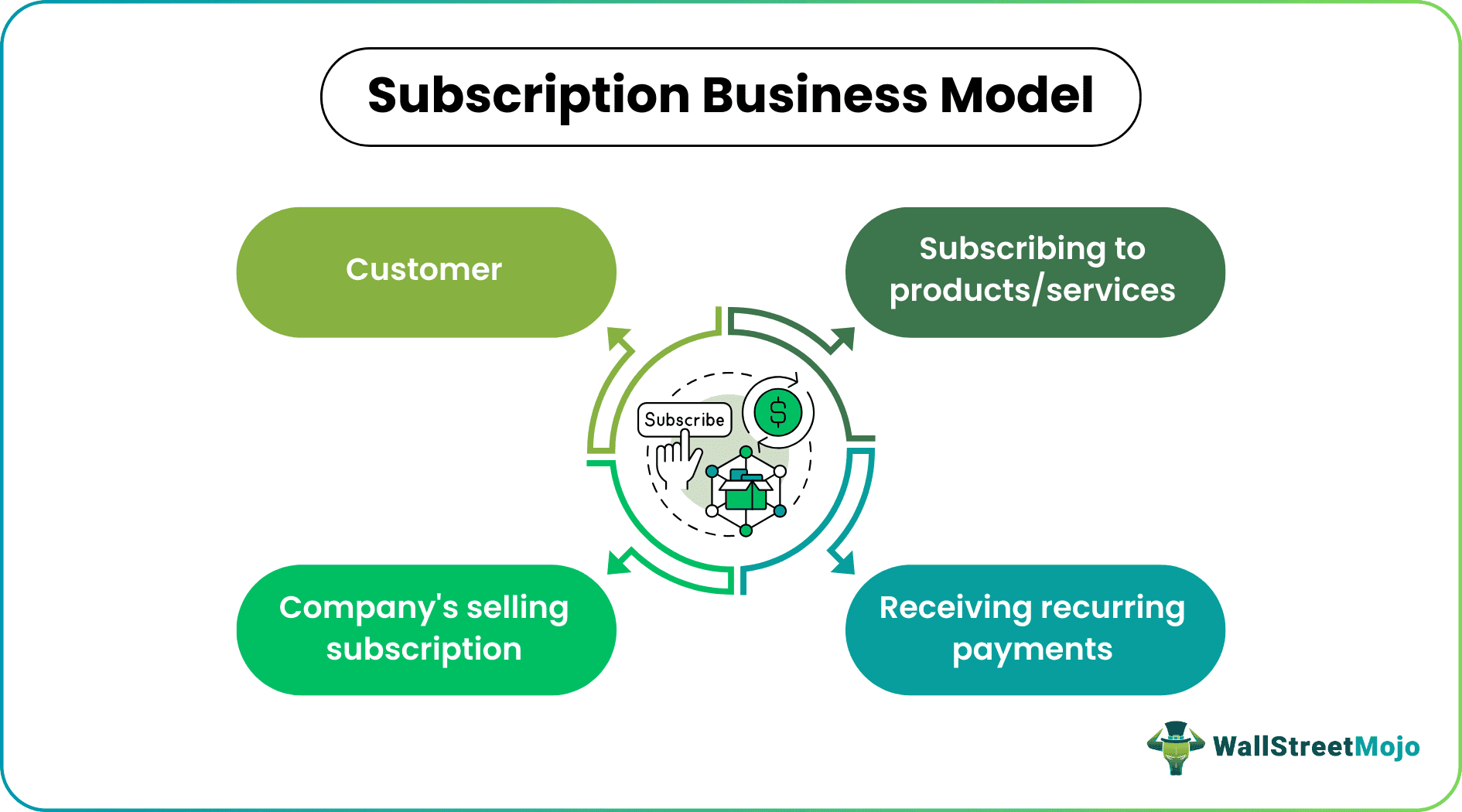
Leasing flips this script. Instead of paying everything at once, you pay a small monthly fee. Think of it like streaming services for your physical workspace. You get access to top-tier gear without the massive initial cost. This is huge for freelancers whose income might fluctuate. One month you’re booming, the next you’re slow. With leasing, your overhead stays predictable. Plus, if you hate the chair after two weeks? Most leasing companies let you swap it out. Try doing that with a purchase. You’d be stuck with buyer’s remorse and a heavy box you can’t return.
There’s also the tech angle. Furniture isn’t just wood and metal anymore. Modern desks have built-in wireless charging, USB hubs, and memory settings for height adjustments. Chairs have sensors that track your posture. These things become outdated fast, just like phones. If you buy a "smart" desk today, it’ll feel ancient in three years. If you lease it, you can upgrade to the newer model when your contract is up. You stay current without constantly shelling out cash. It’s flexibility, plain and simple. And in a world that changes as fast as ours does, flexibility is worth its weight in gold.
What Exactly Can You Lease? (It’s Not Just Desks)
When people hear "office leasing," they usually picture cubicles and beige filing cabinets. Boring. The home office leasing market in 2026 is way more interesting. Sure, you can lease desks and chairs. That’s the bread and butter. But you can also lease lighting systems that mimic natural sunlight to keep your circadian rhythm in check. You can lease acoustic panels to dampen the echo in your spare bedroom so your clients don’t hear your dog barking in the background. You can even lease entire "work pods" – small, soundproof structures that sit in your backyard or garage.
Let’s break down the essentials. First, the chair. This is non-negotiable. You need something that supports your spine. Leasing companies offer brands like Steelcase, Haworth, and Humanscale. You can try different models until you find the one that fits your body. Second, the desk. Standing desks are the norm now. Leasing lets you get an electric dual-motor desk that rises smoothly and quietly. No more cranking a handle like it’s 1995. Third, accessories. Monitor arms, keyboard trays, footrests, and cable management kits. These little things make a big difference in comfort, but buying them individually adds up. Leasing bundles often include them for free or a tiny extra fee.
Don’t sleep on the tech-integrated stuff either. Some providers offer desks with built-in air purifiers or heaters. Others offer chairs with haptic feedback that vibrates gently to remind you to sit up straight. It sounds sci-fi, but it’s real, and it’s available to rent. For creative professionals, there are even leasing options for specialized equipment like drafting tables or green screens. The point is, you’re not limited to basic furniture. You can curate a workspace that fits your specific job and body. And if your needs change – maybe you switch from writing code to painting digital art – you can adjust your lease accordingly. It’s customization without the commitment.
The Money Talk: Costs, Contracts, and Hidden Fees
Okay, let’s get real about the cash. How much does this actually cost? In 2026, prices vary wildly depending on the provider and the quality of the gear. A basic desk and chair bundle might run you $50 to $80 a month. A premium setup with a high-end ergonomic chair, a smart standing desk, and accessories could be $150 to $250 a month. Compare that to buying. A $2,000 setup paid over 24 months is roughly $83 a month, but you own it. So why lease? Because of maintenance, upgrades, and taxes.
When you lease, the company usually handles repairs. If the motor in your desk dies, they fix it or replace it. No hunting for warranty numbers or paying for service calls. That peace of mind has value. Also, for business owners, lease payments are often fully tax-deductible as a business expense. Buying furniture means dealing with depreciation schedules, which is a headache. Leasing is clean. You pay, you deduct, you move on. But watch out for the contract length. Most leases are 12, 24, or 36 months. Shorter terms mean higher monthly payments. Longer terms lock you in but cost less per month.
Read the fine print. Seriously. Look for early termination fees. Life happens. You might move to a smaller apartment, or you might decide to go back to the office full-time. If your lease has a hefty penalty for breaking it early, you’re trapped. Some companies offer "flex-leases" that let you pause or cancel with 30 days’ notice, but these cost a bit more. Also, check for delivery and setup fees. Some providers include white-glove service (they bring it in, assemble it, and take away the packaging). Others drop a box at your door and leave. Know what you’re paying for. And always ask about the end-of-lease options. Can you buy the furniture at a discounted rate? Can you upgrade? Can you just send it back? Knowing your exit strategy is just as important as knowing your entry cost.
How to Pick the Right Leasing Partner
Not all leasing companies are created equal. Some are slick startups with great apps but terrible customer service. Others are old-school furniture rental giants that are reliable but clunky. In 2026, the market is crowded. So how do you choose? Start with reviews. Not just the star rating, but the actual comments. Look for patterns. Do people complain about damaged items? Do they mention slow responses from support? Do customers say the pickup process was a nightmare? These are red flags. You want a partner that respects your time and your space.
Next, look at their inventory. Do they have the brands you want? Do they offer the styles that match your home aesthetic? If you care about design, this matters. You don’t want a neon orange chair in your minimalist living room. Some companies focus on sustainability, offering refurbished or eco-friendly materials. If that aligns with your values, go for it. Others focus on speed, promising delivery in 48 hours. If you need a setup ASAP, that’s your pick. Also, check their tech platform. Can you manage your lease online? Can you swap items with a few clicks? A good app makes life easier. A bad one makes you want to pull your hair out.
Don’t be afraid to negotiate. Especially if you’re leasing multiple items or signing a longer contract. Many companies have wiggle room on price or fees. Ask if they can waive the delivery fee. Ask if they can throw in a monitor arm for free. The worst they can say is no. And consider local providers. Sometimes, smaller regional companies offer better service and prices than the national chains. They might be more willing to work with you on custom terms. Do your homework. Call three or four companies. Compare their quotes. Ask questions. Trust your gut. If a salesperson feels pushy or vague, walk away. There are plenty of other options.
Setting Up Your Leased Space for Success
So you’ve signed the lease. The truck arrives. The boxes are everywhere. Now what? Don’t just unpack and plop things down. Take a moment to plan. Measure your space. Make sure the desk fits where you want it. Check the power outlets. You don’t want to discover your cord is too short after everything is assembled. If the company offers assembly, let them do it. Watch how they set it up. Ask questions. Learn how to adjust the chair. Learn how to program the desk heights. This knowledge is power. It ensures you get the most out of your gear.
Ergonomics is key. Just having a fancy chair doesn’t mean you’re sitting right. Adjust the seat height so your feet are flat on the floor. Adjust the lumbar support to hit the curve of your lower back. Position your monitor so the top of the screen is at eye level. This prevents neck strain. Use the standing desk feature. Alternate between sitting and standing every hour. Don’t stand all day – that’s bad too. Movement is the goal. Set reminders on your phone or use the app that comes with your smart desk. Create a routine. Your body will thank you.
Also, think about the vibe. Lighting matters. If your leased package includes a lamp, position it to reduce glare on your screen. If not, consider adding a small, affordable LED light. Plants help too. They clean the air and make the space feel less sterile. Even a small succulent on the desk can boost your mood. Keep cables tidy. Use the clips and sleeves provided. A messy desk leads to a messy mind. And finally, personalize it. Add a photo, a piece of art, or a cozy rug. This is your workspace, but it’s also your home. Make it feel like yours. The furniture is rented, but the comfort should be real.
The clock is ticking. Your 24-month lease is almost up. What now? You have three main choices. One, return everything. The company picks it up, and you’re done. This is great if you’re moving, changing jobs, or just want a fresh start. Make sure you clean the items. Most contracts require you to return them in good condition, minus normal wear and tear. Take photos before they pick it up. This protects you if they claim there’s damage later. Two, renew the lease. If you love the setup and the price is still good, just keep going. Sometimes they offer loyalty discounts for renewals. Ask about it.
Three, buy out the lease. Many companies give you the option to purchase the furniture at the end of the term for a residual value. This is often a sweet deal. You’ve already paid for most of the item’s life through your monthly payments. The buyout price might be 10-20% of the original retail cost. If you plan to stay in your home for a long time, this can be a smart way to eventually own high-quality gear for less than retail. Do the math. Compare the buyout price plus what you’ve already paid to the cost of buying new. If it’s cheaper, go for it.
But don’t just auto-renew without thinking. Check the market. Have new, better products come out? Are competitors offering cheaper rates? Maybe it’s time to switch providers and upgrade your gear. Or maybe you’ve realized you don’t need a standing desk anymore. Use the end of the lease as a checkpoint. Reassess your needs. Your body might have changed. Your work might have changed. Your home might have changed. Leasing gives you the freedom to adapt. Don’t let inertia decide for you. Be intentional. Choose what works for you now, not what worked for you two years ago. That’s the whole point of this model. Flexibility. Freedom. And a back that doesn’t hurt.
Wrapping this up, leasing home office furniture isn’t a magic bullet. It’s not perfect for everyone. If you love owning things, if you plan to stay in one place for decades, buying might still be your jam. But for many of us in 2026, the flexibility, cost-effectiveness, and sustainability of leasing make it a no-brainer. It removes the barrier to entry for high-quality ergonomics. It lets you experiment without risk. It keeps your workspace modern and functional.
So, take a look at your current setup. Is it serving you? Or is it holding you back? If it’s the latter, maybe it’s time to try something different. Explore the leasing options. Ask questions. Find a partner that gets it. Your back, your neck, and your wallet will appreciate it. Remote work is here to stay. Might as well be comfortable while you do it.