You bought the property. You found the tenants. You fixed the leaky faucet at 11 PM on a Tuesday. It feels like work because, well, it is. But does the IRS agree? That’s the million-dollar question—or rather, the twenty-percent-of-your-income question. For years, landlords have been stuck in a gray area. Are we passive investors collecting checks, or are we running a bona fide business? The difference isn’t just semantic. It’s the difference between paying full price on your taxes and keeping a significant chunk of change thanks to the Section 199A Qualified Business Income (QBI) deduction.
Here’s the thing though. The IRS doesn’t just take your word for it. They have rules. Specific, somewhat tedious rules. And right in the center of that maze is the "250-Hour Rule." It sounds simple enough, right? Just work 250 hours. But if you’ve ever tried to log every minute spent screening tenants or arguing with a contractor, you know it’s not that easy. Many property owners assume they automatically qualify, only to get hit with a nasty surprise during an audit. Or worse, they leave money on the table because they didn’t realize how flexible the rules actually are.
Let’s clear the air. In 2026, the landscape for rental real estate taxation is clearer than it was a few years ago, but the traps are still there. This isn’t about gaming the system. It’s about understanding the safe harbor provisions so you can sleep soundly knowing your deduction is solid. We’re going to break down exactly what counts, how to track it without losing your mind, and why the recent changes to the "three-of-five" test might be the best news you’ve heard all year.
What Exactly Is the QBI Safe Harbor?
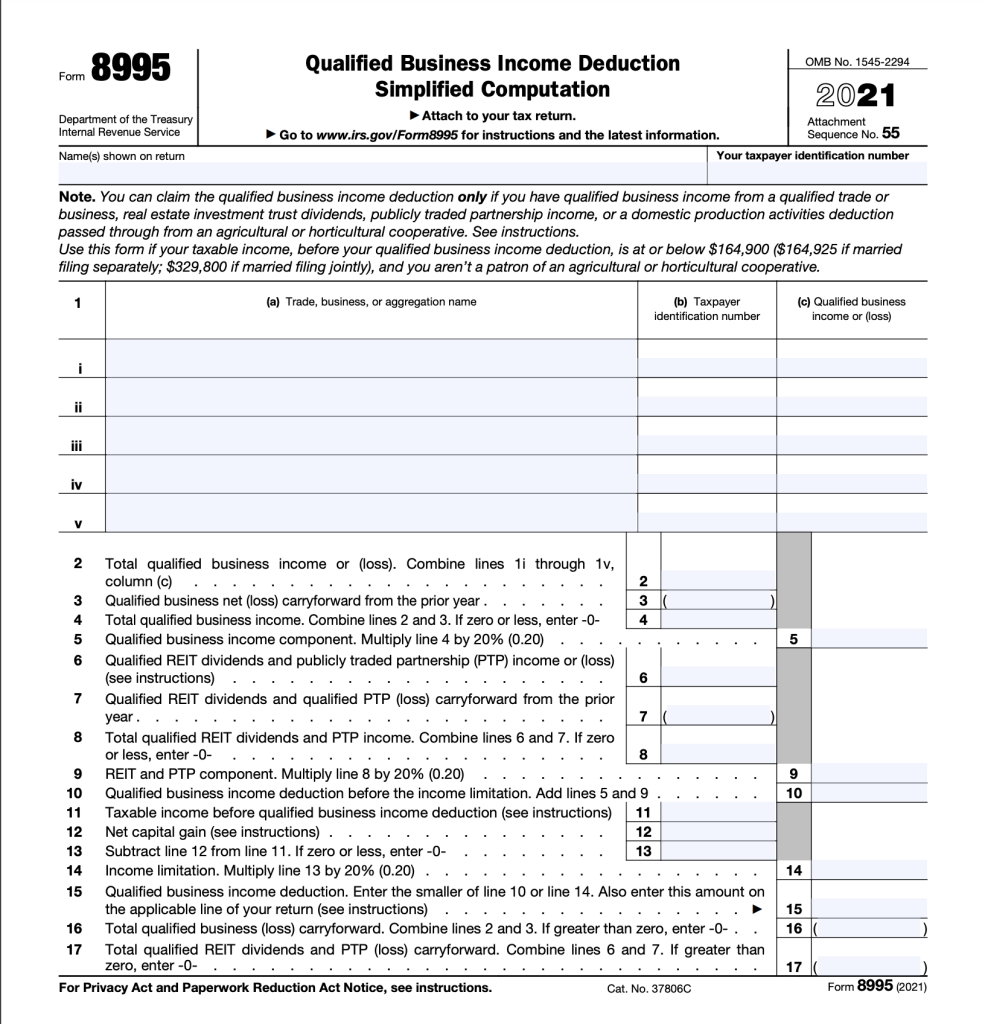
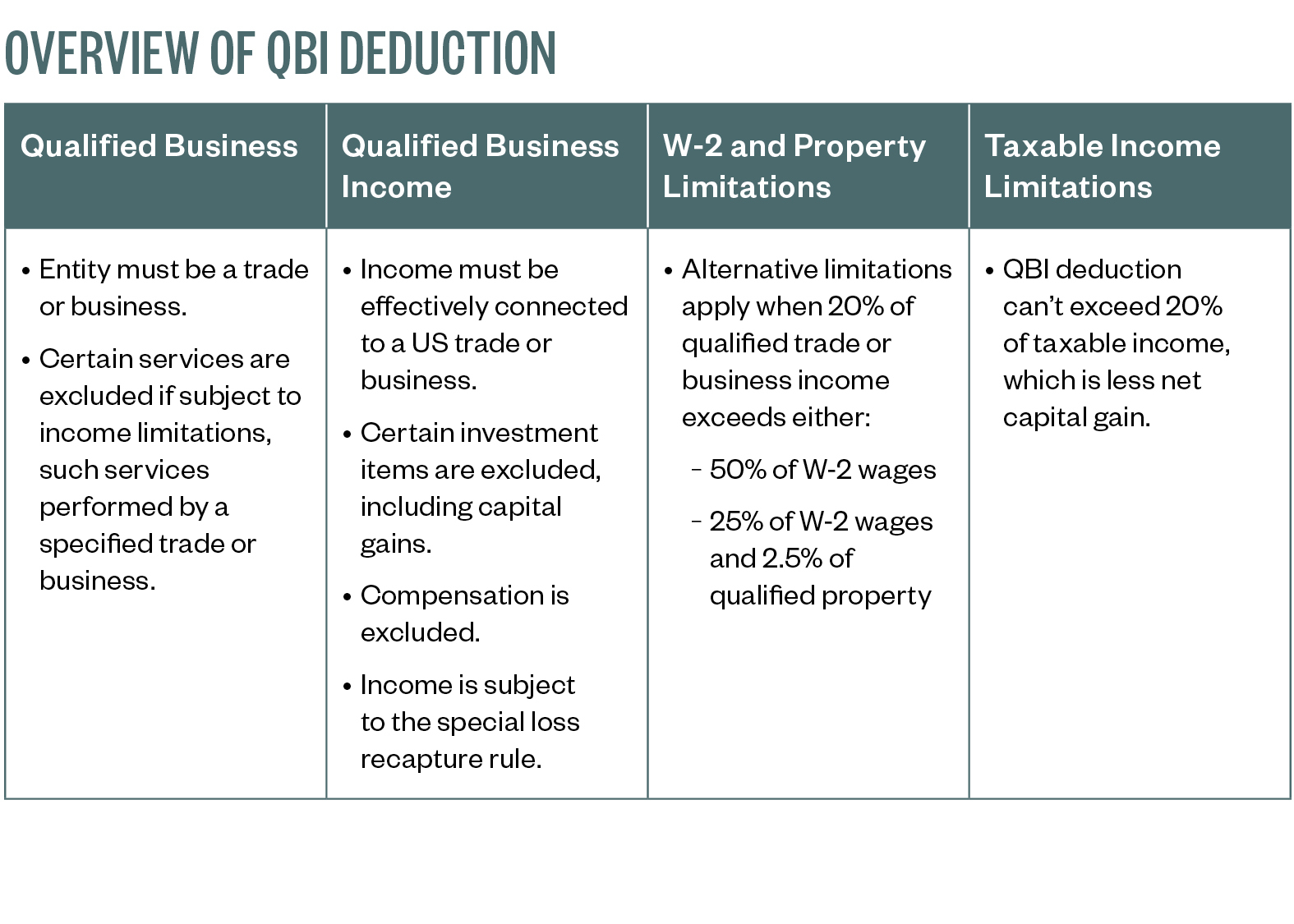
First, let’s talk about why this even matters. The Tax Cuts and Jobs Act introduced Section 199A, which allows pass-through business owners to deduct up to 20% of their qualified business income. Sounds great for small business owners, but what about landlords? Historically, rental activities were considered "passive," which usually disqualifies them from being treated as a trade or business. Without that "trade or business" status, no QBI deduction. Simple as that.
Enter Revenue Procedure 2019-38. This was the IRS’s way of creating a "safe harbor." Think of it as a pre-approved path. If you follow the steps outlined in this procedure, the IRS agrees to treat your rental real estate enterprise as a trade or business for QBI purposes. You don’t have to argue facts and circumstances. You don’t have to prove you’re working harder than the next guy. You just check the boxes. It provides certainty in an uncertain world. And in tax law, certainty is worth its weight in gold.
However, it’s not a free pass. The safe harbor has strict requirements. You can’t just slap a sign on your door and call it a day. You need to maintain separate books and records for each rental real estate enterprise. You must perform enough "rental services." And perhaps most importantly, you must attach a signed statement to your tax return declaring that you meet the requirements. Miss one of these, and the safe harbor slips away. You might still qualify under general tax laws, but now you’re in the danger zone of having to prove it if the IRS comes knocking.
The 250-Hour Rule Explained Simply
So, what are these "rental services" we keep talking about? The IRS defines them broadly, which is good news. We aren’t just talking about swinging a hammer. According to recent guidance and sources like Anders CPA and Taxstra, qualifying services include advertising for tenants, screening applicants, negotiating leases, collecting rent, and performing maintenance or repairs. Even managing the property counts. If you’re calling a plumber, that’s time spent. If you’re driving to the property to inspect damage, that’s time spent.
The magic number is 250 hours. But here is where people get tripped up. Does this mean 250 hours per property? No. And that is a huge relief. As noted by Claimyr, the 250-hour requirement applies to the total across all your rental properties within a single "rental real estate enterprise." You can group multiple properties together as one enterprise if they are owned by the same entity and managed together. So, if you have three duplexes, you don’t need 750 hours. You need 250 hours total for the group. This makes the goal much more attainable for the average landlord with a small portfolio.
It’s also important to note who can perform these hours. It doesn’t have to be just you. Hours performed by employees, independent contractors, or agents acting on your behalf count toward the total. Did your property manager spend 200 hours handling tenant issues? Great. Did you spend 60 hours doing repairs? Even better. You’ve crushed the 250-hour threshold. Just make sure you aren’t double-counting. If you and your manager are both at the property at the same time, you can’t both claim those hours fully if you’re doing the same task. Be reasonable. Be accurate.
The Game-Changing Three-of-Five Test
Here is the part that might make you breathe a sigh of relief. For tax years 2018 through 2022, the rule was strict: you needed 250 hours every single year. No exceptions. If you had a quiet year with long-term tenants who never called, you might have fallen short. But for 2023 and later—including our current year, 2026—the IRS updated the guidance. Intuit’s TurboTax community and other experts confirm that you now satisfy the requirement if you perform 250 or more hours of services in any three of five consecutive years ending with the current year.
This is known as the "three-of-five" test. It adds a layer of flexibility that acknowledges the reality of rental ownership. Some years are busy. You might have turnover, major renovations, or legal issues. Other years are quiet. Under the new rule, a quiet year doesn’t automatically disqualify you, provided you’ve put in the work in the surrounding years. For example, if you hit 300 hours in 2024, 280 hours in 2025, and only 100 hours in 2026, you still qualify for 2026 because you met the threshold in three of the last five years (assuming 2022 and 2023 were also strong, or looking at the specific window).
This change is critical for long-term planning. It means you don’t have to panic in December if you’re only at 150 hours. You can look back at the previous four years. If you have two other years in that window with over 250 hours, you’re golden. It encourages consistency rather than perfection. However, don’t get complacent. If you slack off for too many years in a row, you’ll fall out of compliance. It’s a rolling window, so you always need to keep an eye on the trailing five-year period.
What Counts (and What Doesn’t) Toward Your Hours
Let’s get specific. Not everything you do as a landlord counts toward the 250 hours. This is where the "contemporaneous records" requirement becomes your best friend. The IRS wants to see logs that were created at the time the service was performed, not a spreadsheet you whipped up in April while staring at a blank screen. So, what should you be logging?
Qualifying activities include:
- Advertising vacancies on Zillow or Craigslist.
- Showing the unit to prospective tenants.
- Screening applications and running credit checks.
- Drafting and signing lease agreements.
- Collecting rent (yes, even if it’s automatic, the management of it counts).
- Coordinating repairs and maintenance.
- Actually performing repairs yourself.
- Dealing with tenant complaints or emergencies.
On the flip side, there are things that definitely do not count. Travel time to and from the property is generally excluded unless you are actively working during that travel (which is hard to prove). Personal investments research, like looking at other properties to buy, doesn’t count. Financing activities, such as meeting with your mortgage broker to refinance, are typically considered investor activities, not rental services. Also, if you have a triple net lease (NNN), where the tenant pays all expenses and handles all maintenance, you likely won’t have enough qualifying services to meet the threshold anyway. The IRS explicitly excludes NNN leases from this safe harbor.
Another common pitfall is renting to related parties. If you rent your property to your own corporation or a business you own, special rules apply, and the safe harbor might not be available. Always check if your rental arrangement involves "related businesses" as defined by the IRS, because that can disqualify you entirely. It’s tricky, but ignoring it is risky.
Documentation: Your Shield Against Audits
You can work 500 hours a year, but if you can’t prove it, it didn’t happen. The IRS requires contemporaneous records. This means logs, reports, or similar documents that detail the hours, the description of the services, who performed them, and when they were performed. A simple notebook works. A digital app works better. There are plenty of time-tracking apps designed for freelancers that work perfectly for landlords. Just start the timer when you start working, stop it when you finish, and add a note like "Fixed leak in Unit B bathroom."
Why is this so important? Because audits happen. And when they do, the IRS agent isn’t going to take your word for it. They want to see the paper trail. Visaverge notes that maintaining these records is a key requirement reaffirmed for 2025 filings. If your records are messy, incomplete, or created retroactively, the agent can disallow the deduction. Then you owe the back taxes, plus interest, plus penalties. It’s a headache you don’t need.
Make it a habit. Set aside ten minutes each week to review your logs. Did you forget to log that phone call with the insurance company? Add it now while it’s fresh in your mind. Did your contractor send you an invoice that details the hours they worked on-site? Save that invoice. It serves as third-party verification. The more evidence you have, the stronger your position. Think of it as building a case for your own defense, just in case you ever need it.
Common Mistakes That Cost Landlords Money
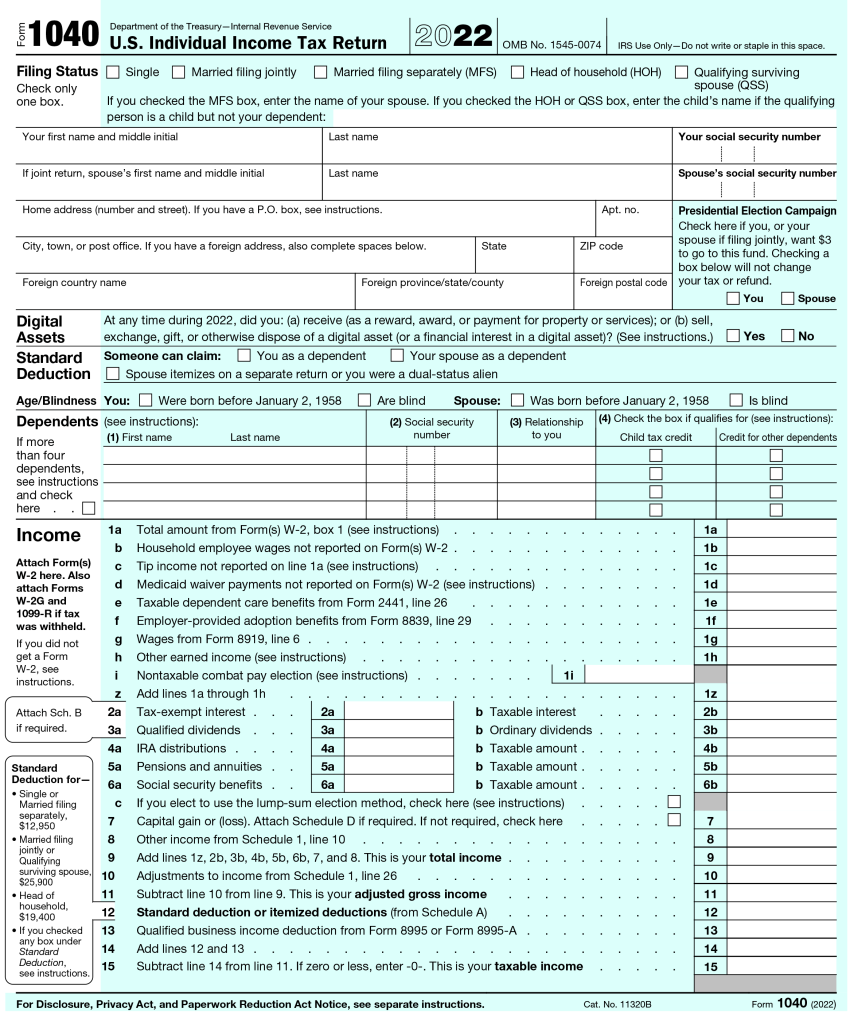
Even with the best intentions, landlords make mistakes. One of the biggest is failing to attach the required statement to their tax return. You can do all the work, keep all the records, and hit all the hours, but if you don’t attach the signed statement to your Form 1040 (or relevant business return), you haven’t elected the safe harbor. It’s a procedural step, but it’s mandatory. Don’t let a clerical error cost you thousands.
Another mistake is poor grouping of properties. You can choose how to group your properties into enterprises, but once you choose, you generally have to stick with it unless there’s a significant change in facts and circumstances. If you group them poorly, you might dilute your hours or complicate your record-keeping. Some landlords try to group everything together to make the 250-hour mark easier, but if the properties are vastly different or managed separately, the IRS might challenge the grouping. Consistency is key here.
Lastly, don’t ignore the exclusions. As mentioned, triple net leases and rentals used as residences (like a vacation home you also use personally) have different rules. If you’re using the property personally for more than 14 days a year or 10% of the rental days, it’s considered a residence, not a rental enterprise for QBI purposes. You can’t claim the deduction on income from a property that’s primarily a personal vacation spot. Know the limits of the safe harbor so you don’t overstep.
Navigating the 250-hour rule doesn’t have to be a nightmare. It’s about intentionality. Treat your rental activity like the business it is. Keep good records. Track your time. Understand the flexiblity of the three-of-five test. By doing so, you’re not just checking a box for the IRS; you’re professionalizing your approach to real estate investing. And that professionalism pays off, literally, in the form of a 20% deduction on your qualified income.
As we move through 2026, the rules remain stable but strict. The IRS has signaled that they are watching this space closely. But they’ve also provided a clear path for compliance. You don’t need to be a tax expert to follow it. You just need to be organized. Start tracking today if you haven’t already. Review your logs monthly. Consult with a tax professional who understands real estate to ensure your grouping and elections are correct.
At the end of the day, this deduction is there for a reason. It’s meant to support small business owners, and yes, landlords fit that bill. Don’t leave money on the table because of fear or confusion. Embrace the rules, document your hard work, and secure the deduction you’ve earned. It’s your money, after all. Make sure you keep as much of it as legally possible.