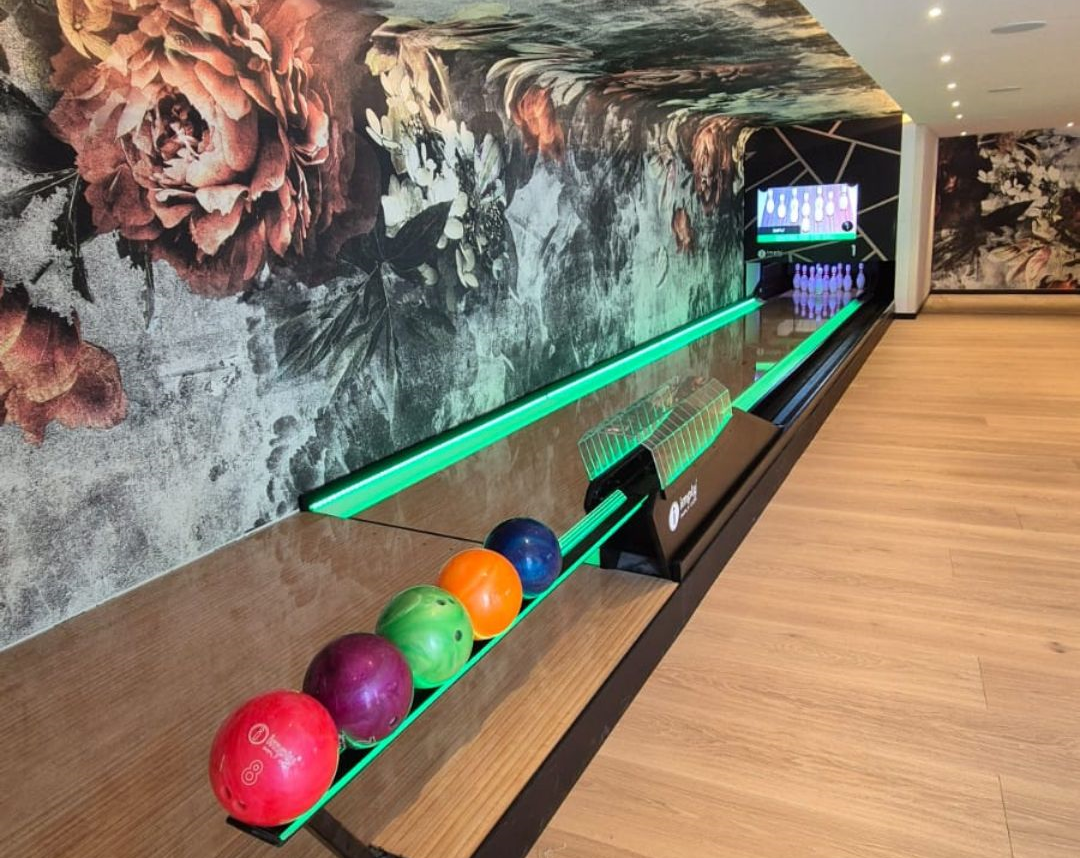
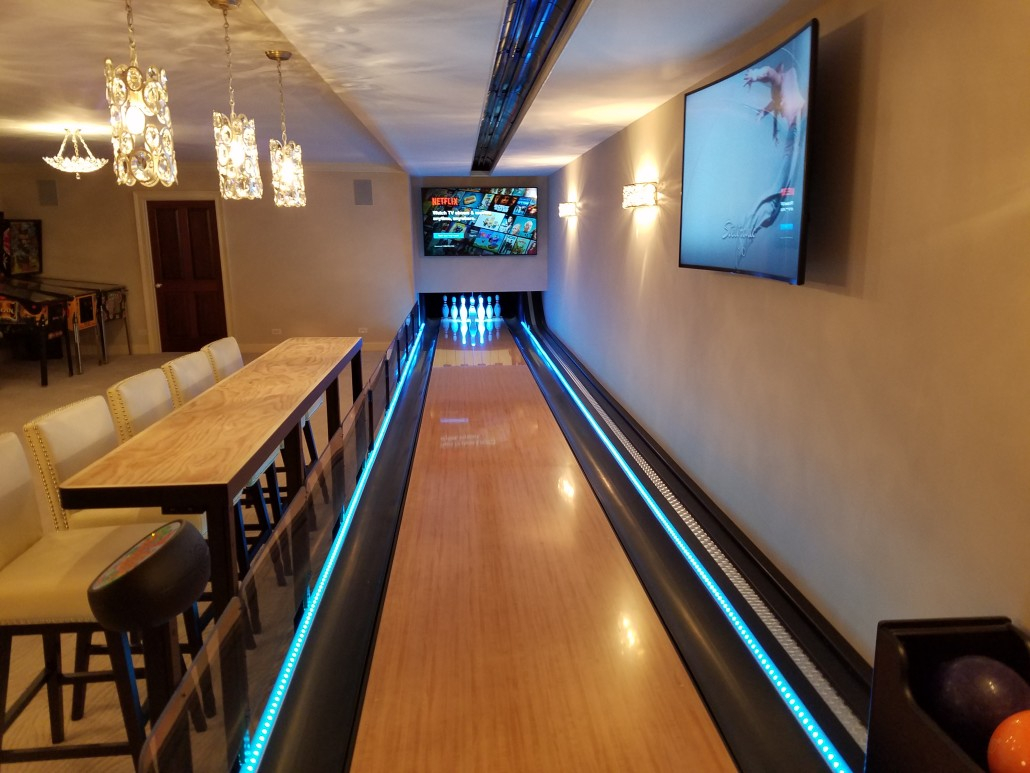
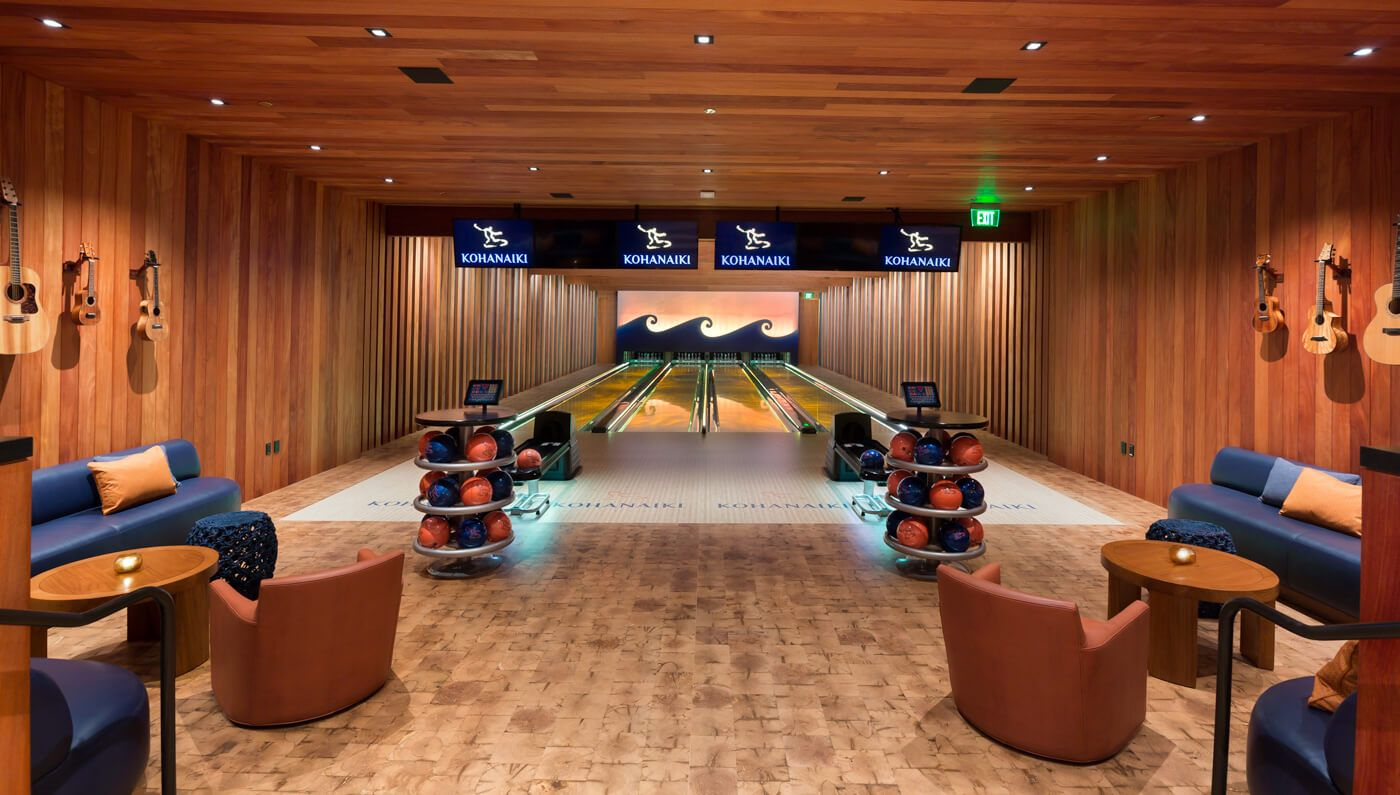
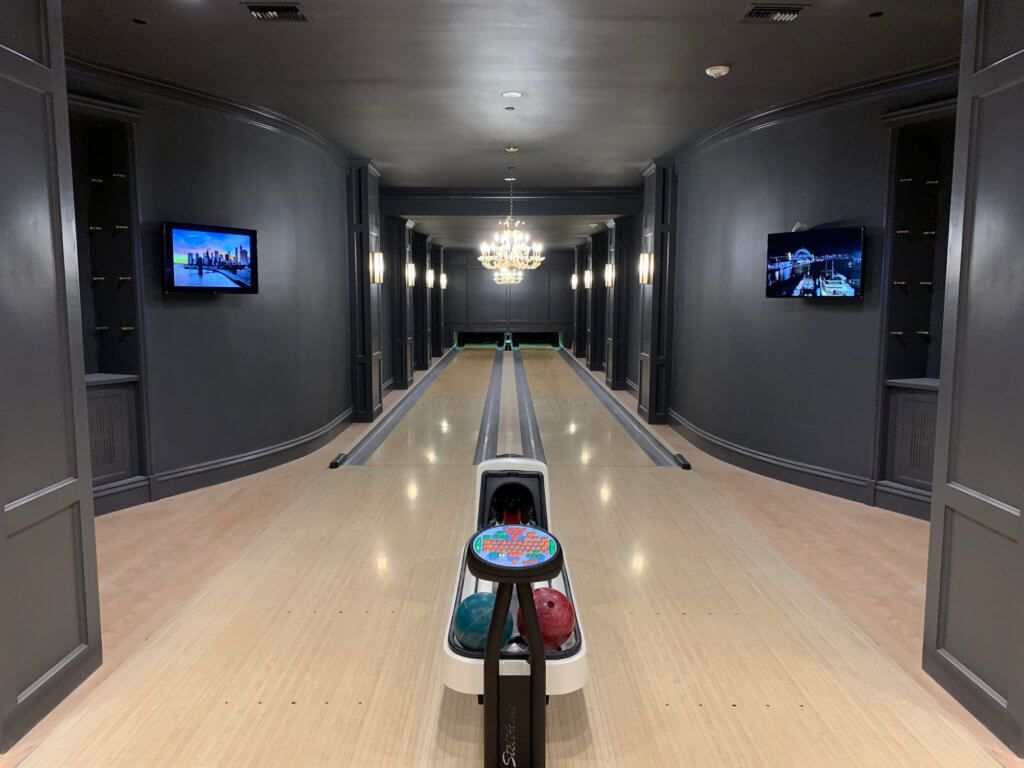
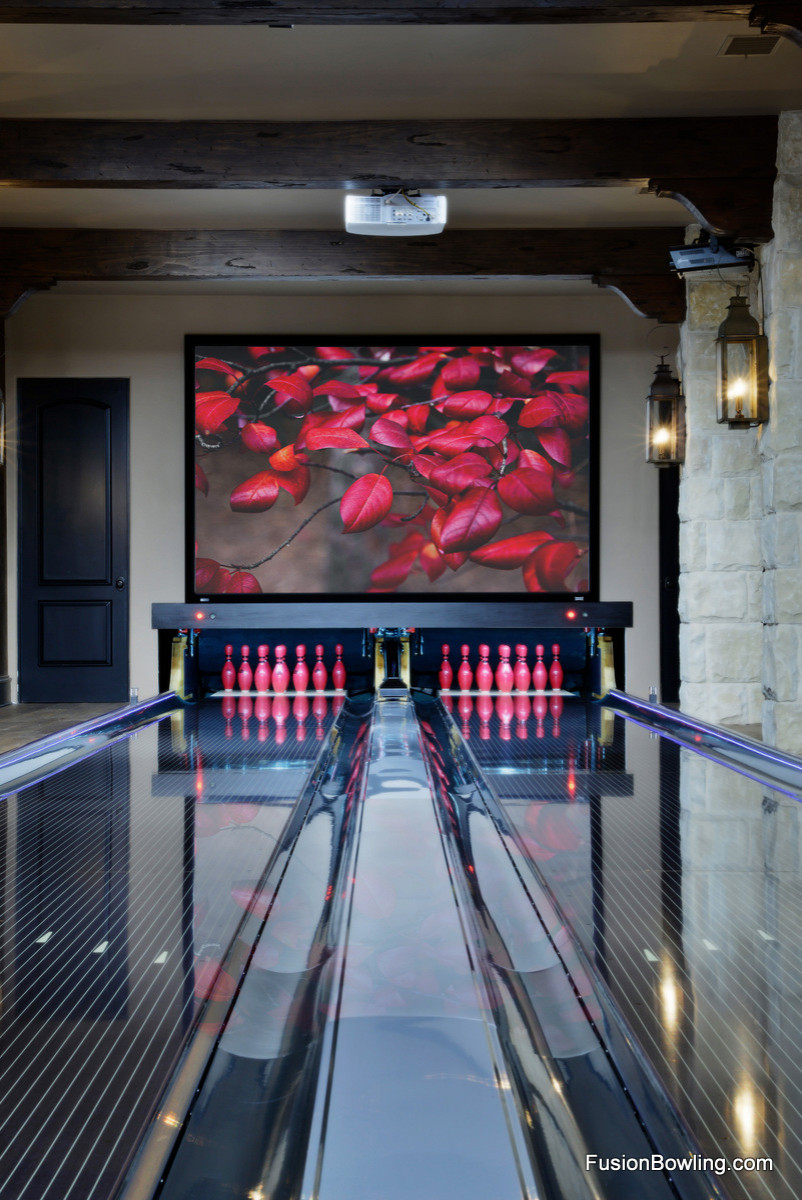
You’ve seen the movies. The billionaire’s mansion has a sleek, neon-lit lane tucked away in the basement. It looks effortless. Fun, right? But then you wake up, look at your own unfinished basement or spare garage, and wonder: could I actually do that? And more importantly, can I afford it without selling a kidney?
It’s a wild dream for many homeowners. Having a private alley means no more waiting for shoes, no more sticky floors from strangers, and endless Friday nights with friends who never have to leave. But the price tag is where the fantasy usually hits a brick wall. Or rather, a very expensive pinsetter.
Let’s cut through the marketing fluff. Building a lane isn’t like buying a pool table. It’s construction. It’s engineering. It’s a lifestyle commitment. In 2026, the numbers have shifted slightly from years past, but the core truth remains: this is a major investment. Whether you’re looking at a compact mini-lane or a full-size regulation setup, knowing the real cost is the only way to keep your dream from becoming a financial nightmare.
The Sticker Shock: Breaking Down the Price Tiers
So, what’s the damage? If you search online, you’ll see numbers ranging from $15,000 to nearly $200,000. That’s not a typo. The range is massive because "bowling lane" can mean two very different things. On one end, you have mini-lanes. These are shorter, often using lighter balls and smaller pins. They fit in tighter spaces and are much kinder to your wallet. In 2026, a basic mini-lane setup can land somewhere between $35,000 and $90,000. Some ultra-compact, DIY-friendly kits might even dip toward the $15,000 to $40,000 mark if you’re willing to handle some of the prep work yourself and skip the fancy digital scoring screens.
On the other end, you have the real deal. A traditional, regulation-length 10-pin lane. This is what you see at commercial alleys. For this, expect to pay between $75,000 and $175,000 per lane. Yes, per lane. If you want two, double it. Why the jump? It’s not just the length. It’s the machinery. A full-size lane needs a heavy-duty pinsetter that can lift ten heavy pins, reset them, and clear dead wood instantly. That mechanism alone is complex, heavy, and pricey.
Then there’s the "luxury" tier. This is where costs spiral past $100,000 easily. We’re talking about custom wood finishes, high-end synthetic lane surfaces that mimic professional oil patterns, and state-of-the-art scoring systems with touchscreens and player profiles. Add in ambient lighting, sound systems, and a bar area, and you’re firmly in six-figure territory. It’s important to decide early on which tier you’re aiming for. Trying to build a regulation lane on a mini-lane budget is a recipe for disaster.
The Hidden Beast: Construction and Structural Prep
Here’s the part most people forget. The lane itself is just the tip of the iceberg. Before you can even think about rolling a ball, you need a room. And not just any room. A bowling lane is long. A regulation lane needs about 80 to 90 feet of clear space from the foul line to the back wall. That includes the approach area (where you stand), the lane itself, and the pin deck. Mini-lanes are shorter, maybe 40 to 60 feet, but they still demand a significant chunk of real estate.
If you’re building in a basement, you might need to dig out. Literally. Many older homes don’t have ceilings high enough or foundations deep enough to accommodate the machinery below the floor level. Pinsetters sit in a pit. If your basement slab is too shallow, you’re looking at extensive excavation work. That means concrete cutting, dirt removal, and pouring new foundations. This structural work can easily add $10,000 to $30,000 to your bill before you’ve bought a single pin.
And let’s talk about weight. Bowling equipment is incredibly heavy. A pinsetter machine can weigh thousands of pounds. Your floor joists need to support not just the static weight, but the dynamic force of balls rolling and pins falling. You’ll likely need an engineer to sign off on your plans. Reinforcing floors, adding steel beams, or upgrading support columns isn’t optional. It’s safety. Skipping this step is dangerous and will void any insurance claims if something collapses. Don’t skimp here. It’s boring, unglamorous work, but it’s the backbone of the whole project.
Equipment Choices: String vs. Free-Fall Pinsetters
One of the biggest decisions—and cost drivers—is the type of pinsetter you choose. There are two main types: string pinsetters and free-fall (or traditional) pinsetters. String pinsetters are becoming increasingly popular for home installations, and for good reason. They attach a string to the top of each pin. When you knock them down, the machine pulls them up, resets them, and lowers them back into place. They are quieter, smaller, and significantly cheaper. A string pinsetter system can save you $10,000 to $20,000 compared to a free-fall unit.
However, purists hate them. The strings can sometimes interfere with the ball’s path, and the pins don’t fall as naturally. They also require more maintenance on the strings themselves, which can fray or break. But for a home game night? Most people won’t notice the difference. It’s a practical choice for budget-conscious builders.
Free-fall pinsetters are the gold standard. They use a complex system of elevators and sweeps to clear the pins and reset them without any tethers. The action is smooth, authentic, and satisfying. But they are loud, huge, and expensive. They require more headroom and a deeper pit. If you’re going for that authentic alley experience and have the space and budget, free-fall is the way to go. Just be prepared for the higher upfront cost and potentially higher repair bills down the road. These machines have hundreds of moving parts. Something will eventually break.
Tech and Touches: Scoring, Lighting, and Atmosphere
A lane without scoring is just a long wooden floor. Modern scoring systems are a huge part of the experience. Basic systems might just show numbers on a small monitor. Premium systems offer full-color graphics, player avatars, handicap calculations, and even online leaderboards. In 2026, these systems are more integrated than ever. Expect to pay anywhere from $2,000 to $10,000 for a decent scoring package, depending on the features. Some high-end setups even integrate with smart home systems, letting you control lights and music from the scoring screen.
Lighting sets the mood. You don’t want harsh fluorescent buzzers like old-school alleys. Think LED strips under the lane, dimmable overhead lights, and maybe some neon accents. Good lighting design can make a small space feel bigger and a large space feel cozy. It also helps with visibility. You need enough light to see the pins clearly, but not so much that it glares off the oiled lane surface. Working with a lighting designer or an electrician who understands entertainment spaces is worth the extra fee.
Don’t forget the sound. Bowling is noisy. Balls crash, pins scatter, machines whir. If you’re in a shared living space, soundproofing is critical. Acoustic panels on the walls, insulation in the ceiling, and carpeted approach areas can help dampen the noise. Add a quality sound system for music, and you’ve got a complete entertainment hub. These "nice-to-haves" add up quickly. A few thousand here for speakers, a few thousand there for acoustic treatment. It’s easy to blow your budget on aesthetics if you’re not careful.
Maintenance and Long-Term Ownership Costs
You’ve built it. You’ve bowled your first game. Cheers! But now what? Like any complex mechanical system, a home bowling lane needs regular care. Lane surfaces need cleaning and occasional refinishing. The oil pattern (if you have a traditional lane) needs to be applied correctly to protect the wood or synthetic surface. Neglect this, and your lane will wear out unevenly, leading to hook spots and dead zones. Professional lane conditioning services can cost $100 to $300 per visit, and you’ll need them several times a year.
Pinsetters need lubrication and adjustment. Strings need replacing. Sensors get dirty. If you’re handy, you might learn to do some of this yourself. Manufacturers often provide training. But for major issues, you’ll need a technician. Travel fees for specialized bowling technicians can be steep, especially if you live far from a major city. Budget at least $1,000 to $2,000 a year for routine maintenance and unexpected repairs. It’s not unlike owning a classic car. It’s a labor of love, but it requires attention.
Insurance is another factor. Adding a bowling alley to your home increases its value and its liability risk. Someone could trip, drop a ball on their foot, or damage property. Check with your homeowner’s insurance provider. You may need a rider or a separate policy to cover the equipment and potential accidents. This ongoing cost is small compared to the build, but it’s part of the real ownership picture. Don’t assume your standard policy covers a commercial-grade pinsetter in your basement.
So, after spending $50,000 or $150,000, did you make a good decision? Financially, it’s tricky. A home bowling alley doesn’t always add dollar-for-dollar value to your home resale price. It’s a niche feature. Some buyers will love it and pay a premium. Others will see it as a hassle and a renovation project they don’t want. In luxury markets, though, it can be a standout amenity that speeds up a sale. It signals a certain lifestyle. But don’t build it solely for ROI. Build it because you’ll use it.
The real value is in the experiences. Think about the birthday parties, the holiday gatherings, the rainy Sundays. Having a private space to connect with friends and family is priceless. It becomes the heart of your home entertainment. If you bowl regularly, the cost per use drops over time. Compare it to joining a country club or buying a boat. It’s a hobby investment. If it brings you joy and strengthens relationships, it’s worth every penny.
But be honest with yourself. Will you really use it? Or will it become a dusty white elephant? If you’re not a bowler, maybe start with a simulator or a smaller setup. Test the waters. If you know you’ll host weekly leagues with neighbors, go for it. The community aspect can be huge. Just remember, it’s a commitment. Not just financially, but spatially and mentally. Make sure it fits your life, not just your dreams.
Building a private bowling lane is one of those projects that sounds simple until you start pulling back the layers. It’s not just about laying down some wood and throwing a ball. It’s about structural integrity, mechanical precision, and thoughtful design. The costs in 2026 reflect that complexity. From the $35,000 entry point for mini-lanes to the $175,000+ for full regulation setups, the price tag is serious.
But it’s doable. With careful planning, realistic budgeting, and a clear understanding of what you’re getting into, you can create an amazing space. Focus on the essentials first: solid construction, reliable equipment, and proper spacing. Then, if the budget allows, layer on the tech and the ambiance. Don’t rush. Get multiple quotes. Talk to other homeowners who’ve done it. Learn from their mistakes.
At the end of the day, it’s your home. If a bowling lane makes it feel more like you, more fun, and more connected to the people you love, then the cost is just a number. Just make sure it’s a number you can live with. Happy bowling.