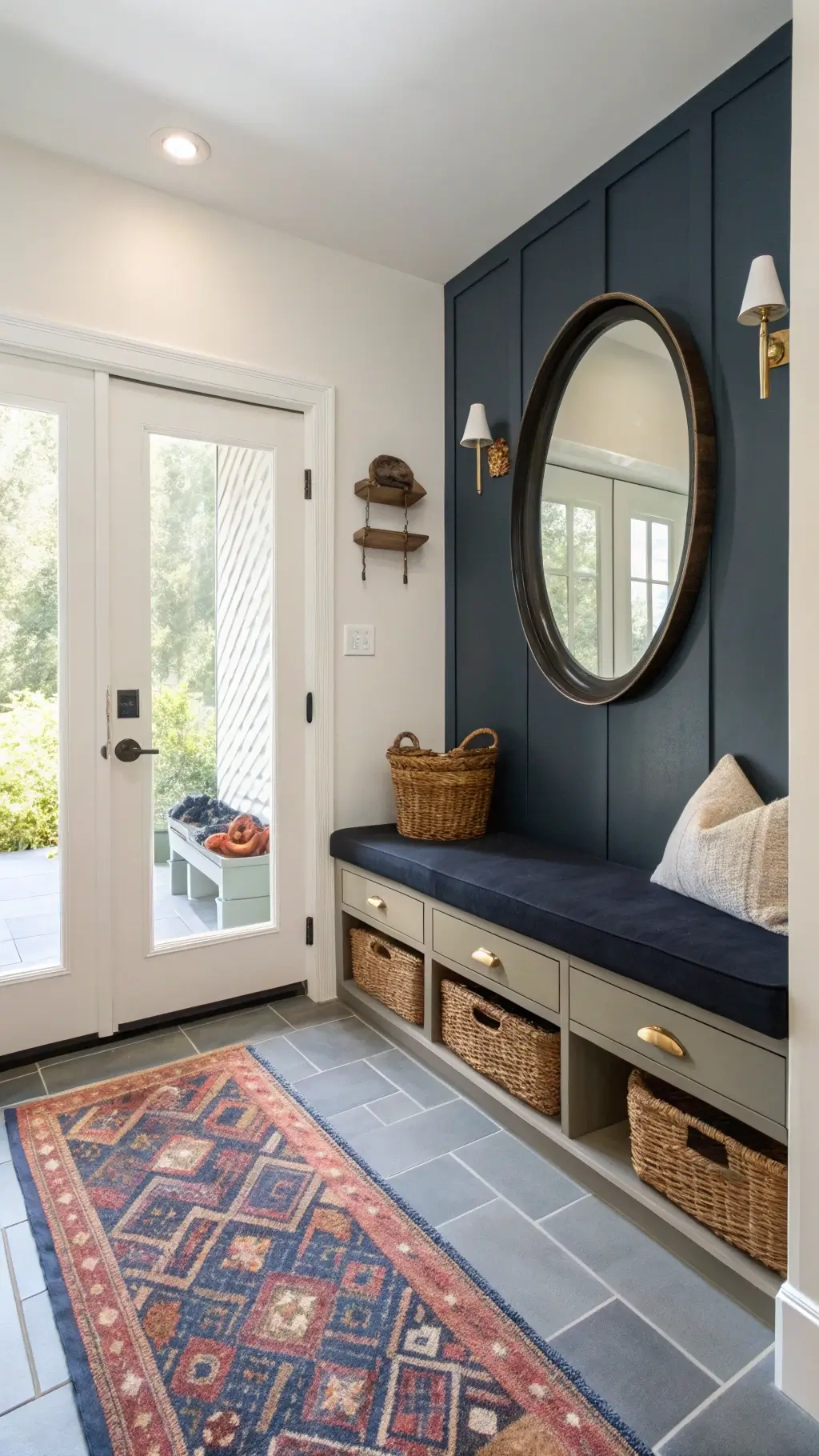
We’ve all been there. You walk into a home, or maybe just your own after a long day, and you’re greeted by a hallway that feels less like an entrance and more like a cave. It’s narrow. It’s dark. It’s kinda depressing, honestly. That first impression matters, doesn’t it? It sets the tone for the rest of the house. But here’s the thing: you don’t need to knock down walls or spend a fortune to fix it. In 2026, we’re seeing a huge shift away from those sterile, all-white boxes and toward spaces that feel warm, intentional, and alive. Even the smallest, darkest corridors can become a highlight of your home if you know where to look.
It’s easy to ignore these in-between spaces. We rush through them. We dump mail on the floor. We let them stay dim because, well, who spends time in a hallway? But think about it. This is the transition zone. It’s the breath you take between the chaotic outside world and your sanctuary. Making it welcoming isn’t just about aesthetics; it’s about how it makes you feel when you cross the threshold. A bright, open hall invites you in. A dark, cramped one makes you want to hurry to the next room. Let’s change that narrative. Let’s make that narrow stretch of floor something you actually enjoy walking through.
Let There Be Light (And Layers of It)
Lighting is the single most important factor in a dark hallway, but most people get it wrong. They slap one ceiling fixture in the middle and call it a day. That creates shadows in the corners and makes the space feel even smaller. The trick in 2026 is layering. You need ambient light, sure, but you also need task lighting and accent lighting. Think of it like dressing in layers. You wouldn’t just wear a coat in winter; you’d add a scarf, gloves, maybe a hat. Same concept here. Start with a central fixture that provides general illumination, but don’t stop there. Add wall sconces at eye level to push light outward and widen the visual field. If wiring is an issue, battery-operated LED puck lights under shelves or along the baseboards work wonders.
Another pro move? Use light to draw the eye down the length of the hall. Instead of one big blast of light, use a series of smaller lights spaced evenly apart. This creates a rhythm. It guides your footstep. It makes the hallway feel longer in a good way, rather than just a tight squeeze. Warm white bulbs (around 2700K to 3000K) are essential here. Cool, blue-toned light feels clinical and cold, which is the last thing you want in a welcoming space. Warm light bounces off surfaces softly, creating a glow that feels cozy and inviting. And don’t forget the dimmer switch. Being able to adjust the brightness depending on the time of day or your mood is a game-changer for setting the right atmosphere.
Paint Psychology and Color Magic
Color has power. It can shrink a room or expand it. In a narrow, dark hall, your instinct might be to paint everything stark white to "brighten" it. But sometimes, that backfires. Pure white can feel flat and sterile, especially if there isn’t enough natural light to give it life. Instead, reach for soft, warm neutrals. Think creamy whites, pale greiges, or very light taupes. These colors reflect light well but have enough warmth to keep the space from feeling like a hospital corridor. In recent years, designers have also been experimenting with painting the ceiling a slightly lighter shade than the walls. This subtle difference tricks the eye into thinking the ceiling is higher, giving you a bit more breathing room vertically.
If you’re feeling brave, consider an accent wall or even painting the trim. A high-gloss finish on the baseboards and door frames reflects light differently than matte walls, adding depth and interest. Some homeowners in 2026 are even opting for a monochromatic look—painting the walls, trim, and doors the same soft color. This blurs the boundaries. When your eye doesn’t stop at the contrast between white trim and beige walls, the space feels seamless and larger. Just remember to test your paint samples in the actual hallway light. Colors look drastically different in artificial light versus daylight. Grab a few swatches, tape them up, and live with them for a few days before committing. It’s a small step that saves big regrets.
Mirror, Mirror on the Wall
Mirrors are the oldest trick in the book for a reason: they work. But placing a mirror in a narrow hallway requires some strategy. You don’t just want to stick one anywhere. Position a large mirror opposite a window or a light source if possible. This bounces natural or artificial light around the space, effectively doubling the brightness. If you don’t have a window nearby, place a mirror at the end of the hall. This creates the illusion of depth, making the hallway feel like it continues beyond its actual physical limits. It’s a visual hack that fools the brain into perceiving more space.
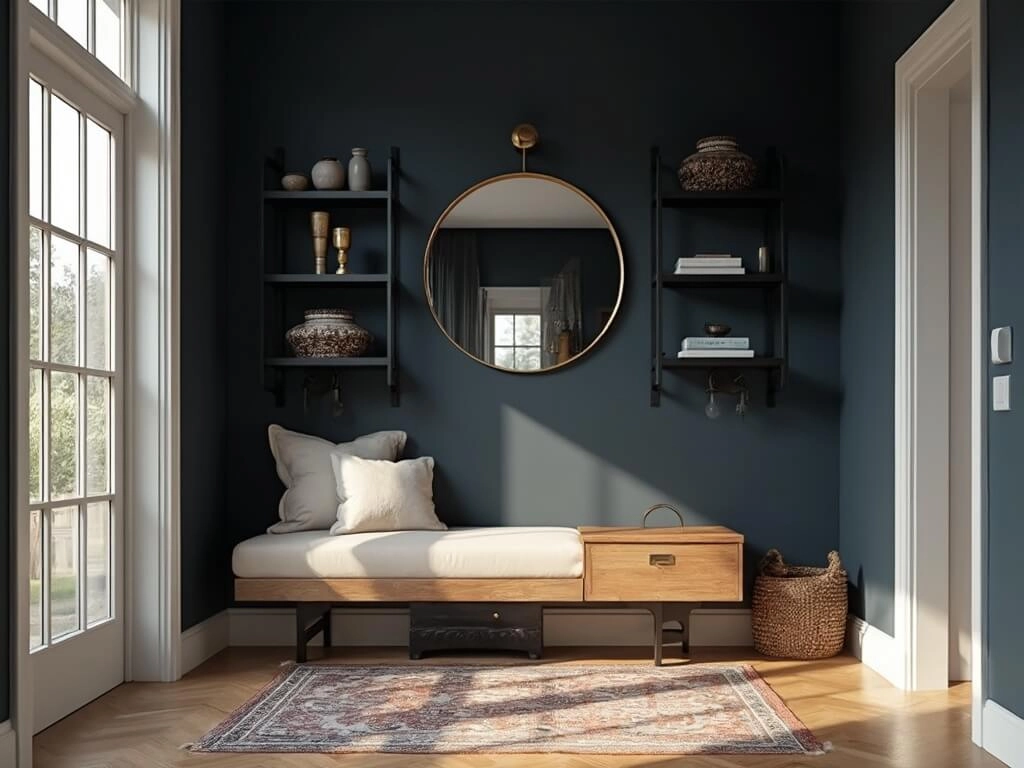
Don’t limit yourself to one giant sheet of glass, either. A gallery wall of smaller mirrors can be just as effective and adds a lot of personality. Mix shapes and sizes for a dynamic look. Round mirrors soften the hard lines of a rectangular hallway. Antique mirrors with distressed frames add character and warmth, breaking up the modern sleekness that can sometimes feel cold. Just be mindful of what the mirror reflects. You don’t want it bouncing back a cluttered coat rack or a messy pile of shoes. Keep the reflection clean and pleasant. A mirror reflecting a nice piece of art or a vase of fresh flowers amplifies the beauty of the space, not the clutter.
Flooring Fixes and Visual Flow
The floor is the largest surface area in a hallway, yet it’s often an afterthought. Dark, heavy carpets absorb light and make a narrow space feel even tighter. If you can, opt for lighter-colored flooring. Hardwood in a pale oak or maple finish reflects light beautifully. If replacing the floor isn’t in the budget, a large, light-colored runner can do the trick. Choose a runner with a subtle pattern or stripes that run lengthwise. This draws the eye down the hall, emphasizing length over width, which can actually make the space feel more proportional. Avoid busy, chaotic patterns that chop up the visual field and make the area feel smaller.
Rugs also help with acoustics. Narrow halls can be echoey, and that hollow sound makes a space feel empty and unwelcoming. A plush runner dampens noise, making the hallway feel quieter and more intimate. It adds texture underfoot, which is a sensory detail that contributes to that "welcoming" vibe. Make sure the rug is sized correctly—it should leave a few inches of flooring visible on each side. Too wide, and it looks cramped; too narrow, and it looks like an afterthought. And if you have pets or kids, choose a durable, stain-resistant material. Practicality doesn’t have to sacrifice style, especially with the amazing synthetic fibers available in 2026.
Declutter and Streamline Storage
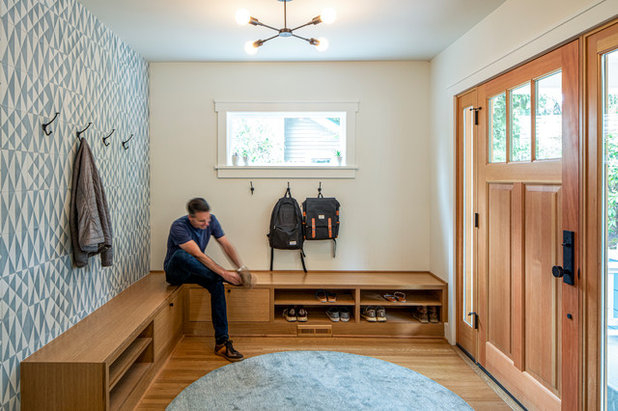
A narrow hallway becomes unbearable when it’s cluttered. Every shoe left out, every coat hanging awkwardly, every piece of mail on a console table eats up precious visual space. The key to making a small hall feel bigger is ruthless editing. You need storage, but it has to be slim and intentional. Look for vertical storage solutions. A tall, narrow cabinet takes up minimal floor space but offers maximum storage. Hooks are your friend, but keep them minimal. One or two stylish hooks for everyday coats are better than a row of ten that creates visual noise.
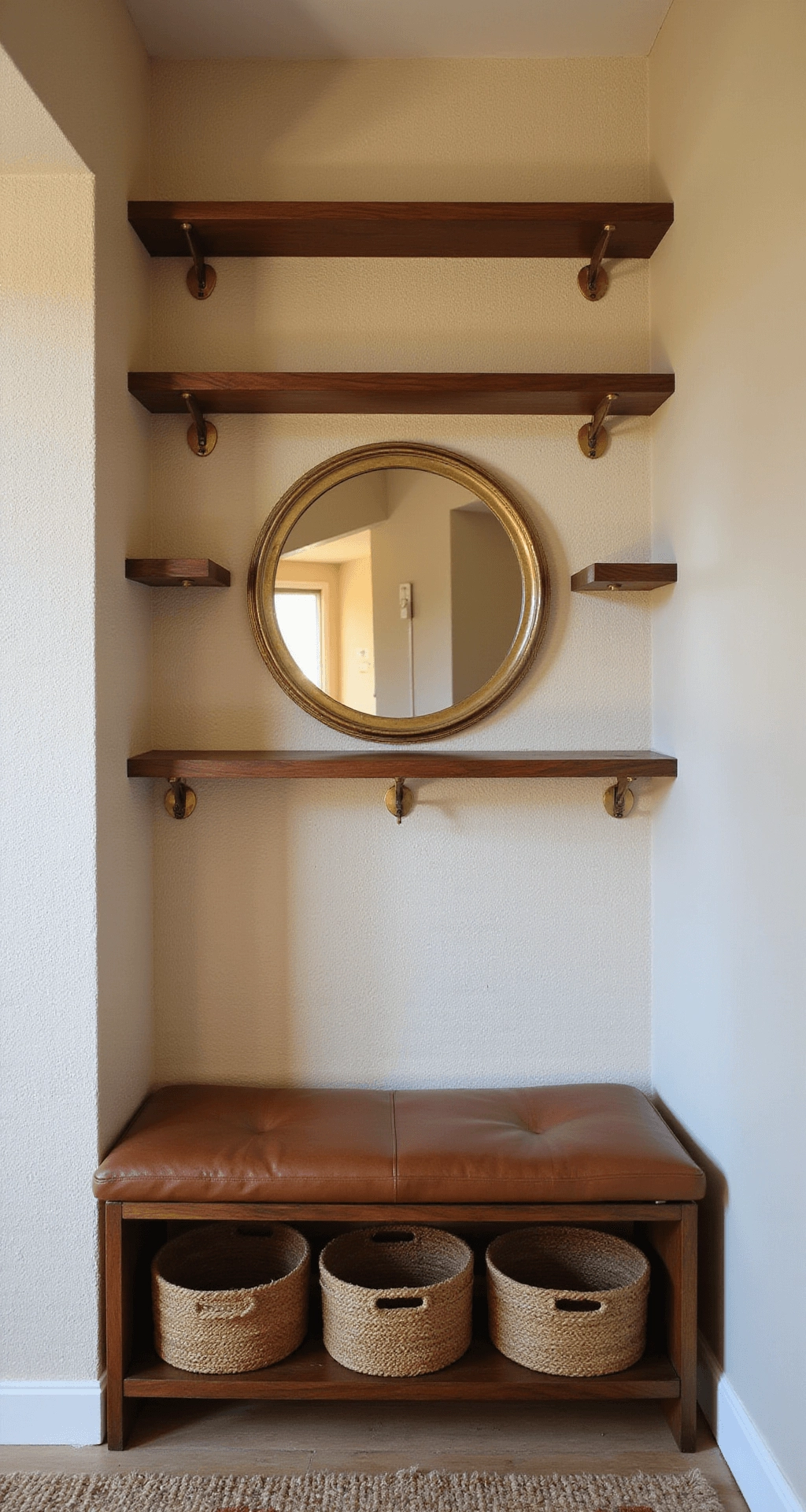
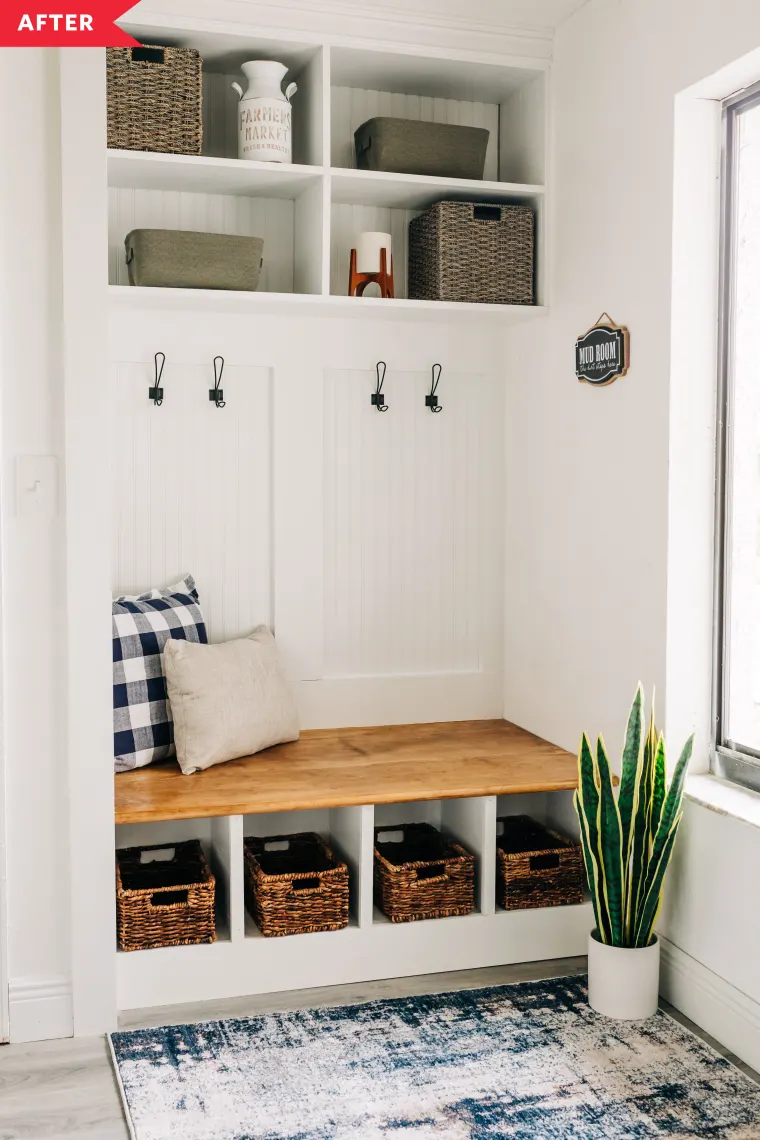
Floating shelves are another great option. They don’t encroach on the floor space, keeping the pathway clear. Use them to display a few curated items—a small plant, a framed photo, a candle. But keep it sparse. Clutter is the enemy of spaciousness. In 2026, the trend is toward "hidden" storage. Baskets under a bench, closed cabinets instead of open shelving. The goal is to keep surfaces clear so the eye can travel uninterrupted down the hall. When everything has a place, the space feels calm. And a calm space feels larger. Take a weekend to go through everything in your hall. If you haven’t used it in six months, move it elsewhere. Your hallway will thank you.
Finally, use art and decor to create focal points. When you give the eye something interesting to look at, it stops focusing on the narrowness of the walls. A large piece of artwork at the end of the hall acts as a destination. It pulls you forward. Choose something with depth or texture, not just a flat print. A woven tapestry, a 3D sculpture, or a painting with bold colors can inject personality and energy into the space. Don’t be afraid of color here. Since the walls are likely neutral, a vibrant piece of art can be the spark that brings the whole hallway to life.
Greenery is another simple, effective touch. A tall, slender plant in a corner adds height and life. Plants improve air quality and add a biophilic element that humans naturally find calming. If your hall is too dark for real plants, high-quality faux options have come a long way. Just make sure they look realistic. Dust them regularly. A dying or dusty plant is worse than no plant at all. Small details matter. A beautiful bowl for keys, a unique door handle, a textured wallpaper on one accent wall. These little touches show that the space was thought about, cared for. And that intention is what transforms a dark tunnel into a welcoming entrance.
Transforming a dark, narrow hallway doesn’t require a major renovation. It’s about working with what you have and making smart, strategic choices. Light, color, mirrors, flooring, storage, and decor all play a part. By layering your lighting, choosing warm reflective colors, using mirrors to bounce light, keeping floors clear and light, decluttering ruthlessly, and adding personal touches with art and plants, you can completely change the feel of the space. It’s not about making it huge; it’s about making it feel intentional and warm.
Start small. Maybe this weekend you just swap out the lightbulbs for warmer ones and hang a mirror. Next month, you tackle the clutter. The month after, you paint. Each step builds on the last. Before you know it, that dreaded tunnel will be a space you’re proud of. A space that welcomes you home. And isn’t that what our homes are supposed to do? In 2026, we’re realizing that every square foot matters, even the ones we just walk through. So give your hallway the love it deserves. It’s the first hello and the last goodbye your home gives. Make it a good one.