Ever opened a window in January just to get some "real" air, only to regret it five seconds later when the freezing draft hit your ankles? We’ve all been there. You want the freshness, but you don’t want the bill that comes with heating up the entire neighborhood. It’s a classic tug-of-war between comfort and health. For decades, we had to choose: stuffy, warm air or crisp, cold air. But thanks to some clever engineering, that choice is becoming a thing of the past.
Enter the Heat Recovery Ventilator, or HRV. It sounds like something out of a sci-fi movie, but it’s actually a pretty simple box sitting in your basement or attic. In 2026, as homes get tighter and more energy-efficient, these systems aren’t just a luxury anymore; they’re kinda essential. They solve the problem of how to keep our homes from feeling like sealed plastic bags without throwing money out the window. Let’s break down what they are, how they work, and why your lungs might thank you for installing one.
The Problem with Tight Homes
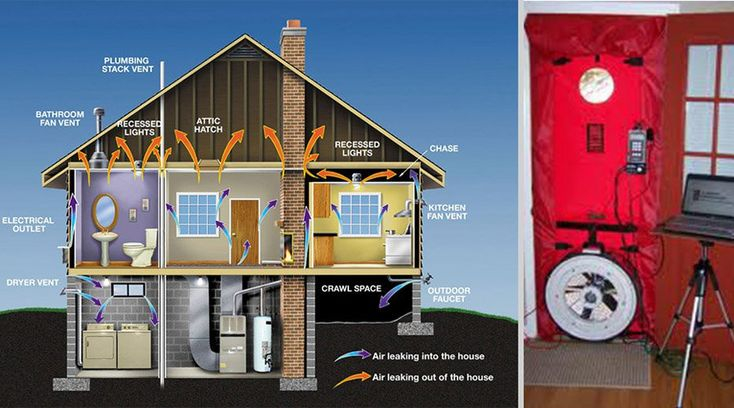
Modern building codes have changed the game. Back in the day, houses leaked air like a sieve. Drafts came in under doors, through cracks in the siding, and around old windows. While that was terrible for your heating bill, it did one thing right: it constantly refreshed the air inside. Today, we build homes to be airtight. We use spray foam, triple-pane windows, and careful sealing to keep the heat in. This is great for your wallet and the planet, but it creates a new issue.
When a house is too tight, the air inside gets stale. Think about it. You’re cooking, showering, breathing, and maybe even burning candles. All that activity adds moisture, carbon dioxide, and volatile organic compounds (VOCs) to the air. Without a way for that air to escape, it just hangs around. You might notice condensation on windows, a musty smell, or just a general feeling of lethargy. It’s not just uncomfortable; it can actually affect your health. Asthma and allergies can flare up when indoor pollutants build up.
So, we need ventilation. But opening a window in winter wastes all that expensive heat you trapped inside. Running an exhaust fan pulls warm air out, creating negative pressure that sucks cold air in through random cracks. It’s inefficient and uncomfortable. This is where the HRV steps in. It’s designed specifically for this modern dilemma: how to swap out the bad air for good air without losing the warmth you’ve already paid for. It’s the best of both worlds, really.
How the Magic Box Works
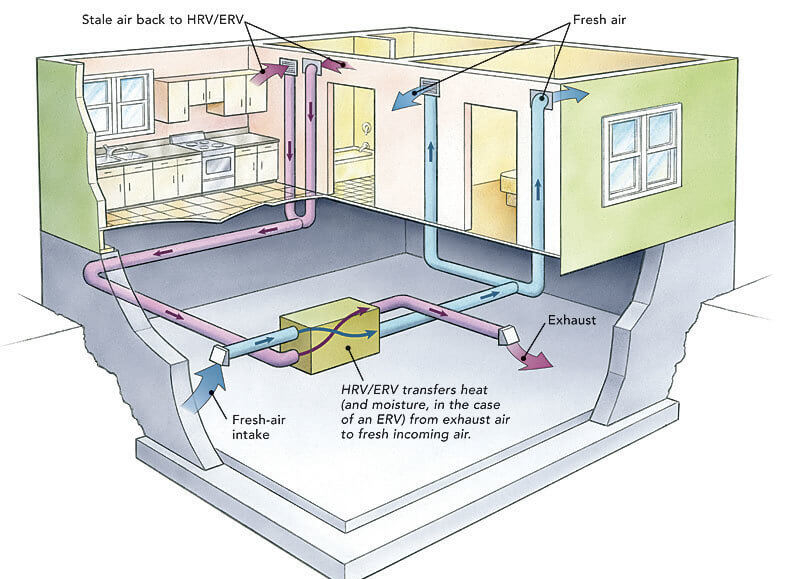
At its core, an HRV is a heat exchanger. Don’t let the technical term scare you. Imagine two straws taped together side-by-side. If you blow hot air through one straw and cold air through the other, the heat from the hot air will transfer through the plastic wall to the cold air. The air streams never mix—you aren’t breathing your own exhaust—but the temperature equalizes. An HRV does this on a much larger scale using a special core made of thin plates or channels.
Here is the step-by-step dance. First, a fan pulls stale, warm air out of your kitchen, bathrooms, and laundry room. At the same time, another fan pulls fresh, cold air in from outside. These two streams meet in the heart of the unit, the core. As the warm indoor air passes through, it gives up its heat to the metal or plastic plates. The incoming cold outdoor air passes over the other side of those same plates and picks up that heat.
By the time the fresh air enters your living room, it’s been pre-warmed. It’s not necessarily "hot," but it’s no longer freezing. It might be 60 degrees instead of 10 degrees. That makes a huge difference in comfort. You don’t feel that shocking blast of icy air. Meanwhile, the stale air, now cooled down, is vented outside. The system runs continuously, usually at a low speed, ensuring a constant, gentle exchange. It’s quiet, efficient, and happens in the background while you live your life.
HRV vs ERV: What’s the Difference?
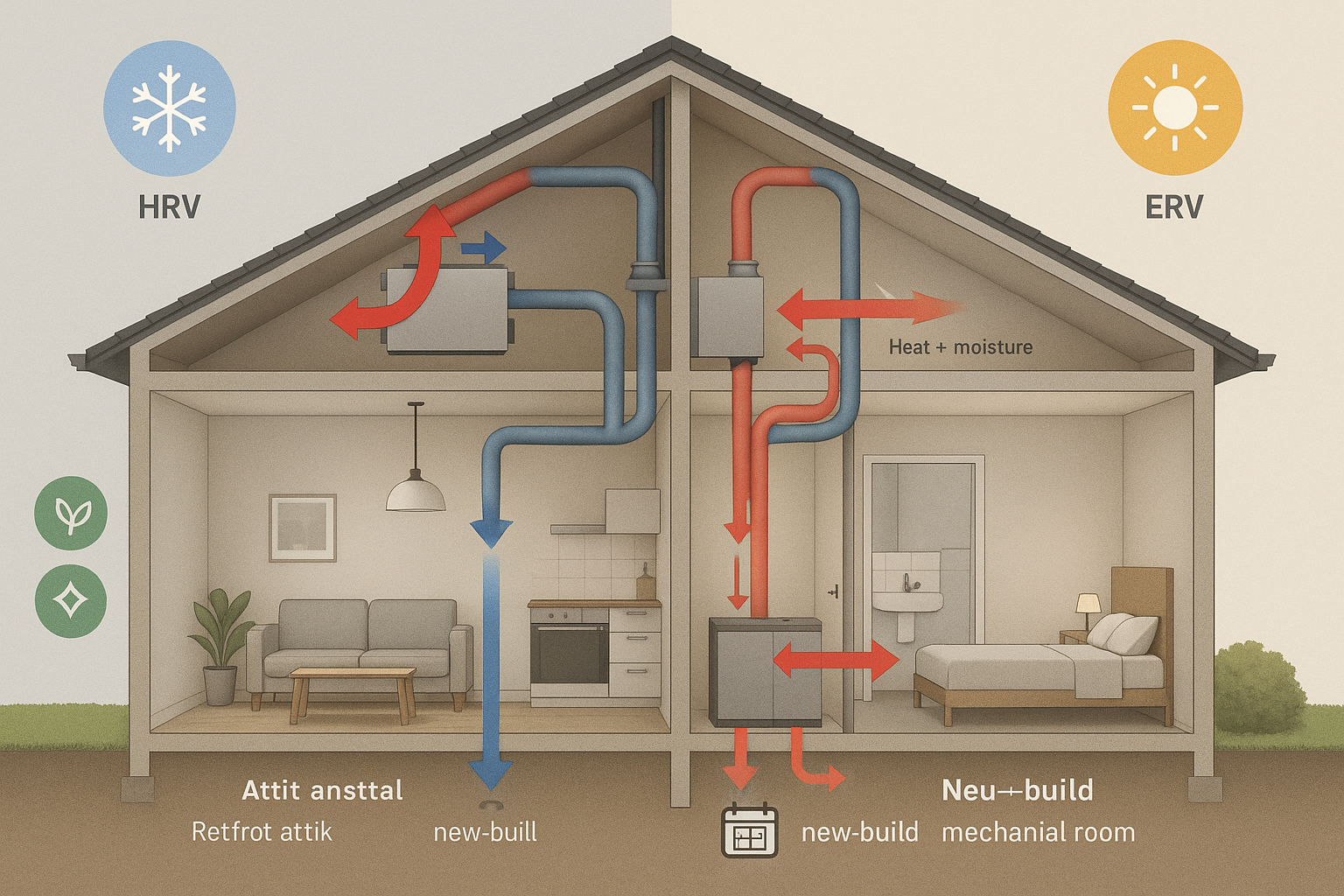
You’ll often hear HRV mentioned alongside its cousin, the ERV, or Energy Recovery Ventilator. They look similar and do similar jobs, but there’s a key difference: moisture. An HRV transfers heat only. An ERV transfers both heat and humidity. This distinction matters depending on where you live and what your specific air quality goals are. In 2026, choosing the right one is more about climate than anything else.
If you live in a cold, dry climate, an HRV is usually the way to go. In winter, indoor air can get very dry due to heating. An HRV keeps that moisture inside your home, which helps prevent static shocks, dry skin, and irritated sinuses. It also helps protect wood furniture and flooring from cracking. Since it doesn’t transfer moisture, the outgoing humid air leaves the house, and the incoming dry air stays dry (but warmed). This balance is ideal for places with harsh winters.
On the other hand, if you live in a humid climate or a place with hot summers, an ERV might be better. In summer, an ERV can pull humidity out of the hot, muggy outdoor air before it enters your home, reducing the load on your air conditioner. In winter, it can add a bit of moisture back into the dry indoor air if needed. However, for most standard residential applications in colder regions, the HRV remains the gold standard for simplicity and effectiveness. Always check with a local pro to see which fits your specific zip code.
Why Your Health Will Thank You
Let’s talk about what’s actually in the air you breathe. Indoor air can be up to five times more polluted than outdoor air, according to various environmental studies. That’s because we trap everything inside: dust mites, pet dander, mold spores, and chemicals from cleaning products or new furniture. Without proper ventilation, these contaminants concentrate. Over time, this can lead to "Sick Building Syndrome," where occupants experience headaches, fatigue, and respiratory issues that seem to disappear when they leave the house.
An HRV system actively dilutes these pollutants. By constantly bringing in filtered fresh air, it lowers the concentration of allergens and irritants. Most HRVs come with basic filters that catch large particles like dust and pollen. You can even upgrade to higher-grade filters if someone in the house has severe allergies. It’s like having a gentle breeze blowing through your house 24/7, but without the noise, bugs, or temperature swings of an open window.
There’s also the mental aspect. Have you ever noticed how groggy you feel after being in a stuffy conference room for hours? That’s partly due to high levels of carbon dioxide (CO2). When we breathe, we exhale CO2. In a tightly sealed home with multiple people, CO2 levels can rise quickly, leading to poor concentration and sleep quality. An HRV keeps CO2 levels in check by swapping out the exhaled air for fresh, oxygen-rich air. You might find you sleep better and think clearer. It’s a subtle change, but once you have it, you notice the difference when you don’t.
Installation and Maintenance Realities
Installing an HRV isn’t exactly a DIY weekend project for most people. It involves ductwork, electrical connections, and balancing airflow. Ideally, it should be integrated into your home’s existing HVAC duct system, but standalone units exist for retrofits. The key is proper design. If the system isn’t balanced, you might create positive or negative pressure in your home, which can cause other issues like radon entry or moisture problems in walls. A certified installer will ensure the supply and exhaust rates are matched.
Once it’s in, maintenance is straightforward but necessary. Think of it like changing the oil in your car. The filters need to be checked every few months and replaced or cleaned as needed. If they get clogged, the system can’t breathe, and efficiency drops. The core itself should be inspected annually. Some cores are washable, while others need vacuuming. It’s a small task that keeps the system running quietly and efficiently. Neglecting it can lead to mold growth inside the unit, which defeats the whole purpose.
Cost-wise, prices in 2026 vary based on size and features. A basic unit might cost a few hundred dollars, while high-end models with smart controls and advanced filtration can run over a thousand. Add in installation, and you’re looking at a significant investment. However, consider the long-term savings. You’re recovering heat that would otherwise be wasted. In many regions, rebates and tax credits are available for energy-efficient ventilation upgrades. Plus, the potential health benefits and protection of your home’s structure from moisture damage add value that’s hard to put a price tag on.
So, do you need one? If you live in a newer, well-insulated home, the answer is almost certainly yes. Modern building standards practically require mechanical ventilation because the houses are so tight. If you’re retrofitting an older home that has had significant air-sealing work done, an HRV can help manage the new airtightness. Even in older, leakier homes, if you struggle with indoor air quality, condensation, or stuffiness, an HRV can provide a controlled solution that opening windows can’t match.
Consider your lifestyle, too. Do you cook a lot? Have pets? Work from home in a closed office? These factors increase the need for fresh air. An HRV provides a consistent baseline of ventilation that doesn’t depend on you remembering to open a window. It’s set-it-and-forget-it technology. Many modern units even have smart sensors that boost the fan speed when they detect high humidity or pollutants, then dial it back down when the air is clean. It’s intelligent comfort.
Ultimately, it’s about taking control of your indoor environment. We spend the vast majority of our time indoors. The quality of that air impacts our daily lives in ways we often overlook until it’s improved. An HRV isn’t just a piece of machinery; it’s a commitment to breathing easier. It bridges the gap between energy efficiency and human health, proving that we don’t have to sacrifice one for the other. In a world that’s getting more sealed up every year, that’s a pretty powerful tool to have.
Breathing shouldn’t be a compromise. With an HRV, you get the crispness of fresh air and the coziness of a warm home. It’s a simple concept executed with elegant engineering. As we move further into 2026 and beyond, expect these systems to become as common as water heaters. They’re the unsung heroes of the healthy, efficient home. So next time you feel that stuffy afternoon slump, remember: the solution might not be more coffee, but simply better air.