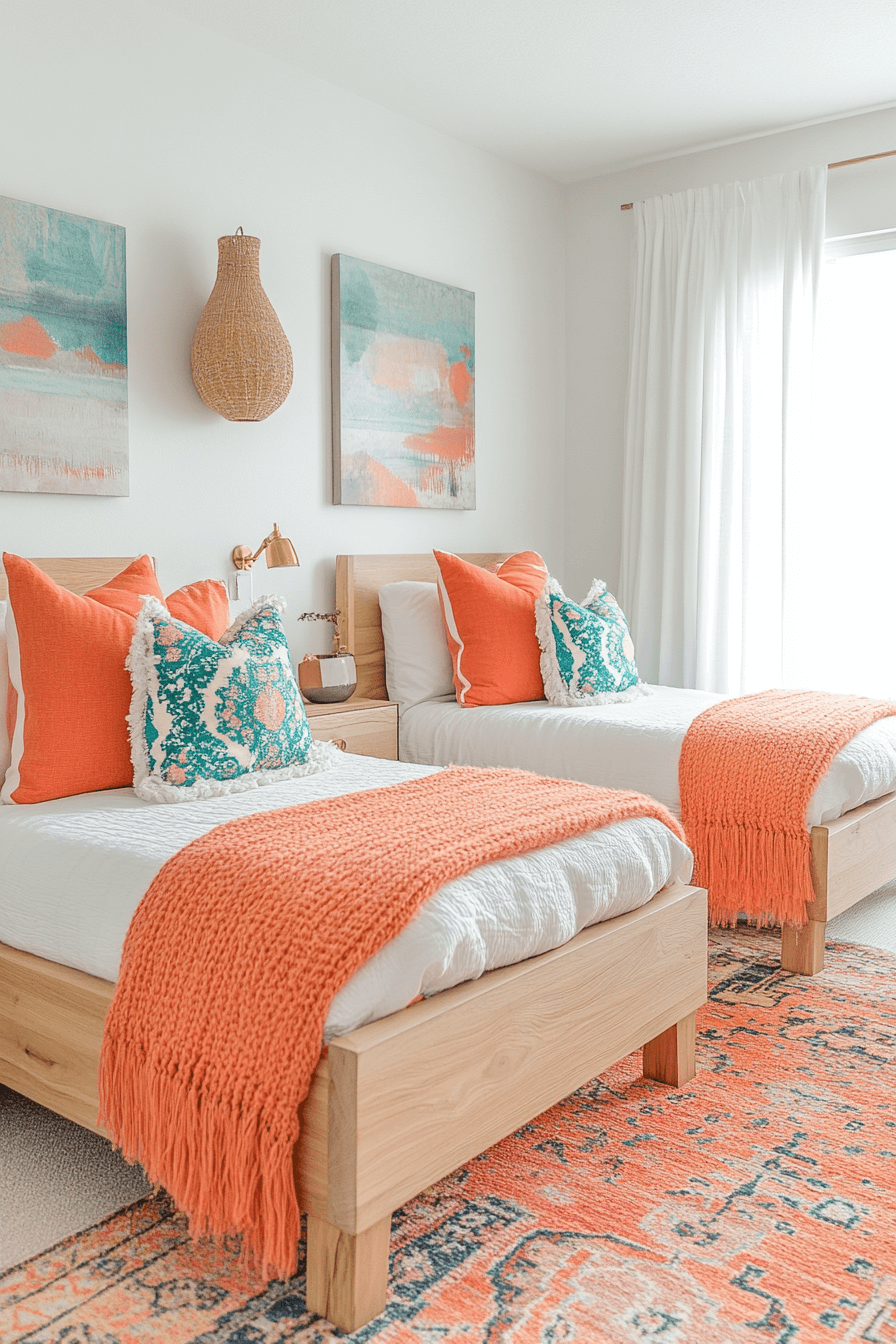
Ever woken up because your roommate decided 3 AM was the perfect time to study? Or maybe you’ve tried to get dressed while someone else is still sleeping, tiptoeing around like a ninja just to avoid waking them. It’s exhausting. Sharing a bedroom is one of those things that sounds fine on paper—save money, save space, bond with siblings or partners—but in reality, it can feel like living in a fishbowl. You’re always "on." There’s no off switch. No place to just be yourself without an audience.
But here’s the thing: you don’t need to knock down walls or move to a bigger apartment to fix this. The solution is often simpler, cheaper, and way more stylish than you’d think. Room dividers. They aren’t just those flimsy screens your grandma had in the dining room. Today, they are versatile design tools that carve out personal territory in a shared space. They create a psychological boundary as much as a physical one. And honestly? They might just save your sanity.
The Psychology of Personal Space
Let’s talk about why this matters. Humans have an innate need for personal space. It’s not just about being antisocial; it’s about regulation. When you share a room, your brain is constantly processing the presence of another person. Even if you love them dearly, their breathing, their movements, their light—it all registers. This constant low-level awareness can spike cortisol levels, making it harder to relax or focus. A divider acts as a visual break. It tells your brain, "Okay, this side is mine. I can let my guard down now."
Think of it like a mental reset button. In 2026, with remote work and online learning still huge parts of daily life, the bedroom isn’t just for sleeping anymore. It’s an office, a classroom, and a lounge. Without clear zones, these roles blur. You try to study, but your bed is right there, tempting you to nap. You try to sleep, but your desk clutter is staring at you. A well-placed divider helps segment these activities. It creates distinct "rooms" within a room. This separation helps you switch modes faster. Work mode stays on one side; rest mode stays on the other.
It also reduces conflict. So many arguments in shared spaces start over tiny things. "You left your stuff on my side." "Your light is too bright." When you have defined territories, these friction points disappear. You know where your zone ends and theirs begins. It fosters respect. It’s harder to encroach on someone’s space when there’s a literal barrier there. It’s not about building a wall between friends or family; it’s about giving each other the gift of solitude when needed.
Types of Dividers That Actually Work
Not all dividers are created equal. Picking the wrong one can make a small room feel cramped or do nothing to block noise. Let’s look at what’s working right now. First, there are folding screens. These are the classics for a reason. They’re portable, come in endless styles (from rattan to modern minimalist), and require zero installation. Perfect for renters. You can fold them away when you want the room to feel open for a party or cleaning day. Just make sure they’re tall enough. If you can see over it while sitting on your bed, it’s probably too short to give you real privacy.
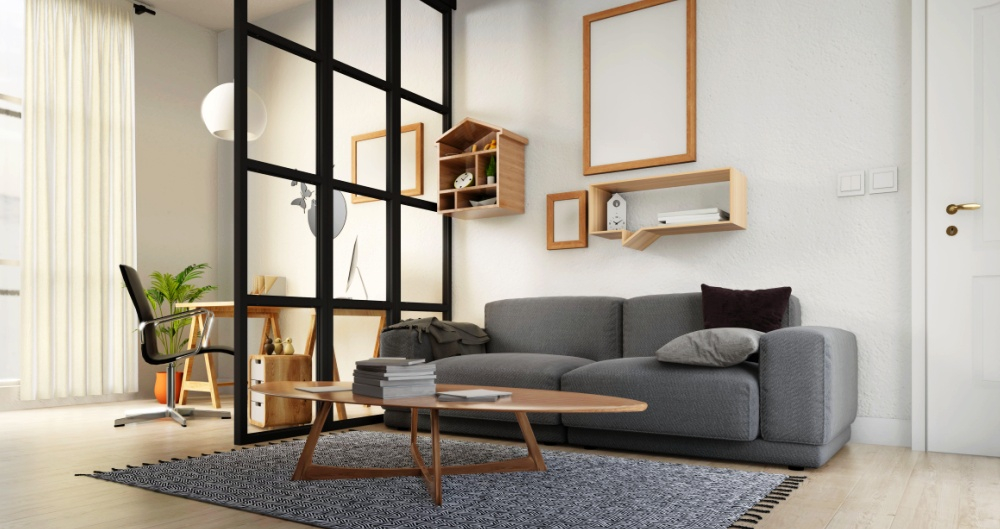
Then there’s the furniture approach. Bookshelves, dressers, or even a tall headboard can act as dividers. This is smart because it serves two purposes: storage and separation. An open-back bookshelf is a favorite trick. It lets light pass through so the room doesn’t feel dark, but it breaks up the line of sight. You can style it with plants or books to add personality. Just anchor it securely, especially if you have kids or pets. Nothing ruins the vibe like a tipping bookcase.
Curtains are another huge player. Ceiling-mounted tracks with heavy fabric can create a soft, cozy nook. They’re great for blocking light, which is crucial if one person is an early bird and the other is a night owl. Plus, they add texture and warmth to a room. The key here is the fabric weight. Sheer curtains won’t do much for privacy or light blocking. Go for blackout liners or thick velvet if you really want to shut out the world. And don’t forget sliding panels or barn doors if you’re allowed to make semi-permanent changes. They offer solid sound dampening and a sleek look.
Designing for Light and Airflow
One big fear people have about dividers is that they’ll make the room feel like a cave. Dark, stuffy, and claustrophobic. Valid concern. But good design solves this. The trick is to balance privacy with openness. If you use a solid divider, like a tall dresser, place it perpendicular to the window rather than blocking it directly. This way, natural light can still flood both sides of the room. Avoid placing dividers in the direct path of air conditioning vents or fans. You want air to circulate freely to keep the space fresh.
Materials matter too. Slatted wood or cane screens allow air and light to filter through while still obscuring vision. They create a dappled light effect that can actually look really beautiful during the day. Glass partitions are another option, though less common in bedrooms due to cost and cleaning. Frosted or textured glass provides privacy while keeping the space feeling airy. For a budget-friendly hack, try using translucent acrylic sheets. They’re lightweight and modern.
Layering is your friend here. Don’t rely on just one element. Combine a partial height bookshelf with a hanging plant or a curtain behind it. This adds depth and prevents the "wall" from feeling abrupt. Mirrors are also a secret weapon. Placing a mirror on the back of a divider or on the wall opposite a window can bounce light around, making the divided space feel twice as big. Just be mindful of where you place them so you’re not constantly catching your own reflection when trying to sleep.
Soundproofing and Noise Control
Let’s be real: dividers aren’t magic soundproof walls. A thin screen won’t stop your roommate from snoring or typing loudly. But they can help. Soft materials absorb sound better than hard ones. Fabric curtains, upholstered panels, or even a bookshelf filled with books and soft items can dampen echoes and reduce noise transmission. If noise is a major issue, consider adding acoustic foam panels to the back of your divider. They’re cheap, easy to cut, and come in colors that blend in.
White noise machines are a great companion to physical dividers. Place one on each side of the divider. This creates a sound buffer that masks minor noises. It’s not about silencing the other person completely; it’s about creating a consistent audio backdrop that makes sudden noises less jarring. Earplugs are also worth mentioning. High-fidelity earplugs can reduce volume without blocking out everything, so you still hear alarms or important conversations.
Communication is key here too. Talk to your roommate about noise expectations. Maybe agree on "quiet hours" after 10 PM. Use headphones for late-night gaming or movies. A divider helps signal that when it’s closed or drawn, you’re in "do not disturb" mode. It’s a visual cue that reinforces verbal agreements. Respect goes a long way. If you know your divider helps muffle your keyboard clicks, you’re more likely to be mindful of your volume, knowing you’re doing your part to keep the peace.
Styling Your Divided Sanctuary
Just because it’s functional doesn’t mean it has to be boring. In fact, the divider can be a standout design feature. Treat it like a piece of art. If you’re using a folding screen, choose one with a pattern or color that complements your bedding. Rattan and bamboo bring a warm, organic vibe that’s very popular in 2026. For a modern look, go for clean lines in black metal or white lacquer.
Personalize each side. This is crucial for making the space feel like home. Let each person decorate their zone with their own posters, lights, and rugs. The divider becomes the border between two distinct personalities. Use string lights or LED strips along the top of the divider to create a cozy glow at night. It adds ambiance and helps define the space without taking up floor room. Plants are another great addition. A trailing pothos on top of a bookshelf divider softens the hard edges and improves air quality.
Keep the floor clear. Clutter makes small spaces feel smaller. Use vertical storage on your divider if possible. Hooks for bags, shelves for books, or pockets for magazines. This keeps the floor open, which makes the room feel larger and easier to navigate. Remember, the goal is harmony. The two sides should feel cohesive even if they’re different. Maybe pick a shared color palette or theme, then let individual tastes shine within those bounds. It creates a unified look that doesn’t sacrifice individuality.
Setting up the divider is just step one. Maintaining peace requires ongoing effort. Check in with your roommate regularly. Is the divider working? Is it too high? Too low? Does it block too much light? Be willing to adjust. Maybe you start with a curtain and realize you need something more solid. Or maybe you find that a partial divider is enough. Flexibility is key. Life changes, schedules change, and your space needs might change with them.
Cleanliness is another factor. Dividers, especially fabric ones, can collect dust. Make sure to vacuum or wipe them down regularly. A dusty room feels stressful and unkempt. Keep the areas around the divider clear so it’s easy to access both sides. If you’re using a heavy piece of furniture, ensure it’s stable and won’t shift when bumped. Safety first.
Finally, remember that the divider is a tool, not a cure-all. It helps, but respect and communication are the foundation of any shared living situation. Use the divider to support those values. It gives you the space to cool off if you’re annoyed, the privacy to cry if you’re sad, and the quiet to focus when you need it. It’s a physical manifestation of boundaries, which are healthy in any relationship. Embrace it. Tweak it. Make it yours.
Sharing a bedroom doesn’t have to mean sacrificing your sense of self. With the right divider, you can have both connection and solitude. It’s about finding that sweet spot where you feel close to your roommate but still have your own corner of the world. So go ahead, measure that space, pick out a style you love, and build your sanctuary. You deserve a place where you can truly unwind. And hey, if all else fails, there’s always noise-canceling headphones. But a nice room divider? That’s a game changer.