You know the feeling. It’s Friday night. The pizza is warm, the drinks are cold, and everyone is ready to unwind. You suggest a game night. Cheers erupt. Then, someone says, "Let’s play that big strategy one with the tiny plastic pieces." The mood shifts. Suddenly, you’re not relaxing; you’re hunting. You’re digging through a closet that looks like a tornado hit a toy store. You’re praying you didn’t lose the dice box three years ago. By the time you find the game, half the pieces are missing, the board is creased, and the kids have already lost interest and gone back to their screens.
It doesn’t have to be this way. In 2026, we have more games than ever before. The hobby has exploded. But our homes haven’t necessarily grown bigger. The clash between our desire for connection through play and the physical clutter it creates is real. But here’s the good news: with a few smart tweaks and some thoughtful storage, you can turn that chaotic scramble into a seamless, joyful ritual. It’s about working smarter, not harder. It’s about making the setup part of the fun, not a chore that kills the vibe before it starts.
The Psychology of the Mess
Why do game boxes drive us crazy? It’s not just the space they take up. It’s the mental load. When a box is overstuffed, opening it feels like defusing a bomb. You’re afraid something will spill. You’re worried you’ll break a component. This anxiety kills the spontaneity of play. Research in behavioral psychology suggests that visual clutter increases cortisol levels, the stress hormone. So, when you look at a shelf of jumbled boxes, your brain is literally stressing out before you’ve even rolled a die.
Think about the last time you tried to find a specific game. Did you feel excited? Or did you feel overwhelmed? For many families, the barrier to playing isn’t a lack of time; it’s the friction of access. If it takes twenty minutes to set up, you won’t play. If it takes two minutes, you’ll play every week. The goal of smart storage isn’t just aesthetics. It’s about reducing friction. It’s about making the path of least resistance lead directly to fun. When everything has a home, your brain can relax. You know where things are. You know they’re safe. That peace of mind is priceless.
Also, consider the social aspect. A cluttered space can make guests feel uncomfortable. They might worry about knocking something over. They might feel like they’re intruding on a mess. A tidy, organized game area signals hospitality. It says, "We’re ready for you. We value this time together." It sets the stage for connection. So, organizing your games isn’t just about tidiness; it’s about creating an environment where relationships can flourish without distraction.
Vertical Victory: Using Wall Space Wisely
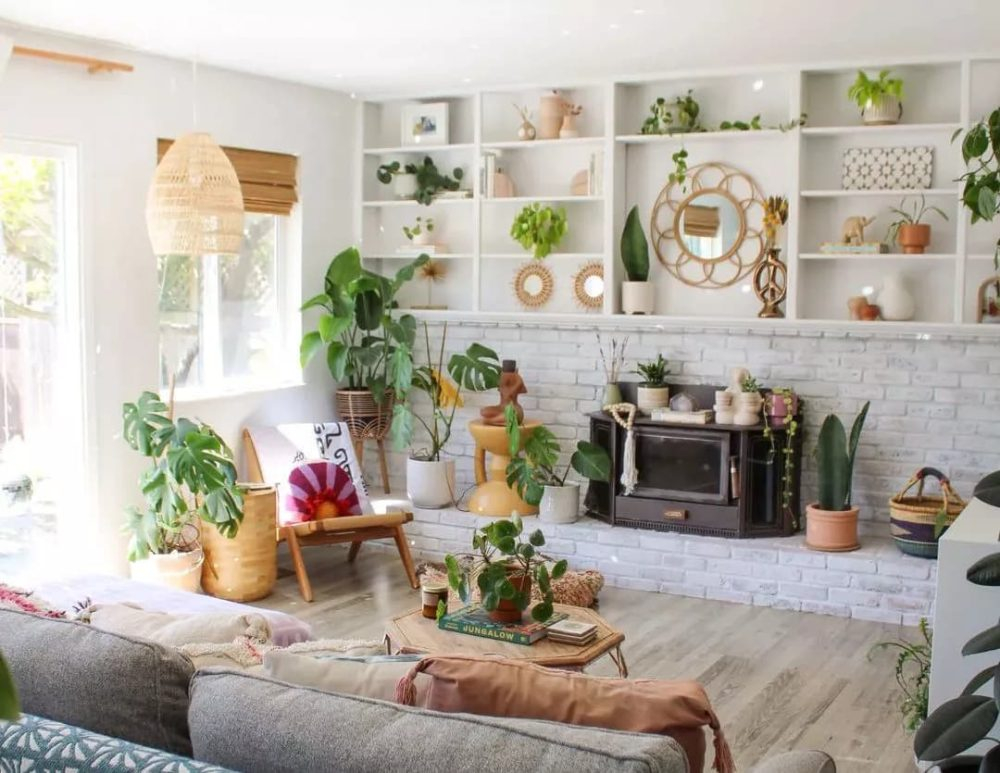
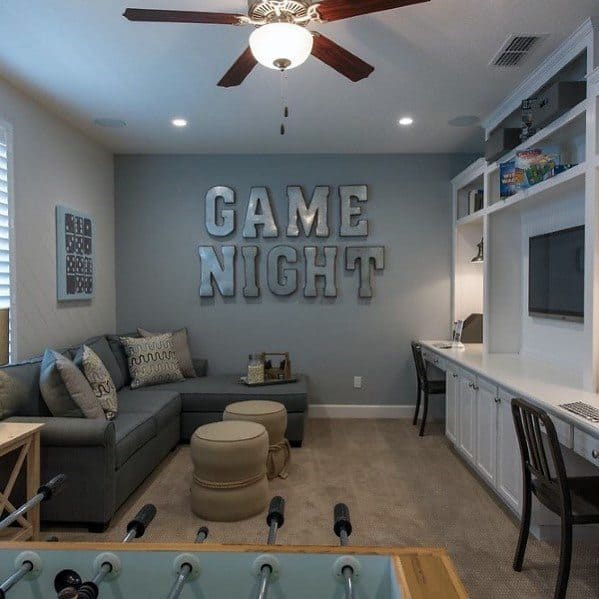
Floor space is premium real estate. In most homes, it’s already claimed by furniture, pets, and people. So, look up. Walls are underutilized storage goldmines. Floating shelves are a classic choice for a reason. They keep boxes off the floor and allow you to display your collection like art. But don’t just stack them haphazardly. Group them by size or color. It sounds superficial, but a visually ordered shelf calms the eye. It makes finding a game faster because your brain can scan patterns quicker than it can read titles.
For heavier games, consider industrial-style shelving with metal brackets. These can hold significant weight without sagging. In 2026, modular wall systems are huge. You can start with a small section and expand as your collection grows. This flexibility is key. Another option is pegboards. Yes, the kind from hardware stores. With the right hooks and baskets, you can hang game boxes, dice towers, and even rulebooks. It’s customizable and keeps everything visible. No more digging behind other boxes to find the one you want.
If drilling holes isn’t an option, tension pole shelves are a fantastic alternative. They go from floor to ceiling and require no permanent installation. They’re perfect for renters or anyone who likes to rearrange furniture often. Just make sure they’re stable. You don’t want a tower of Catan crashing down during a movie night. Labeling shelves can also help. Use simple labels like "Quick Games," "Strategy," or "Kids." This helps family members put things back in the right spot, maintaining the order you worked hard to create.
Inside the Box: Insert Innovation
The box itself is often the enemy. Publishers design boxes to look impressive on store shelves, not to be efficient in your home. They leave huge empty spaces filled with air and plastic wrap. This is wasted volume. The solution? Inserts. Custom foam inserts are popular, but they can be pricey. A more affordable and flexible option is using clear plastic containers or ziplock bags within the box. Sort components by type: all the red meeples in one bag, all the cards in a deck box.
This does two things. First, it protects the components. Cards stay crisp. Tokens don’t get scratched. Second, it speeds up setup and teardown. Instead of dumping everything onto the table and sorting it later, you just pull out the pre-sorted bags. When the game is over, you dump them back in. It’s faster and less prone to error. You’re less likely to lose a single crucial token if it’s confined to a small, labeled bag.
For those who love DIY, cardboard dividers are easy to make. Cut old cereal boxes into strips and fold them to create compartments. It’s free and effective. There are also many 3D printable designs available online now. If you have access to a printer, you can download files for specific games and print custom organizers. This community-driven approach has grown massively in recent years. It allows for hyper-specific solutions that fit your exact needs. Just remember to measure your box interior first. Precision matters.
The Power of Decanting
Sometimes, the box is beyond saving. It’s too big, too flimsy, or just ugly. In these cases, decanting is the answer. This means removing the game from its original packaging and storing it in a uniform container. Photo storage boxes are great for card-heavy games. They’re sturdy, stackable, and come in standard sizes. You can label the spine with the game name and a small image of the cover art. This makes identification easy even when stacked.
For games with boards and many pieces, clear plastic bins with lids work well. Choose bins that are slightly larger than the game components to allow for easy removal. Avoid opaque bins unless you label them thoroughly. Being able to see what’s inside saves time. You can also use vacuum-seal bags for games you rarely play. This reduces their volume significantly and protects them from dust and moisture. Just be sure to keep the rulebook accessible, perhaps in a separate binder or digital format.
Decanting also allows you to combine compatible games. If you have several small card games, they can often fit into a single larger box. This frees up shelf space and reduces the number of individual items to manage. It’s like Tetris for your closet. The key is consistency. Use the same type of container for similar games. This creates a visual rhythm that makes the storage area feel orderly and intentional. It transforms a chaotic collection into a curated library.
Digital Hybrids and Rulebook Management
In 2026, the line between physical and digital is blurrier than ever. Many games now offer digital companions or apps for setup and scoring. Use these tools to reduce physical clutter. Instead of keeping track of scores on paper sheets that get lost, use an app. Instead of referencing a bulky rulebook, keep a tablet nearby with the PDF version. This reduces the number of physical items you need to handle during play.
However, digital doesn’t mean zero paper. You still need quick-reference guides. Print these on cardstock and laminate them. They’re durable and easy to wipe clean. Store them in a dedicated pocket in the game box or in a central binder for all your games. This prevents the "where are the rules?" panic. Also, consider using QR codes. You can print a small QR code sticker and place it inside the box lid. Scanning it takes you directly to the online rulebook or a video tutorial. It’s a small tech touch that solves a big annoyance.
Keep your digital files organized too. Create folders on your cloud storage for each game. Save the rulebook, any expansion details, and fan-made variants there. This ensures you always have access to the information, even if the physical copy gets damaged. It’s a backup system that provides peace of mind. And for those who prefer tactile experiences, consider binding your own rulebooks. Remove the stapled booklet from the box and bind it in a spiral notebook format. It lays flat on the table, which is much easier to read during gameplay.
Organization isn’t a one-time event. It’s a habit. Without maintenance, even the best system will decay. Establish a "game night reset" routine. This doesn’t have to be long. Ten minutes after the game ends is enough. Check for missing pieces. Wipe down the board if it got sticky from snack fingers. Put everything back in its designated spot. Involve the whole family in this process. Make it part of the game. Who can pack up the fastest? Who can find the missing meeple? Gamify the cleanup.
Regular audits are also helpful. Every few months, go through your collection. Are there games you haven’t played in a year? Be honest. If a game isn’t bringing joy, let it go. Donate it, sell it, or gift it to a friend. This keeps your collection fresh and relevant. It prevents storage from becoming a graveyard of good intentions. A smaller, curated collection is easier to manage and more likely to be played. Quality over quantity always wins in game nights.
Finally, communicate with your family. Ask them what’s working and what isn’t. Maybe the shelves are too high for the kids to reach. Maybe the labels are confusing. Adjust the system based on feedback. Organization should serve the users, not the other way around. If a solution feels cumbersome, change it. Flexibility is key. The best storage system is the one you actually use consistently. It should feel effortless, not like a second job. Keep it simple, keep it accessible, and keep the focus on fun.
So, there you have it. A clutter-free game night isn’t magic. It’s method. It’s about respecting the space you have and the time you share. By implementing these smart storage solutions, you’re not just organizing boxes. You’re clearing the path for connection. You’re removing the barriers between you and the laughter that comes from a well-played game. Start small. Pick one shelf. Organize one box. See how it feels. Notice the difference in your mood. Notice how much quicker you get to the good part.
Remember, the goal isn’t perfection. It’s progress. It’s about making it easier to say yes to play. In a world that’s increasingly busy and digital, the simple act of gathering around a table is revolutionary. Protect that time. Honor it with order. Let your storage solutions be the silent partners in your family’s memories. They won’t take credit for the laughs, but they’ll make sure the laughs happen more often. And really, isn’t that what it’s all about? Now, go find that dice box. It’s probably in the kitchen drawer. Just kidding. It’s on the second shelf, in the blue bin. Happy gaming.