You’ve probably stood in the aisle of a hardware store, staring at two cans that look nearly identical. One says "Raw," the other says "Boiled." They both promise to protect your wood. They both smell like… well, oil. But pick the wrong one, and you might end up with a sticky mess that never dries, or worse, wood that rots from the inside out because it trapped moisture. It’s frustrating. Especially when you just want your garden bench to look nice for the summer BBQ.
In 2026, the conversation around natural wood finishes has shifted. People are moving away from harsh chemical sealants and back toward traditional, breathable options. Linseed oil is having a moment. But here’s the thing: not all linseed oil is created equal. The difference between the raw and boiled versions isn’t just about how fast it dries. It’s about chemistry, safety, and how your wood actually breathes. Let’s clear up the confusion once and for all.
The Chemistry Bit (Simplified)
So, what’s actually in the can? Both oils come from flax seeds. That’s the simple part. Raw linseed oil is exactly what it sounds like: pure, pressed oil from the seed. Nothing added. Nothing taken away. It’s natural, organic, and incredibly slow to cure. We’re talking weeks, sometimes months, depending on the humidity and temperature. It stays liquid for a long time, which lets it soak deep into the wood fibers. That’s good for nourishment, but bad if you want to sit on your chair tomorrow.
Boiled linseed oil, on the other hand, is a bit of a misnomer. Despite the name, it’s rarely actually "boiled" in the traditional sense anymore. In 2026, most commercial boiled linseed oil (BLO) is raw oil that has been heated and mixed with metallic dryers—usually cobalt or manganese salts. These additives act as catalysts. They speed up the oxidation process, allowing the oil to harden into a solid film much faster. Usually within 24 to 72 hours. This makes it practical for projects. But those additives change how the oil behaves. It forms a thicker surface layer, which can be great for water resistance but might peel if the wood moves too much.
Drying Time and Patience
Let’s talk about the biggest headache for any DIYer: waiting. If you use raw linseed oil on an exterior deck in May, you need to plan ahead. Like, way ahead. Because it takes so long to polymerize (that’s the fancy word for turning from liquid to solid), it remains tacky. Dust, leaves, and pollen will stick to it. If it rains before it cures, the water can wash away the oil or cause it to turn white and cloudy. It’s a high-maintenance relationship. You basically have to baby the wood for a few weeks.
Boiled linseed oil is the impatient person’s friend. You apply it, wipe off the excess, and come back the next day. It’s ready for a second coat or light use much quicker. This is crucial for exterior wood because weather doesn’t wait. In many parts of the country, spring showers are unpredictable. Using BLO means you have a smaller window of vulnerability. However, don’t rush it completely. Even "fast-drying" oil needs time to fully harden. Rushing to put a cushion on a freshly oiled bench is a recipe for fabric stains that won’t come out.
Weather Resistance and Durability
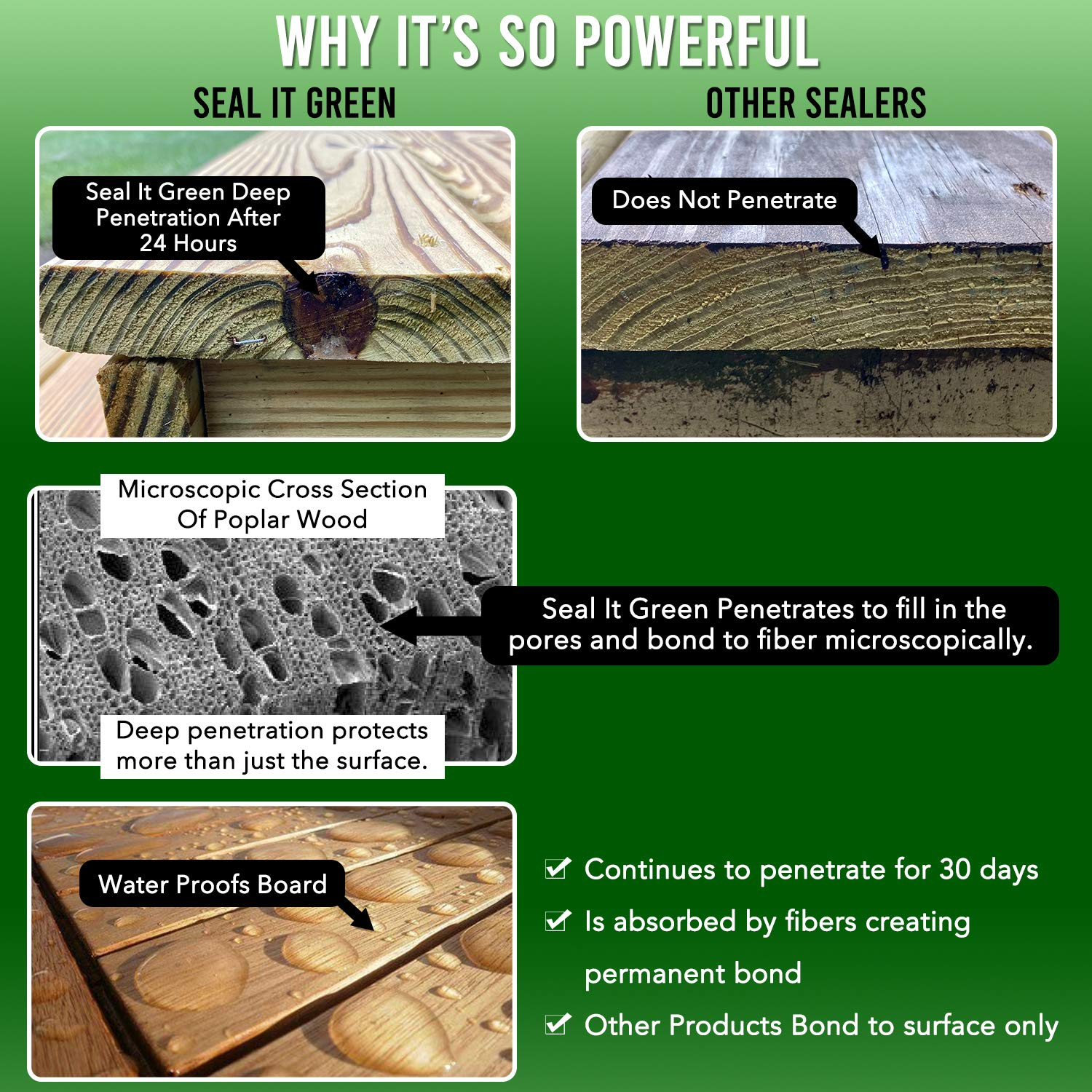
When we look at protection, we’re really talking about two things: water repellency and UV resistance. Linseed oil, whether raw or boiled, is decent at repelling water once it’s cured. It fills the pores of the wood, stopping rain from soaking in and causing swelling or rot. Boiled linseed oil tends to form a slightly harder, more water-resistant surface film because of the additives. This makes it a bit better for horizontal surfaces like table tops or deck rails where water sits.
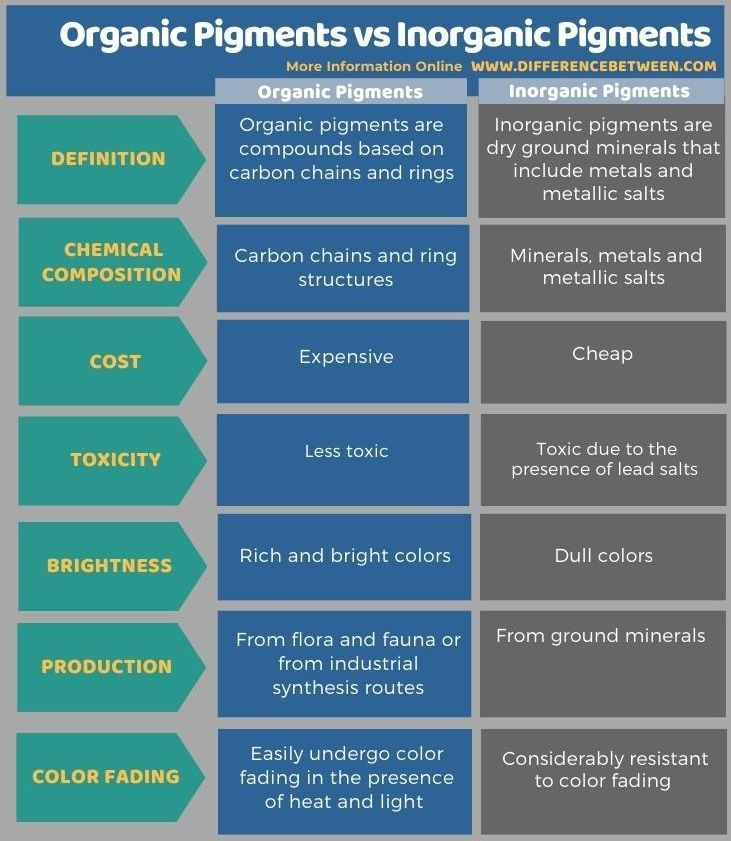
But here’s the catch: neither oil is great at blocking UV rays. Sunlight breaks down lignin, the stuff that holds wood fibers together, causing that familiar gray, weathered look. In 2026, many people are mixing their linseed oil with natural pigments or using it as a base coat under a UV-stable topcoat. Raw oil penetrates deeper, which can help keep the wood flexible and less prone to cracking from the inside. Boiled oil sits more on the surface. If the surface film cracks, water gets underneath and can trap moisture, leading to peeling. For vertical siding or fences, raw oil’s deep penetration can sometimes last longer because it doesn’t have a film to peel off. It just fades gradually.
The Mold and Mildew Factor
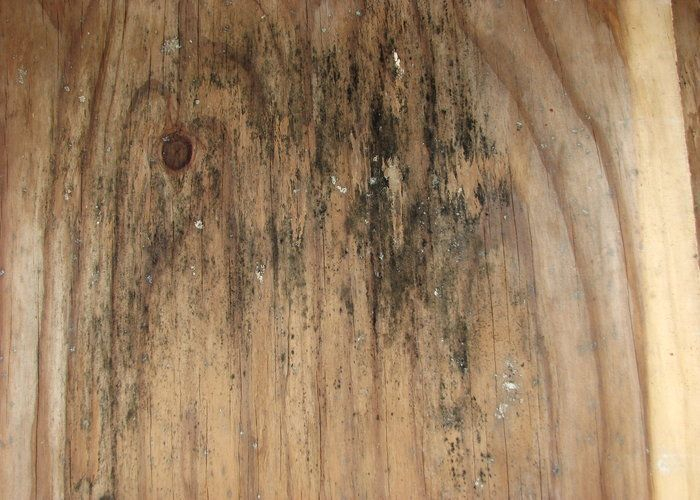
This is the part that often gets overlooked until it’s too late. Raw linseed oil is a food source. Literally. It’s organic matter. If it doesn’t dry quickly, or if it’s applied in a damp, shady area, it can encourage mold and mildew growth. You might see black spots appear on your wood a few months after application. This is especially common in humid climates or on north-facing walls that don’t get much sun. The oil stays slightly soft, and spores love that environment.
Boiled linseed oil is less prone to this issue, simply because it cures harder and faster. The metallic dryers make the final film less appetizing to mold. However, it’s not immune. If you apply it too thickly, the surface might skin over while the underside stays wet. This trapped oil can still go rancid or support microbial growth. The key with both, but especially with raw, is thin coats. And for exterior use in damp areas, many experts in 2026 recommend adding a natural fungicide or choosing a pre-formulated blend that includes mildewcides, even if you’re trying to stay "natural."
Application Tips for Best Results
Prep is everything. You can’t just slap oil on dirty, wet wood. Start by cleaning the surface thoroughly. A mix of warm water and mild soap works, or a dedicated wood cleaner if there’s heavy grime. Let it dry completely. Bone dry. If there’s old finish, sand it down. Linseed oil needs bare wood to penetrate properly. Once you’re ready, stir the oil well. Don’t shake it; you’ll create bubbles.
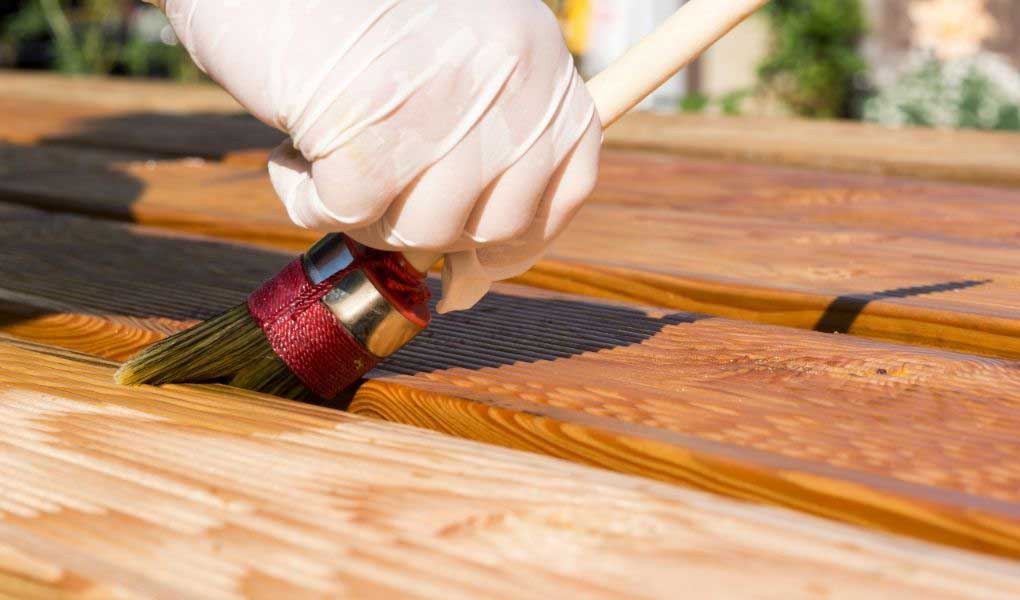
Apply with a natural bristle brush or a clean, lint-free rag. Work with the grain. For raw oil, you might need to apply multiple thin coats over several days, wiping off any excess after 15-20 minutes each time. For boiled oil, one or two coats usually suffice. Wait 24 hours between coats. Here’s a pro tip: don’t glob it on. More is not better. Excess oil just sits on the surface, staying sticky and attracting dirt. Wipe it off until the wood looks saturated but not puddled. And please, check the weather forecast. Don’t apply if rain is expected within 48 hours for BLO, or a week for raw.
Safety and Disposal in 2026
Let’s get serious for a second. Linseed oil, particularly boiled, is a spontaneous combustion hazard. As it dries, it generates heat. If you bunch up oily rags in a trash can, that heat has nowhere to go. It can ignite. Yes, really. There are still house fires caused by improper disposal of oil-soaked rags every year. In 2026, safety guidelines are stricter than ever. Never throw oily rags in the regular trash. Lay them flat outdoors to dry completely, hanging over a non-flammable surface like a concrete driveway or a metal rack. Once they are stiff and brittle, they can be disposed of safely. Some municipalities now require you to take them to a hazardous waste facility. Check your local rules.
Also, consider the environmental impact. While linseed oil is biodegradable, the metallic dryers in boiled linseed oil are not. If you’re working near a garden bed or a water source, be careful with runoff. Raw linseed oil is the safer choice for eco-conscious projects, provided you can manage the drying time. Always wear gloves. The oil can irritate skin, and some people are allergic to flax. Ventilation is key too, even though the fumes aren’t as toxic as synthetic varnishes. Fresh air helps the curing process anyway.
So, which one should you pick? It depends on your project and your patience. If you’re restoring an antique outdoor bench and have time to let it cure slowly, raw linseed oil offers a beautiful, deep, authentic finish that ages gracefully. It’s ideal for vertical surfaces like fence posts where water shedding is less critical than deep protection. It’s also the go-to if you’re strictly avoiding synthetic additives.
For most homeowners in 2026, boiled linseed oil is the practical winner. It’s faster, more water-resistant, and easier to maintain. It’s perfect for deck railings, outdoor tables, and garden tools. Just remember to apply thin coats, dispose of rags safely, and reapply every year or two to keep the wood looking fresh. Neither oil is a "set it and forget it" solution. Wood is alive, and it needs care. But with the right oil and a little effort, your outdoor spaces can stay warm, inviting, and protected for years to come. Don’t stress the perfection. Just respect the wood, and it’ll reward you.