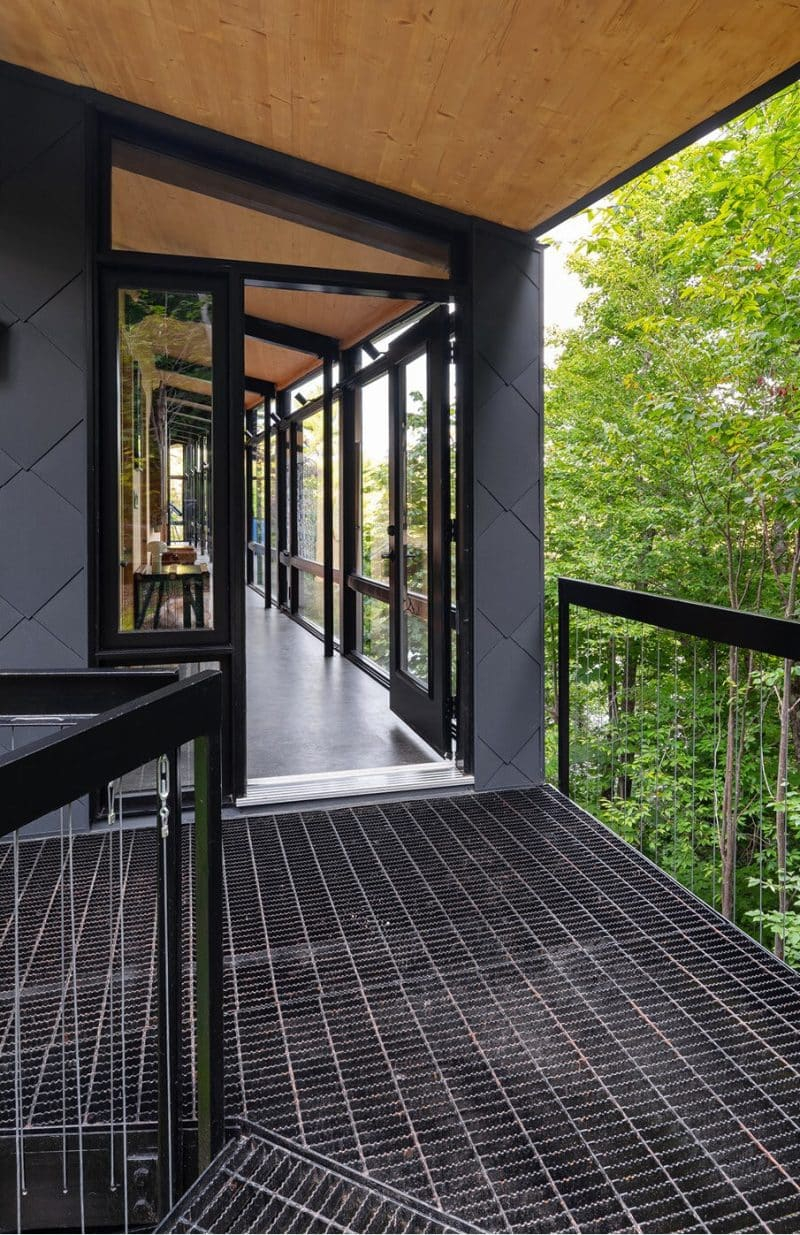
You’ve probably seen the photos. Those warm, honey-colored walls that look like they were carved from a single block of wood. It’s Cross Laminated Timber, or CLT, and it’s been the darling of architectural magazines for years. But when you stop drooling over the aesthetics and start looking at the spreadsheet, things get murky. Everyone seems to have a different number. Is it a budget-buster? Or is it actually cheaper than steel if you play your cards right?
In 2026, the conversation has shifted. We aren’t just talking about "green" building anymore. We are talking about hard dollars. The hype has settled, supply chains have stabilized after the chaos of the early 2020s, and we finally have some real data. If you are a developer, a homeowner, or just someone curious about where our cities are heading, you need to know what this stuff actually costs. Not the marketing fluff. The real, out-the-door price.
Let’s be honest. Wood sounds cheap. We build houses out of sticks, right? But CLT isn’t sticks. It’s engineered precision. And while the sticker shock can be real, the final bill often tells a different story. This guide breaks down the numbers, the surprises, and the reasons why 2026 might just be the year mass timber stops being the "expensive alternative" and starts being the smart choice.
Breaking Down the Sticker Shock
When you first ask for a quote on CLT, you might feel like you’ve been punched in the gut. The raw material cost is higher than traditional lumber. That’s just a fact. In 2026, the price for the panels themselves, including fabrication and delivery, typically lands between $18 and $70 per square foot. That range is huge, I know. It depends on how thick the panels need to be, how far they have to span, and whether you want them sanded smooth or left with a rougher, rustic texture.
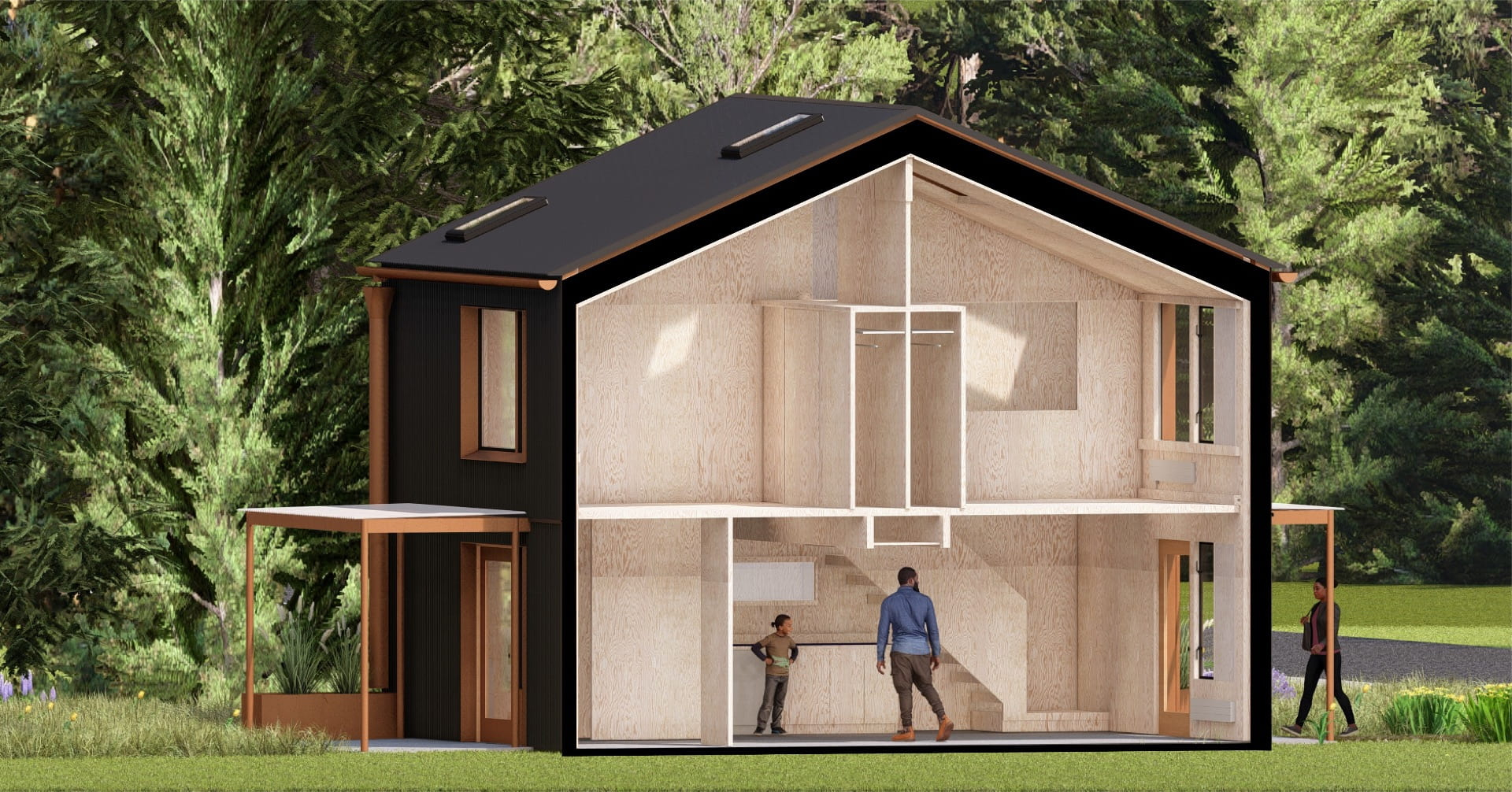
But here is the thing most people miss. You aren’t just buying wood. You are buying a finished surface. With traditional concrete or steel, you pay for the structure, then you pay again for the drywall, the insulation, the vapor barriers, and the finishing layers. With CLT, the panel is the wall. It’s the structure and the finish in one go. So, when you see that $30 per square foot price tag, remember that you’re skipping three or four other trades. It’s an all-in-one deal.
For small-to-medium builds, like a custom home or a small office, total installed projects often fall in the $80,000 to $350,000 band. If you are dreaming big—multi-story apartments or large commercial spaces—you are looking at exceeding $500,000 easily. The key driver here is complexity. A simple box is cheap. A building with cantilevers, weird angles, and massive open spans? That’s where the price climbs. The thicker the panel needs to be to hold up the roof without columns, the more you pay. It’s physics, plain and simple.
The Labor Equation: Speed vs. Skill
Labor is where the plot thickens. In 2026, skilled carpenters are expensive. Actually, they are scarce. But installing CLT doesn’t require an army of framers working for weeks. It requires a smaller crew with cranes and precision. This is the trade-off. You pay more per hour for the specialized installers, but you pay them for far fewer hours. A CLT structure can go up in days, not months.
Think about it. A traditional steel frame might take weeks to weld and bolt, followed by weeks of decking. A CLT building? The panels arrive pre-cut. They lift into place. They lock together. The weather stays out because the envelope closes fast. This speed saves money on financing costs, site supervision, and equipment rentals. If you are paying interest on a construction loan, every day you save is cash in your pocket. In many cases, the labor savings offset the higher material costs.
However, there is a catch. Your team needs to be sharp. Mistakes in traditional framing can be fixed with a saw and a hammer on-site. Mistakes in CLT? Not so much. If a panel is cut wrong, you can’t just trim it. You have to order a new one, which means waiting. This is why the design phase is critical. You need perfect drawings. You need everyone—from the architect to the engineer to the fabricator—on the same page before a single tree is cut. If you skimp on the prep work, you will pay for it later.
Comparing Apples to Oranges: Steel and Concrete
Let’s talk about the competition. For decades, steel and concrete have been the kings of commercial construction. Why? Because they are predictable. But in 2026, the gap is closing. Some reports suggest that mass timber can cut costs by up to $50 per square foot compared to steel framing. How? It’s lighter. Lighter buildings need smaller foundations. Smaller foundations mean less concrete and less excavation. That’s a huge saving before you even start building up.
On the flip side, if you compare CLT to traditional light wood framing (the stuff used in most suburban homes), CLT is still pricier. A typical light wood frame house runs about $150 to $250 per square foot. A mass timber building? Expect $250 to $400 per square foot, averaging around $325. So, if you are building a standard two-story duplex, CLT might not make financial sense yet. It’s overkill. But for mid-rise buildings—say, four to six stories—CLT starts to shine. It allows for taller wood structures without the fireproofing costs associated with steel.
There is also the issue of insurance and risk. Steel doesn’t burn, but it warps in heat. Concrete is heavy and cracks. CLT chars in a predictable way, maintaining its structural integrity longer than unprotected steel in some fire scenarios. This can lead to lower insurance premiums in some jurisdictions, though that varies wildly by region. It’s another hidden cost benefit that doesn’t show up on the initial material invoice but matters deeply to the bottom line.
The Hidden Savings Nobody Talks About
We need to talk about the stuff that doesn’t have a price tag on the shelf. Time is money, sure, but what about waste? Traditional construction sites are messy. They are filled with scraps of drywall, cut-offs of lumber, and packaging waste. CLT is fabricated off-site in a factory. The precision is computer-controlled. There is almost zero waste on the job site. For companies trying to meet sustainability goals or avoid landfill fees, this is a massive plus.
Then there is the thermal performance. Wood is a natural insulator. Steel is a thermal bridge—it conducts cold right into your building. To make a steel building energy efficient, you have to add layers of insulation and break those thermal bridges. With CLT, the wood itself helps keep the building warm in winter and cool in summer. This means you can often downsize your HVAC system. A smaller heater and air conditioner cost less to buy and less to run. Over the life of the building, those energy savings add up to thousands of dollars.
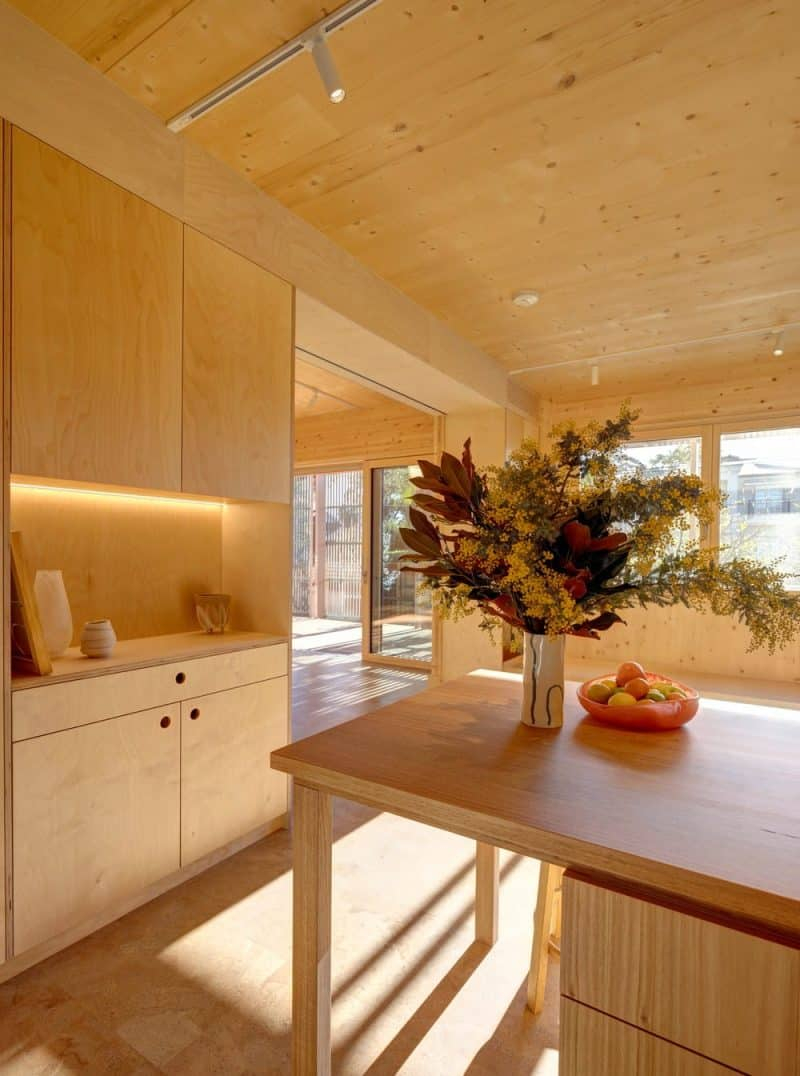
Don’t forget the aesthetic value. In 2026, people want authenticity. They want to see the wood. Exposed CLT ceilings and walls are a major selling point for offices and luxury apartments. You don’t need to hang drywall and paint it. You just seal the wood. This saves on interior finishing costs, which can be 20-30% of a project’s budget. If you can leave the structure exposed, you are literally saving money by doing less work. It’s rare in construction that doing less costs more, but here, the beauty is in the simplicity.
Regional Differences and Supply Chains
Not all CLT is created equal, and not all places treat it the same. In 2026, the cost of CLT is heavily influenced by where you are building. If you are in the Pacific Northwest or parts of Canada, you are close to the source. Transportation costs are lower. The local labor force is familiar with the material. Your prices will be on the lower end of that $18-$70 spectrum.
But if you are building in Florida or the Southeast, you are paying for shipping. Heavy panels cost a lot to move across the country. Plus, you might face a learning curve with local inspectors and contractors who haven’t worked with mass timber before. This can lead to delays and unexpected costs as everyone figures it out. Some regions have adopted CLT faster than others, creating pockets of expertise and efficiency. Know your local market.
There is also the matter of incentives. Many states and cities are offering tax breaks or grants for sustainable building materials. In 2026, these programs are more robust than ever. You might qualify for carbon credits or green building rebates that directly offset the higher upfront cost of CLT. It’s worth digging into local regulations. Sometimes, the "real" cost is much lower once you factor in the checks the government sends you for building responsibly. Always check the latest local codes and incentive programs before finalizing your budget.
Here is the big news. Industry experts are predicting cost parity by 2026. What does that mean? It means the price of building with mass timber is catching up to traditional methods. As production scales up and more factories come online, the price of the panels is dropping. At the same time, the cost of steel and concrete has remained volatile due to energy prices and global supply issues.
We are seeing a shift. Builders who once dismissed CLT as a niche product are now considering it standard. The technology is mature. The supply chain is reliable. The workforce is trained. When you combine the material costs with the speed of construction and the long-term operational savings, CLT is no longer the "expensive eco-option." It is a competitive, viable alternative for a wide range of projects.
This doesn’t mean it’s cheap. It means it’s fair. You get what you pay for. And what you get is a building that is faster to erect, healthier to live in, and kinder to the planet. The gap between the initial quote and the final value is narrowing. For many developers, the decision is no longer about cost alone. It’s about value. And in 2026, the value proposition of Cross Laminated Timber is stronger than it has ever been. It’s not just about saving trees. It’s about saving money, time, and sanity.
So, is CLT right for your project? If you are building a simple shed, probably not. But if you are looking at a multi-story structure, a complex design, or a project where speed and sustainability matter, the numbers are starting to make sense. The real cost isn’t just the price of the wood. It’s the total picture. And in 2026, that picture is looking pretty good. Just make sure you plan ahead, hire the right team, and don’t be afraid to ask for detailed breakdowns. The truth is in the details.