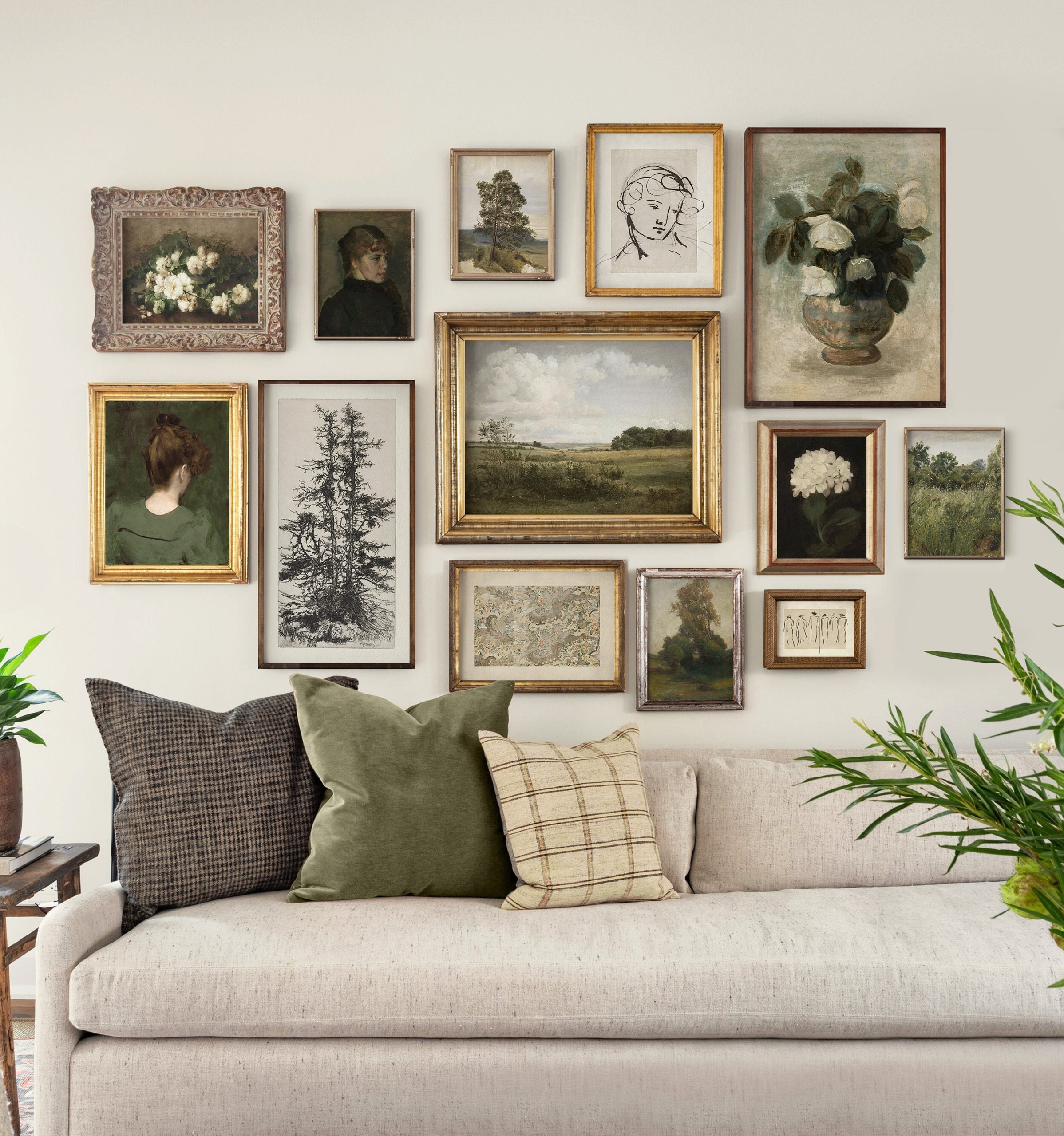
Ever walked into a room and felt like something was missing? Maybe the walls looked too bare, or perhaps they were riddled with tiny holes from years of shifting artwork. It’s a common frustration. We love changing our decor, but we hate the aftermath. That’s where picture rails come in. They’re not just a relic of the past; they’re a smart solution for today’s homes.
In 2026, there’s a shift happening. People are tired of the sterile, perfect look that dominated the early 2020s. We crave character. We want homes that feel lived-in and layered. Picture rail molding offers exactly that. It’s a subtle detail that adds depth and history without shouting for attention. And the best part? You can hang your favorite prints without ever picking up a hammer again.
A Nod to History with Modern Appeal
Picture rails aren’t new. In fact, they were standard in homes built before the 1950s. Victorian and Edwardian houses used them extensively. Back then, it wasn’t just about style; it was practicality. Plaster walls were delicate. Driving nails into them risked cracks and chips. So, architects installed these slim horizontal strips near the ceiling.
Today, we’re seeing a resurgence. But it’s not just about copying the past. It’s about blending old-world charm with modern living. When you install a picture rail, you’re instantly adding architectural interest. It breaks up large wall spaces and draws the eye upward. This makes rooms feel taller and more grand. Whether you choose a thick, traditional molding or a sleek brass rod, the effect is immediate. It feels significant. It feels intentional.
The aesthetic versatility is huge. If you love the look of historic homes, a wood molding painted to match your trim creates a seamless, classic vibe. Prefer something more transitional? Brass or black metal rails add warmth and a touch of industrial edge. It’s this flexibility that’s driving the trend. You don’t have to live in a century-old home to appreciate the elegance. You just need a desire for something better than adhesive hooks.
Saving Your Walls (and Your Security Deposit)
Let’s talk about the real pain point: wall damage. We’ve all been there. You find the perfect spot for a new piece of art. You drill, you hang, and then… you realize it’s crooked. Or maybe you just get bored of it a month later. Each move leaves a hole. Over time, your walls look like Swiss cheese. For renters, this is a nightmare. It means patching, painting, and potentially losing part of your security deposit.
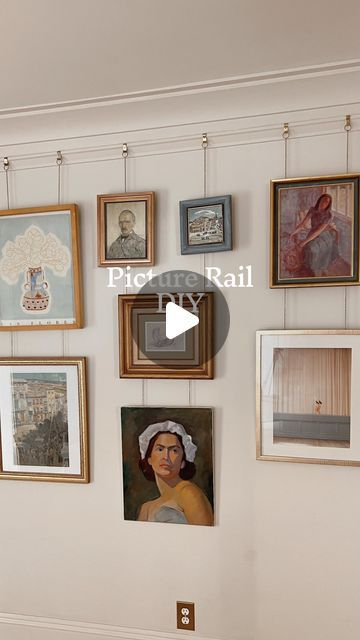
Picture rails solve this problem elegantly. The system uses specialty hooks that grip the rail’s profile. From these hooks, wires or chains drop down to hold your frames. The key here is that nothing touches the wall below the rail. Zero nails. Zero holes. Zero stress. You can rearrange your entire gallery wall in minutes. Want to swap a large landscape for a cluster of small photos? Go for it. The wall stays pristine.
This benefit is particularly valuable in 2026. With housing markets still tight, many people are renting longer or buying older homes they don’t want to renovate extensively. Picture rails offer a non-permanent way to customize your space. It’s a freedom that traditional hanging methods just can’t match. Plus, for those with historical homes, preserving the original plaster is crucial. This method respects the integrity of the building while allowing for personal expression.
Flexibility in Art Display
One of the coolest things about picture rails is the creative freedom they offer. Traditional hanging limits you. Once a nail is in the wall, moving a picture even two inches requires spackling and repainting. With a rail system, you’re unshackled. You can slide hooks along the rail to adjust spacing. You can layer pieces at different heights. You can create vertical lines of art that draw the eye up, making ceilings feel higher.
This flexibility encourages experimentation. Many people find they become more adventurous with their decor when the stakes are low. You might try hanging a large mirror above a sofa, then decide it looks better in the hallway. No problem. Just unhook and move. It turns decorating into a playful process rather than a high-stakes commitment.
It also makes handling heavy or awkward items easier. Large frames can be tough to level on a single nail. With a rail, the weight is distributed along the wire, and the hook holds it steady. You can hang multiple pieces from a single hook if you want a clustered look. The possibilities are endless. It’s like having a movable grid system for your walls, but one that looks beautiful and classic.
Choosing the Right Style for Your Home
Not all picture rails are created equal. The style you choose sets the tone for the room. In 2026, we’re seeing a mix of traditional and contemporary options. Wood moldings remain popular for their warmth and ability to blend with existing trim. Oak, pine, and MDF are common materials. They can be painted to match your crown molding for a cohesive look, or contrasted with a bold color for a statement.
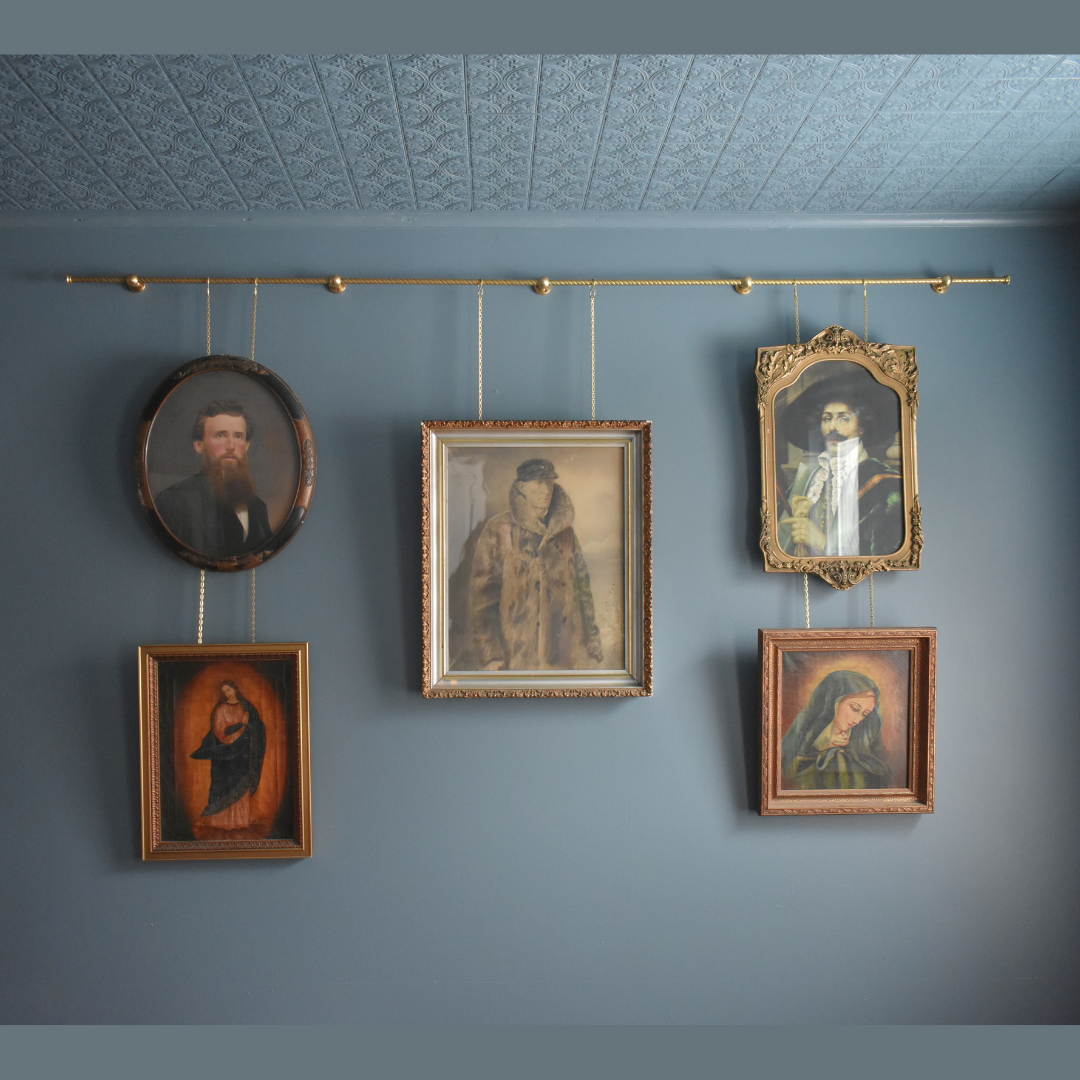
Metal rails are gaining traction too. Brass, bronze, and black steel offer a sleeker, more modern aesthetic. These are often thinner and less obtrusive than wood moldings. They work well in minimalist spaces or industrial lofts. A brass rail, for instance, adds a touch of luxury without feeling ostentatious. It catches the light and adds a subtle sparkle.
Then there’s the placement. Typically, picture rails are installed 12 to 20 inches down from the ceiling. This height keeps them out of the way but visible enough to be appreciated. In rooms with very high ceilings, you might place them lower to balance the proportions. The goal is to create a harmonious line that frames the space. Don’t be afraid to mock up the position with painter’s tape before installing. Getting the height right is key to the overall effect.
Installation Tips for DIYers
Installing a picture rail might sound intimidating, but it’s a manageable DIY project for most homeowners. The first step is choosing your material. Pre-primed MDF is easy to work with and paint. Solid wood offers durability and a richer finish but requires more care. Measure your room carefully. You’ll need enough length to go around the entire perimeter, plus a bit extra for mitered corners.
Cutting the corners is the trickiest part. A miter saw is essential for getting clean 45-degree angles. If you don’t have one, consider using corner blocks. These are decorative pieces that cover the joints, adding a classical detail while simplifying the installation. Secure the rail to the wall studs using finishing nails. Make sure it’s level. A laser level is a huge help here.
Once the rail is up, it’s time to paint. If you’re using wood, sand it smooth first. Apply a primer, then two coats of paint. Match the color to your trim for a seamless look, or go darker for contrast. After it dries, install the hooks. These slide onto the rail and lock in place. Attach your picture wires to the back of your frames, and you’re ready to hang. It’s a weekend project that pays off for years.
While hanging pictures is the primary use, picture rails are surprisingly versatile. In 2026, people are finding new ways to incorporate them. Some use them to hang plants. Trailing pothos or ferns look stunning suspended from a rail. It brings greenery into the room without taking up floor or shelf space. Others use them for lighting. Pendant lights can be hung from hooks, allowing you to adjust the height and position as needed.
In dining rooms, picture rails can hold seasonal decorations. Think garlands during the holidays or lightweight banners for birthdays. It’s a great way to celebrate without damaging walls. In bedrooms, they can support canopy drapes, adding a touch of romance and softness. The key is to keep the weight reasonable. Most rails can handle several pounds per hook, but always check the manufacturer’s specs.
Another creative idea is using them in entryways. Hang keys, bags, or hats from decorative hooks. It’s a functional storage solution that looks chic. Or, in a home office, use the rail to organize cables or hang inspiration boards. The rail becomes a utility line that’s also a design feature. It’s about thinking beyond the frame. Once you have that horizontal line, the whole room opens up for new possibilities.
So, why is picture rail molding making a comeback? It’s simple. It combines beauty with function. It respects our walls while freeing our creativity. In a world that often feels temporary, it offers a sense of permanence and craft. It’s a quiet detail, but it speaks volumes. As we move through 2026, more homeowners are discovering that sometimes, the best solutions are the ones that have been around all along.
Whether you’re a renter looking to protect your deposit or a homeowner wanting to add character, picture rails are worth considering. They’re easy to install, easy to use, and endlessly adaptable. They invite you to play with your space, to change your mind, and to curate your environment with ease. And isn’t that what a home should be? A place that grows and changes with you.