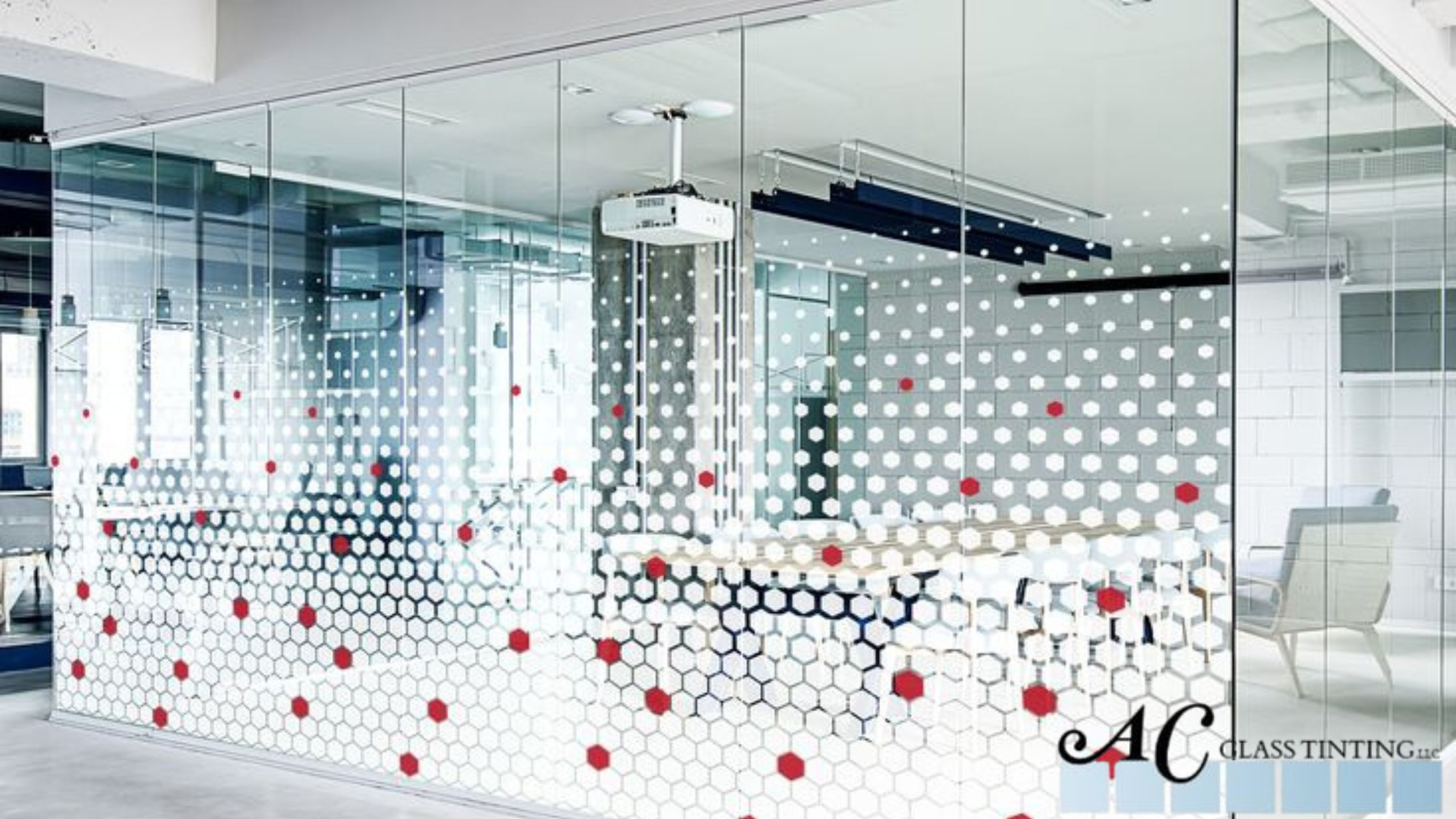
Ever stood in front of a window, film roll in hand, wondering if you’re about to make a huge mistake? You’re not alone. It’s a question that pops up every spring when people start thinking about privacy, UV protection, or just adding a bit of style to their glass. The choice usually boils down to two main contenders: static cling and adhesive films. They look similar on the shelf, but man, do they behave differently once you get them on the glass.
Picking the wrong one can lead to bubbles that never leave, edges that peel up after a week, or a residue nightmare that takes hours to scrub off. But get it right? You’ve got a sleek, professional-looking upgrade that lasts for years. In 2026, the technology behind both has improved significantly, making the decision less about "which one works" and more about "which one fits your specific situation." Let’s dive into the nitty-gritty so you can choose with confidence.
How They Stick (Or Don’t)
The fundamental difference lies in the mechanism of attachment. Static cling films rely on, well, static electricity and a slight suction effect. They don’t have any glue. Instead, they use a smooth, non-adhesive backing that clings to the glass surface through molecular attraction. Think of it like a wet piece of paper sticking to a window, but dry and much more durable. This makes them incredibly forgiving during installation. If you mess up, you just peel it off and try again. No harm, no foul.
Adhesive films, on the other hand, use a pressure-sensitive adhesive (PSA). This is a thin layer of glue that bonds chemically and physically to the glass. Once it’s down, it’s down. There are different types of adhesives, from water-activated to permanent acrylics, but they all share one trait: commitment. In 2026, many high-end adhesive films use "low-tack" adhesives initially, allowing for some repositioning, but they eventually cure to form a strong, lasting bond. This means you need to be precise. There’s no second chance once that glue sets.
Why does this matter? Because it dictates everything else. The way it sticks determines how long it lasts, how easy it is to remove, and even what kind of windows it can go on. Static clings are great for temporary setups or renters who might move in a year. Adhesives are for homeowners or businesses looking for a semi-permanent solution that withstands weather, cleaning, and time. Understanding this core mechanic is the first step to avoiding regret.
Installation: The Sweat Factor
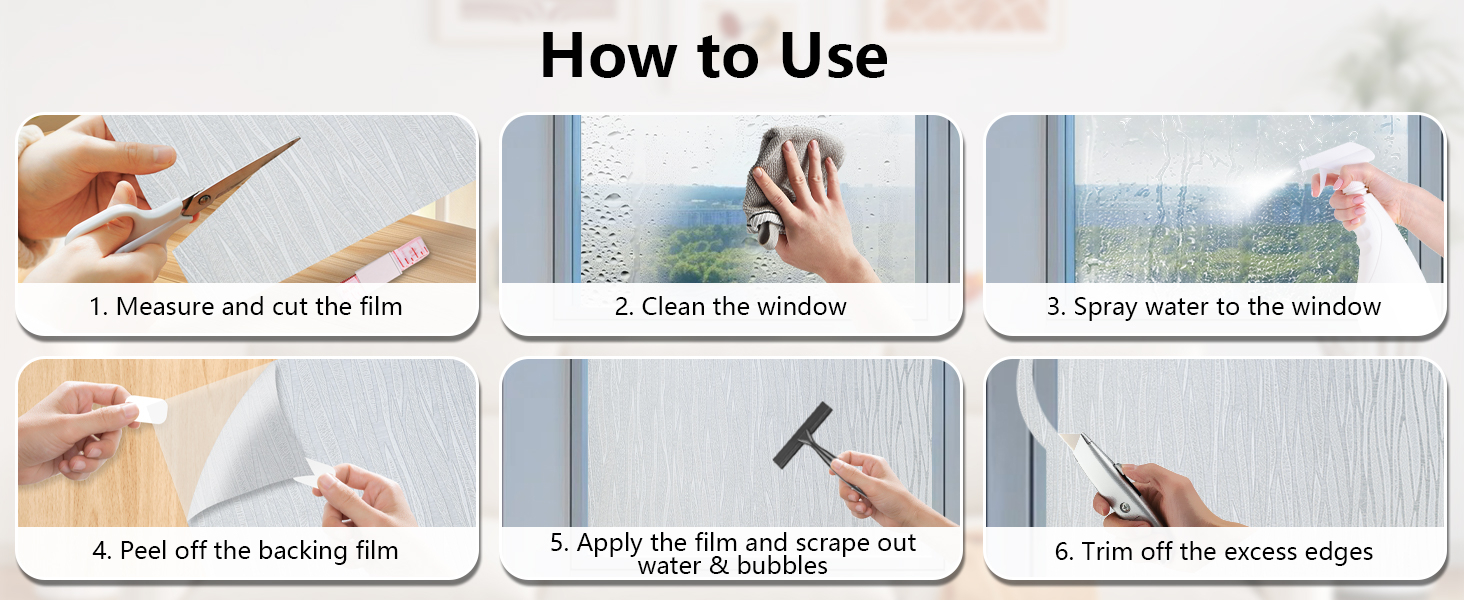
Let’s talk about the actual process of putting these things up. With static cling, it’s surprisingly chill. You spray the window with a soapy water solution, peel the backing off the film, and lay it on the glass. The water acts as a lubricant, letting you slide the film around until it’s perfectly aligned. Then, you use a squeegee to push out the water and air bubbles. Since there’s no glue, the film doesn’t grab immediately. You have time. You can breathe. It’s almost meditative.
Adhesive film installation is a different beast. It requires more prep work. The glass needs to be spotless—like, surgically clean. Any dust particle becomes a permanent bump under the film. You still use a slip solution (soapy water) to position it, but the clock is ticking. As the water evaporates, the adhesive starts to engage. If you wait too long to squeegee, the film locks in place, potentially with wrinkles or misalignment. In 2026, new application tapes and tools have made this easier, but it still demands a steady hand and patience. One wrong move and you’re scraping glue off your window frame.
For DIYers, static cling is the clear winner for ease. You can do a whole house in a weekend without losing your mind. Adhesive films often benefit from professional installation, especially for large windows or complex shapes. If you’re handy and meticulous, you can tackle adhesive films yourself, but be prepared for a steeper learning curve. Watch a few tutorials, practice on a small pane, and don’t rush. The difference in effort is real, and it should factor heavily into your decision.
Durability and Lifespan
How long do you want this film to last? Static cling films are the sprinters of the window world. They typically last between 1 to 5 years, depending on the quality and exposure to sunlight. Over time, the static charge can weaken, or the material might stretch and lose its grip. They’re also more prone to peeling at the edges if the window experiences significant temperature fluctuations. In humid climates or places with harsh winters, you might find yourself reapplying them sooner than expected. It’s not a flaw, just a characteristic of the technology.
Adhesive films are the marathon runners. High-quality adhesive films can last 10 to 15 years, sometimes even longer. The bond is strong enough to resist peeling, even in extreme weather conditions. They hold up better against frequent cleaning and don’t sag or stretch over time. In 2026, advancements in polymer technology have made adhesive films more resistant to yellowing and degradation from UV rays. If you’re looking for a "set it and forget it" solution, adhesive is the way to go. It’s an investment that pays off over a decade.
However, durability isn’t just about longevity. It’s also about performance. Adhesive films generally provide better insulation and UV blocking because they sit flush against the glass with no air gaps. Static clings can sometimes have tiny micro-bubbles or edges that lift slightly, reducing their effectiveness in energy saving. If your main goal is to lower heating bills or protect furniture from sun damage, the superior seal of an adhesive film makes a noticeable difference over the long haul.
Removal and Residue: The Aftermath
Here’s where things get messy. Literally. Removing static cling film is a breeze. You just grab a corner and pull. It comes off in one piece, leaving zero residue. You might need to wipe the window down with glass cleaner to remove any dust that got trapped, but that’s it. This is why renters love them. Landlords don’t care if you used static cling; it’s invisible once it’s gone. No security deposit deductions, no angry emails. It’s the ultimate low-commitment option.
Adhesive film removal is a chore. Depending on the age of the film and the type of adhesive, it can range from mildly annoying to a full-blown project. Older films might tear into small strips, requiring you to scrape each piece off. Even with modern "removable" adhesives, you’ll likely deal with some sticky residue. You’ll need a razor blade, some adhesive remover, and plenty of elbow grease. In 2026, some manufacturers offer "clean-release" adhesives designed to minimize this hassle, but it’s still nowhere near as easy as static cling.
If you’re planning to remove the film in a few years, think ahead. Will you have the time and tools to deal with glue? If not, stick with static. Also, consider the type of glass. Some older or tempered windows can be damaged by aggressive scraping. Always check the manufacturer’s removal instructions before starting. The peace of mind knowing you can remove static cling without a fight is worth a lot, especially if you’re not sure how long you’ll stay in your current space.
Best Use Cases for Each Type
So, when should you use which? Static cling films are perfect for temporary needs. Renters, obviously. But also for seasonal decorations, like frosted patterns for winter privacy that you take down in summer. They’re great for trial runs too. Want to see if tinted windows look good on your south-facing patio? Try static cling first. If you hate it, no big deal. They’re also ideal for surfaces that aren’t perfectly smooth, like textured glass, where adhesive might not bond evenly.
Adhesive films shine in permanent applications. Homeowners who want consistent energy savings year-round should go adhesive. Commercial buildings with large glass facades almost always use adhesive because of the durability and professional finish. If you’re installing safety or security film (the kind that holds glass together if it breaks), it has to be adhesive. Static cling won’t provide the structural integrity needed for safety. In 2026, we’re also seeing more adhesive films used in smart home integrations, where the film needs to stay perfectly aligned with sensors or heating elements embedded in the glass.
Think about your specific goal. Privacy? Both work, but static is easier to swap out if you change your mind. UV protection? Adhesive offers better long-term coverage. Aesthetics? Static allows for more frequent updates to your decor. Safety? Adhesive is the only choice. By matching the film type to your primary objective, you ensure you’re not overpaying for features you don’t need or underinvesting in durability where it counts.
Let’s talk money. Generally, static cling films are cheaper upfront. You can buy a roll for a fraction of the cost of a comparable adhesive film. This makes them attractive for budget-conscious projects or large areas where you might not want to spend a fortune. However, remember the lifespan. If you’re replacing static cling every three years, the long-term cost adds up. Over a decade, you might end up spending more on multiple rolls of static film than on one high-quality adhesive installation.
Adhesive films have a higher initial price tag, especially if you hire a pro. But when you amortize that cost over 10-15 years, the value is clear. Plus, the energy savings from better insulation can offset the initial investment. In 2026, with energy prices remaining volatile, the ROI on high-performance adhesive films is stronger than ever. Many utility companies even offer rebates for installing certified energy-saving window films, which often require adhesive application to qualify. Check your local incentives; it could tip the scale.
Value isn’t just about dollars. It’s about convenience and satisfaction. If you value flexibility and low stress, static cling offers immense value despite the shorter life. If you value permanence and performance, adhesive is the better buy. Consider your budget not just for the purchase, but for the entire lifecycle of the product. Sometimes paying more now saves you time, money, and headaches later. It’s a classic case of "buy nice or buy twice," and in the world of window films, it holds true.
Choosing between static cling and adhesive window films doesn’t have to be a gamble. It’s about understanding your priorities. Do you want ease and flexibility? Go static. Do you want durability and performance? Go adhesive. Both have their place in modern homes and offices, and both have evolved to offer better quality than ever before in 2026. Take a moment to assess your needs, consider your timeline, and pick the one that aligns with your lifestyle.
Remember, there’s no universally "better" option. There’s only the right option for you. Whether you’re looking to cut glare on your computer screen, keep your living room cool in July, or add a touch of elegance to your bathroom window, the right film can make a world of difference. Don’t rush the decision. Measure twice, think it through, and enjoy the view.