You know that feeling. You just spent twenty minutes scrubbing the kitchen sink. It’s gleaming. You step back, proud of your work. Then, your kid runs in for a glass of water. One touch. One tiny drip. And suddenly, there it is again. That cloudy ring. That smudge. It’s like the house is mocking you.
We’ve all been there. It’s frustrating. For years, we accepted it as part of owning a home. Stainless steel shows everything. Chrome is a fingerprint magnet. But things have changed. In 2026, you don’t have to live with constant polishing. There’s a quiet revolution happening in our sinks and showers. It’s called Spot Defense technology. And honestly? It might be the best upgrade you never knew you needed.
What Exactly Is This "Spot Defense" Stuff?
Let’s cut through the marketing jargon. When you see terms like "Spot Defense," "SpotShield," or "Fingerprint Resistant," manufacturers aren’t talking about magic. They’re talking about surface engineering. Basically, they are changing the texture of the metal at a microscopic level.
Traditional faucets have smooth surfaces. Water beads up, sure, but when it dries, it leaves minerals behind. Oils from your skin stick easily. Spot Defense finishes are different. They create a barrier that repels these elements. Think of it like a non-stick pan, but for your faucet. The coating is designed so that water sheets off instead of pooling. Fingerprints simply don’t have enough grip to stay visible.
It’s not just one brand doing this, either. Pfister has their Spot Defense line. Delta uses SpotShield. Both aim for the same result: less cleaning. The tech has matured a lot since it first hit the market. Back in the day, these coatings sometimes wore off. Today, in 2026, they are bonded much better. They are durable. They last.
The Science Behind the Shine
So, how does it actually work? It’s pretty cool if you like nerdy details. Most of these technologies use a physical vapor deposition (PVD) process or a specialized clear coat application. This creates a surface that is harder and smoother than standard stainless steel.
Take Delta’s SpotShield, for example. It doesn’t just resist spots. Recent updates to their tech include antimicrobial protection. This means the finish actively helps reduce the growth of stain-and odor-causing microbes. That’s a big deal for kitchens where raw chicken or messy veggies get handled. It’s not just about looks; it’s about hygiene.
Pfister’s approach focuses heavily on the daily buildup. Their Spot Defense finish prevents the adhesion of oils and water minerals. By making the surface less "sticky" to these contaminants, the faucet stays cleaner longer. It’s a passive defense. You don’t have to do anything. The faucet just refuses to get dirty. It’s simple, but effective.
Real Talk: Does It Actually Work?
Skepticism is healthy. We’ve been promised "easy clean" before. Remember those "never-stain" carpets? Yeah. Let’s look at what real homeowners are saying in 2026. The consensus is overwhelmingly positive, but with a caveat.
It’s not invincible. If you splash tomato sauce on it and let it sit for three days, it might stain. Nothing is immune to neglect. But for daily use? It’s a game changer. People report wiping down their faucets once a week instead of every day. Some say they only clean them when they clean the whole sink.
Consider the Pfister Clarify Touch Faucet. Users love the farmhouse style, but they rave about the finish. They note that even with hard water, the spots are barely visible. Same with the Pfister Wray kitchen faucet. Homeowners mention that the "sleek sophistication" isn’t just about looks; it’s about not seeing their own handprints every time they walk into the kitchen. It reduces mental clutter. You don’t see the mess, so you feel calmer.
Choosing the Right Finish for Your Home
Not all Spot Defense is created equal. You have options. Stainless Steel is the classic choice. It hides scratches well and matches most appliances. But have you considered Matte Black?
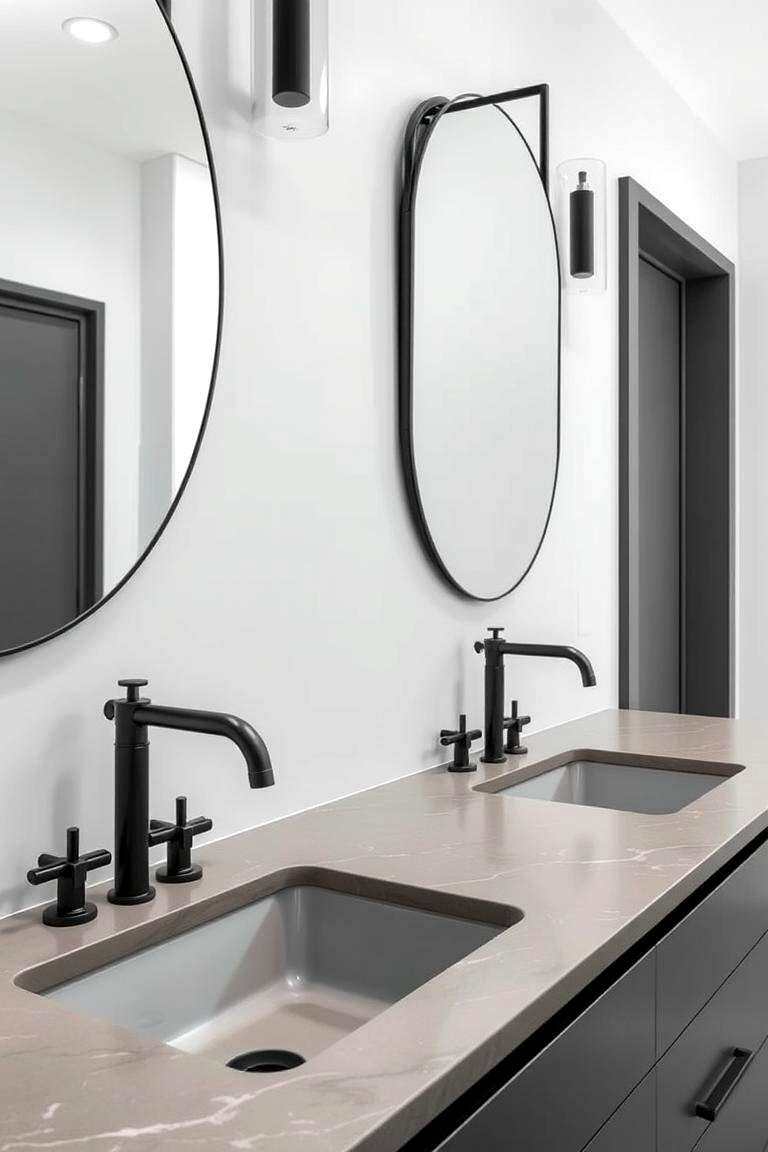
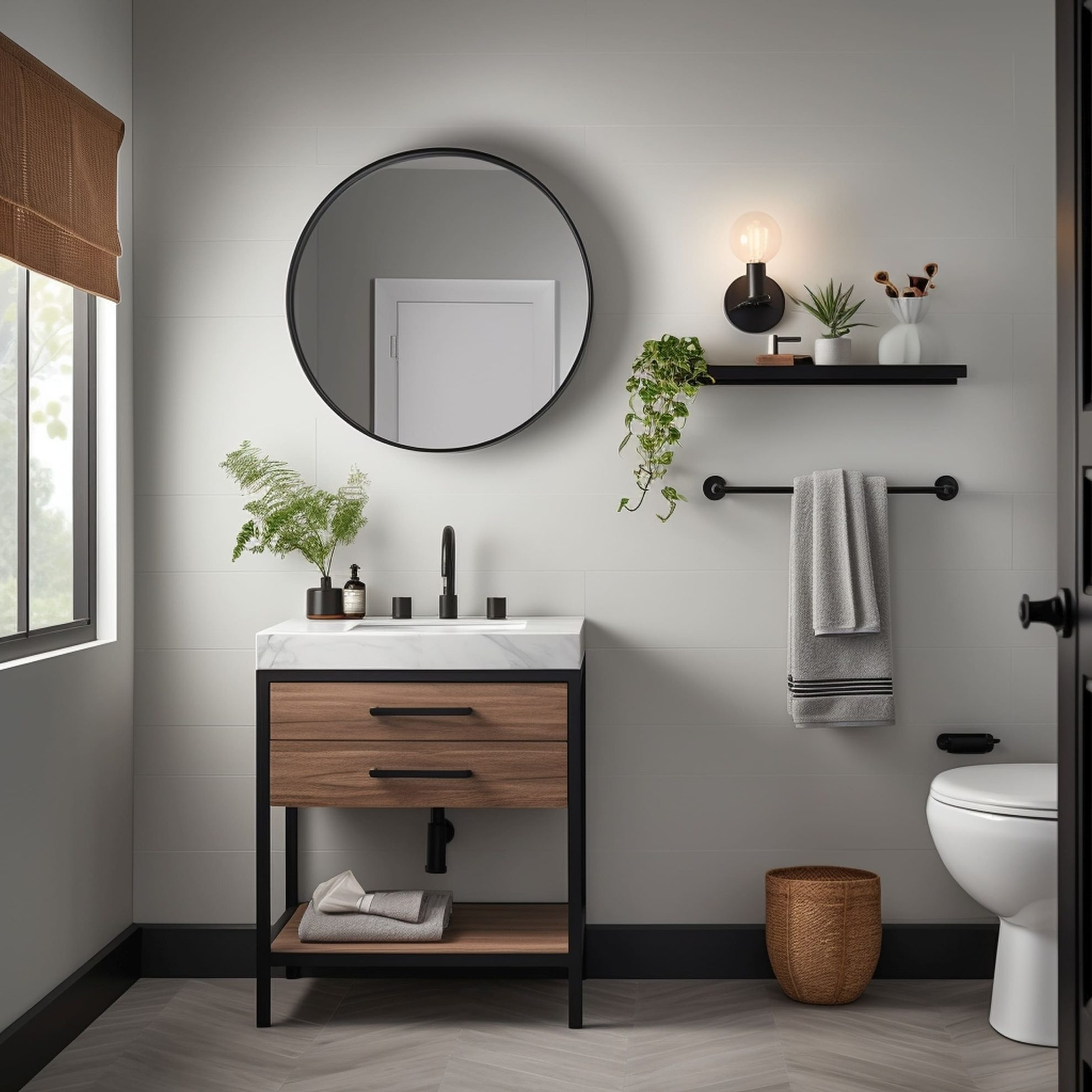
In recent years, Matte Black with Spot Defense has become huge. It’s bold. It’s modern. And surprisingly, it hides water spots better than chrome ever did. The dark matte surface absorbs light, making minor imperfections invisible. Just be aware that cheap black paints can chip. Stick to reputable brands like Pfister or Delta where the finish is baked or deposited properly.
Brushed Nickel is another contender. It’s warmer than steel. It fits well in traditional or transitional homes. The key here is consistency. If you have stainless appliances, a stainless faucet makes sense. If you have black hardware on your cabinets, go black. Don’t mix metals unless you really know what you’re doing. It can look messy.
Also, check the warranty. Most of these top-tier faucets come with limited lifetime warranties. This tells you the manufacturer stands by the durability of the finish. If the coating peels in five years, they’ll replace it. That peace of mind is worth the extra few bucks upfront.
Installation and Maintenance Myths
Here’s a common worry: "Will this special coating scratch if I use a sponge?" Good news: No. You can treat these faucets like normal ones. Well, almost. Avoid abrasive scouring pads. Steel wool is a no-go. It will scratch any faucet, coated or not.
Use a soft cloth or a non-abrasive sponge. Mild soap and water are usually enough. You don’t need special cleaners. In fact, avoid harsh chemicals like bleach or ammonia-based glass cleaners. They can break down the protective layer over time. Keep it simple. Warm water and a drop of dish soap. Done.
Installation is also straightforward. If you’re replacing an old faucet, the new Spot Defense models fit standard holes. The Pfister Wray, for instance, comes with a deckplate option if you have extra holes from an old setup. It covers the gaps. Makes the swap easy. You don’t need a plumber for most of these swaps if you’re handy. But if you’re unsure, hiring a pro ensures you don’t leak under the sink.
The Bigger Picture: Why It Matters
Why spend more on a faucet? It’s not just about vanity. It’s about time. Think about how many hours you’ve spent polishing chrome over your life. Multiply that by the number of years you’ll live in this house. It adds up. Spot Defense gives you that time back.
It’s also about property value. Kitchens and bathrooms sell homes. A kitchen that looks clean and modern appeals to buyers. In 2026, buyers are savvy. They recognize quality finishes. They know that a faucet with antimicrobial properties and spot resistance is a premium feature. It signals that the home was well-maintained.
Plus, there’s the environmental angle. Less cleaning means less water used for rinsing. Less chemical cleaner going down the drain. It’s a small step, but every bit helps. We are all trying to be a bit more green. Choosing durable, low-maintenance fixtures is part of that puzzle. It’s smart living.
At the end of the day, our homes should serve us, not the other way around. We shouldn’t be slaves to our sinks. Spot Defense technology isn’t a miracle cure for a messy house, but it removes one of the most annoying daily chores. It lets the faucet do its job without demanding constant attention.
Whether you go with Pfister’s Spot Defense or Delta’s SpotShield, you’re making a choice for convenience. You’re choosing to spend less time wiping and more time living. And in a world that feels faster every year, that’s a win. So next time you’re renovating or just replacing a leaky tap, look for that label. Your future self will thank you.
It’s funny how something so small can make such a difference. A little bit of engineering. A little bit of science. And suddenly, your kitchen feels lighter. Cleaner. Easier. Isn’t that what we all want?