Ever walked into a room that felt like a museum? Cold, pristine, beautiful but utterly uninviting? Or maybe the opposite—a space so cluttered with antiques and heavy drapes that you felt like you needed permission to sit down. It’s exhausting, isn’t it? We spend so much time trying to pick a "side" in the design world. Are you team sleek-and-modern or team cozy-and-traditional? But what if you didn’t have to choose?
That’s where transitional design steps in. It’s not just a trend; it’s become the go-to style for people who want their homes to feel lived-in yet polished. In 2026, we’re seeing a huge shift away from the extreme ends of the spectrum. People are tired of stark white boxes that look great on Instagram but feel sterile in real life. They’re also moving away from rooms that feel like they’re stuck in the 19th century. Transitional design is the bridge. It takes the clean lines of today and mixes them with the soul of yesterday. It’s about balance. It’s about comfort without the clutter. And honestly? It’s probably the most human-centric approach to decorating we’ve seen in decades.
Why We Crave the Middle Ground
Let’s be real for a second. Pure minimalism had its moment. For years, we were told that less is more. Strip it back. Hide everything. Live with almost nothing. But then the pandemic hit, and we all spent two years staring at our bare walls, realizing that "less" can sometimes feel like "lonely." On the flip side, traditional design is gorgeous. It has history. It has weight. But let’s face it—maintaining a house full of heavy mahogany and velvet can feel like a part-time job. It’s formal. It’s stiff.
Transitional design emerged in the early 21st century as a direct response to this tension. Homeowners wanted a middle ground. They wanted the sophistication of classic decor but the ease of modern living. By 2026, this isn’t just a niche style anymore; it’s the dominant language of comfortable luxury. It answers a very human need: we want our spaces to look good, sure, but we also want them to hug us when we walk through the door.
Think of it as the design equivalent of your favorite pair of jeans and a blazer. The jeans are relaxed, modern, and easy. The blazer is structured, classic, and sharp. Together? They work perfectly. You look put-together, but you can still breathe. That’s the vibe. It’s not about compromising; it’s about curating. It’s taking the best parts of both worlds—the warmth of tradition and the clarity of modernism—and letting them talk to each other. The result is a space that feels fresh but rooted. Dynamic but calm.
The Architecture of Balance
So, how do you actually build this look? It starts with the bones of the room. One of the biggest mistakes people make is trying to force modern furniture into a room with heavy, ornate molding, or vice versa. Transitional design respects the architecture but doesn’t let it dominate. If you have a older home with crown molding and fireplaces, you don’t need to rip them out to go modern. Instead, you simplify the palette.
Paint those intricate moldings in a soft, neutral tone—maybe a warm white or a gentle greige. This keeps the architectural interest but removes the visual noise. It creates a blank canvas that feels historic but not dated. On the other hand, if you’re in a new build with stark, boxy rooms, you add warmth through texture rather than ornamentation. You might add shiplap or simple paneling to break up large walls, giving the eye something to rest on without going overboard.
The key here is proportion. Traditional furniture tends to be bulky. Modern pieces are often low and slender. In a transitional space, you mix these scales carefully. You might pair a substantial, classic sofa with slim, modern side tables. Or hang a sleek, contemporary light fixture over a traditional dining table. It’s a dance of weights. You never want one side to overpower the other. The goal is equilibrium. When you walk into the room, your eye should move smoothly from one element to the next, not get stuck on something that feels out of place. It’s subtle. It’s quiet. But when it’s done right, you feel it immediately.
Furniture: Where Heritage Meets Innovation
Furniture is where the rubber meets the road in transitional design. This is where you really see the blend of old and new. The rule of thumb? Look for pieces that have classic shapes but modern updates. Think of a Chesterfield sofa, but instead of heavy brown leather, it’s upholstered in a soft, performance-friendly linen in a neutral cream. The shape is traditional—the tufting, the rolled arms—but the fabric and color are completely current.
Or consider a dining chair. You might choose a silhouette that references the 18th century—curved backs, elegant legs—but made from a lighter wood like oak or ash, rather than dark walnut or cherry. Maybe the seat is woven cane, which adds texture and airiness. These small tweaks modernize the piece without losing its soul. In 2026, we’re seeing a lot of this "updated heritage" approach. Designers are digging into archives, pulling out classic forms, and stripping away the excess.
Don’t be afraid to mix eras directly, too. A mid-century modern credenza looks incredible against a wall with traditional wainscoting. Why? Because the clean lines of the credenza contrast beautifully with the detail of the wall. It creates tension, but the good kind. The kind that makes a room interesting. Just keep the color story cohesive. If your furniture pieces are all over the map in terms of wood tones and finishes, the room will feel chaotic. Stick to a limited palette—maybe two wood tones max—and let the shapes do the talking. This way, a vintage heirloom table can sit comfortably next to a brand-new, minimalist bench. They belong together because they share the same visual language of simplicity and quality.
Color and Texture: The Silent Connectors
If furniture is the skeleton of transitional design, color and texture are the skin. This is where you create the mood. Stark minimalism often relies on pure whites and grays. Traditional design loves deep jewel tones and rich patterns. Transitional design lives in the middle: warm neutrals. Think beige, taupe, ivory, soft gray, and muted greens. These colors are calming. They don’t shout. They allow the textures and shapes to take center stage.
But here’s the thing: neutral doesn’t mean boring. In fact, it’s the opposite. When you strip away bold colors, texture becomes everything. This is crucial. A room with all smooth surfaces feels cold. A room with all rough textures feels rustic. Transitional design layers them. Imagine a plush, high-pile wool rug (traditional comfort) under a sleek, glass-top coffee table (modern edge). Or silk curtains (classic luxury) hanging next to a raw, concrete accent wall (industrial modern).
Rugs play a huge role here. As noted by experts, area rugs with rich textures but subtle patterns are essential. They anchor the space. In 2026, we’re seeing a move away from busy oriental patterns toward solid-colored rugs with interesting weaves, or very faded, distressed patterns that hint at history without demanding attention. These rugs bridge the gap between modern simplicity and traditional warmth. They add depth. They make you want to kick off your shoes.
Lighting is another texture, in a way. A crystal chandelier is very traditional. A single Edison bulb on a wire is very modern. A transitional space might feature a chandelier with a modern frame—maybe black metal or brass—but with clear, simple glass shades. It gives you the grandeur of the chandelier form without the fussiness. It’s about editing. Taking the iconic elements and refining them. The result is a space that feels layered and tactile, inviting you to reach out and touch everything.
Accessories: The Art of Restraint
This is where most people trip up. They get the big pieces right, then they clutter the surface with knick-knacks. Transitional design requires restraint. It’s curated, not collected. Every object should have a purpose or a strong aesthetic reason for being there. No filler. If you love collecting things, that’s fine, but display them intentionally. A single row of books on a shelf. One large piece of art instead of a gallery wall.
Art is a powerful tool in this style. A large, abstract modern painting can look stunning above a traditional fireplace mantel. The contrast is electric. The old-world structure of the mantel grounds the modern energy of the art. Or, hang a classical portrait in a simple, thin frame rather than an ornate gold one. It updates the piece instantly. It says, "I respect history, but I live in the present."
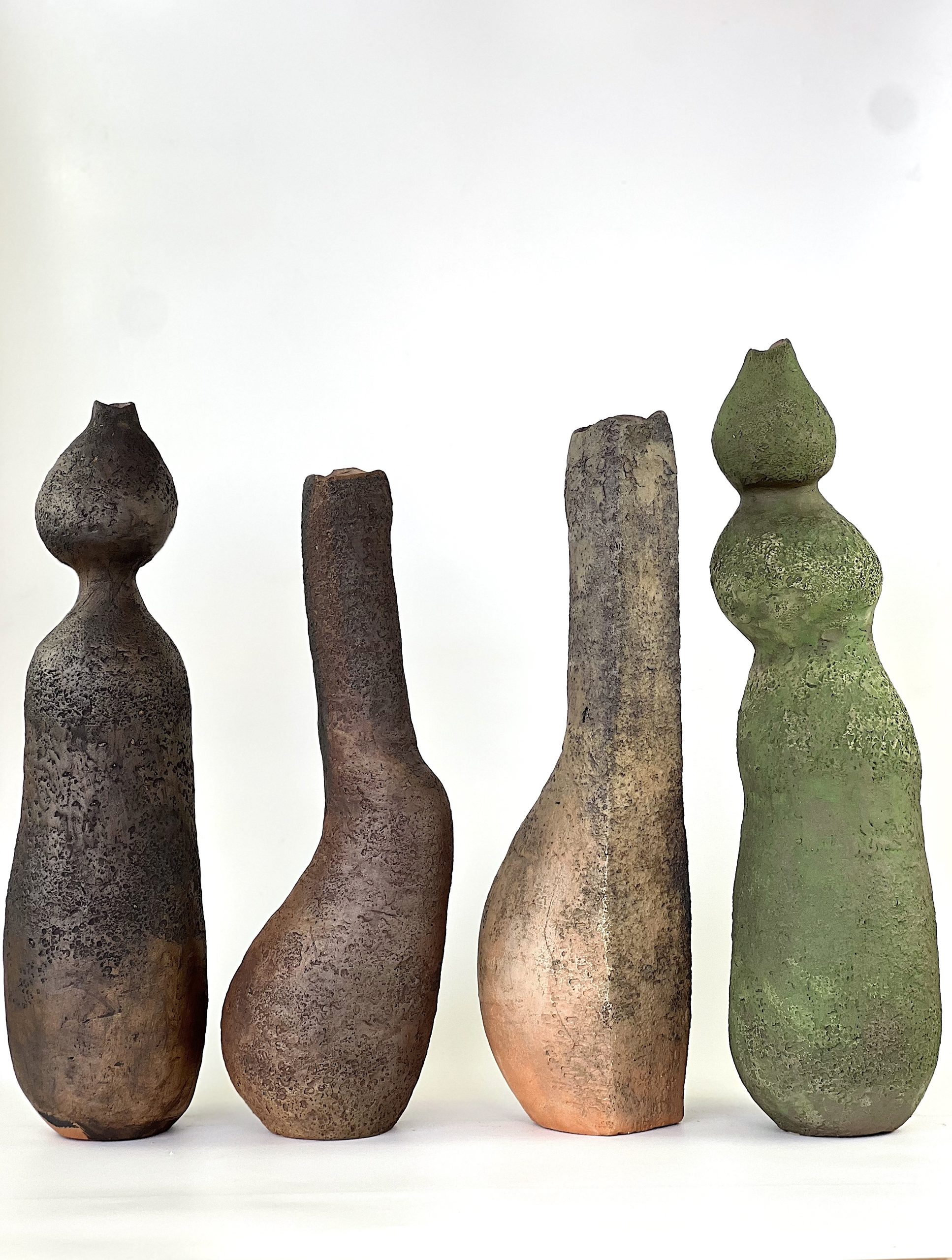
Mirrors are another great accessory. A large, floor-length mirror with a simple wood frame adds light and space. It feels modern in its function but classic in its material. Plants are essential, too. They bring life. A fiddle leaf fig in a simple ceramic pot softens the hard lines of modern furniture and adds organic shape to a traditional room. They’re the ultimate bridge. Nature doesn’t care about design styles; it just grows. Including greenery reminds us that our homes are living spaces, not showrooms.
Keep surfaces mostly clear. Let the architecture and the key furniture pieces shine. If you have a beautiful wooden table, don’t cover it with a dozen coasters and candles. Let the wood grain speak. This respect for materials is a core tenet of transitional design. It’s about quality over quantity. One beautiful vase is better than ten cheap ones. It’s a mindset shift. It asks you to slow down and choose with intention. And in a world that’s constantly noisy and fast, that intentionality feels like a breath of fresh air.
Okay, so you’re ready to try this. Where do you start? Don’t overhaul your whole house at once. That’s overwhelming and expensive. Start with one room. The living room is usually the best place to begin because it’s the heart of the home. Take inventory of what you already have. Do you have a traditional sofa? Keep it. Swap out the pillows for modern, solid-color ones in textured fabrics. Add a contemporary coffee table. See how that feels.
If you have a modern sectional, soften it. Throw a chunky knit blanket over the arm. Add a vintage-inspired rug. Hang some artwork that has a classical subject but a modern execution. It’s about tweaking, not replacing. This approach is sustainable, too. In 2026, we’re all more conscious of waste. Transitional design encourages you to keep what works and update what doesn’t. It’s anti-fast-furniture. It’s about building a home that evolves with you.
Lighting is an easy win. Change out your fixtures. Swap a dated brass lamp for one with a cleaner line. Or replace a harsh overhead light with a softer, dimmable pendant. These small changes shift the entire mood of the room. Paint is another low-cost, high-impact tool. If your walls are a cool, stark white, try a warmer off-white. It instantly makes the space feel more welcoming and bridges the gap between cool modern lines and warm traditional textures.
Remember, there’s no perfect formula. Your home should reflect you. If you lean more traditional, let that be 60% of the mix. If you love modern, let that dominate. The "transitional" part is just the glue that holds it together. It’s the assurance that these different elements can coexist peacefully. Don’t worry about getting it "right." Worry about how it feels. Does it feel calm? Does it feel like you? If yes, you’re doing it right.
At the end of the day, transitional design is about freedom. It frees you from the rigid rules of period-specific decor. It frees you from the coldness of extreme minimalism. It gives you permission to mix, to match, and to create a space that is uniquely yours. It’s not about following a trend; it’s about finding your balance. And in a world that often feels unbalanced, isn’t that exactly what we’re all looking for? A place to land. A place to breathe. A home that feels just right.