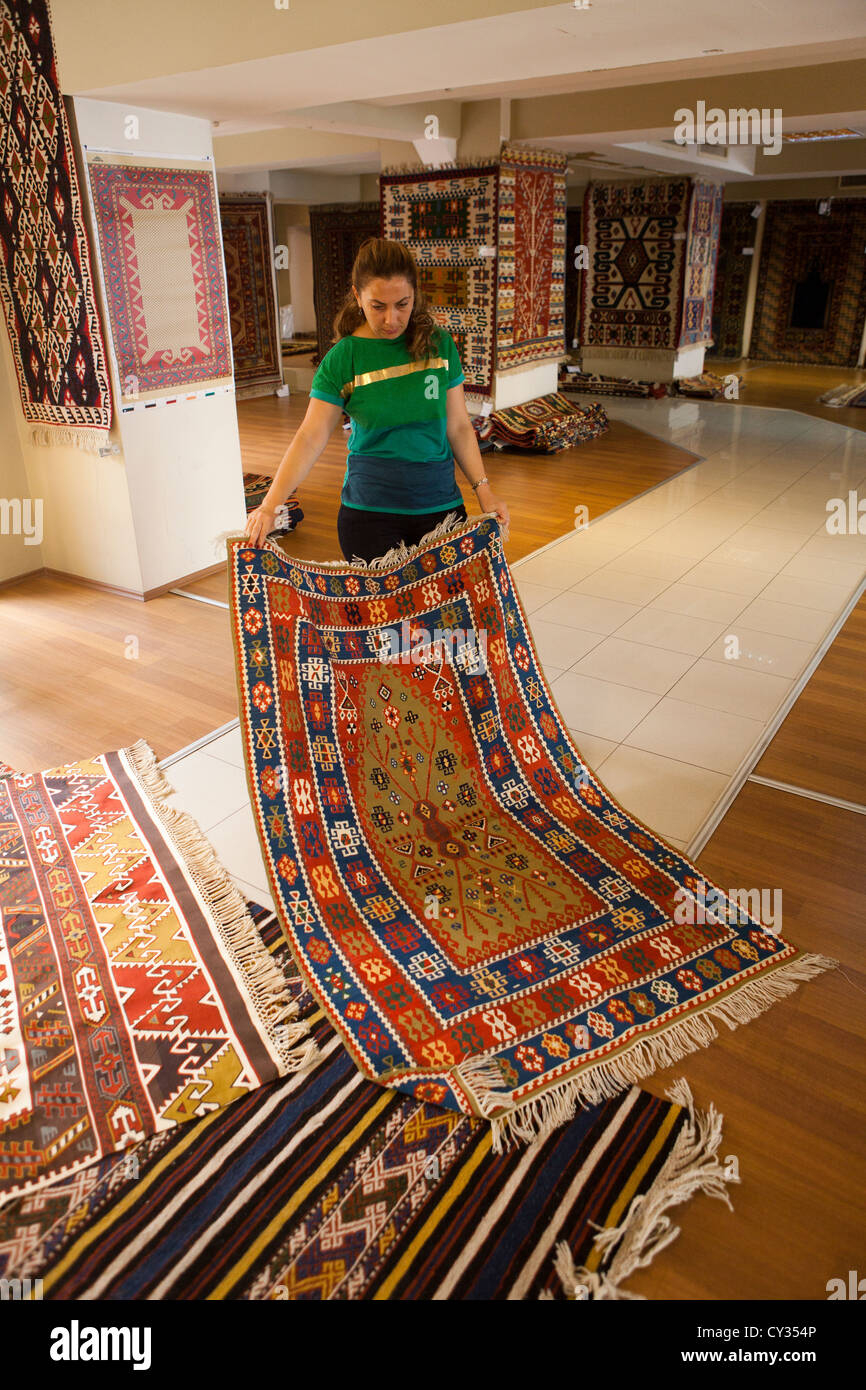
You walk into a room, and something feels off. Maybe it’s too sterile. Too quiet. Then you unroll a rug, and suddenly, the space breathes. It has a soul. That’s the magic of a handwoven carpet. But here is where most people get stuck. Do you go for the intricate, poetic flow of a Persian piece? Or do you choose the bold, sturdy heartbeat of a Turkish kilim or carpet?
It’s not just about pretty patterns. It’s about what your home needs to say. In 2026, we are seeing a huge shift in how people decorate. We aren’t just buying things to look good on Instagram anymore. We want pieces that last. Pieces with history. And nothing holds history quite like these two giants of the rug world.
So, how do you pick? It can feel overwhelming. There are so many terms thrown around—knots, piles, motifs. Don’t worry. We are going to break it down. No jargon without explanation. No sales pitch. Just the honest truth about what makes these rugs special, and how to find the one that actually belongs in your life.
The Soul of the Knot: How They Are Made
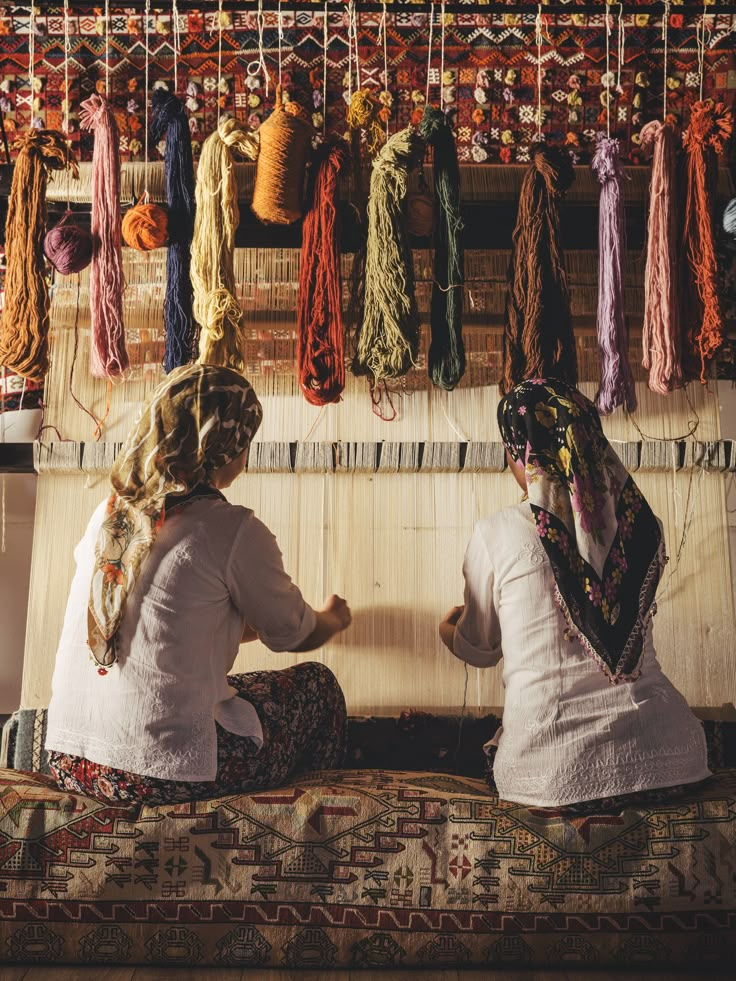
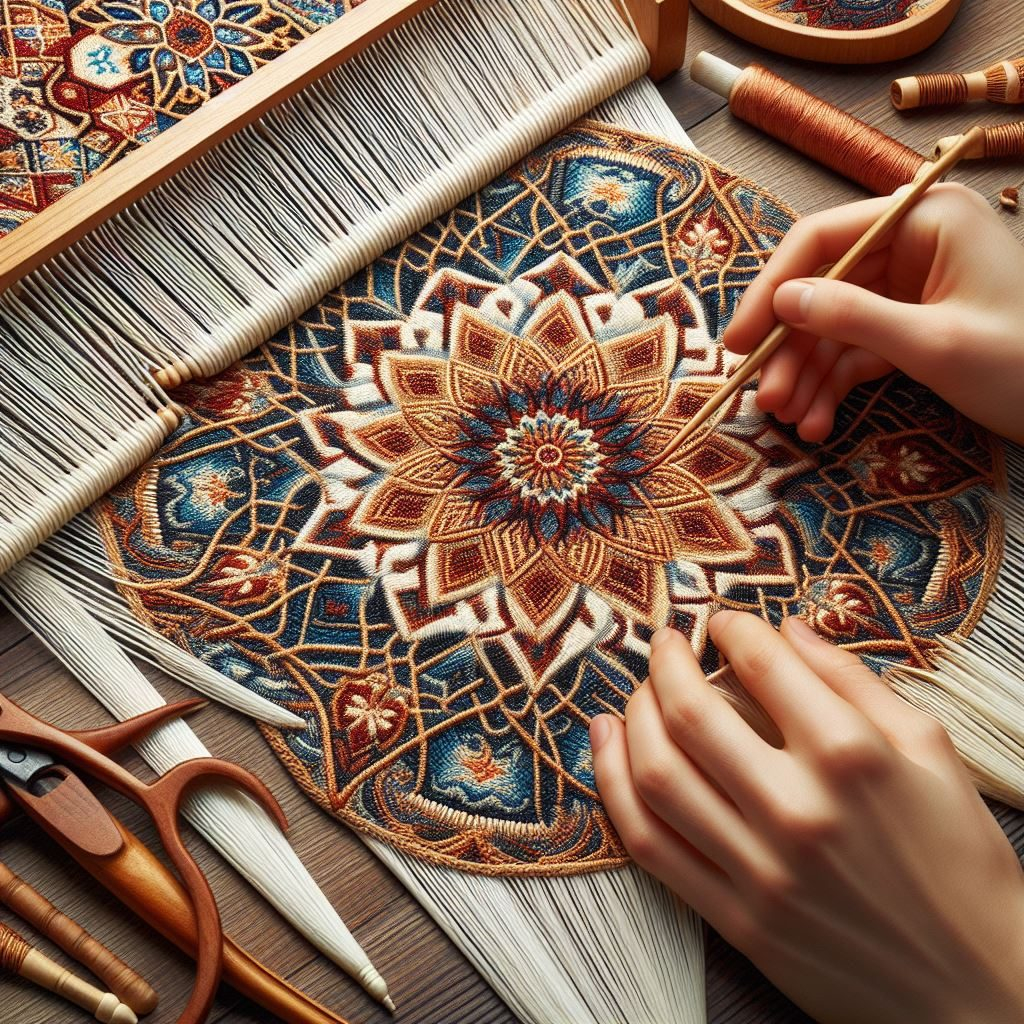
Let’s start with the basics, but not the boring kind. Think of the knot as the DNA of the rug. It determines how it looks, how it feels, and how long it will survive your dog’s muddy paws. Persian rugs typically use the asymmetrical knot, also known as the Senneh knot. This little loop goes around one warp thread and under the next. It’s delicate. It allows for incredible detail. You can curve lines smoothly. You can paint with wool. This is why Persian rugs often look like paintings. They are fluid. Graceful.
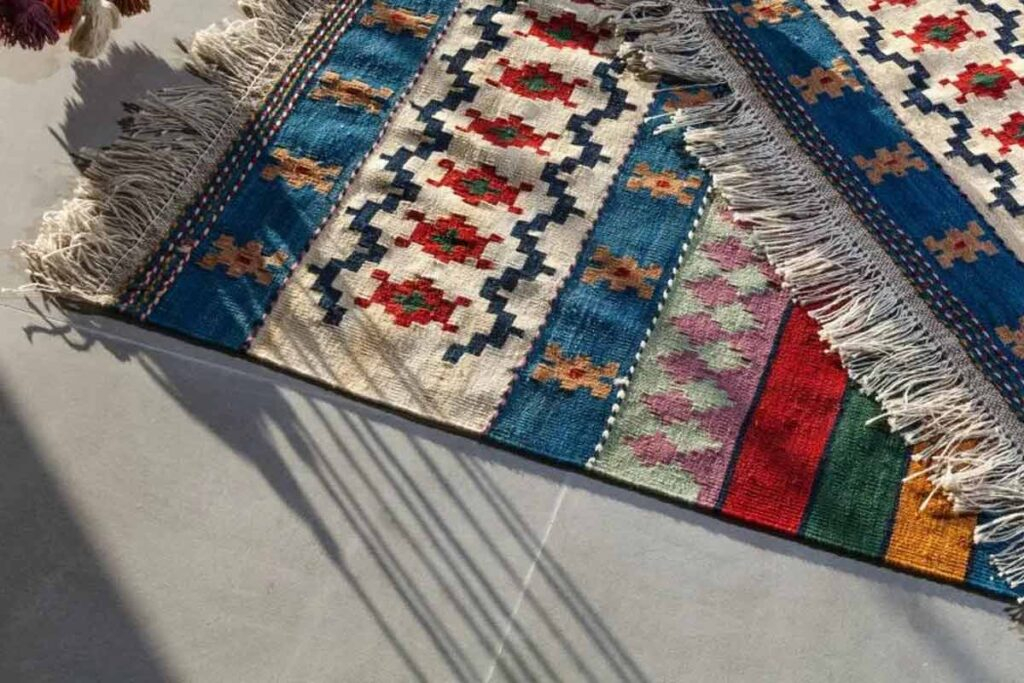
Turkish rugs, on the other hand, usually feature the symmetrical knot, or the Ghiordes knot. This one wraps around two warp threads. It’s tighter. Stronger. It creates a more rigid structure. This doesn’t mean it’s ugly. Far from it. It means the designs tend to be more geometric. Sharp angles. Bold blocks of color. The symmetry gives the rug a certain resilience. It can take a beating. Literally. If you have a high-traffic hallway or a playroom, that Turkish double-knot structure is a beast.
But wait, there is a catch. Not all Turkish rugs are knotted. Some are flatweaves, called kilims. These have no pile at all. They are woven like a basket. This makes them super thin and lightweight. Perfect for layering. Perfect for summer. But they don’t have that plush, sink-your-toes-in feeling. Persian rugs almost always have a pile. They are meant to be luxurious underfoot. So, ask yourself: do you want softness and detail, or durability and texture?
Also, consider the materials. Both traditions use wool, cotton, and silk. But the way they use them differs. Persian weavers might use silk for highlights in a floral pattern, making it shimmer. Turkish weavers often stick to hardy, local wools that age beautifully. They get softer with time, but they start out tough. In 2026, with sustainability being a huge topic, knowing your material matters. Wool is natural. Biodegradable. A good choice for any eco-conscious home.
Design Language: Flowers vs Geometry
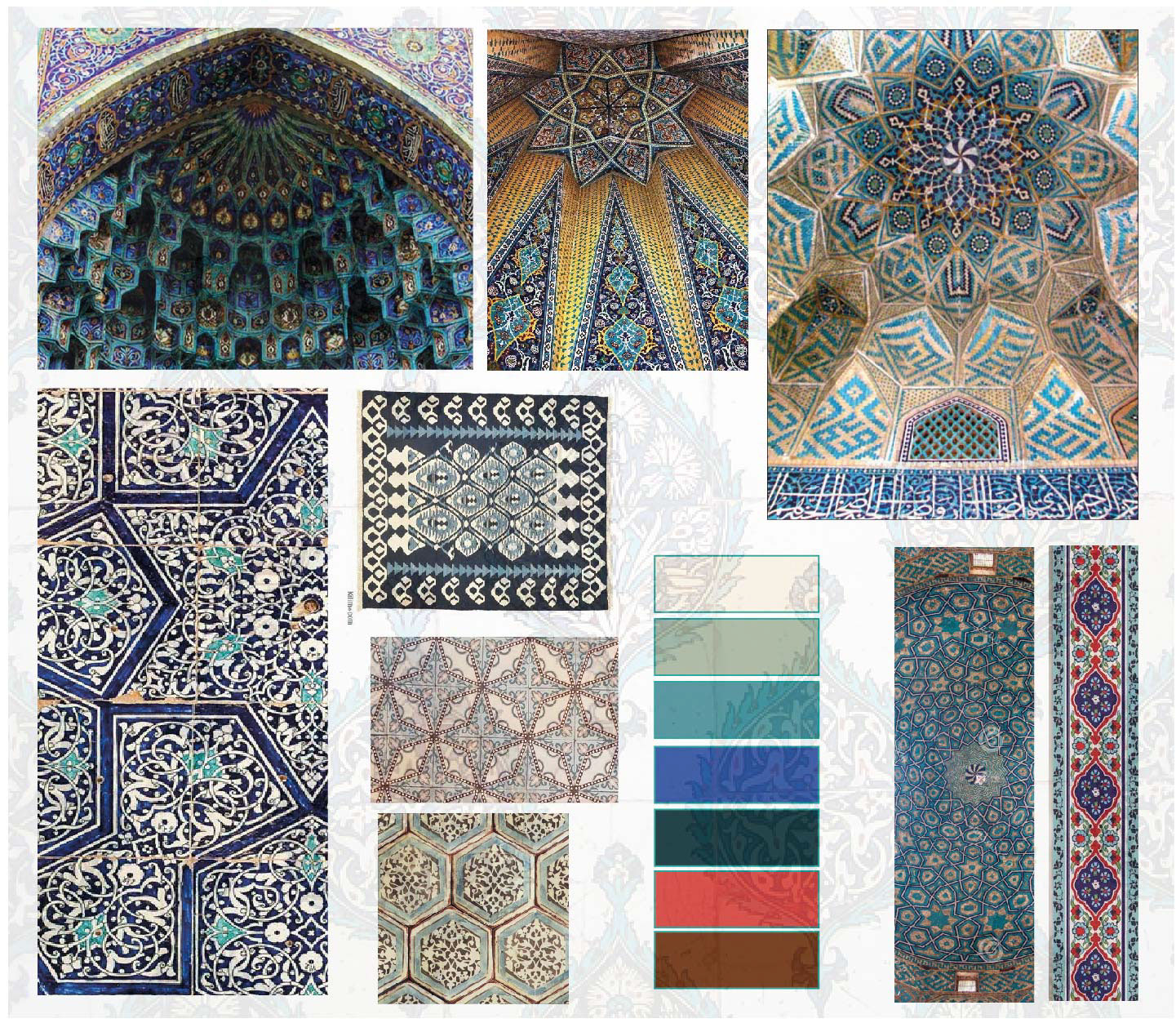
Look at a Persian rug, and you’ll likely see a garden. Literally. The word "paradise" comes from the Persian word for a walled garden. These rugs are filled with vines, blossoms, leaves, and sometimes animals. The central medallion is a classic feature, drawing your eye to the middle and then letting it wander out to the borders. It’s complex. It’s busy, but in a harmonious way. It invites you to look closer. To find new details every day. It’s introspective. Quiet luxury.
Now look at a Turkish rug. You’ll see stars. Diamonds. Hooks. Eyes. These are tribal symbols. They protect. They tell stories of nomadic life. The designs are repetitive, yes, but they are powerful. A Turkish rug doesn’t whisper; it speaks clearly. The colors are often brighter, more contrasting. Red against blue. Yellow against black. It’s energetic. It wakes up a room. If your living room feels a bit sleepy, a Turkish rug is like a shot of espresso.
This difference in design affects how you style your room. A Persian rug works wonders in a traditional setting, obviously. But here is a pro tip for 2026: try a Persian rug in a ultra-modern, minimalist apartment. The contrast is stunning. The ornate details soften the cold edges of modern furniture. It adds warmth without adding clutter.
Conversely, a geometric Turkish rug can add unexpected texture to a traditional room. Imagine a Victorian-style living room with a bold, angular Turkish kilim on the floor. It breaks the rules. It keeps the space from feeling like a museum. It shows personality. The key is balance. Don’t let the rug fight with your curtains. If the rug is loud, keep the rest of the room quiet. Let the rug be the hero.
Color Palettes and Dyes: Nature’s Touch
In the past, all rugs were dyed with natural stuff. Plants, insects, minerals. Then came chemical dyes in the late 1800s, and things got… bright. Too bright. Harsh. Today, in 2026, there is a massive return to natural dyes. Both Persian and Turkish weavers are embracing this again. But the palettes remain distinct.
Persian rugs often feature softer, more nuanced tones. Think ivory, sage green, dusty rose, and deep navy. The colors blend into each other. This is called abrash, where slight variations in dye batches create a striped effect. It’s not a flaw; it’s a signature of handmade quality. It gives the rug depth. It looks like sunlight hitting water. These muted tones are incredibly versatile. They hide dirt well (a plus for parents) and match almost any wall color.
Turkish rugs, especially those from regions like Anatolia, lean towards earthier, warmer tones. Terracotta, mustard yellow, burnt orange, and rich reds. These are the colors of the landscape. The soil. The sunset. They feel grounded. When you use natural dyes, these colors age beautifully. They mellow out over decades. A bright red Turkish rug might fade to a lovely salmon pink after thirty years. That’s part of the charm. It’s living history.
However, be careful with cheap reproductions. If you see a rug with neon greens or electric blues, run. Those are synthetic dyes. They fade unevenly and look plastic. In 2026, authentic buyers are looking for that organic feel. Ask the seller about the dyes. If they don’t know, keep looking. A good dealer will be proud to tell you if they used indigo, madder root, or pomegranate rind. It connects you to the earth. To the artisan.
Durability and Lifestyle: Who Wins the Wear Test?
Let’s get real. Rugs live on the floor. They get walked on. Spilled on. Vacuumed. Maybe even chewed on. So, which one lasts longer? Generally speaking, Turkish rugs are tougher. That symmetrical knot and the often tighter weave make them resistant to wear and tear. They are built for nomadic life, remember? They had to be rolled up, carried on camels, and laid out on rough ground. They are survivors.
Persian rugs are durable too, but they are more delicate in terms of surface detail. The higher the knot count, the finer the detail, but the easier it can be to damage if not cared for. A high-quality Persian rug from Tabriz or Isfahan can last generations, absolutely. But it might need a bit more pampering. You wouldn’t want to put a delicate silk Persian rug in a entryway where muddy boots track in daily. Save that for the bedroom or a formal sitting room.
For a family room or kitchen, a Turkish rug is a smart bet. Especially a kilim. Since it’s flat, there’s no pile to trap crumbs or pet hair. It’s easy to shake out. Easy to clean. If you have kids or pets, this is a huge factor. In 2026, life is busy. We don’t have time for high-maintenance decor. We want beauty that doesn’t demand constant attention.
That said, don’t underestimate the resilience of wool. Both types, if made of good wool, are naturally stain-resistant and fire-retardant. Spill some wine? Blot it up. It’ll likely be fine. The key is immediate action. Neither rug is invincible, but both are far tougher than their synthetic counterparts. Investing in a handmade rug is investing in something that won’t end up in a landfill in five years.
Investment Value and Authenticity in 2026
Here is the tricky part. Money. Persian rugs have long been considered the gold standard for investment. An antique Persian rug can appreciate in value. It’s like art. People collect them. There is a established market. If you buy a rare piece from a famous workshop, it could be worth more in twenty years. This appeals to the investor mindset. The prestige factor is high.
Turkish rugs are catching up, though. For a long time, they were seen as the "casual cousin." But collectors are waking up. Vintage Turkish kilims, in particular, are hot items in 2026. Interior designers love them for their graphic appeal. Prices have risen. A really good, old Turkish rug is no longer a bargain bin find. It’s a statement piece. While they might not skyrocket in value like a rare Persian, they hold their value well. And they are often more affordable to buy initially.
Authenticity is key. The market is flooded with machine-made copies. They look similar from a distance, but they lack soul. They lack the irregularities that prove a human made them. Look at the back of the rug. The pattern should be clear. The knots should be visible. If the back looks like a printed grid, it’s machine-made. In 2026, with AI and advanced manufacturing, fakes are getting better. You have to be vigilant.
Buy from reputable dealers. Ask for certificates of authenticity if it’s an expensive piece. Better yet, learn to trust your eyes. Does it feel right? Does it have character? A handmade rug will never be perfectly symmetrical. One side might be slightly wider than the other. That’s okay. That’s proof of life. Don’t chase perfection. Chase character.
So you’ve picked your rug. Now what? How do you make it work in a 2026 home? First, size matters. A common mistake is buying a rug that’s too small. It floats in the middle of the room like an island. Bad vibe. You want the front legs of your sofa and chairs to sit on the rug. This anchors the furniture. It defines the space. Measure twice. Buy once.
For Persian rugs, let them shine. Keep the surrounding decor simple. If the rug is busy, use solid-colored pillows and throws. Let the rug be the focal point. You can mix patterns, but be careful. Pair a floral Persian rug with a subtle stripe or a small-scale geometric print. Don’t clash. Complement. The goal is harmony.
For Turkish rugs, have fun. They are more playful. Layer them! Put a smaller, colorful Turkish kilim on top of a larger, neutral jute or wool rug. This adds depth and texture. It’s very trendy right now. It also protects the expensive rug underneath. You can mix eras too. A mid-century modern chair looks great with a vintage Turkish rug. The geometric lines echo each other.
Lighting plays a role too. Natural light brings out the nuances in the dyes. Place your rug where it can catch the morning sun. But avoid direct, harsh sunlight all day, as it will fade the colors over time. Use rugs to define zones in open-plan spaces. A Persian rug under the dining table creates a formal eating area. A Turkish rug in the lounge area makes it feel cozy and casual.
Finally, don’t be afraid to break the rules. There is no "right" way. If you love a bright red Turkish rug in your serene, white bedroom, do it. It’s your home. The best interiors reflect the people who live in them. The rug is just the foundation. Build your story on top of it.
Choosing between Persian elegance and Turkish resilience isn’t about which is better. It’s about which is better for you. Do you crave the soft, storytelling flow of a garden? Or the bold, protective geometry of the tribe? Both offer beauty. Both offer history. Both offer a connection to a craft that has survived centuries.
In 2026, as we seek more meaning in our possessions, these rugs stand out. They are not just floor coverings. They are heirlooms. They are art. Take your time. Feel the wool. Look at the knots. Listen to the story the rug wants to tell. When you find the right one, you’ll know. It won’t just fit your room. It will fit your life.