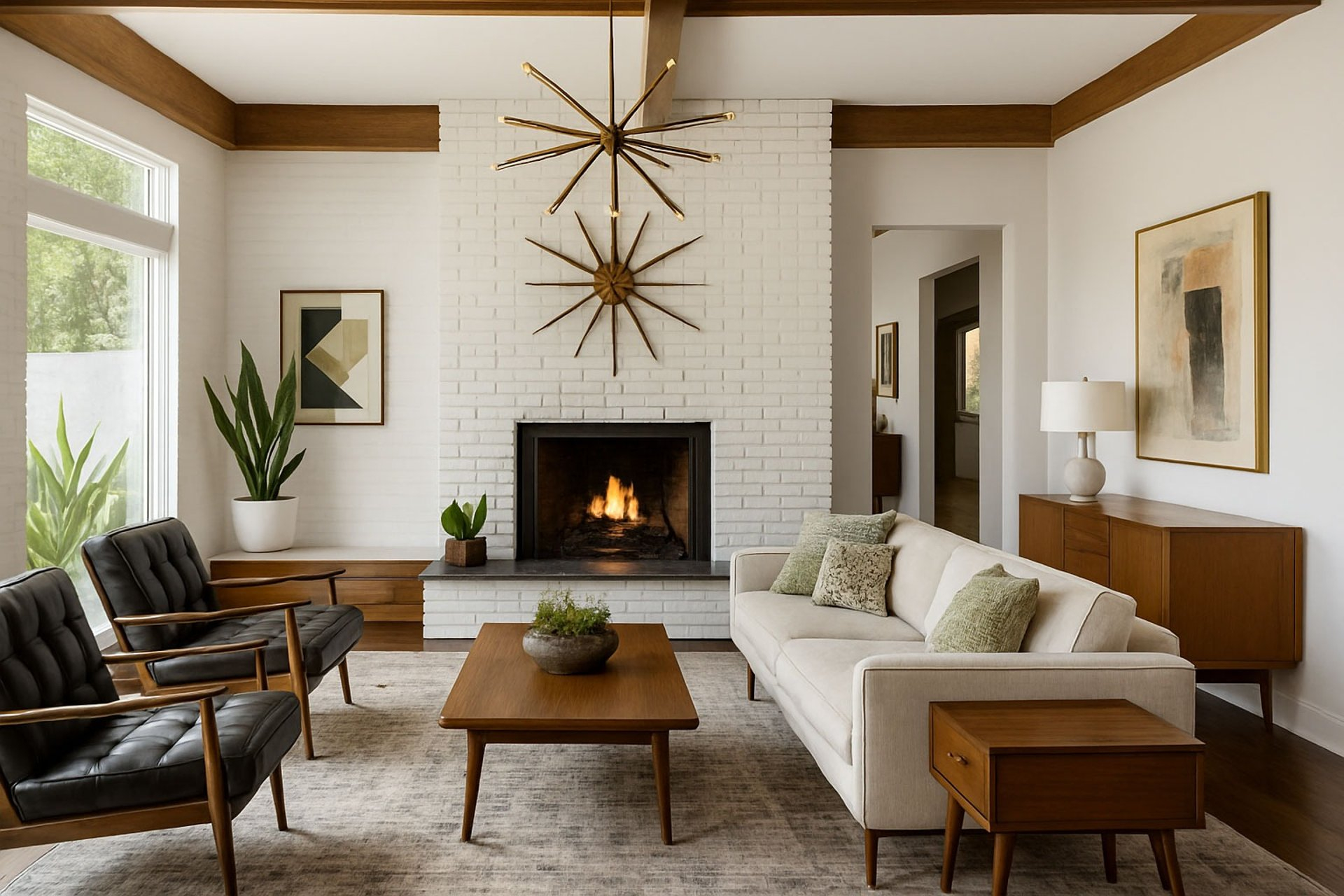
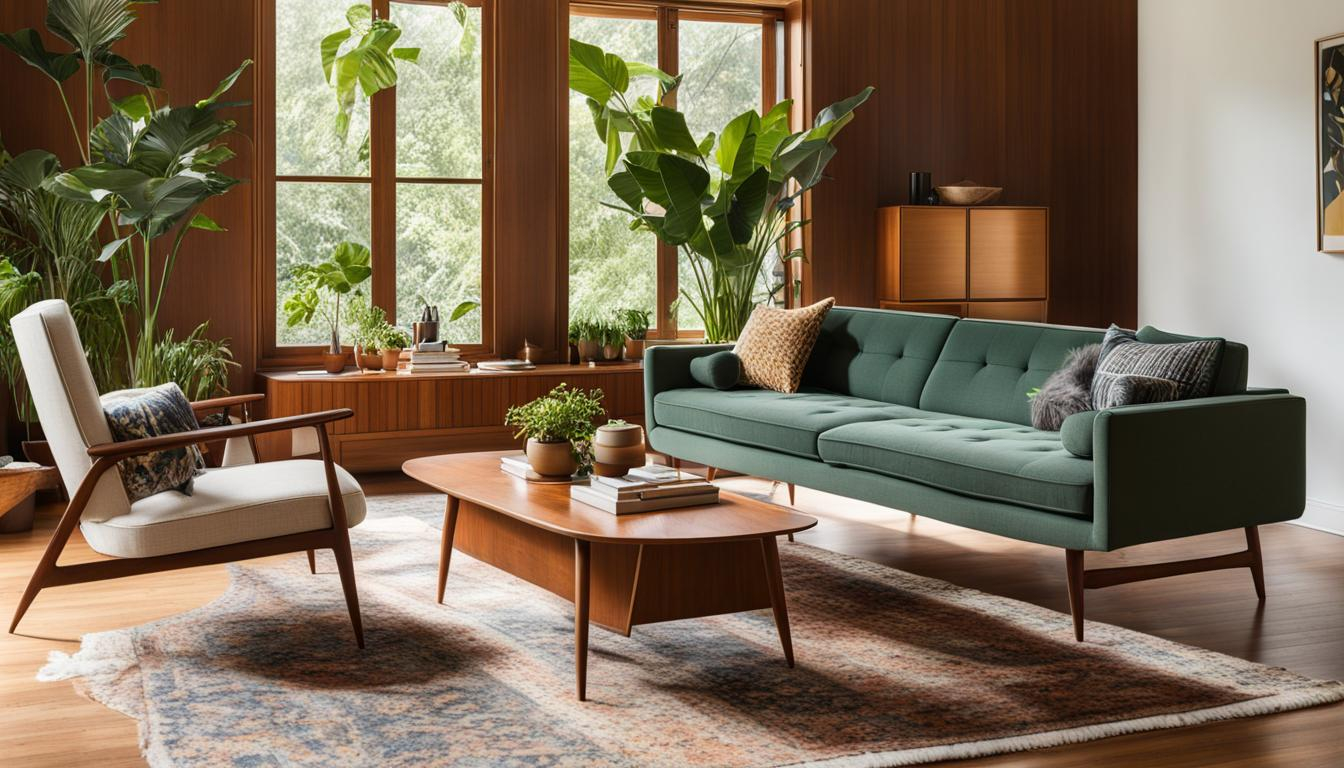
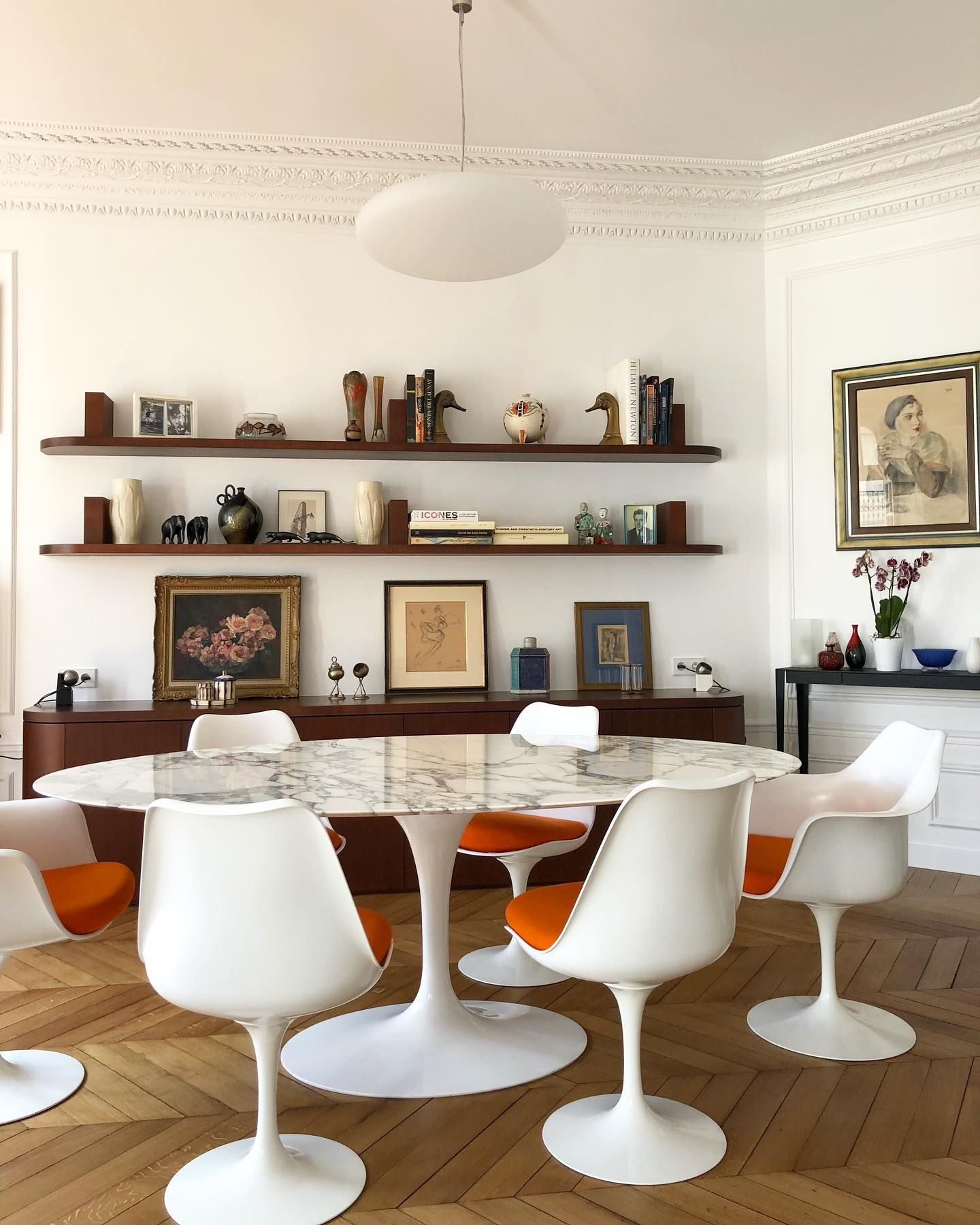
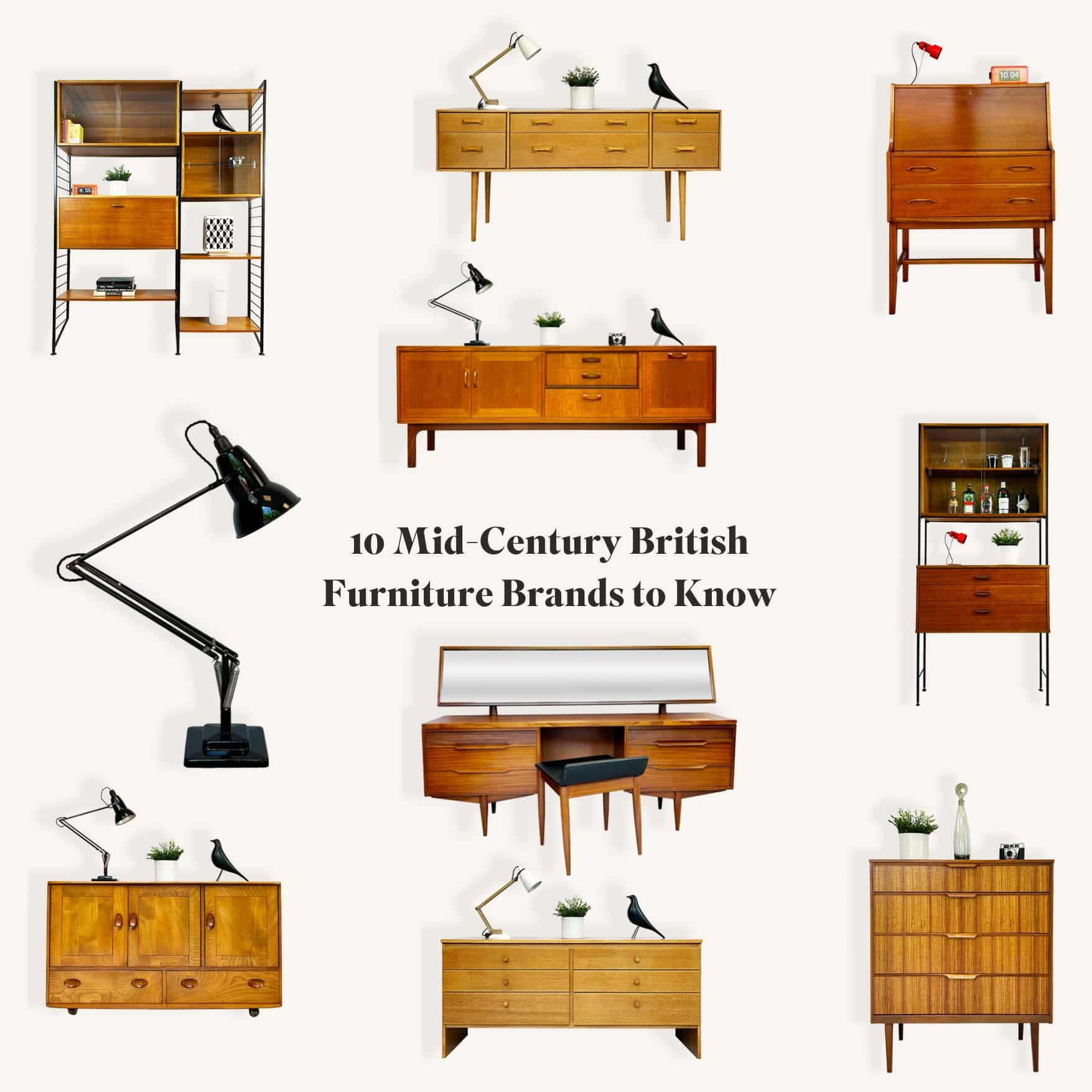
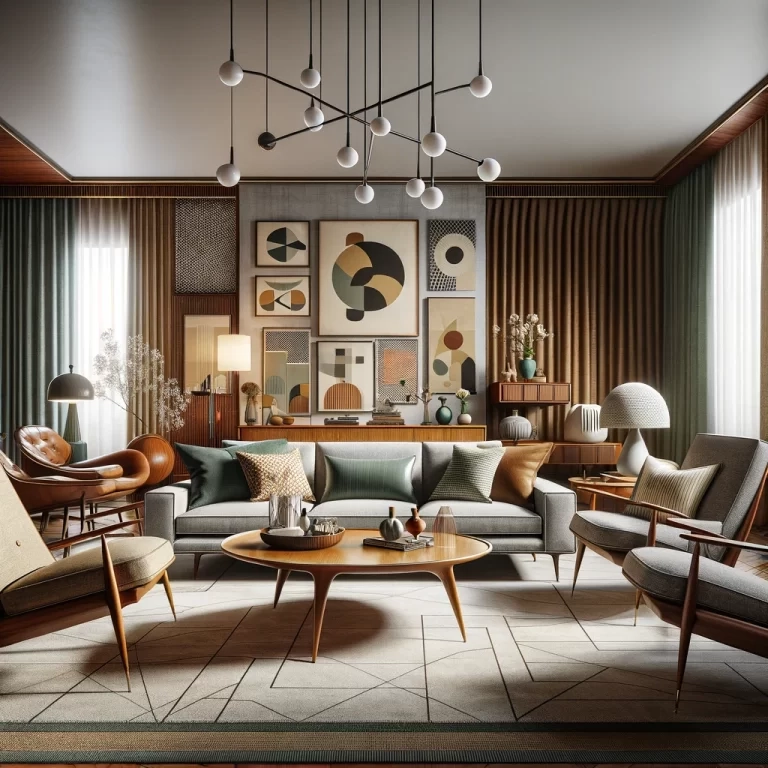
You’ve seen it. Maybe you even drove past it last week. A sleek, walnut credenza sitting on the curb, one leg slightly wobbly, looking like it’s waiting for a tow truck that isn’t coming. It’s easy to walk by. It’s easier to keep driving. But for a growing community of rescuers, restorers, and design lovers, that piece isn’t trash. It’s a time capsule. It’s a story waiting to be retold. And in 2026, it’s becoming something else entirely: an heirloom.
We live in an era where "fast furniture" dominates the market. You buy it, you move, it breaks, you toss it. The cycle is exhausting, both for our wallets and the planet. But there’s a quiet revolution happening in workshops from Cincinnati to Los Angeles. People are digging through dumpsters, scouring estate sales, and pulling gorgeous mid-century modern (MCM) pieces out of the waste stream. They aren’t just fixing them; they’re elevating them. This isn’t just about nostalgia. It’s about quality, sustainability, and the deep human desire to own things that last. Let’s talk about how a piece of furniture goes from being someone’s burden to becoming your family’s treasure.
The Great Escape: Why MCM Ends Up in the Trash
It seems crazy, right? Why would anyone throw away a chair designed by Eames or a table built with solid teak? The answer is usually simpler than you think. Life happens. People downsize. They move to smaller apartments where a massive 1970s sectional doesn’t fit. Or worse, they inherit a house full of stuff and don’t know the difference between particle board and solid wood. To the untrained eye, a scratched veneer looks like damage. To a pro, it’s just surface level.
In recent years, the volume of furniture ending up in landfills has hit critical levels. Studies show that mass-produced items rarely survive a cross-country move, let alone a generation. But mid-century pieces were built differently. They were made during a time when craftsmanship still mattered. Yet, because they aren’t "new," they get overlooked. Jeff Molski, known in Cincinnati as a vintage expert, runs a spot called Mid-Century Modern Rescue. He sees it all the time. People call him because they think their furniture is junk. He knows it’s gold. The disconnect between perceived value and actual value is huge. That gap is where the rescue begins.
Sometimes, it’s just bad timing. A dresser gets left behind during a rushed move. A sofa gets stained and deemed "unfixable" by someone who doesn’t have the tools or patience to clean it. These items end up on the curb or in donation bins that are already overflowing. By 2026, many donation centers simply can’t take everything. So, the good stuff—the solid wood, the dovetail joints, the unique hardware—gets sent to the dump. It’s a loss for everyone. But for those watching closely, it’s an opportunity.
The Art of the Rescue: Spotting Potential in the Pile
So, how do you know what’s worth saving? It’s not magic. It’s knowledge. And honestly, it’s a bit of guts. You have to be willing to look past the dust, the cat hair, and the questionable upholstery. When Olive Street Designs picked up a trashed dresser headed for the landfill, they didn’t see garbage. They saw incredible wood grain. They saw potential. That’s the key. You have to look at the bones of the piece.
Start with the weight. Real mid-century furniture is heavy. If you can lift a dresser with one hand, it’s probably particle board. Walk away. But if it feels solid, check the joints. Look for dovetails in the drawers. Check under the table tops for stamps or labels. Sometimes, the finish is ugly—orange varnish from the 80s, maybe—but underneath is beautiful walnut or oak. Don’t let a bad paint job fool you. Paint can be stripped. Veneer can be repaired. But you can’t fix cheap materials.
Timing is everything in this game. As one restorer noted, when free things pop up, you have to be ready. You might not find your perfect piece every day. But when you do, you need to act fast. This isn’t just about hoarding; it’s about recognizing value before others do. It’s about seeing the geometry, the lines, the intent of the original designer. Mid-century modern design was about function and beauty. Even when it’s beaten up, that DNA is still there. You just have to know how to read it.
The Workshop Miracle: Breathing New Life Into Old Wood
Once you’ve rescued a piece, the real work begins. This is where the magic happens. Transforming a neglected antique into a bright new treasure isn’t a weekend project. It’s a labor of love. Take the example of a 1920s workbench renovation that took two years. Sure, that’s an extreme case, but it shows the dedication involved. For most MCM pieces, the process is intense but shorter. It involves stripping, sanding, repairing, and refinishing.
Skilled craftspeople are leading this sustainability revolution. Companies like VT Furniture Works are showing us how waste can become stunning home pieces. They don’t just slap on a new coat of stain. They repair structural issues. They replace missing hardware with period-accurate reproductions. They reupholster seats with fabrics that honor the original aesthetic but offer modern durability. It’s a blend of old-school technique and new-school thinking. Every scratch is assessed. Every wobble is fixed. The goal isn’t to make it look brand new; it’s to make it look right.
This stage is crucial for turning a used item into an heirloom. An heirloom isn’t just old; it’s cared for. The restoration process adds a layer of history. Now, the piece has two stories: the one from its original owner, and the one from its rescue. That duality gives it character. When you run your hand over a restored teak table, you’re feeling the work of the original carpenter and the restorer. It’s a tangible connection to the past and the present. And let’s be honest, there’s a huge satisfaction in knowing you saved something from the trash.
Why We Crave Heirlooms in a Disposable World
Let’s get real for a second. Why are we doing this? Why spend hours sanding a chair when you can buy a new one for $50? Because deep down, we’re tired of disposable culture. We want things that last. Research into furniture longevity suggests that people form stronger attachments to items that have a history. We call this "user attachment." When you know the story of a piece, you treat it better. You don’t throw it out after three years. You keep it. You pass it down.
This shift is changing how we view value. A pressboard dresser from a big-box store rarely survives a move. It swells in the humidity. The screws strip out. But a solid walnut sideboard? It can change hands five times and only get better. It gains patina. It gains memories. In 2026, this is becoming a major selling point. People aren’t just buying furniture; they’re buying stability. They’re buying a piece of art that serves a function. The "Heirloom ROI" is real. It’s not just financial; it’s emotional.
There’s also the eco-angle. Antique and reclaimed wood furniture delivers rustic charm while saving the planet. It’s a small stance, but it adds up. Every piece rescued is one less item in a landfill. It’s one less tree cut down for new production. For many buyers, this matters. They want their homes to reflect their values. Owning a restored MCM piece is a way to say, "I care about quality. I care about the environment. I care about craft." It’s a quiet statement, but it’s powerful.
The Business of Second Chances: Markets and Movements
This isn’t just a hobby anymore. It’s a business. From hidden gems like Mid-Century Modern Rescue in Madisonville to online curators like MidCentury585, the market for restored vintage is booming. These businesses are breaking the fast-furniture industry by offering quality goods at fair prices. They’re proving that sustainable can also be stylish. And affordable. Well, sometimes affordable. High-end restorations can cost a pretty penny, but compared to buying new designer furniture, it’s often a steal.
Social media has played a huge role here. Instagram and TikTok are filled with before-and-after videos. You see a rotting chair, then snap, it’s gorgeous. These transformations go viral. They inspire people to look at their own junk differently. They create a community of enthusiasts who share tips, sources, and success stories. It’s democratizing design. You don’t need to be rich to have beautiful furniture. You just need to be willing to look in the right places. Or support the people who do.
The rise of these specialized shops also means better access for everyday people. You don’t have to dig through dumpsters yourself if you don’t want to. You can buy from experts who have already done the hard work. They vet the pieces. They ensure the quality. This trust is essential. It allows the movement to scale. More people are participating in the circular economy. More furniture is staying in use. It’s a win-win for consumers and the planet. And honestly, it’s making our homes more interesting. Who wants a showroom look anyway?
Making It Last: Tips for Your Own Heirloom Journey
So, you want in? Maybe you’ve got a sketchy credenza in your garage. Or maybe you’re looking to buy your first restored piece. Here’s the deal: start small. Don’t try to restore a whole dining set on your first try. Pick one chair. Learn how to strip the finish. Learn how to tighten the joints. There are tons of resources online now. Watch the timelapses. Read the guides. Get your hands dirty. It’s messy, but it’s rewarding.
If you’re buying, ask questions. Where did it come from? What was done to it? A good seller will tell you. They’ll be proud of the work. Look for signs of quality repair. Are the stains even? Is the upholstery tight? Does it feel sturdy? Trust your gut. If something feels off, it probably is. And remember, imperfections are okay. In fact, they’re desirable. They prove the piece is real. They prove it has lived a life.
Finally, care for your pieces. Use coasters. Keep them out of direct sunlight if possible. Clean them with gentle products. Treat them with respect. When you do, they’ll last for decades. Maybe even centuries. You’re not just owning furniture; you’re stewarding history. You’re part of a chain that goes back to the mid-20th century and forward to your grandchildren. That’s a pretty cool feeling. And it’s better than any flat-pack box you’ll ever assemble.
We’re standing at a turning point. The tide is shifting away from throwaway culture toward something deeper, more meaningful. Mid-century furniture is leading the charge, but it’s not alone. It’s part of a broader awakening to the value of what we already have. By rescuing these pieces, we’re not just saving wood and fabric. We’re saving stories. We’re saving craft. We’re saving a bit of ourselves from the churn of constant consumption.
In 2026, the definition of luxury is changing. It’s not about the newest thing. It’s about the best thing. The thing with soul. The thing that survived. When you bring a restored MCM piece into your home, you’re making a choice. You’re choosing quality over quantity. You’re choosing history over hype. And you’re helping to build a future where our belongings are treasures, not trash.
So next time you see that wobbly chair on the curb, stop. Look closer. You might just see your next heirloom. It’s waiting for you. It’s waiting for a second chance. And honestly? We could all use one of those.