You know that feeling. You open the closet door, ready to grab a shirt, and—bam. An avalanche of hard-shell suitcases tumbles out, nearly taking your toes off. It’s not just messy. It’s exhausting. For years, we’ve treated luggage like an afterthought, shoving it into corners or stacking it precariously until gravity wins. But here in 2026, the way we think about storage has shifted. We aren’t just hiding things anymore. We are designing systems that work for us.
The modern home is smaller, smarter, and more intentional. People are traveling differently too. Weekend getaways, remote work trips, and spontaneous adventures mean our bags are in constant rotation. Yet, most closets are still built for clothes, not bulky gear. This mismatch creates chaos. But there’s a solution that’s gaining serious traction: the smart luggage rack. It’s not just a shelf. It’s a dedicated zone that respects your space and your sanity. Let’s dive into how you can turn that cluttered mess into a streamlined hub.
Why Traditional Storage Fails Your Bags
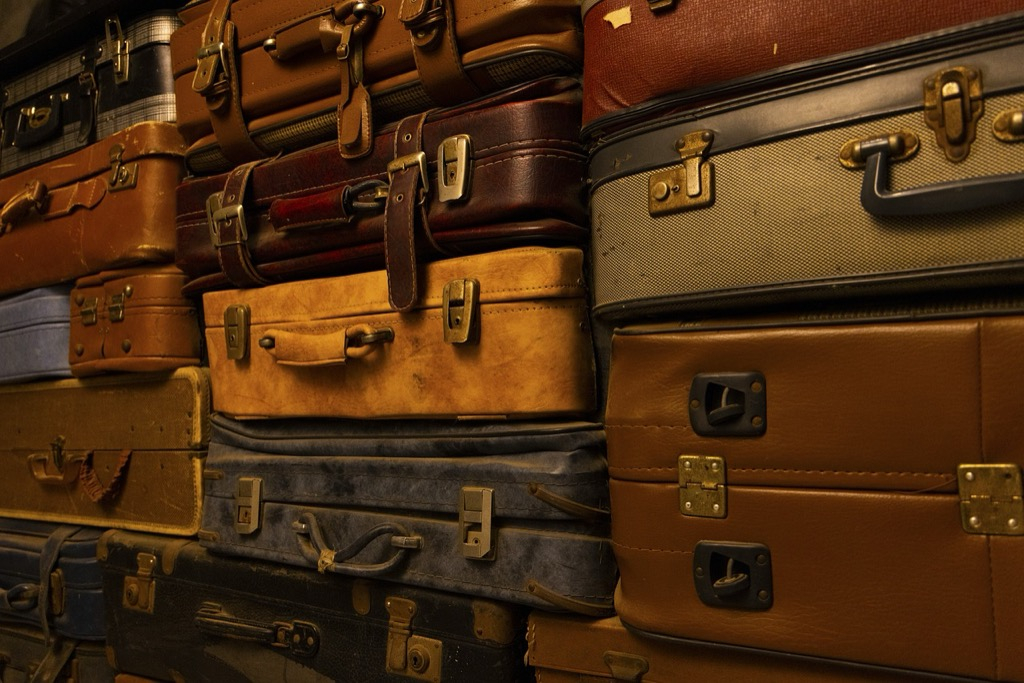
Let’s be honest. Stacking suitcases on top of each other is a recipe for disaster. You want the big trunk at the back, but you need the carry-on for tomorrow’s flight. So you pull. And the whole tower wobbles. It’s frustrating, right? Traditional closets weren’t designed with luggage in mind. They have high shelves that are impossible to reach without a ladder and deep floors where bags get lost in the shadows.
In 2026, designers are seeing a huge spike in clients asking for dedicated luggage zones. According to recent trends from LA Closet Design, luggage storage has become a top priority. It’s no longer an optional extra. It’s essential. When you stack bags, you damage them. Zippers get crushed. Wheels get stuck. And let’s not forget the dust bunnies that thrive in those dark, unreachable corners. By treating luggage as an afterthought, we’re actually shortening the life of our gear and wasting valuable time every time we travel.
The problem isn’t just physical space. It’s mental load. Every time you struggle to extract a bag, you add a tiny bit of stress to your day. Over time, that adds up. A cluttered closet feels chaotic because it is chaotic. There’s no system. No logic. Just a pile of stuff. Recognizing this failure is the first step toward fixing it. You don’t need a bigger house. You need a smarter approach. And that starts with stopping the stack.
The Anatomy of a Smart Luggage Rack
So, what exactly is a "smart" luggage rack? It’s not just a metal frame. It’s a thoughtful design that considers weight, accessibility, and airflow. In 2026, the best solutions are modular. They adapt to your specific collection of bags. Whether you have a set of matching hard-shells or a mishmash of duffels and vintage trunks, a smart rack accommodates them all.
Key features to look for include adjustable heights. Not all bags are created equal. A weekend roller needs less vertical space than a checked suitcase. Smart racks offer tiers or slots that can be moved up or down. This flexibility is crucial. It means you aren’t forced to waste air above a small bag just because the shelf is fixed too high. Another vital element is ventilation. Bags need to breathe, especially if they’ve been stored after a trip. Solid shelves trap moisture and smells. Slatted or wire designs allow air to circulate, keeping your gear fresh.
Durability matters too. Luggage is heavy. A flimsy rack will sag or collapse under the weight of a fully packed trunk. Look for materials like reinforced steel or high-grade bamboo. These materials offer strength without looking industrial or cold. Some modern racks even integrate wheels or sliding mechanisms, allowing you to pull the entire unit out like a drawer. This level of engineering transforms a static storage spot into an interactive part of your daily routine. It’s about making the heavy feel light.
Maximizing Vertical Space Without the Climb
One of the biggest wasted opportunities in any closet is vertical space. We tend to use eye-level shelves for everything, leaving the top foot of the closet empty or inaccessible. Smart luggage racks change this dynamic. They utilize height efficiently, bringing your bags down to a human scale. Instead of climbing on a chair to retrieve a bag from the top shelf, you slide it out from a mid-level rack.
This approach is particularly powerful in small apartments or tiny homes. As noted by storage experts at Archeworks, compact living demands creative solutions. By going vertical with a dedicated rack, you free up floor space for other items. Imagine a tall, narrow unit that fits in the corner of your closet. It holds four or five bags stacked vertically, but each one is individually accessible. No more moving Bag A to get to Bag B. This linear access is a game-changer for frequent travelers.
Moreover, vertical racks help visualize your inventory. When bags are lined up side-by-side or tiered clearly, you can see what you have at a glance. This prevents the "out of sight, out of mind" problem where you buy new luggage because you forgot what was buried in the back. It encourages mindful ownership. You see the space you have, and you respect it. If the rack is full, you know it’s time to declutter, not buy more. It’s a simple visual cue that promotes better habits.
Integrating Racks into Existing Closet Systems
You might be thinking, "I don’t have room for a separate unit." That’s a common concern. But smart design is about integration, not addition. Many modern custom closet systems now include built-in luggage niches. These are recessed areas specifically sized for standard suitcases. If you’re renting or can’t renovate, freestanding racks can be tucked into existing shelving units. The key is measuring accurately.
Start by auditing your current closet. What’s the width of your widest bag? What’s the height of your tallest? Use these dimensions to find or build a rack that fits snugly. A snug fit prevents wobbling and maximizes stability. Some people install tension rods between existing shelves to create makeshift racks for lighter bags. It’s a low-cost hack that works surprisingly well for carry-ons and duffels. The goal is to create a designated "home" for each piece of luggage within the existing footprint.
Lighting also plays a role here. Often, closet corners are dark. Adding a simple motion-sensor LED strip to your luggage zone makes a huge difference. It turns a dreary storage area into a functional, inviting space. When you can see your bags clearly, you’re more likely to keep them organized. It’s a small detail, but in 2026, smart home integration means even basic lighting can be automated. Imagine your luggage zone lighting up as you walk in. It feels luxurious, but it’s purely practical.
The Psychology of an Organized Entry
Why does this matter so much? It’s not just about aesthetics. It’s about how we feel in our homes. A cluttered closet creates low-level anxiety. It’s a visual reminder of tasks undone and chaos unchecked. On the other hand, an organized luggage zone brings a sense of calm. It signals readiness. When your bags are neatly racked and accessible, you feel prepared for adventure. You’re not dreading the packing process.
Research in environmental psychology suggests that organized spaces reduce cognitive load. When your environment is predictable, your brain doesn’t have to work as hard to navigate it. This frees up mental energy for more important things. Think about the last time you couldn’t find your passport because your bag was buried under three others. The panic, the frustration. Now imagine sliding out your pre-packed carry-on from a sleek rack. The difference in emotional tone is massive.
Furthermore, an organized closet reflects self-respect. It says, "My time matters. My belongings matter." This mindset shift often spills over into other areas of life. People who organize their luggage zones frequently report feeling more in control of their schedules and travels. It’s a small win, but small wins build momentum. By tackling the luggage clutter, you’re not just cleaning a closet. You’re cultivating a mindset of order and intentionality. And honestly, who doesn’t need a bit more of that in 2026?
Setting up the rack is only half the battle. Keeping it organized requires a bit of maintenance. But don’t worry, it’s not complicated. The key is routine. After every trip, take five minutes to wipe down your bags before storing them. Dust and dirt from airports accumulate quickly. A quick wipe prevents grime buildup on your rack and keeps your closet smelling fresh. This simple habit extends the life of both your luggage and your storage solution.
Seasonal rotation is another smart strategy. If you have bags you only use for winter ski trips or summer beach vacations, consider storing the off-season ones in a less accessible spot, like under the bed or in a basement unit. Keep your most frequently used bags on the prime real estate of your rack. This ensures that your daily or monthly drivers are always easy to grab. It’s like merchandising your own life. Put the best stuff front and center.
Finally, reassess your collection once a year. Do you really need that third large suitcase? Or the old backpack with the broken strap? Be ruthless. If it hasn’t been used in two years, let it go. Donate it or sell it. A smart luggage rack works best when it’s not overstuffed. Leave a little breathing room. This flexibility allows for new purchases or unexpected gifts without disrupting the system. Remember, organization is a practice, not a one-time event. Keep it simple, keep it consistent, and enjoy the peace of mind.
So, there you have it. Transforming your cluttered closet doesn’t require a major renovation or a hefty budget. It starts with a shift in perspective. Stop seeing luggage as bulky intruders. Start seeing them as valued tools that deserve a proper home. By investing in a smart luggage rack solution, you’re reclaiming space, reducing stress, and adding a touch of elegance to your daily routine.
The benefits ripple outward. You’ll save time packing. You’ll protect your gear. And you’ll walk past your closet with a smile instead of a sigh. In a world that often feels chaotic, having one small, ordered corner is a profound comfort. It’s a testament to the idea that small changes can yield big results. Don’t wait for the next avalanche. Take control today. Your future self, rushing to catch a flight, will thank you.