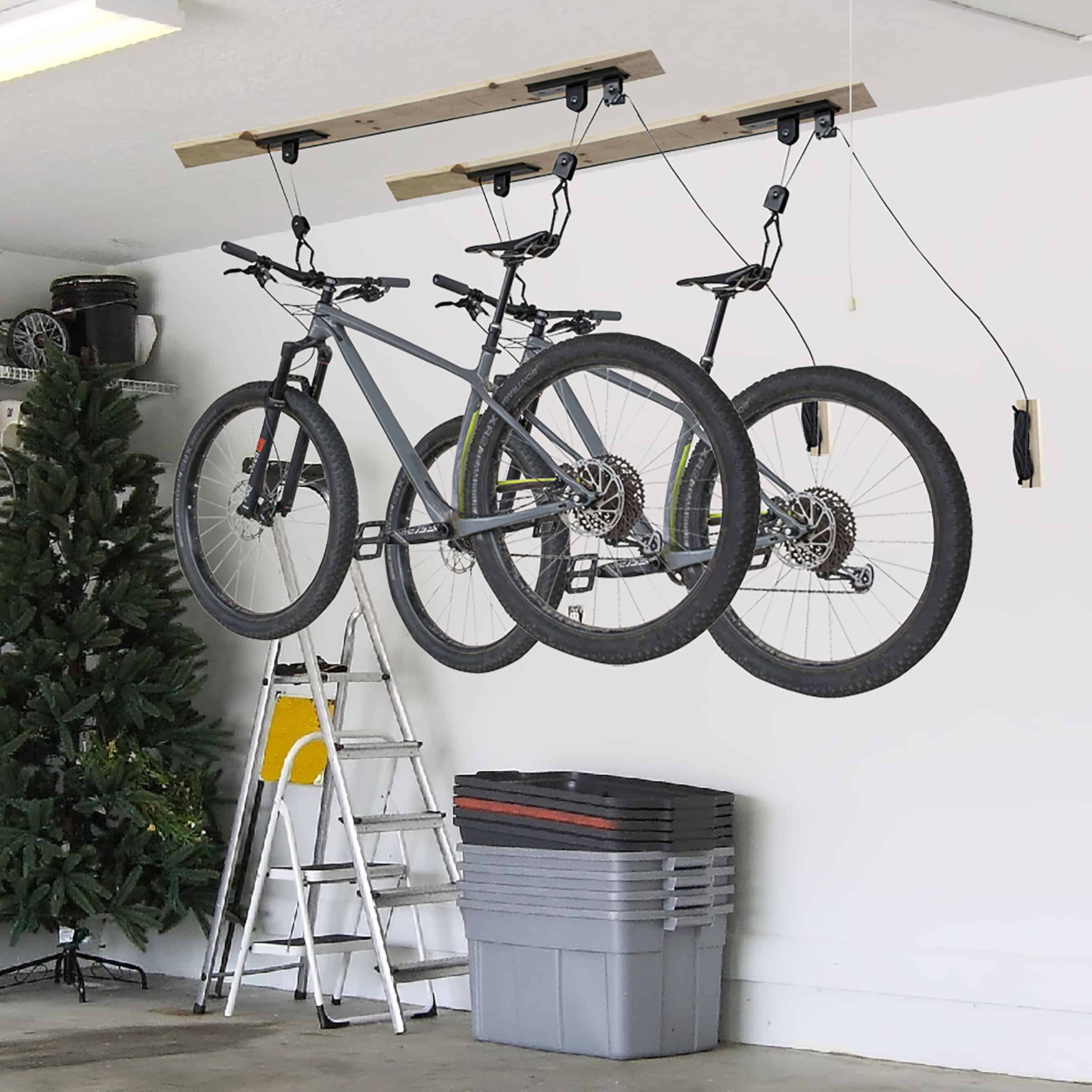
Ever walked into your garage and felt like you were playing a game of Tetris with your life? You step over the lawnmower, dodge the stack of old paint cans, and somehow manage to squeeze past your bike, which is leaning precariously against a shelf that’s already groaning under the weight of holiday decorations. It’s chaos. And if you’re like most people, the ceiling is just dead space staring back at you, begging to be used. But here’s the thing: not all ceiling storage is created equal.
You’ve probably seen the two main contenders. On one side, you have the simple, no-nonsense hook. On the other, the slightly more complex pulley system. They both get the bike off the floor, sure. But the experience of using them? Totally different. One feels like a chore; the other can feel like magic, or a headache, depending on how you look at it. Let’s dig into what actually matters when you’re deciding which one to bolt into your joists.
The Mechanics of Lifting: Effort vs. Simplicity
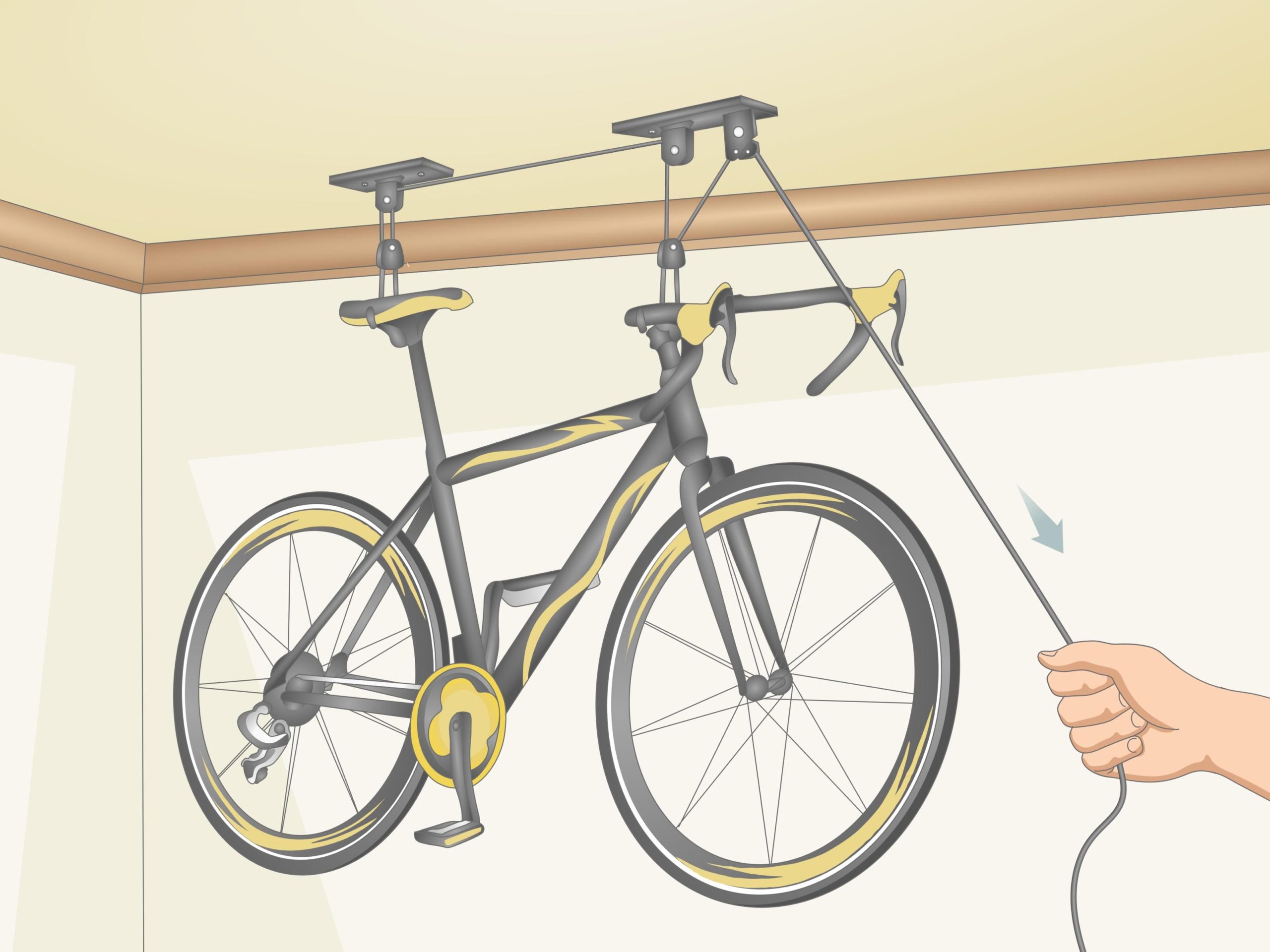
Let’s start with the pulley system. At its core, it’s about mechanical advantage. You pull down on a rope, and the bike goes up. Sounds easy, right? Well, mostly. A good pulley system reduces the effective weight of the bike by half, sometimes more. If you’re hauling up a heavy e-bike or a sturdy mountain bike that weighs forty or fifty pounds, this is a lifesaver. You aren’t lifting the full weight; you’re just guiding it. It’s smooth. It’s controlled. You can stop halfway if you need to adjust something.
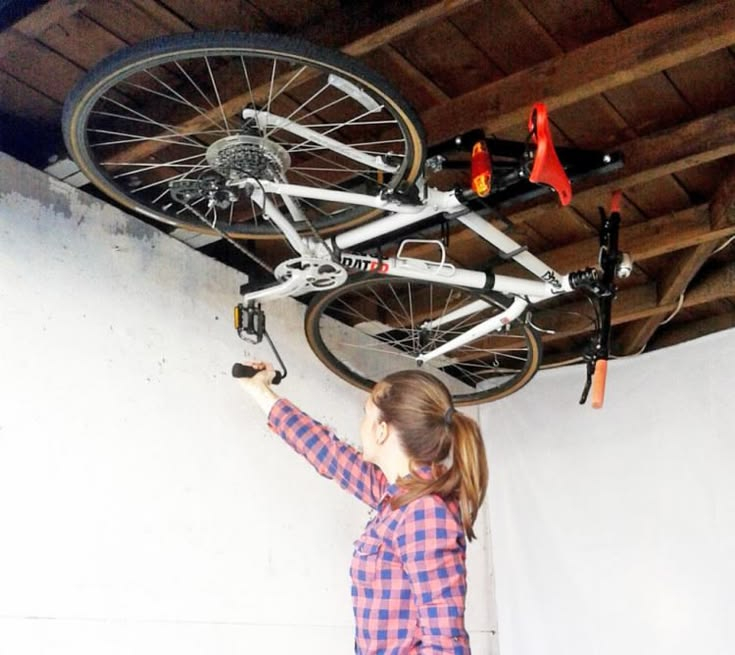
But then there’s the hook. Or the rack. This is pure brute force. You pick up the bike. You lift it overhead. You hang it. There’s no rope, no cleat, no locking mechanism usually (unless you buy a fancy one). It’s immediate. For a lightweight road bike or a kid’s cruiser, this is fine. You can toss it up there without breaking a sweat. But try doing that with a full-suspension rig after a long ride when your arms are already tired? Not fun. The hook demands strength every single time. The pulley asks for technique.
The real difference here isn’t just about weight; it’s about accessibility. With a pulley, you can lower the bike to chest height, unclip it, and walk away. With a hook, you’re often standing on a step stool, reaching up, and trying to balance the bike while you maneuver the frame onto the rubberized hanger. It’s awkward. People often underestimate how annoying that awkwardness becomes over time. If you ride five times a week, that extra ten seconds of struggle adds up. It becomes a barrier. And barriers make you leave the bike on the floor.
Safety and Security: Will It Fall?
This is the part that keeps people up at night. You’re storing a heavy object above your car, or maybe above your workbench. If it falls, it’s not just a scratched paint job; it’s a safety hazard. Pulley systems, by design, have a locking mechanism. When you pull the rope to the desired height, you tie it off or engage a cleat. The tension holds the bike in place. Most modern systems in 2026 also have auto-locking features where the rope grips itself when weight is applied. This means even if you forget to tie a perfect knot, the bike stays put. It’s secure.
Hooks, on the other hand, rely entirely on gravity and friction. The bike hangs there. If someone bumps into it—say, you’re moving a ladder or pulling out a kayak—the bike can swing. If it swings hard enough, it can pop off the hook. Sure, many hooks have rubber coatings to increase grip, and some have a "J" shape to cradle the wheel or frame better. But they are passive. They don’t actively hold the bike; they just support it. If the bike is nudged upward, it comes free.
There’s also the issue of stability. A pulley system usually attaches to the handlebars and the seat post (or sometimes the wheels). This creates two points of contact, keeping the bike relatively level and stable. It doesn’t spin around much. A single-hook system, especially if it’s holding the bike by the top tube or wheel, can allow the bike to rotate. Imagine walking under a spinning bike wheel. It’s disorienting and risky. Dual-hook racks solve this somewhat by holding the frame at two points, but they still lack the active tension of a pulley. The pulley wins on peace of mind, hands down.
Ceiling Height and Clearance Constraints
Not all garages are created equal. Some have soaring twelve-foot ceilings; others barely clear seven feet. This physical reality dictates your choice more than you might think. Pulley systems are ideal for high ceilings. Why? Because the bike hangs from the rope. You can lower it all the way to the ground to load it, then pull it up tight against the ceiling. It maximizes the vertical space. If you have a tall ceiling, a pulley lets you store the bike high enough that you can park an SUV underneath without worrying about dinging the roof.
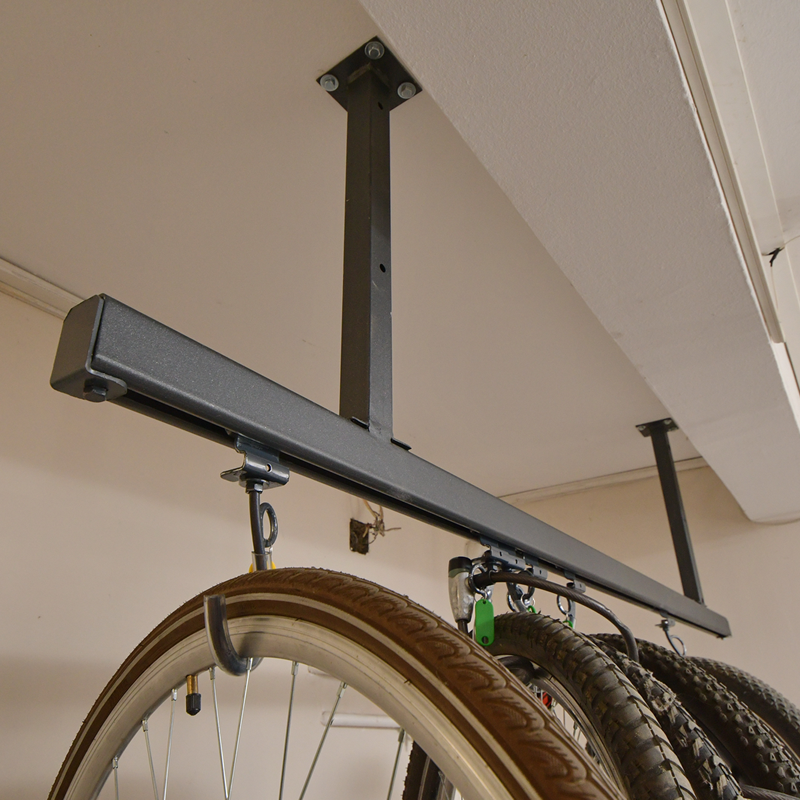
Hooks are rigid. They are mounted at a fixed height. If you mount them too high, you can’t reach them to hang the bike. If you mount them too low, your bike dangles at head level, blocking light fixtures or hitting you in the face when you walk by. To use hooks effectively, you need a ceiling height that allows the bike to hang clear of obstacles but low enough to reach. This "Goldilocks zone" doesn’t exist in every garage. In a standard eight-foot garage, a hanging bike might only have six feet of clearance underneath. That’s tight.
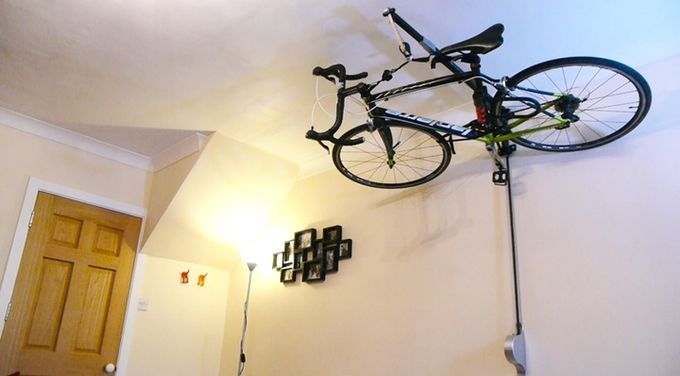
Also, consider the bike’s orientation. Pulleys often let you adjust the angle slightly as you lift. Hooks force the bike into a static position. If your garage has beams or ductwork in the way, a rigid hook system might not fit. You might find that the bike’s pedal hits a pipe. With a pulley, you can sometimes twist the bike as you raise it to navigate around obstructions. It’s more forgiving. If your ceiling is cluttered with pipes and wires, the flexibility of a pulley system is a huge plus. Hooks require a clear, open span.
Installation Complexity and Hardware Needs
Let’s talk about the drill. Installing a pulley system is generally straightforward, but it requires precision. You need to find the joists. You can’t just screw these into drywall; they’ll rip out. Most pulley kits come with lag bolts and clear instructions. You drill pilot holes, drive the bolts into the center of the joist, and attach the pulley housing. Then you thread the rope. It takes maybe thirty minutes if you’re handy. The hardest part is ensuring the two pulley points are spaced correctly so the bike hangs level.
Hook installation is simpler, technically. You find the joist, you screw in the hook. Done. Ten minutes. But here’s the catch: because hooks are rigid, their placement is critical. If you misjudge the width of your bike’s frame or wheelbase, the bike won’t sit right. You might have to drill new holes and patch the old ones. Pulley systems have some slack in the rope, allowing for minor adjustments in positioning after installation. Hooks do not. What you drill is what you get.
Also, consider the hardware quality. Cheap hooks can bend under the weight of a heavy bike. You need to buy forged steel hooks, not the thin wire ones from a discount bin. Pulley systems usually come as a complete unit with tested components. The rope, the pulleys, and the mounts are designed to work together. With hooks, you’re often piecing things together yourself. Are the screws long enough? Is the hook rated for fifty pounds? You have to do the math. For the average DIYer, the all-in-one nature of a pulley kit reduces the chance of error. It’s a safer bet for those who aren’t confident in their structural assessments.
Cost and Value Over Time
Money talks. Generally, basic hooks are cheaper. You can buy a pair of heavy-duty rubber-coated hooks for twenty or thirty dollars. A decent pulley system might run you fifty to eighty dollars. The premium models with auto-locking and soft-touch ropes can go over a hundred. On paper, the hook wins. It’s the budget option. But let’s look at value.
Value isn’t just the purchase price; it’s the usability. If you buy cheap hooks and they bend, or if the bike falls off because the rubber wore out, you’ve wasted money. Worse, you’ve risked damage to your bike. A pulley system, while more expensive upfront, tends to last longer because the weight is distributed through the rope and pulley bearings, not just a single metal point. The rope might fray after a few years, but replacements are cheap. The metal housing lasts forever.
Think about the bike itself. High-end bikes are expensive investments. Do you want to hang a three-thousand-dollar carbon fiber bike on a ten-dollar hook? Probably not. The risk of scratching the frame or dropping it is higher. Pulley systems often have padded attachments that protect the handlebars and seat. They are gentler on the bike. Over time, the protection alone justifies the extra cost. Plus, if you plan to upgrade to an e-bike in the future (and let’s be honest, many of us are), the hook system might become obsolete. The pulley will handle the extra weight with ease. It’s future-proofing your storage.
At the end of the day, this is about your daily life. How does it feel to store your bike? With a hook, it’s a lift-and-hang motion. It’s quick, but it’s physical. If you’re sweaty from a ride, you’re handling the bike directly. You’re getting grease on your hands. You’re straining your shoulders. It’s functional, but it’s not pleasant. It feels like a task.
With a pulley, it’s a ritual. You clip the handles. You pull the rope. The bike rises smoothly. You tie it off. It feels deliberate. It feels like you’re caring for the machine. And when you take it down, you untie the rope, lower it gently, and unclip. No lifting required. This matters more than you think. When storage is easy, you use it. When it’s a hassle, you procrastinate. How many times have you left your bike in the driveway because you didn’t want to deal with hoisting it up?
I’ve talked to dozens of cyclists who switched from hooks to pulleys. The common refrain? "I actually put my bike away now." It sounds silly, but friction—both physical and mental—stops good habits. The pulley removes that friction. It makes the right choice the easy choice. For families, this is even more crucial. Kids can operate a pulley system safely (with supervision). They can’t easily lift a bike onto a high hook. If you want your whole household to respect the storage system, the pulley is the more inclusive option. It democratizes the garage space.
So, where does that leave you? If you have a low ceiling, a light bike, and a tight budget, hooks might do the trick. Just make sure they’re solid. But if you have the height, a heavier bike, or you just want a smoother, safer experience, the pulley is worth every penny. It’s not just about storing a bike; it’s about reclaiming your space and making your life a little bit easier. Don’t let the initial simplicity of the hook fool you. The real difference is in the daily dance between you and your gear. Choose the partner that leads well.