You’ve probably heard the hype. Hemp is everywhere these days. From your salad dressing to your jeans, and now, apparently, your walls. It’s the darling of the sustainable construction world, and for good reason. It sucks carbon out of the air while it grows, it breathes, and it keeps your house cozy without relying on toxic foams. But there’s been a catch. A big, wet, sluggish catch.
For years, if you wanted a hemp home, you had to wait. And wait. Traditional hempcrete—that mix of hemp shivs and lime binder—is usually sprayed or packed into forms on-site. Then, you let it dry. Depending on the weather, that could take weeks or even months before you could close up the walls and move on with your life. In an industry where time is money, that’s a dealbreaker for many builders. It’s like buying a sports car that takes three hours to start every morning. Great potential, terrible usability.
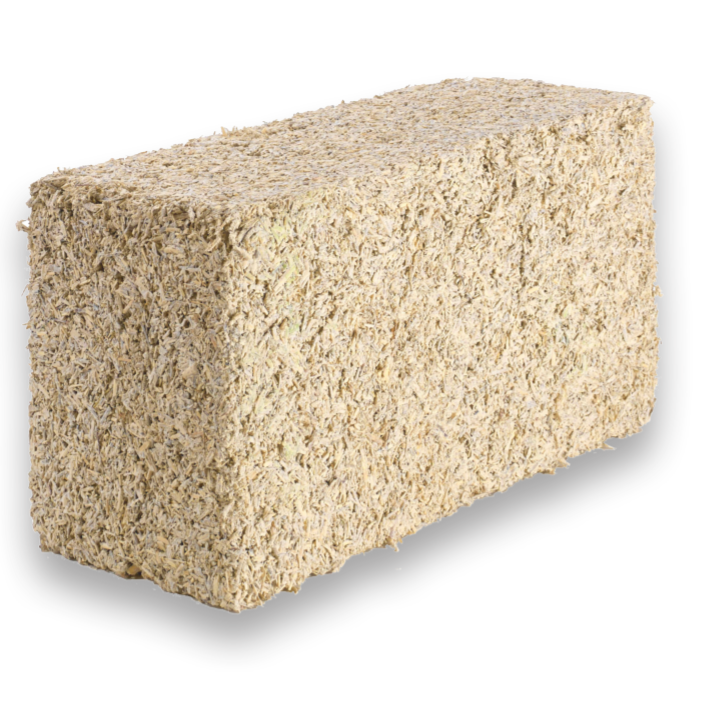
But something has shifted. By 2026, the conversation isn’t just about if we can build with hemp, but how fast we can do it. Enter the hemp-lime block. These aren’t your grandpa’s cinder blocks. They are precast, cured, and ready to stack. They solve the moisture problem before the truck even arrives at the job site. It’s a game changer that turns a slow, artisanal process into something that fits neatly into modern construction schedules. Let’s dig into how this works, because it’s not just magic—it’s smart engineering meeting ancient materials.
The Old Way: Why Wet Hemp Was a Hard Sell
To understand why blocks are such a big deal, you have to look at what came before. Traditional hempcrete construction is beautiful, but it’s messy. You mix the hemp hurds (the woody core of the plant) with a lime-based binder and water. Then, you pack it into temporary forms around the wooden frame of the house. It’s a bit like making a giant, lightweight cake inside your walls.
The problem? Water. Lots of it. That mix needs to dry out completely before you can plaster over it or consider the building envelope sealed. If you rush it, you trap moisture. Trapped moisture leads to mold, structural weakness, and a very unhappy homeowner. In humid climates or during rainy seasons, this curing process could drag on for sixteen weeks or more. Builders hated it. Banks hated it. The uncertainty was a nightmare for project timelines.
It wasn’t just the time, either. It was the labor. Packing hempcrete on-site requires skilled crews who know exactly how much pressure to apply. Too loose, and the insulation value drops. Too tight, and you crush the air pockets that make it insulating. It’s a delicate balance that doesn’t scale well when you’re trying to build hundreds of homes quickly. The material was eco-friendly, sure, but the process felt stuck in the past.
The Block Revolution: Moving Curing Off-Site
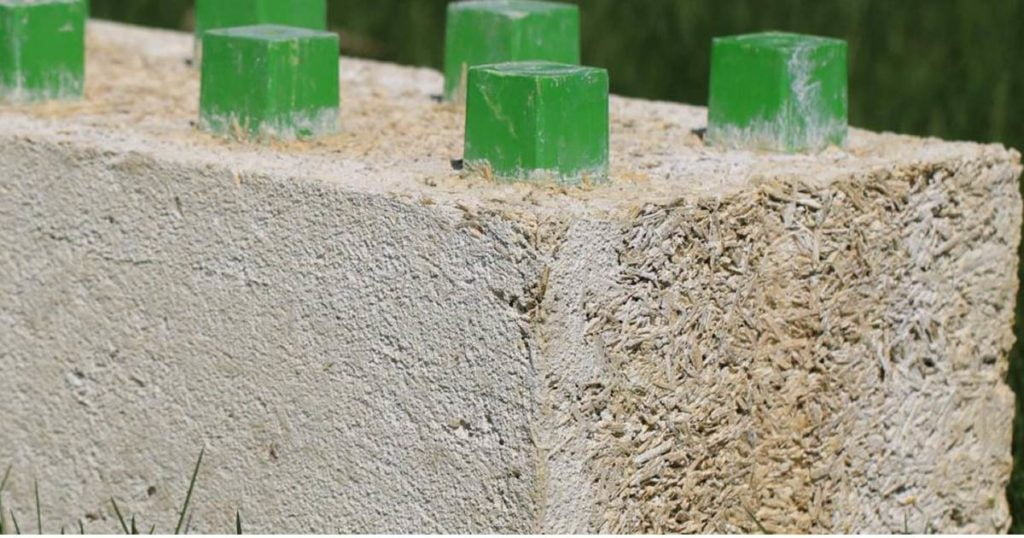
This is where the precast block changes everything. Instead of mixing wet slurry on your lawn, factories mix the hemp shiv and lime binder—sometimes adding metakaolin for extra strength and faster setting—and press them into molds. These blocks are then cured in controlled environments. Think of it like baking bread in a professional oven versus trying to bake it in a campfire. The conditions are perfect, consistent, and fast.
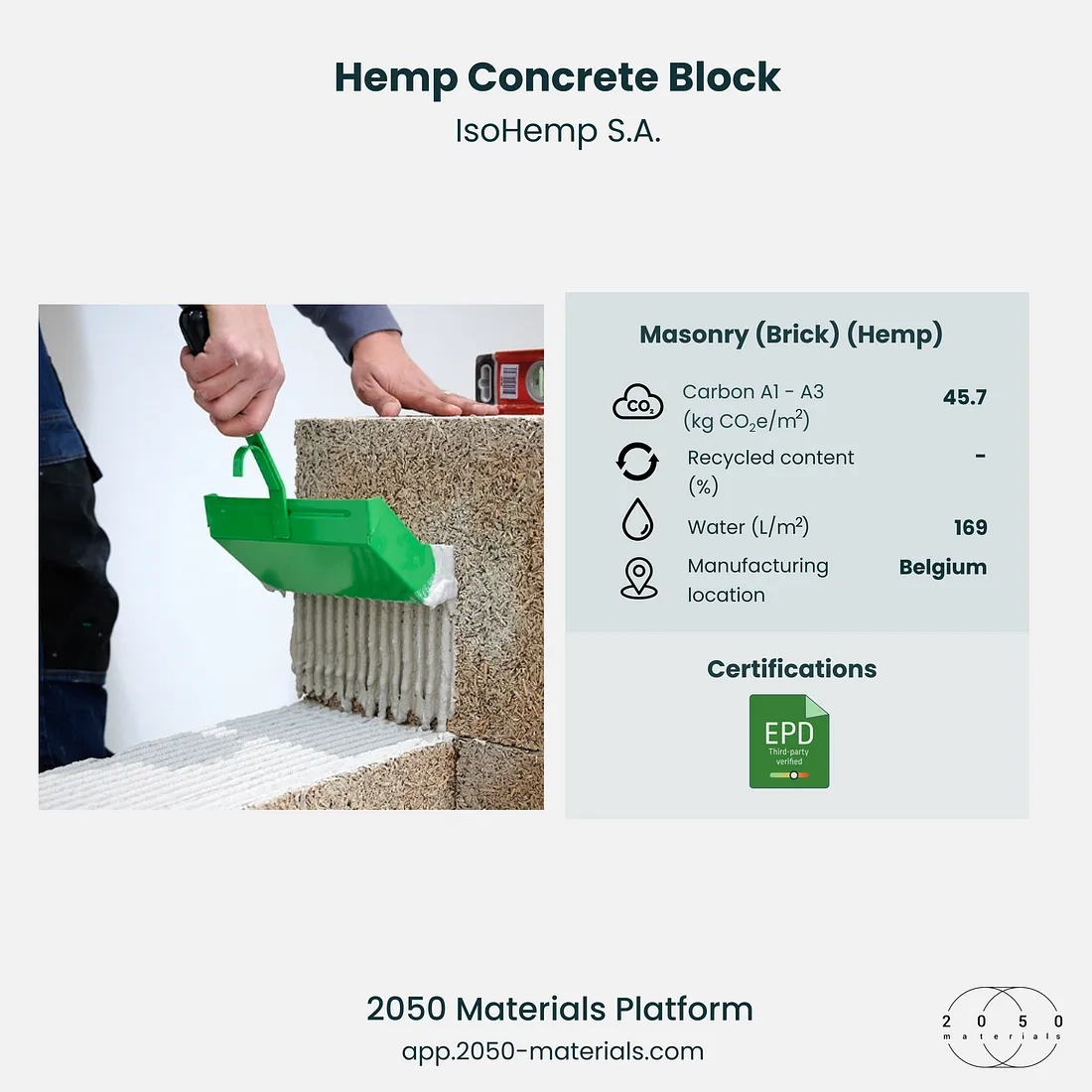
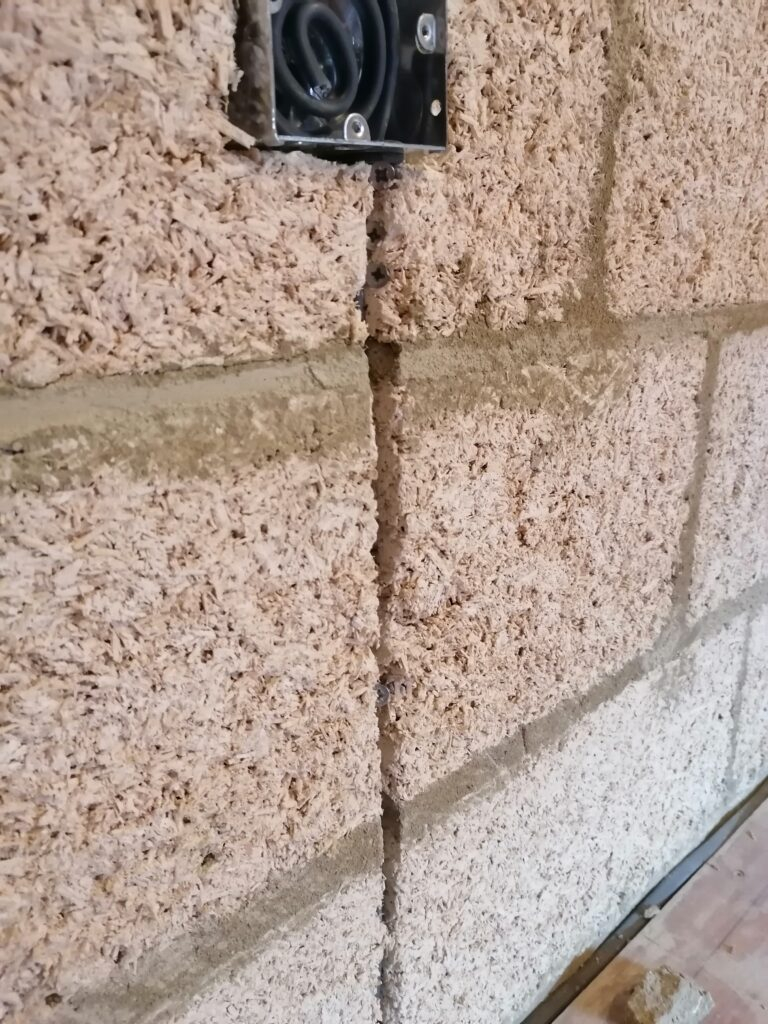
By the time these blocks reach your construction site, they are already solid. They’ve done their shrinking. They’ve released most of their initial moisture. You don’t have to wait for the weather to cooperate. You can stack them just like concrete masonry units (CMUs), using thin-bed mortar. The wall goes up in days, not weeks. And since they’re dry, you can often move to the next stage of construction almost immediately.
This shift from "cast-in-place" to "precast" mirrors what happened with concrete decades ago. We stopped pouring every single sidewalk by hand and started using pre-poured slabs. It’s the same logic here. By moving the complex, time-consuming part of the process to a factory, we remove the variables. Rain doesn’t stop production. Cold snaps don’t halt curing. The quality is higher, and the speed is drastically improved. It makes hemp accessible to builders who don’t have a PhD in bio-composites.
Science of the Speed: How They Dry Faster
You might be wondering, "Isn’t it still made of lime and water? How is it different?" The secret lies in the surface area and the additives. When hempcrete is packed into a wall, it’s thick—often twelve to eighteen inches. Moisture has a long way to travel to escape. A block, however, is exposed to air on all sides during the manufacturing process. This maximizes evaporation.
Modern binders also play a huge role. Research highlighted in recent reviews shows that adding materials like metakaolin to the lime binder accelerates the carbonation process. Carbonation is how lime hardens; it pulls CO2 from the air and turns back into limestone. By optimizing this chemical reaction in a factory setting, manufacturers can create a block that reaches structural stability much faster than a wall drying naturally.
Furthermore, the density of the block is controlled precisely. In on-site mixing, consistency varies from batch to batch. In a factory, every block has the same porosity. This uniformity allows engineers to predict exactly how the material will perform thermally and structurally. It removes the guesswork. You know what you’re getting. And because they’re lighter than concrete, they’re easier to handle, reducing the physical strain on workers and the need for heavy machinery on smaller sites.
Thermal Performance Without the Wait
One of the biggest fears builders had about switching to blocks was losing the thermal benefits of hemp. Hempcrete is famous for its ability to regulate temperature and humidity. It breathes. Does compressing it into a block kill that superpower? Thankfully, no.
Precast hemp blocks maintain the excellent thermal mass and insulation properties of traditional hempcrete. In fact, because the density is consistent, the R-value (a measure of thermal resistance) is more reliable. You don’t get cold spots where the mix was too loose or hot spots where it was too dense. The blocks create a continuous thermal envelope that reduces energy leakage.
In 2026, energy codes are stricter than ever. Homes need to be tight and efficient. Hemp blocks deliver this without the need for additional synthetic insulation layers. You get the structure, the insulation, and the vapor barrier in one product. This simplifies the wall assembly significantly. Fewer layers mean fewer chances for error during installation. It’s a holistic solution that addresses comfort and efficiency simultaneously, which is exactly what modern homeowners are looking for.
Structural Realities: What the Blocks Can Actually Do
Let’s be clear about one thing: hemp blocks are not load-bearing in the same way steel or reinforced concrete is. You still need a frame. Usually, this is a timber frame or a light-gauge steel skeleton. The blocks fill in the gaps, providing insulation and shear strength (resistance to racking from wind or earthquakes), but the frame holds the roof up.
However, recent advancements have improved the compressive strength of these blocks. They are sturdy enough to support multiple stories when used correctly within a framed system. This makes them viable for everything from small accessory dwelling units (ADUs) to multi-family residential buildings. The key is understanding the system. It’s not a direct swap for a concrete foundation, but it’s a superior swap for standard wood framing with fiberglass batts.
The reduction in racking is a major benefit. Because the blocks lock together and bond with the frame, they create a rigid box. This adds resilience against natural disasters, a growing concern in many parts of the world. It’s not just about being green; it’s about being safe. And because the material is lightweight, the overall load on the foundation is reduced, which can sometimes allow for simpler, less expensive foundation designs.
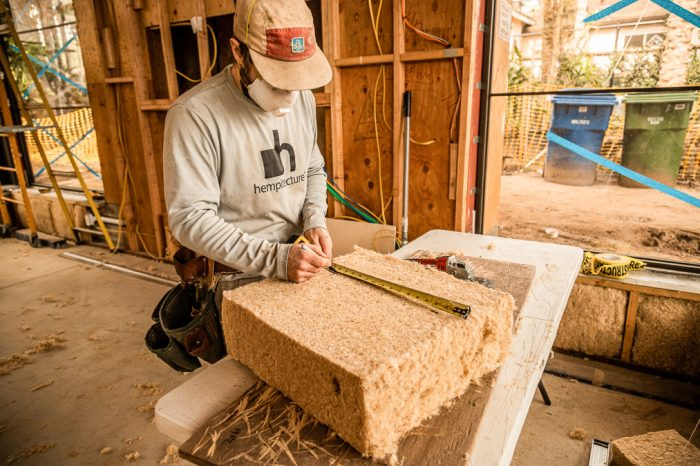
Beyond the specs and the science, there’s a human element to this shift. Builders are tired of the complexity of modern green building. They’re tired of coordinating five different subcontractors to install insulation, vapor barriers, and drywall. Hemp blocks simplify the workflow. One crew can stack the walls. Another can plaster them. It’s straightforward.
For homeowners, the appeal is health. Hemp-lime is non-toxic. It doesn’t off-gas volatile organic compounds (VOCs) like some foams and glues. It regulates indoor humidity, which helps prevent mold and dust mites. For people with allergies or respiratory issues, a hemp home feels different. It feels cleaner. And knowing that their home is carbon-negative—that it actually stored more carbon than was emitted to build it—gives owners a sense of pride.
The stigma around hemp is gone. In 2026, it’s just seen as a smart, high-performance material. The long cure times that once plagued the industry are a thing of the past, replaced by the efficiency of precast blocks. This accessibility means more people can afford to build sustainably. It’s not just for the wealthy eco-enthusiasts anymore. It’s becoming a viable option for mainstream housing, which is exactly where it needs to be to make a real impact on climate change.
So, where does this leave us? The long cure time problem wasn’t solved by changing the material itself, but by changing how we deliver it. By moving the curing process off-site and into controlled factories, hemp-lime blocks have unlocked the speed needed for modern construction. They offer the same environmental benefits—carbon sequestration, breathability, and non-toxicity—but without the logistical headaches.
As we look toward the rest of the decade, expect to see more of these blocks on job sites. They represent a maturation of the hemp building industry. We’ve moved past the experimental phase and into the practical application phase. The technology is proven, the supply chains are establishing themselves, and the builders are ready.
If you’re thinking about building or renovating, don’t let the old myths about slow-drying hemp hold you back. The blocks are here, they’re dry, and they’re ready to work. It’s a small shift in form factor that leads to a massive leap in adoption. And honestly? That’s the kind of progress we can all get behind.