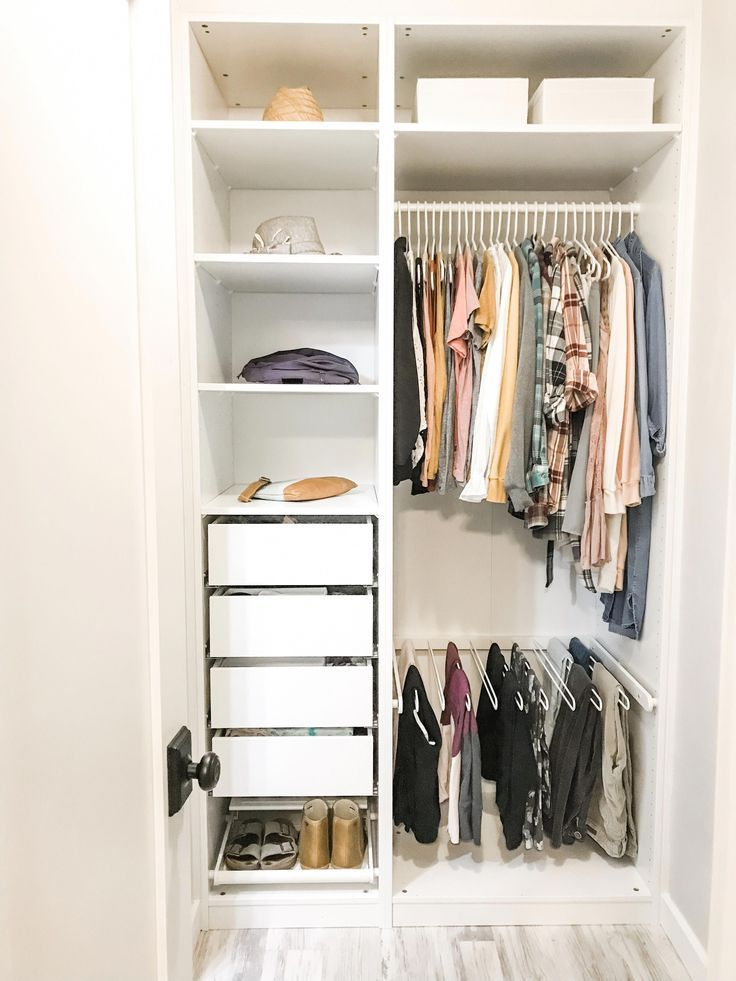
Let’s be honest for a second. Opening your closet door shouldn’t feel like opening a Pandora’s box of chaos. We’ve all been there. You’re rushing to get dressed, you pull out a shirt, and three hangers crash to the floor. Or maybe you’re staring at a pile of sweaters that have slowly migrated into a shapeless mound because the shelf just couldn’t handle the weight. It’s frustrating. It messes with your head before the day even starts.
But here’s the thing. Fixing it doesn’t have to cost a fortune. In fact, if you’ve been looking at those slick, pre-made closet systems online, you’ve probably noticed the price tags have gotten pretty ridiculous lately. We are living in 2026, and while technology has advanced, so have the costs of home renovation. Lumber prices are still hovering about 20% higher than they were back in 2020, according to recent data from the National Association of Home Builders. That’s a tough pill to swallow when you’re just trying to organize your socks.
So, what’s the secret weapon? It’s not some high-tech composite or a rare exotic wood. It’s good old-fashioned plywood. Yeah, you heard me right. Plywood. It’s the unsung hero of the DIY world, and in 2026, it’s basically the only way to build a custom closet that looks expensive but costs peanuts. Let’s dive into why this humble material is taking over the closet game and how you can use it to reclaim your space without breaking the bank.
The Real Cost of Getting Organized
When you start dreaming up a new closet, the first thing that usually hits you is the sticker shock. You browse the big-box stores or check out the custom design firms, and suddenly, organizing your t-shirts feels like a luxury purchase. Why is it so expensive? Well, a lot of it comes down to materials and labor. Pre-fab systems often use particleboard or low-grade MDF (Medium Density Fiberboard). These materials are cheap to make, sure, but they don’t last. They swell up if there’s any humidity, and they sag under pressure. Plus, you’re paying for the brand name and the assembly service.
Then there’s solid wood. Oh, solid wood is beautiful. Imagine oak or walnut shelves. They look incredible. They smell amazing. But let’s talk numbers. Solid hardwood can cost two to three times more than plywood. For a full closet build, that difference isn’t just a few hundred dollars; it’s thousands. In 2026, with inflation still tweaking our budgets, spending $3,000 on closet shelving when you could spend $300 is hard to justify. Most of us would rather put that money toward a vacation or, you know, groceries.
This is where plywood steps in as the goldilocks solution. It’s not as pricey as solid wood, but it’s way stronger than particleboard. A simple DIY plywood design can cost between $70 and $120 for materials if you’re smart about it. That’s it. You can do this in a weekend. You don’t need a contractor. You don’t need a loan. You just need some sheets of plywood, a saw, and a little bit of patience. It’s the kind of project that makes you feel capable. And honestly, isn’t that worth more than the wood itself?
Why Plywood Beats the Alternatives
Let’s get technical for a minute, but keep it simple. You’ve got three main contenders in the ring: solid wood, MDF/particleboard, and plywood. Solid wood is the heavyweight champion of strength, but it’s also heavy on your wallet and tricky to work with. It expands and contracts with temperature changes, which can lead to warping if you’re not careful. MDF is the lightweight contender. It’s smooth and easy to paint, but it’s basically glued-together dust. If it gets wet, it turns into mush. If you put too many jeans on an MDF shelf, it bows down like it’s doing yoga.
Plywood, on the other hand, is engineered for stability. It’s made by layering thin sheets of wood veneer, with each layer rotated 90 degrees from the one below it. This cross-grain construction gives it incredible strength and resistance to warping. It doesn’t care much about humidity changes. It stays flat. It stays strong. According to experts at Columbia Forest Products, hardwood plywood is a mainstay in kitchens and built-ins for a reason. It’s dependable. Yet, for some weird reason, it’s underused in closets. That’s a mistake we’re fixing in 2026.
Think about load capacity. You want shelves that won’t sag under the weight of your favorite sweaters or that stack of board games you never play. Plywood handles this load with ease. A well-supported plywood shelf can hold significantly more weight than an MDF shelf of the same thickness. And compared to solid wood? Sure, oak might hold a tiny bit more, but is it worth triple the price? Probably not. Plywood offers the best bang for your buck. It’s the sweet spot where durability meets affordability. Plus, it’s versatile. You can paint it, stain it, or leave it natural for a modern, industrial look.
Choosing the Right Plywood for Your Build
Not all plywood is created equal. If you walk into a hardware store, you’ll see rows and rows of different types. It can be overwhelming. Don’t panic. For a closet, you don’t need marine-grade plywood (unless your closet is in a boat, which would be cool, but unlikely). You also don’t need the cheapest stuff with knots and holes everywhere. You’re looking for something in the middle. Specifically, look for "cabinet grade" or "sanded plywood." Birch plywood and maple plywood are popular choices because they have a smooth surface that takes paint or stain really well.
Thickness matters too. For shelves, you generally want 3/4-inch thick plywood. This is the standard for most furniture and cabinetry. It’s sturdy enough to hold clothes, books, and boxes without bending. If you’re building the vertical supports or the frame, you can sometimes get away with 1/2-inch, but sticking to 3/4-inch for everything makes the build simpler and stronger. Just remember, 3/4-inch plywood is actually slightly thinner than 3/4 of an inch (it’s usually about 23/32"), so keep that in mind when measuring.
Another thing to consider is the edge banding. Plywood edges show the layers, which can look a bit rough if you’re going for a polished look. In 2026, there are tons of easy ways to cover these edges. You can buy iron-on edge banding that matches your wood species. It’s super easy to apply with a household iron. Or, if you’re painting the whole thing, you can just fill the edges with wood filler, sand them smooth, and paint over them. No one will know the difference. The goal is to make it look intentional, not like a construction site accident.
Tools and Skills You Actually Need
One of the biggest myths about DIY projects is that you need a workshop full of expensive tools. You don’t. Seriously. To build a basic plywood closet organizer, you need a handful of basics. A tape measure is non-negotiable. Get a good one. A circular saw or a jigsaw will help you cut the plywood to size. If you don’t own either, many hardware stores will cut the sheets for you for free or a small fee. Take advantage of that! It saves time and ensures straight cuts. A drill/driver is essential for screwing everything together. And a level. Always use a level. Nothing screams "amateur" like crooked shelves.
Skills-wise, you don’t need to be a master carpenter. If you can follow instructions and hold a drill steady, you’re good to go. The key is planning. Measure your closet’s width, depth, and height carefully. Sketch it out on paper or use a free app on your phone. Decide where you want your hanging rods, your shelves, and your drawers. Keep it simple for your first build. A few horizontal shelves and a hanging rod can transform a space. You don’t need to build a complex system with pull-out racks and lighting right away. You can add those later.
Safety is important too. Wear safety glasses when cutting or drilling. Dust masks are a good idea when sanding. Plywood dust isn’t toxic, but it’s not great to breathe in large quantities. Work in a well-ventilated area. And take your time. Rushing leads to mistakes, and mistakes lead to frustration. This is supposed to be a fun project. Put on some music, grab a coffee, and enjoy the process. There’s something deeply satisfying about building something with your own hands. It connects you to your space in a way that buying furniture never does.
Design Tips for Maximum Functionality
Building the structure is one thing, but designing it for your life is another. A custom closet should fit your habits, not some generic ideal. Do you have more shirts than pants? Add more hanging space. Do you love shoes? Build deeper shelves near the floor. Think about what you actually use. We often build closets for the people we wish we were, not the people we are. Be honest. If you never fold your sweaters, don’t build ten shelves for folded sweaters. Hang them instead.
Lighting is a game-changer. In 2026, LED strip lights are cheap and easy to install. Stick them under the shelves or along the top of the closet. Being able to see your clothes clearly makes getting dressed easier and makes the closet feel more luxurious. It’s a small detail that makes a big impact. Also, consider using vertical space. Most closets waste the area near the ceiling. Add a high shelf for items you rarely use, like luggage or seasonal decorations. This frees up the prime real estate for your daily stuff.
Don’t forget about aesthetics. Plywood doesn’t have to look like a construction zone. If you like the natural wood look, seal it with a clear coat to protect it and bring out the grain. If you prefer a clean, white look, paint it. White reflects light and makes small closets feel bigger. You can also mix materials. Use plywood for the structure and add wire baskets or fabric bins for texture. The goal is to create a space that feels calm and organized. When you open that door, you should feel a sense of relief, not stress. That’s the power of good design.
You’ve built it. It looks great. Now, how do you keep it that way? Plywood is durable, but it’s not invincible. The main enemy is moisture. If you live in a humid climate, consider using a dehumidifier in your bedroom or closet. Excessive moisture can cause the layers of plywood to separate over time, though this is rare with good quality plywood. Wipe up any spills immediately. Don’t let wet clothes sit on the shelves.
Cleaning is easy. Dust the shelves regularly with a microfiber cloth. For tougher grime, use a mild soap and water solution. Avoid harsh chemicals or abrasive scrubbers, as they can damage the finish. If you painted your closet, touch up any chips or scratches with matching paint. It’s a quick fix that keeps things looking fresh. Check the screws occasionally. Over time, vibration and use can loosen them. A quick tighten with your drill once a year will keep everything solid.
The beauty of a plywood closet is that it’s easy to modify. If your needs change, you can add shelves, move rods, or repaint. It’s not a permanent, fixed system like some custom installs. It evolves with you. Maybe next year you decide you need more shoe storage. No problem. Buy a sheet of plywood, cut some new shelves, and screw them in. It’s flexible. It’s forgiving. And it’s yours. That adaptability is part of what makes it such a smart investment. You’re not just building a closet; you’re building a system that grows with your life.
So, there you have it. Plywood isn’t just a cheap alternative. It’s a smart, strong, and stylish choice for anyone looking to take control of their storage space in 2026. It bridges the gap between the high cost of solid wood and the low quality of particleboard. It empowers you to build something custom, something that fits your life perfectly, without draining your savings account. Whether you’re a seasoned DIYer or a complete beginner, plywood is accessible. It’s forgiving. And the results? They’re genuinely impressive.
Think about how much time you spend in your closet. It’s where you start your day. It’s where you end it. Making that space functional and beautiful is an act of self-care. It reduces stress. It saves time. And with plywood, it doesn’t have to be a financial burden. So, grab a tape measure. Sketch out a plan. Head to the hardware store. You might just find that building your own closet is one of the most rewarding projects you tackle this year. And hey, if you mess up a cut? It’s just wood. You can always try again. That’s the beauty of it.