You know that feeling when you host an open house and twenty people walk through? It feels like a win. But then Sunday night rolls around, your sign-in sheet is full of names, and your phone stays silent. Crickets. It’s frustrating, right? You spent all weekend cleaning, staging, and smiling, but none of it translated into actual offers or even solid conversations. In 2026, the real estate game has shifted. Buyers are smarter, more distracted, and far more cautious with their money. They aren’t just looking for a house; they’re looking for certainty. And if your open house feels like a generic tour, they’ll keep scrolling on their phones while standing in your living room.
The truth is, an open house isn’t just about showing off the granite countertops or the new HVAC system. It’s a psychological exercise. It’s about creating an environment where a casual browser starts imagining their life in the space. It’s about lowering their guard so they feel comfortable asking the hard questions. Most agents still treat open houses like a museum exhibit—look but don’t touch. That approach is dead. To turn lookers into buyers this year, you need a system that engages, captures, and nurtures. You need a checklist that goes beyond baking cookies and opening windows. You need a strategy that respects the buyer’s journey from the moment they see your yard sign to the moment they send that follow-up text.
The Pre-Game Prep: Setting the Stage Before They Arrive
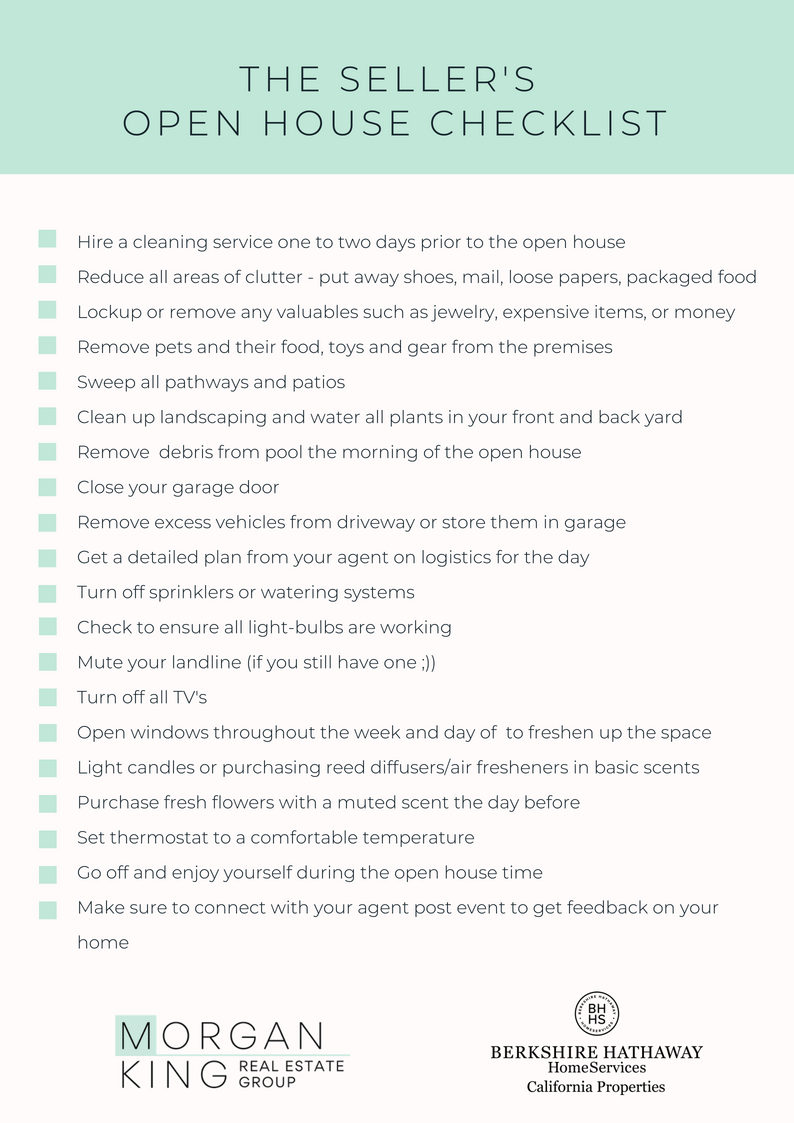
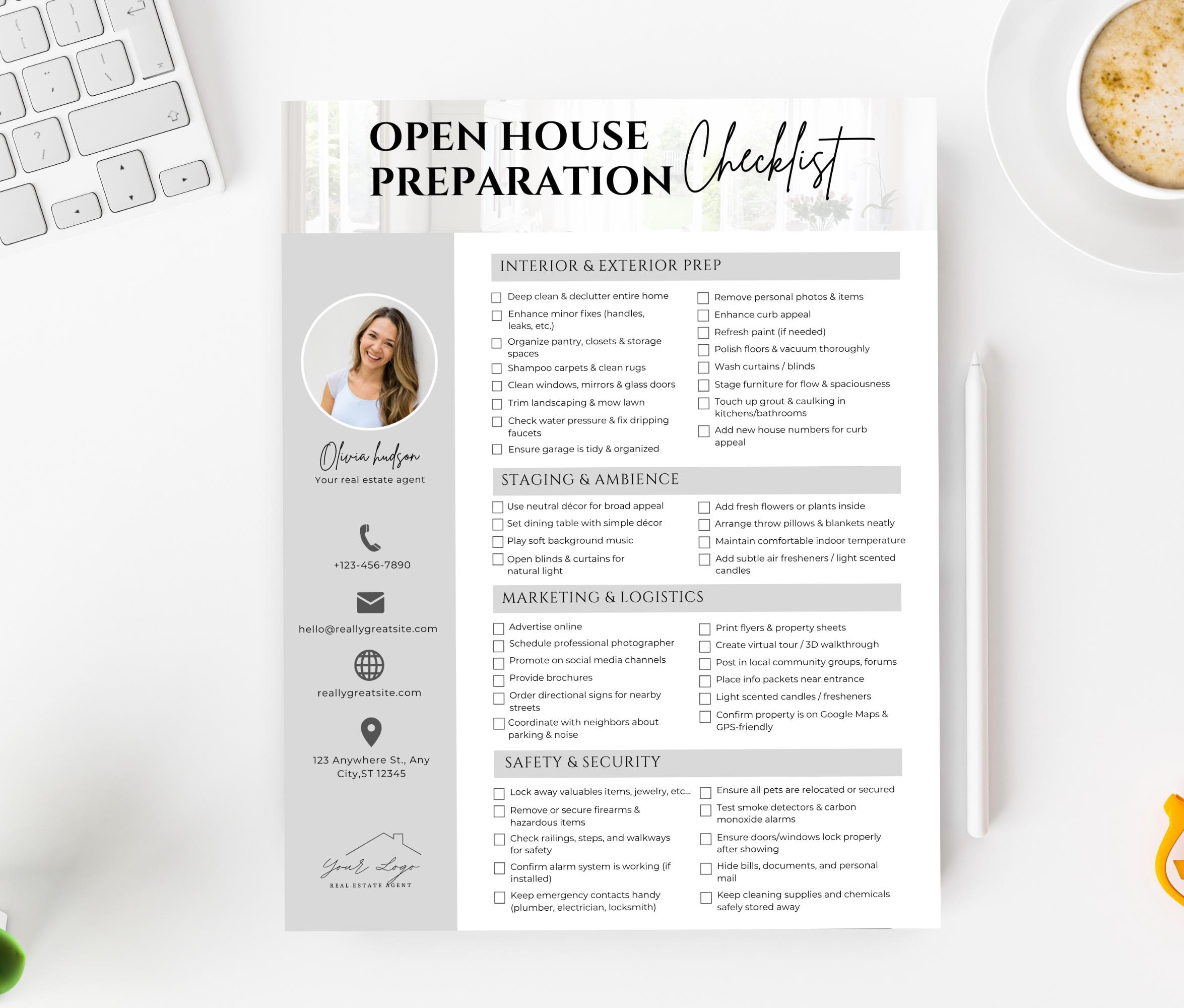
Success doesn’t start when the first car pulls into the driveway. It starts days before. In fact, the most critical work happens in the shadows, unseen by the public. If you wait until Saturday morning to think about your open house, you’ve already lost. The modern buyer in 2026 expects a seamless experience. They’ve likely seen the listing online, maybe even taken a virtual tour. So when they arrive, the physical reality needs to match—or exceed—the digital promise. This means deep cleaning, yes, but also strategic staging that highlights flow and function. Remove the personal clutter. Not just the family photos, but the excess furniture that makes rooms feel small. You want them to see potential, not your client’s stuff.
But prep is also about logistics. Have you checked your signage? In many neighborhoods, local ordinances have tightened up on where and how you can place directional signs. Make sure you’re compliant so you don’t get fined or have your signs tossed by city workers. More importantly, test your tech. Is the Wi-Fi password easy to find? Does the smart lock work reliably? Nothing kills momentum like fumbling with a keypad while three couples stand awkwardly on the porch. And don’t forget the sensory details. Light matters. Open every blind. Turn on every light, even during the day. It makes spaces feel larger and warmer. A slight scent of coffee or fresh linen can subconsciously signal "home," but avoid heavy air fresheners. They scream "cover-up."
Finally, prepare your materials. Not just the flyers, but the conversation starters. Have a one-sheet ready that answers the top five questions buyers ask: age of the roof, utility costs, neighborhood vibe, school districts, and recent upgrades. When you hand this to a visitor, you’re not just giving them paper; you’re showing them you’re organized and transparent. It builds trust instantly. Also, set up your lead capture method. Are you using a digital tablet? A QR code? Or good old pen and paper? Each has pros and cons, but ensure it’s frictionless. If it takes more than ten seconds to sign in, they won’t do it. And if they don’t sign in, they don’t exist to you after they leave.
Marketing That Actually Pulls People In
Let’s be honest. Putting a sign in the yard and posting on the MLS isn’t enough anymore. The market is noisy. To get bodies in the door, you need to cut through the static. Start with social media, but don’t just post the listing link. Create short, vertical video tours for Instagram Reels and TikTok. Show the best feature of the home in the first three seconds. Maybe it’s the backyard oasis or the chef’s kitchen. Use trending audio if it fits, but keep it professional. Tag the location. Local buyers search by neighborhood, not just by price. And consider running a small, targeted ad campaign on Facebook and Instagram focused on people within a 10-mile radius who have recently engaged with real estate content. It’s cheap, and it works.
Email marketing is another underrated tool. Don’t just blast your entire database. Segment it. Send a personalized invite to neighbors. Why? Because neighbors are nosy, sure, but they also have friends, family, or colleagues who might be looking. They are your best referral source. Invite them specifically to give feedback. Make them feel like insiders. For your active buyer leads, send a teaser email 48 hours before the event. Highlight one unique selling point that wasn’t obvious in the photos. Create curiosity. "Come see the hidden pantry" or "Check out the view from the primary bedroom at sunset." Give them a reason to come back, even if they’ve seen the listing online.
Don’t ignore the power of community partnerships. Partner with a local lender or home inspector to co-host. They bring their own networks, which expands your reach. Plus, having a lender on-site (or available via video call) removes a huge barrier for buyers who are unsure about financing. It shows you’re thinking about their whole journey, not just the sale. And remember, timing matters. In 2026, many people work hybrid schedules. Consider holding open houses on Friday evenings or Sunday afternoons, rather than just the traditional Saturday slot. Test different times and track attendance. Data beats tradition every time.
The Arrival Experience: First Impressions Matter
The first thirty seconds define the rest of the visit. When a buyer walks through the door, what happens? Do you jump out and start talking? Bad move. Let them breathe. Greet them warmly, introduce yourself, and then step back. Give them space to orient themselves. A simple, "Welcome! Feel free to look around. I’m here if you have any questions," is perfect. It’s low pressure. It signals that you respect their autonomy. Many buyers feel hunted at open houses. They’re afraid of being sold to. Your job is to make them feel safe. If you hover, they’ll rush through the rooms just to escape. If you give them space, they’ll linger. And lingering leads to emotional connection.
Have a clear flow plan. Guide them subtly. If the kitchen is the star, make sure the path leads there naturally. Remove any obstacles that block movement. Cluttered hallways create subconscious stress. Keep the temperature comfortable. Too cold, and they’ll want to leave. Too hot, and they’ll feel sluggish. Aim for neutral. Also, consider offering a small, non-intrusive refreshment. A bottle of water with a custom label, or a locally sourced snack. It’s a small gesture, but it triggers reciprocity. They feel slightly indebted to you, which makes them more likely to engage in conversation later. Just keep it simple. No messy foods. No strong smells.
Safety is paramount, too. In 2026, both agents and sellers are more aware of security risks. Keep valuables locked away. Medications, jewelry, small electronics—put them in a safe or take them with you. It protects the seller and protects you from liability. Also, be aware of who is entering. If someone seems suspicious or refuses to sign in, trust your gut. It’s okay to politely decline entry. Your safety and the seller’s peace of mind come first. A professional open house feels secure. It feels managed. That confidence transfers to the buyer. They think, "If the agent is this on top of things, the transaction will probably go smoothly too."
Engaging Without Being Pushy
So, they’re inside. They’re looking. Now what? This is where the magic happens. Your goal isn’t to recite specs. It’s to uncover motivation. Ask open-ended questions. Instead of "Do you like the kitchen?" try "How do you imagine using this space?" or "What’s missing from your current home that you’d love to find here?" These questions force them to visualize their life in the house. It moves them from observers to participants. Listen more than you talk. Pay attention to what they linger on. If they spend five minutes looking out the back window, that view is important to them. Note it. Use it later in your follow-up.
Build rapport by finding common ground. Did you notice their dog? Ask about it. Did they mention they’re moving from out of state? Ask what brought them here. People buy from people they like. If you can establish a human connection, the transaction becomes less about numbers and more about trust. Share stories about the neighborhood. "The coffee shop down the street has the best latte," or "The park nearby is great for weekend runs." These details paint a picture of lifestyle, not just square footage. Buyers aren’t just buying walls; they’re buying a community. Help them see themselves as part of it.
Avoid negative language. Never say, "This room is small." Say, "This room is cozy and efficient." Never say, "The backyard needs work." Say, "There’s a lot of potential to customize the outdoor space." Frame everything positively. You’re guiding their perception. Also, be honest about drawbacks. If there’s a noisy street nearby, acknowledge it but offer a solution. "Yes, you can hear the traffic during rush hour, but the double-pane windows really block it out once you’re inside." Honesty builds credibility. If you try to hide flaws, they’ll find them, and they’ll wonder what else you’re hiding. Transparency is your best sales tool.
Capturing Leads: The Art of the Sign-In
Here’s the harsh reality: if you don’t get their contact info, the open house was a waste of time. But getting that info is tricky. People are protective of their privacy. They don’t want spam. So, make the sign-in process valuable. Instead of just "Name and Email," offer something in return. "Enter your email to receive the detailed floor plan and utility cost breakdown." Or "Scan this QR code to get a list of recent sales in this neighborhood." Give them a reason to share. Digital sign-ins are great because they can automatically add tags to your CRM. Tag them as "Open House Lead – [Address]" so you can segment them later.
If you use a paper sheet, keep it private. Use a clipboard with a cover sheet, or have individual cards. Nobody wants their name and phone number visible to the next person who walks in. It feels invasive. And make sure you collect enough data. Name, email, phone, and—crucially—buyer status. Are they pre-approved? Just looking? Working with another agent? A simple checkbox system works well. This helps you prioritize your follow-up. A pre-approved buyer gets a call within an hour. A casual looker gets an email the next day. Treat them differently based on their readiness.
Also, capture behavioral data. If you’re using a digital tool, note which rooms they spent time in. If you’re doing it manually, jot down quick notes after they leave. "Couple, mid-30s, loved the kitchen, concerned about the roof age." These notes are gold. They allow you to personalize your follow-up. Generic emails get deleted. Personalized messages get read. And don’t forget to ask for permission to follow up. "Is it okay if I send you some more info on this property?" It’s polite, and it sets expectations. Most people will say yes, especially if you’ve been helpful and not pushy.
The open house ends, but your work is just beginning. Most agents fail here. They send a bland "Thanks for coming" email two days later. By then, the buyer has forgotten you. Speed is essential. Send a personalized text within two hours of the event ending. Keep it short. "Hi [Name], great meeting you today! I loved hearing your thoughts on the backyard. Here’s that link to the neighborhood info we discussed. Let me know if you have any other questions!" It’s friendly, helpful, and reminds them of the connection. If they don’t reply, don’t panic. Wait 24 hours, then send an email with more value.
Segment your follow-up based on interest level. For hot leads, call them. Yes, actually pick up the phone. Ask if they want to schedule a private showing. Offer to write an offer if they’re ready. For warm leads, send a drip campaign. Share similar listings, market updates, or tips for first-time buyers. Keep staying top-of-mind without being annoying. For cold leads or neighbors, send a thank-you note with a small gift card for a local coffee shop. It’s a nice gesture that keeps the door open for future referrals. Remember, today’s neighbor is tomorrow’s seller.
Track your results. Which marketing channel brought the most people? Which follow-up method got the most replies? Use this data to refine your next open house. Real estate is a numbers game, but it’s also a relationship game. The checklist isn’t just about tasks; it’s about building a system that consistently converts interest into action. In 2026, the agents who win are the ones who treat every open house as a mini-business operation. They prepare, they engage, they capture, and they follow up with precision. It’s not luck. It’s discipline. And when you get it right, those casual lookers start turning into serious buyers. And eventually, into closed deals.
So, take a look at your next open house plan. Is it just a sign and a smile? Or is it a strategic engine designed to build trust and capture opportunity? The difference is in the details. The difference is in the follow-through. Start implementing these steps. Tweak them to fit your style. But don’t skip them. Because in a market that’s constantly changing, the fundamentals of human connection and professional preparation never go out of style. They just get more valuable. Go out there and make it happen. You’ve got this.