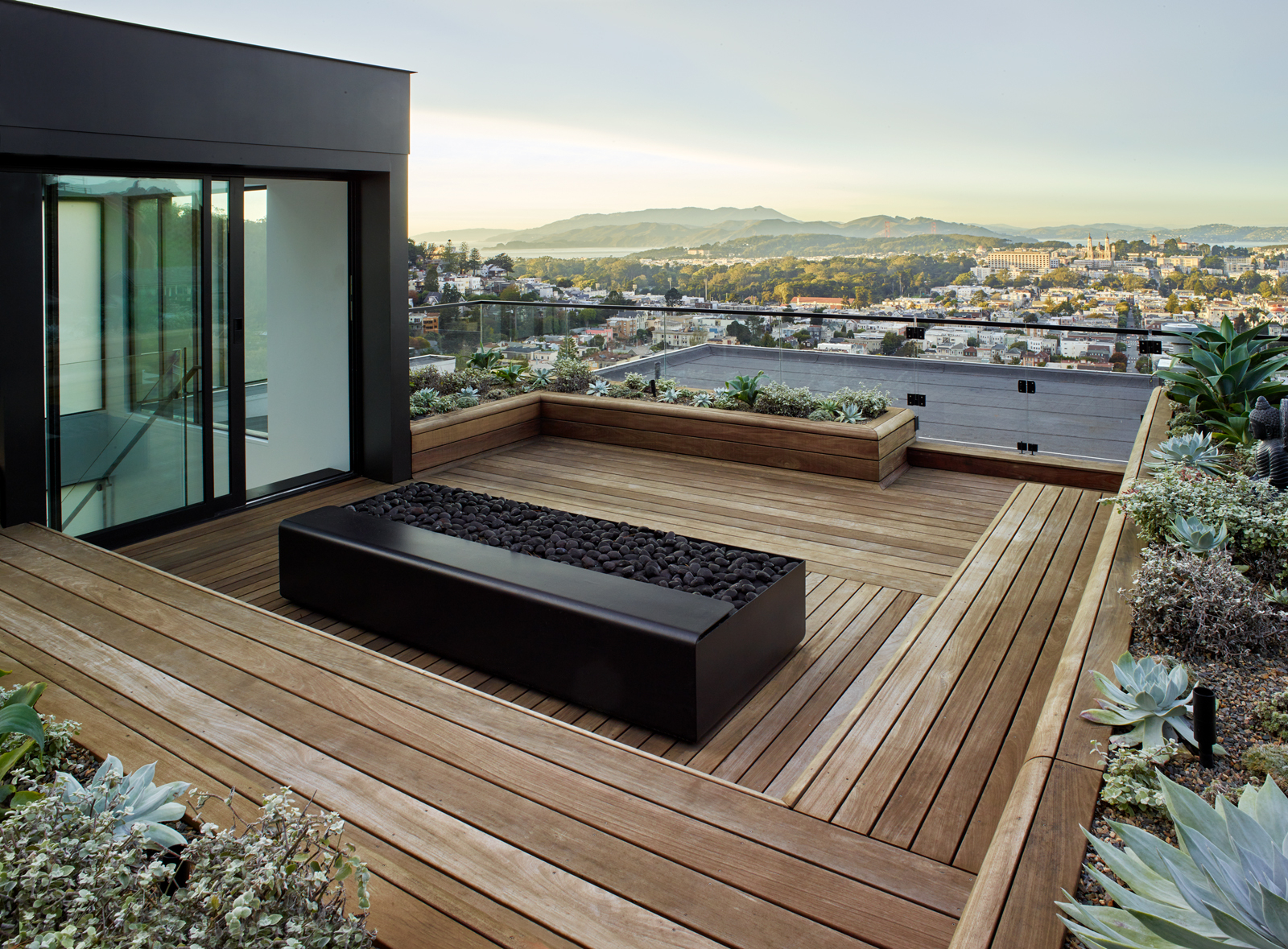
Ever looked at your backyard and felt like it was just… wasted potential? You’re not alone. In 2026, the desire to turn those empty patches of grass or concrete slabs into vibrant living rooms has never been stronger. But here’s the kicker: you don’t need a second mortgage to make it happen. In fact, some of the most impactful transformations are happening well under the ten-thousand-dollar mark. It’s about working smarter, not harder, and knowing exactly where every dollar goes.
The post-pandemic shift didn’t just fade away; it solidified. Our homes became our offices, our gyms, and our sanctuaries. Now, that expectation has spilled outside. Buyers aren’t just looking for a yard; they’re hunting for an experience. And the good news? You can create that experience without breaking the bank. Whether you’re planning to sell in a few years or just want to enjoy your morning coffee in a space that feels like a retreat, smart budgeting is your best friend. Let’s dive into how you can stretch that $10k budget to its absolute limit.
Understanding the Real Value of Outdoor ROI
When we talk about Return on Investment (ROI) for outdoor spaces, it’s easy to get bogged down in cold, hard resale numbers. But in 2026, the definition of value has expanded. Sure, financial payback matters. According to recent data from the National Association of Realtors, landscaping projects continue to score incredibly high on "joy factors" for homeowners. That means you get immediate satisfaction while you live there, which is a huge part of the equation. But it also translates to resale power. Buyers today are specifically searching for homes with ready-to-use outdoor areas. They don’t want a project; they want a patio.
However, it’s crucial to keep expectations realistic. Not every dollar spent returns a dollar upon sale. Some projects offer a higher likelihood of recouping costs than others. For instance, hardscaping like patios and decks often holds value better than elaborate garden features that require constant maintenance. The key is balancing lifestyle enjoyment with market appeal. If you love a koi pond but your neighborhood is full of young families who prefer open play space, your personal joy might not align with broader market value. Smart budgeting means finding that sweet spot where your happiness and future buyer appeal intersect.
Think of ROI as a layered concept. There’s the immediate emotional return—the relief of stepping out into a beautiful space after a stressful day. Then there’s the functional return—having a place to entertain friends without paying for restaurants. And finally, there’s the financial return. By focusing on high-visibility, low-maintenance upgrades, you boost all three. This holistic view helps you prioritize spending. Instead of blowing the budget on expensive, fragile plants, you might invest in durable pavers and comfortable seating. That’s a win-win-win scenario.
Prioritizing Hardscaping Over Softscaping
If you only have $10,000, you have to make tough choices. One of the biggest mistakes people make is overspending on "softscaping"—the plants, trees, and mulch. Don’t get me wrong, greenery is essential. But it grows, changes, and sometimes dies. Hardscaping, on the other hand, is permanent. It defines the space. A well-built patio or a simple deck creates the foundation for everything else. In 2026, materials like composite decking and permeable pavers are more accessible than ever, offering durability without the premium price tag of natural stone.
Start with the bones of your outdoor room. Define the area where people will actually sit and move. A simple 12×12 concrete paver patio can cost a fraction of a custom stone installation. If you’re handy, laying pavers is a manageable DIY weekend project. Even if you hire help, sticking to standard sizes and local materials keeps costs down. Why? Because custom cuts and imported stones add labor time and material fees that eat up your budget fast. Keep the shape simple. Rectangles and squares are cheaper to build than intricate curves.
Once the hardscape is done, you can add softscaping strategically. Instead of filling every inch with flower beds, use plants to frame the space or provide privacy. A few well-placed ornamental grasses or native shrubs can soften the edges of a patio without requiring a landscape architect’s fee. Native plants are particularly smart for 2026 budgets because they require less water and care, reducing long-term costs. This approach ensures your initial investment stands the test of time, both visually and financially. You’re building a stage, not just a garden.
The Power of Strategic DIY and Phasing
Let’s be real: labor is the biggest expense in any home improvement project. If you can swap sweat equity for cash, you instantly stretch your budget. But this doesn’t mean you need to become a master carpenter overnight. Focus on high-impact, low-skill tasks. Painting existing furniture, assembling flat-pack pergolas, or laying gravel paths are great places to start. There’s a certain pride in sitting at a table you built yourself, too. As one retired woodworker noted, a sturdy picnic table made from reclaimed pine can last decades and save hundreds. That’s the kind of value we’re talking about.
Phasing is another critical strategy. You don’t have to do everything at once. Break your $10k budget into phases. Phase 1 might be the patio base and basic lighting. Phase 2 could be adding a fire pit and seating. Phase 3 might involve planting and decorative accents. This approach allows you to spread costs over time and adjust based on what you learn. Maybe you realize you hate the location of the fire pit after living with the patio for a summer. If you’d spent all your money upfront, you’d be stuck. With phasing, you have flexibility.
Also, consider sourcing materials creatively. Reclaimed wood, surplus tiles from local suppliers, or even online marketplaces can yield treasures for a fraction of retail cost. Just be sure to inspect quality carefully. A cheap deal isn’t a deal if it falls apart in a year. Look for materials that are durable and weather-resistant. In 2026, sustainability is also a selling point. Using reclaimed or locally sourced materials isn’t just budget-friendly; it’s eco-conscious, which appeals to modern buyers. It’s a narrative you can share when you eventually list your home.
Lighting and Ambiance on a Dime
Lighting transforms a space from daytime functional to nighttime magical. Yet, it’s often an afterthought in budgeting. Don’t let it be. Good lighting extends the usability of your outdoor room, effectively doubling its value. You don’t need expensive hardwired fixtures to achieve this. Solar-powered LED path lights have come a long way in recent years. They’re brighter, last longer, and look sleeker than the clunky versions of the past. String lights are another affordable classic. Draped overhead, they create an instant ceiling for your outdoor room, adding warmth and intimacy.
Focus on layering your light. Use ambient lighting for general visibility, task lighting for cooking or reading, and accent lighting to highlight architectural features or plants. A simple spotlight on a tree or a wall wash can add depth and drama without costing much. Smart bulbs are also worth considering. Being able to control brightness and color from your phone adds a modern touch that feels luxurious but is relatively inexpensive. In 2026, energy efficiency is paramount, so LED options are not just cost-effective upfront but also save on electricity bills.
Placement is key. Avoid glaring lights that shine directly into eyes. Instead, aim for indirect illumination. Hide lights behind planters or under railings. This creates a soft glow that invites relaxation. Test your layout at night before finalizing installations. Walk around the space and see where shadows fall. Adjust as needed. Remember, lighting isn’t just about seeing; it’s about feeling. A well-lit space feels safe, welcoming, and expansive. It’s one of the highest-ROI additions you can make for such a low cost.
Furniture and Decor: Invest in Versatility
Furniture can make or break your budget. It’s tempting to buy a cheap set that looks good in the store, but outdoor conditions are harsh. Sun, rain, and temperature swings wreak havoc on low-quality materials. Instead of buying a full suite at once, invest in a few high-quality, versatile pieces. A durable dining table that can double as a workspace. Comfortable chairs that stack for storage. Look for materials like powder-coated aluminum, teak, or all-weather wicker. They might cost more initially, but they’ll last for years, making them cheaper in the long run.
Mix and match to save money. You don’t need a matching set. In fact, eclectic mixes often look more curated and stylish. Pair a vintage bench with modern chairs. Add colorful cushions to neutral frames. Cushions are an easy way to change the look of your space seasonally without buying new furniture. Store them properly during off-seasons to extend their life. In 2026, multifunctional furniture is trending. Ottomans with storage, tables that expand, and benches with hidden compartments maximize utility in small spaces.
Don’t underestimate the power of accessories. Rugs, throw pillows, and outdoor curtains add texture and comfort. They define zones within your larger space. An outdoor rug under a seating area anchors the conversation zone. Curtains on a pergola provide privacy and shade. These items are relatively inexpensive but have a huge visual impact. Shop sales, outlet stores, and online discounts. Wait for end-of-season clearances to stock up on next year’s decor. It’s a simple trick that savvy shoppers use to keep costs low while maintaining style.
It’s easy to get carried away when you’re excited about a project. Scope creep is the silent budget killer. You start with a simple patio idea, then decide you need a built-in grill, then a water feature, then custom lighting. Suddenly, your $10k budget is $20k. Stick to your plan. Write down your priorities and refer to them constantly. If a new idea pops up, ask yourself: Does this align with my primary goal? Can I afford it without sacrificing something more important? If the answer is no, save it for later.
Hidden costs are another trap. Permits, disposal fees, and unexpected site preparation issues can add up quickly. Before you start, research local regulations. Do you need a permit for that deck? Is there an HOA rule about fence heights? Factor these potential costs into your initial budget. Leave a contingency fund of 10-15% for surprises. It’s better to have leftover money than to run out mid-project. Also, get multiple quotes if you’re hiring professionals. Prices can vary significantly, and negotiation is often possible.
Finally, avoid trend-chasing. What’s hot in 2026 might be outdated in 2030. Classic designs age better. Neutral colors, natural materials, and simple lines are timeless. If you love a bold trend, incorporate it through easily changeable elements like pillows or paint. Don’t build a permanent structure around a fleeting fad. Think long-term. Your goal is a space that feels fresh and inviting for years, not just for the current Instagram cycle. By staying grounded in practicality and personal taste, you’ll avoid regret and maximize your investment.
Creating a high-ROI outdoor living space under $10k in 2026 is entirely possible. It requires discipline, creativity, and a clear understanding of what truly adds value. By prioritizing hardscaping, embracing DIY where sensible, and focusing on versatile, durable elements, you can transform your backyard into a sanctuary that delights you now and appeals to buyers later. Remember, the best outdoor spaces aren’t necessarily the most expensive ones. They’re the ones that reflect your lifestyle and invite connection. So grab your tape measure, sketch out your plan, and start building. Your perfect outdoor escape is closer than you think.