Does your stomach drop every time you check your bank account balance? You’re not alone. For millions of Americans, the monthly mortgage payment isn’t just a bill; it’s a source of low-grade anxiety that never quite goes away. We work hard, we save what we can, but the cost of living keeps climbing while our paychecks stay stubbornly flat. It feels like running on a treadmill that’s slowly speeding up. But what if there was a way to step off that treadmill? What if your biggest expense could actually become your biggest asset?
That’s where the classic duplex strategy comes in. It’s not new, but in 2026, it’s more relevant than ever. This isn’t about getting rich quick or flipping houses on TV. It’s about a simple, powerful shift in how you view homeownership. Instead of just buying a place to live, you buy a small business that happens to have a roof over your head. By purchasing a two-unit property, living in one side, and renting out the other, you can use your tenant’s rent to pay your mortgage. Sounds too good to be true? It’s not. It’s math. And it’s waiting for you.
Why the Old Way of Buying a Home is Broken
Let’s be honest for a second. The traditional path to homeownership feels rigged lately. You save for years, scrape together a down payment, and then sign a thirty-year contract that ties you to a massive debt. In 2026, interest rates and home prices have created a perfect storm of affordability issues. Most people are house poor. They have a nice place to live, sure, but they have zero cash flow. One unexpected car repair or medical bill can send them spiraling into credit card debt.
This is the definition of mortgage stress. It’s that feeling of being trapped. You can’t move because selling costs too much. You can’t relax because you’re always worried about money. The old model assumes your home is just a consumption item, something you pay for forever. But that mindset ignores the potential of real estate as an income generator. When you buy a single-family home, you are 100% responsible for every penny of the mortgage. There is no backup plan. No partner. Just you and the bank.
The duplex strategy flips this script entirely. It acknowledges that housing is expensive, so it finds a way to share that cost. It’s not about sacrificing your lifestyle; it’s about smart structuring. By adding a tenant, you aren’t just getting help with the bills; you are creating a buffer against economic uncertainty. If you lose your job, you still have rental income coming in. That peace of mind is worth more than gold. It changes your relationship with money from one of fear to one of control.
The Magic of Low Down Payments and FHA Loans
Here is the part that surprises most people: you don’t need a fortune to start. In fact, one of the biggest advantages of the duplex strategy in 2026 is the availability of owner-occupied financing. Specifically, FHA loans allow first-time buyers to put down as little as 3.5% of the purchase price. Think about that. On a $400,000 duplex, your down payment is $14,000. Compare that to the 20-25% often required for pure investment properties, and the barrier to entry drops significantly.
But it gets better. Lenders look at these properties differently because you are living there. They consider it less risky. This means you can often qualify for better interest rates and terms than you would for a standard rental property. In 2026, programs like the FHA 203(k) loan also allow you to bundle renovation costs into your mortgage. So if you find a duplex that needs a little love—maybe outdated kitchens or worn-out floors—you can finance the repairs and the purchase in one go.
This accessibility is key. It allows regular people, not just wealthy investors, to enter the market. You don’t need to be a financial genius. You just need to be willing to live next to a tenant for a few years. The trade-off is small compared to the financial freedom you gain. By leveraging these government-backed loans, you are using other people’s money (the bank’s) and other people’s income (the tenant’s) to build your own wealth. It’s leverage in its purest, most effective form.
Crunching the Numbers: How the Math Works
Let’s get into the nitty-gritty. How does this actually look on paper? Imagine you buy a duplex for $400,000. With an FHA loan at 3.5% down, you put down $14,000. Your mortgage payment, including taxes and insurance, might come out to around $2,800 a month (depending on current 2026 rates). Now, you rent out the other unit for $1,600 a month. Suddenly, your out-of-pocket housing cost isn’t $2,800. It’s $1,200.
But wait, there’s more. Lenders often allow you to use 75% of the projected rental income to help you qualify for the loan. This means the rental income doesn’t just help you after you buy; it helps you buy. It boosts your purchasing power, allowing you to afford a nicer property than you could on your salary alone. In many markets, rents have risen faster than mortgage payments, making this gap even wider.
In some cases, the rent covers the entire mortgage. This is called "living free." Even if it doesn’t cover 100%, covering 50-70% is a massive win. That extra cash flow can go into savings, investments, or just enjoying life. Over time, as you pay down the principal and rents increase, your equity grows. You are building wealth while sleeping. The numbers don’t lie. A duplex isn’t just a home; it’s a cash-flowing asset that works for you twenty-four seven.
Finding the Right Property and Tenant
Okay, so the math works. But how do you find the right place? Location is still king. You want a duplex in a neighborhood with strong rental demand. Look for areas near universities, hospitals, or growing job centers. In 2026, remote work has changed things slightly, but people still want to be close to amenities. Check the local vacancy rates. If everything on the block is rented, that’s a good sign. If there are "For Rent" signs everywhere, keep looking.
Once you find the property, inspection is critical. Duplexes have two roofs, two HVAC systems, and two sets of plumbing. Things can break twice as often. Hire a thorough inspector. Look for separate utilities. You want the tenant to pay for their own electricity, gas, and water. If the utilities are shared, it becomes a headache to split bills fairly. Separate meters are a non-negotiable feature for a stress-free experience.
Then comes the tenant. This is arguably the most important part. A bad tenant can ruin the strategy. Screen rigorously. Check credit, criminal background, and eviction history. Call previous landlords. Ask if they paid on time and took care of the property. Remember, this person lives next door. You want someone respectful and quiet. Don’t just pick the first person who applies. Take your time. A good tenant is worth their weight in gold. They are your business partner in this venture.
Managing the Human Side of House Hacking
Let’s talk about the elephant in the room: living next to your tenant. It can feel weird at first. You’re used to having total privacy. Now, you hear footsteps upstairs or see someone parking in the driveway. Boundaries are essential. Set clear rules from day one. Put everything in the lease. Noise levels, trash disposal, parking spots, maintenance requests. Clarity prevents conflict.
Communication is key. Be friendly but professional. You are their landlord, not their best friend. If the sink leaks, fix it promptly. If they are late on rent, address it immediately. Don’t let small issues fester. In 2026, there are plenty of apps and tools to manage rentals easily. Use them. Automate rent collection. Track expenses. Keep it business-like.
There will be adjustments. Maybe the tenant plays music too loud. Maybe you feel like you’re being watched. Give it time. Most house hackers report that after a few months, it becomes normal. You develop a routine. You realize that the slight loss of privacy is a small price to pay for financial freedom. And remember, you don’t have to do this forever. Many people house hack for 2-5 years, build up equity and savings, and then move out, turning the whole property into a full rental. It’s a stepping stone, not a life sentence.
So, you’ve done it. You’ve lived in the duplex for a few years. Your tenant has paid down a chunk of your mortgage. You’ve saved money because your housing costs were low. Now what? This is where the strategy really shines. You now have a track record. You have equity. You have cash flow. You are ready to scale.
You can move out of the duplex and rent out both units. Now you have a fully income-producing property. The rent from both sides likely covers the mortgage and then some. You take that cash flow and use it to buy another property. Maybe a triplex or a fourplex. In 2026, DSCR (Debt Service Coverage Ratio) loans are popular for this stage. These loans focus on the property’s income rather than your personal income, making it easier to qualify for multiple properties.
This is how wealth is built. Not by saving pennies, but by acquiring assets. The duplex was your training wheels. It taught you how to be a landlord, how to manage repairs, and how to handle tenants. Now you can apply those lessons on a larger scale. Some people stop at one duplex. Others build portfolios of dozens of units. The choice is yours. But the first step—the classic duplex strategy—is the foundation. It breaks the cycle of mortgage stress and replaces it with a cycle of abundance.
Escaping mortgage stress isn’t about earning a million dollars. It’s about changing the structure of your finances. The classic duplex strategy offers a proven, accessible path to freedom. By leveraging FHA loans, renting out half your home, and managing the process wisely, you can eliminate your biggest expense. In 2026, with housing costs high and wages stagnant, this approach is more valuable than ever. It requires effort, yes. It requires patience. But the reward is a life free from the constant worry of making ends meet. Start small. Think big. And let your tenant pay your way.
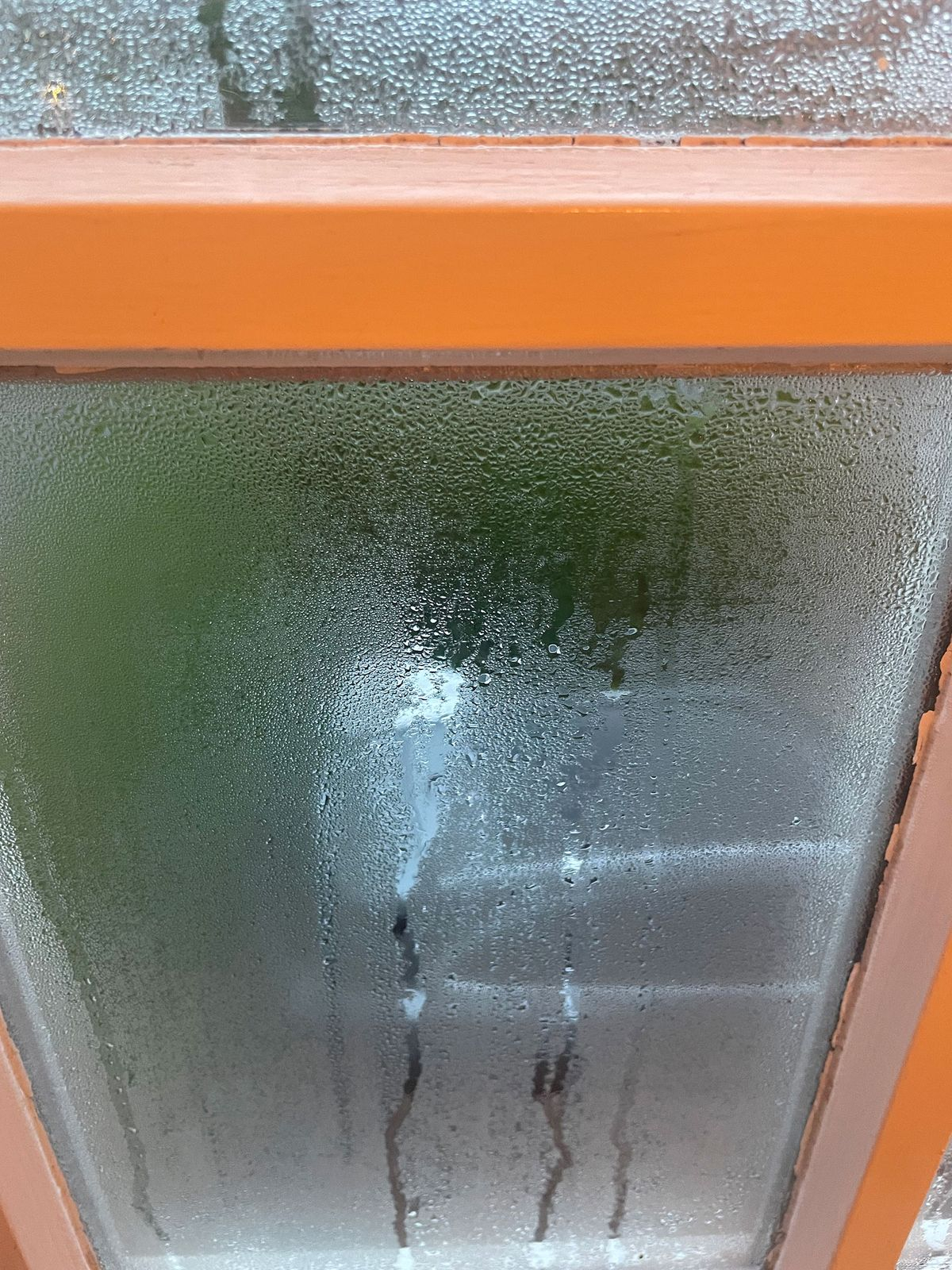
![The Ultimate Guide To House Hacking For Investors [Free Investor Guide] for How I Eliminated My Mortgage by House Hacking a Duplex in 2026](https://cdn.royslade.com/2026/05/the-ultimate-guide-to-house-hacking-for-investors-free-investor-guide-for-how-i-eliminated-my-mortgage-by-house-hacking-a-duplex-in-2026.png)