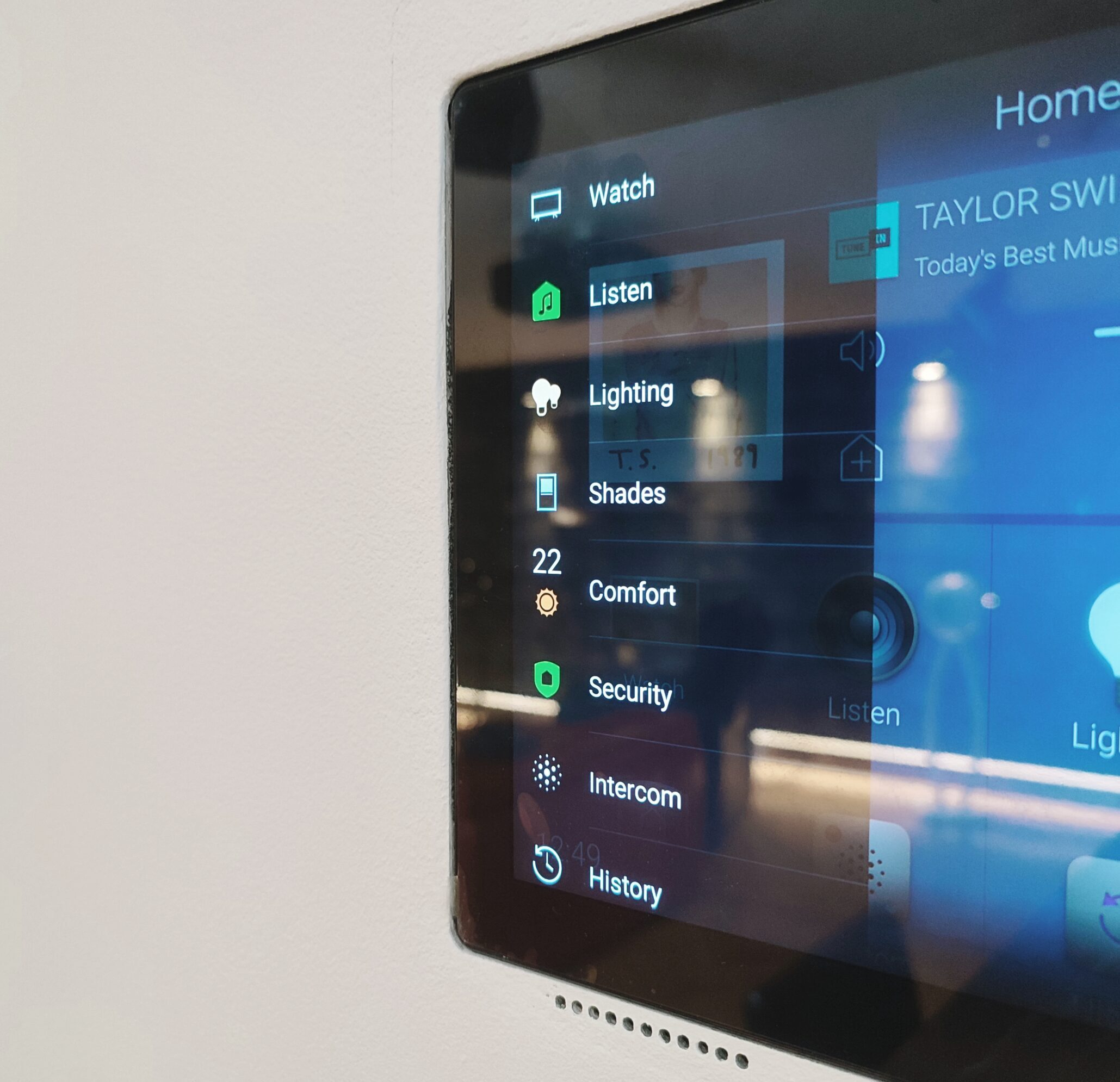
You walk into a friend’s house. The lights dim automatically as the sun sets. The music follows you from the kitchen to the patio without you touching a single button. It feels like magic, but it’s not. It’s engineering. And if you’re sitting there thinking, "I want that," you’re probably also wondering, "How much is this going to hurt my wallet?"
It’s a fair question. In 2026, smart home tech is everywhere. You can buy a bulb at the grocery store. You can grab a camera online. But Control4? That’s a different beast entirely. It’s not a gadget you plug in and forget. It’s a nervous system for your house. And just like building a house, the cost isn’t just about the bricks. It’s about the labor, the design, and the invisible wires that make it all work together.
Let’s be honest. Talking about money for home improvement is awkward. We’d rather talk about features. But if you don’t know what you’re paying for, you can’t tell if you’re getting a good deal. This guide breaks down the real numbers. No fluff. No sales pitch. Just what you need to expect when you hire a pro to wire up your life.
The Big Picture: Why Control4 Costs More Than Wi-Fi Gadgets
First, let’s clear up a common misconception. Control4 is not a DIY project. You can’t buy the main controller on Amazon and hook it up yourself. If you try, you’ll likely void the warranty and end up with a very expensive paperweight. The system is sold exclusively through authorized dealers. These are certified professionals who design, install, and program the system.
This business model is why the price tag looks higher than a Ring doorbell or a Nest thermostat. You aren’t just buying hardware. You’re buying expertise. You’re paying for someone to ensure your lighting doesn’t flicker when the microwave runs. You’re paying for a network that won’t crash when you’re streaming a 4K movie. In 2026, the average entry-level package for a small apartment or a single-room upgrade starts around $3,000 to $5,000. That includes the controller, a few key devices, and the initial programming.
But most people don’t stop at one room. For a typical three-bedroom home with lighting, climate, and entertainment control, prices usually land between $10,000 and $25,000. Luxury estates? Those can easily climb past $50,000 or even $100,000. It sounds steep, but remember: this is custom infrastructure. It’s built to last ten or fifteen years, unlike consumer gadgets that become obsolete in two. The value isn’t in the box; it’s in the reliability.
Breaking Down the Hardware: What You’re Actually Buying
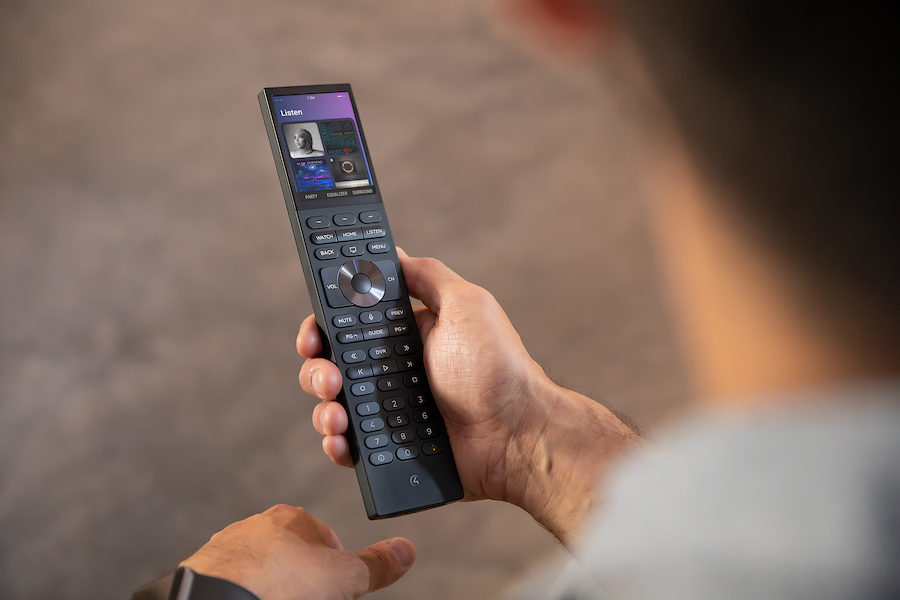
When you get a quote, it can look like a phone bill from another planet. There are controllers, switches, dimmers, and drivers. Let’s simplify it. The brain of the operation is the Controller. In 2026, you’ll likely see the EA series or the newer Core models. These range from $800 for a basic unit to over $2,500 for a high-performance processor that handles heavy video distribution and complex automation logic.
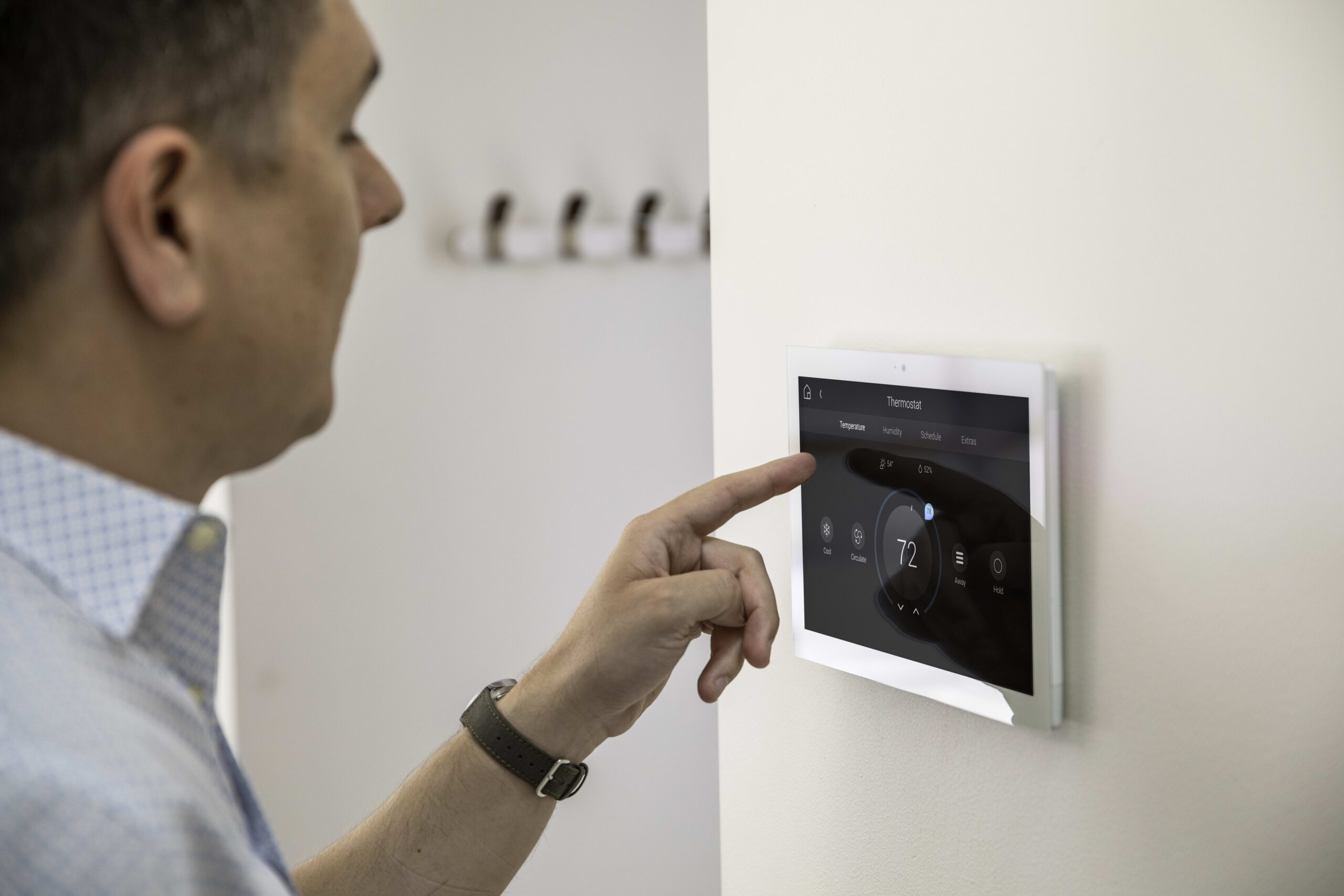
Then there are the endpoints. These are the things you touch and see. A Control4 smart thermostat, for instance, isn’t just a temperature sensor. It integrates with your weather data, your schedule, and your energy usage. The hardware itself costs between $300 and $1,800 depending on the model and whether it supports multi-zone heating. But that’s just the device. The installation labor for a thermostat can add another $200 to $1,200, especially if you have an older home with tricky wiring or multiple HVAC zones.
Lighting is another big chunk. You aren’t just swapping bulbs. You’re replacing switches with smart dimmers and keypads. A single keypad can cost $150 to $300, plus installation. If you want motorized shades, expect to pay $500 to $1,000 per window, including the motor and fabric. It adds up fast. But here’s the kicker: the hardware is only half the battle. The other half is the software licenses and drivers that make these devices talk to each other.
The Hidden Cost: Labor, Programming, and Integration
This is where the magic happens, and where the bills get confusing. Hardware is static. Programming is dynamic. A dealer doesn’t just plug things in. They write code. They create "scenes." When you press "Movie Night," the system doesn’t just turn off the lights. It lowers the shades, dims the sconces to 20%, turns on the projector, and sets the thermostat to a comfortable 72 degrees. That sequence has to be programmed, tested, and tweaked.
Labor rates vary wildly by region. In major metro areas like New York or San Francisco, expect to pay $150 to $250 per hour for certified technicians. In smaller markets, it might be $100 to $150. A typical whole-home install takes anywhere from three to ten days, depending on complexity. That’s a lot of man-hours. But it’s necessary. Poor programming leads to a frustrating experience. You don’t want to spend your life troubleshooting your house. You want it to work invisibly.
Integration is another labor driver. If you have a legacy security system, a specific brand of pool heater, or a high-end audio rack, getting those to play nice with Control4 takes time. Dealers charge for "driver development" or integration fees. In 2026, many common devices have plug-and-play drivers, but custom or obscure equipment still requires manual coding. Always ask your dealer what’s included in the programming fee. Some bundle it; others charge à la carte.
Thermostats and Climate: A Deep Dive into Pricing
Climate control is often the first step for homeowners dipping their toes into Control4. It’s practical. It saves money on energy bills. But it’s also where people get sticker shock. As mentioned, the thermostat unit itself ranges from $300 to $1,800. Why the huge gap? Basic models handle single-zone heating and cooling. High-end models support multi-stage systems, humidity control, and advanced zoning.
Installation is the real variable. If you’re replacing an existing smart thermostat with a Control4 unit, it might be a quick swap. Cost: $200 to $400. But if you’re adding zoning to a home that never had it, you’re looking at major HVAC work. You’ll need dampers installed in the ductwork, new wiring run to each zone, and multiple thermostats mounted on walls. This can push installation costs to $1,200 or more per zone.
For multi-zone homes, the complexity spikes. Each zone needs its own controller input. The dealer has to map out how the zones interact. Do you want the upstairs to cool down before the downstairs? Do you want the garage to stay frost-free in winter? These logic rules take time to set up. Budget realistically. Don’t assume a $300 thermostat means a $300 project. In most cases, the labor and ancillary hardware double or triple the base price.
Ongoing Costs: Subscriptions, Maintenance, and Support
Here’s something nobody tells you upfront: Control4 has ongoing costs. It’s not a one-and-done purchase. In 2026, Control4 uses a subscription model called "Control4 Smart Home OS 3" access, often bundled with remote access features. While basic local control is free, accessing your home from your phone when you’re on vacation usually requires an active subscription or a dealer-managed service plan. These typically run $100 to $300 per year.
Then there’s maintenance. Systems need updates. Firmware changes. Occasionally, a device fails. If you bought your system from a reputable dealer, they’ll offer a service contract. This is like health insurance for your house. For a few hundred dollars a year, you get priority support, annual check-ups, and discounted repairs. Without it, you’re paying hourly rates for every little hiccup. Is it worth it? For most people, yes. Peace of mind has a price.
Also, consider future expansion. You might start with lighting and climate. Next year, you might want cameras. The following year, a home theater. Your dealer will likely charge a "re-commissioning" fee to integrate new devices into the existing system. It’s not huge—maybe $200 to $500—but it’s a cost to keep in mind. Your home automation is a living ecosystem, not a static product. It grows, and so does the investment.
So, how do you avoid blowing your budget? Start with a phased approach. Don’t try to automate everything at once. Pick the "pain points." Maybe it’s the lighting in the living room. Maybe it’s the ability to lock the doors from bed. Start small. Get the core controller and a few key rooms done right. This keeps the initial cost manageable, perhaps in the $5,000 to $8,000 range.
Get multiple quotes. Not all dealers are created equal. Some focus on high-end luxury installs with marble keypads and custom metalwork. Others are more pragmatic, focusing on function over form. Ask for a detailed line-item quote. Look for vague terms like "miscellaneous labor" or "programming fees." Ask what those include. A good dealer will walk you through every charge.
Finally, prioritize your network. Control4 relies on a robust Wi-Fi and wired network. If your internet is spotty, your smart home will be too. Budget for a professional-grade router and access points. This might add $1,000 to $2,000 to your project, but it’s the foundation. Skimping on networking is like building a mansion on a swamp. It might look good for a while, but it’ll sink. Invest in the backbone, and the rest will follow.
Paying for a professional Control4 setup in 2026 is an investment in convenience, comfort, and peace of mind. It’s not cheap. But it’s not supposed to be. It’s a custom-tailored suit for your home, not a off-the-rack t-shirt. By understanding the breakdown—hardware, labor, integration, and ongoing care—you can walk into that first meeting with confidence. You’ll know what questions to ask. You’ll know where the money goes. And when you finally press that "Goodnight" button and watch your house settle down around you, you’ll know exactly why it was worth every penny.