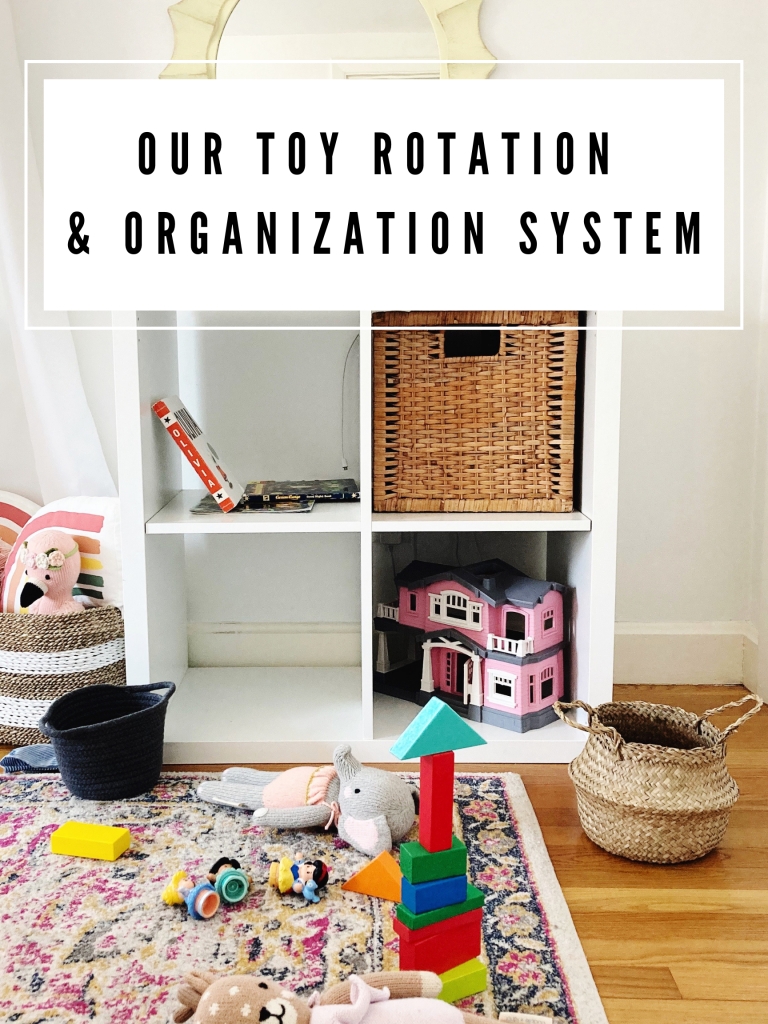
You know that feeling when you walk into the living room and it looks like a toy store exploded? Yeah, me too. It’s 2026, and we have more stuff than ever, yet our kids are still complaining they’re bored. It’s ironic, isn’t it? We buy them mountains of plastic and batteries, hoping for five minutes of peace, but all we get is a floor covered in tiny, sharp pieces that find their way into our feet at 2 AM. I used to think the answer was buying bigger bins or hiring a cleaner. I was wrong. The answer wasn’t adding more storage; it was subtracting access.
The turning point came when I realized my house wasn’t a home; it was a warehouse. There were easily 500 toys scattered across every surface. My kids would dump a bin, play with one item for thirty seconds, and move on. They were overwhelmed. I was exhausted. That’s when I stumbled upon the concept of toy rotation. It sounded too simple to work. Just hide some toys? But desperate times call for desperate measures. So, I tried it. And honestly? It changed everything. Not just the clutter, but the way my kids played. Their attention spans grew. The screaming stopped. And for the first time in years, I could actually see the floor.
This isn’t about becoming a minimalist monk or throwing away cherished memories. It’s about strategy. It’s about understanding that less is actually more when it comes to little brains. In this guide, we’re going to walk through exactly how to go from drowning in plastic to having a calm, functional space where kids actually engage with what they have. No fancy Pinterest setups required. Just real life, real messes, and a system that actually holds up when you’re tired.
Why Less Is Actually More for Little Brains
Let’s talk science for a second, but keep it simple. When a child is surrounded by hundreds of toys, their brain goes into overload. It’s called choice paralysis. Imagine walking into a cafeteria with 500 dishes. You’d probably just stare at the wall, right? Kids do the same thing. They scan the room, feel overwhelmed by the options, and end up doing nothing or flipping through items without really playing. By limiting the number of toys available, you remove that noise. You give their brain permission to focus.
When there are only ten or fifteen toys out, something magical happens. Boredom turns into creativity. Instead of tossing a car aside because there’s a shiny new robot nearby, they start making the car fly. They build ramps. They create stories. The toy doesn’t change, but the engagement does. Research has shown for years that fewer toys lead to longer periods of concentrated play. In 2026, with so many digital distractions vying for attention, this focused analog play is more valuable than ever. It builds problem-solving skills and imagination in a way that constant novelty never can.
Plus, let’s be real about the mental load on parents. A cluttered space creates a cluttered mind. When your visual field is chaotic, your stress levels rise. It’s hard to relax when you’re constantly tripping over Legos. By reducing the visible clutter, you aren’t just helping your kids; you’re helping yourself. A calmer environment leads to calmer interactions. It’s not magic; it’s environmental psychology. And the best part? You don’t have to buy anything new to make it happen. You just have to rearrange what you already have.
The Great Purge: Sorting Without the Tears
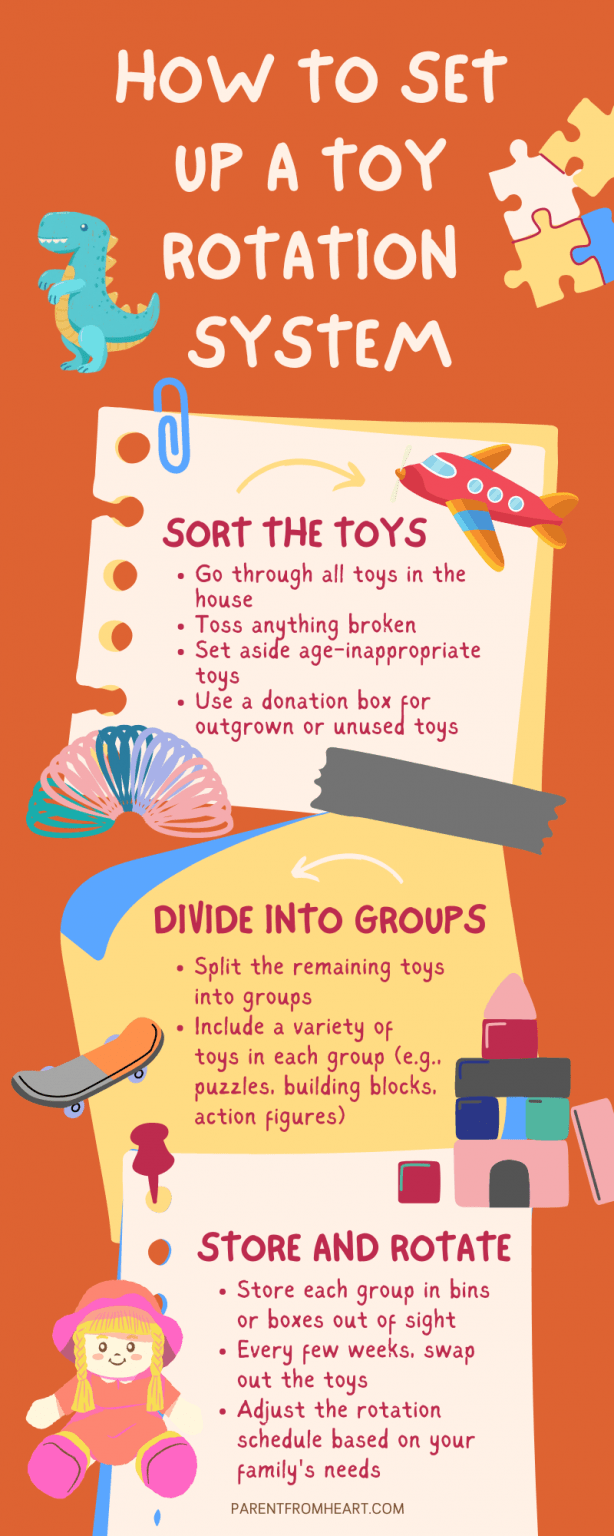
Okay, so you’re convinced. Now comes the hard part: the sort. Don’t panic. You don’t need to do this in one day. In fact, trying to tackle 500 toys in one afternoon is a recipe for a meltdown—yours and theirs. Start by gathering everything. Yes, everything. Pull it out of closets, under beds, and from behind the sofa. Pile it up in the middle of the room. It will look daunting. It will look like a mountain. But seeing the sheer volume is necessary. It validates why you’re doing this.
Now, grab three boxes or bags. Label them: Keep, Donate/Sell, and Trash/Recycle. Be ruthless with the trash. Broken pieces, missing parts, things that haven’t been touched in two years? Gone. If it’s broken, it’s not a toy; it’s a hazard. For the donate pile, think about who could use it. Local shelters, preschools, or buy-nothing groups on social media are great options. Knowing the toys are going to a good home makes letting go easier. Remember, keeping a toy out of guilt doesn’t help anyone. It just takes up space.
The "Keep" pile is tricky. This is where you have to be honest. Does your child actually play with this? Or do they just own it? Involve your kids if they’re old enough, but keep the final say for yourself. Explain that we’re making room for better play, not taking things away forever. This is key. Use language like "putting these to sleep" or "saving them for later." Avoid words like "throw away" or "get rid of." Once you’ve sorted, you should have a much smaller pile of active toys. If you still have too many, put half in a "maybe" box and store it out of sight for a month. If no one asks for it, donate it unopened.
Setting Up Your Rotation Stations
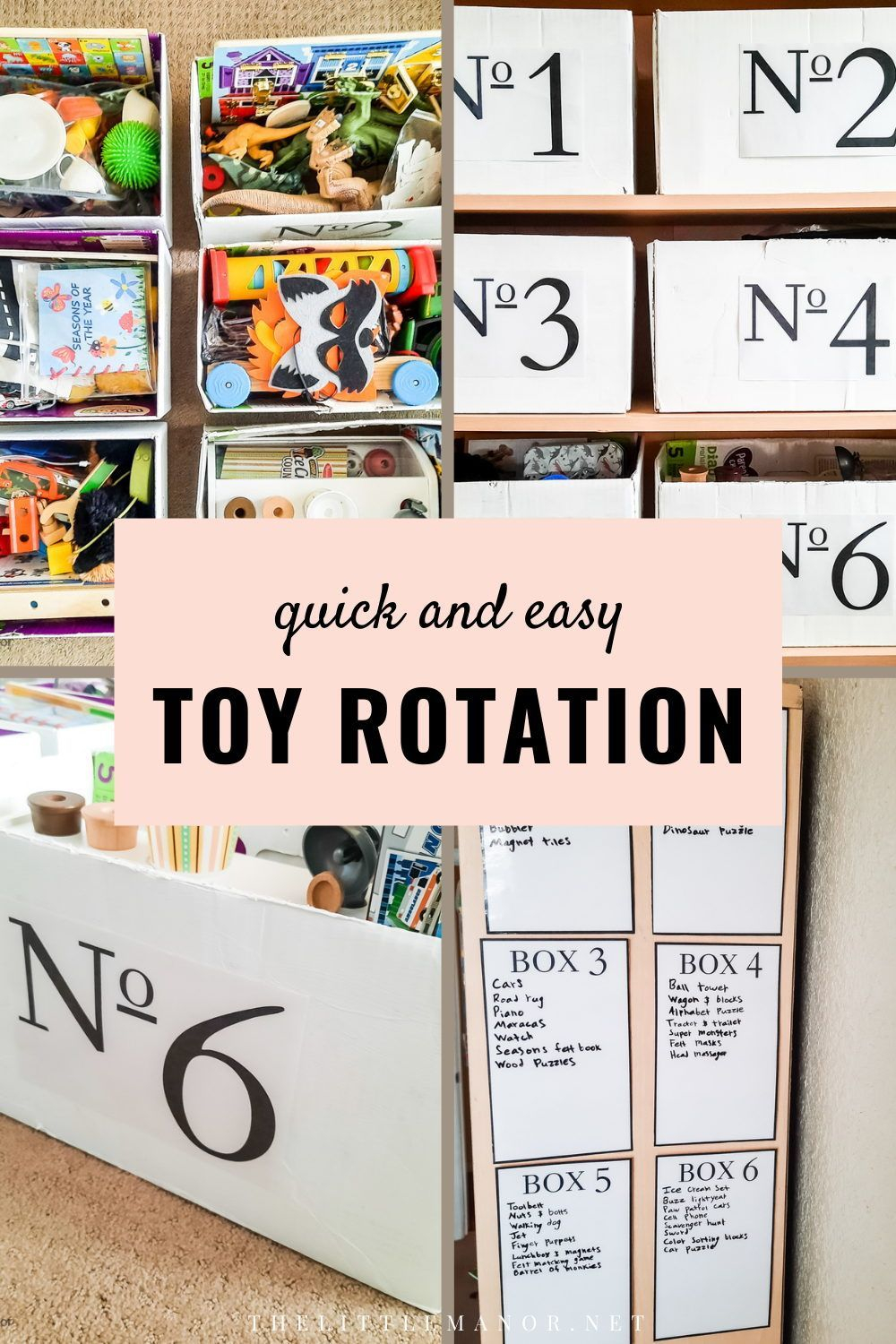
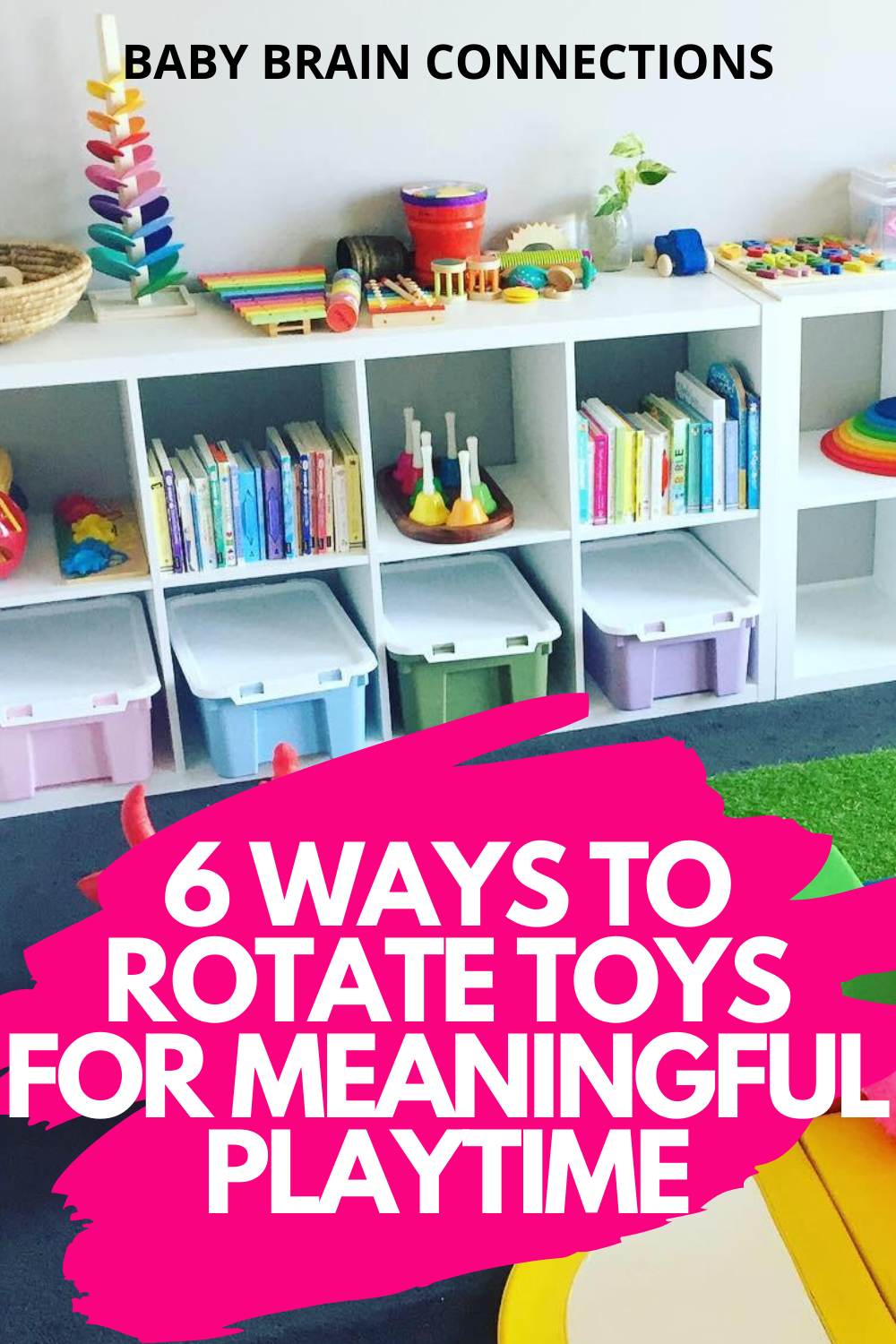
Now that you have your curated collection, it’s time to set up the system. You don’t need expensive shelving units. Clear plastic bins with lids work perfectly. They stack well and keep dust out. The goal is to divide your "Keep" toys into distinct groups. A good rule of thumb is to have 4 to 6 bins. Each bin should contain a mix of toy types. You want variety in each rotation to keep things interesting. Think of it like a balanced meal: you need some protein, some veggies, and a treat.
Here’s a simple breakdown for what goes in each bin. Include one or two construction toys (like blocks or Legos). Add one creative item (crayons, playdough, or art supplies). Throw in a pretend-play set (kitchen food, dolls, or action figures). Add a puzzle or game. And maybe one sensory or active play item (balls, cars, or kinetic sand). This ensures that no matter which bin is out, there’s something for every type of play mood. If a bin is all cars, they’ll get bored fast. If it’s all puzzles, they might get frustrated. Mix it up.
Labeling is your friend. Use pictures for younger kids and words for older ones. Put the labels on the front of the bins so everyone knows what goes where. This makes cleanup easier because it becomes a matching game rather than a chore. "Put the red block in the red bin." Simple. Store the inactive bins somewhere out of reach. A high shelf in the closet, the garage, or even under a bed in a guest room. The key is that they are inaccessible to the kids during daily play. Out of sight, out of mind. This physical barrier is what makes the system work.
The Rotation Schedule: Finding Your Rhythm
How often should you rotate? There’s no one-size-fits-all answer, but most families find that every two to four weeks works best. If you rotate too often, like every week, it becomes a lot of work for you and the novelty might wear off too fast for the kids. If you wait too long, like three months, the toys might gather dust and the kids might forget they even have them. Start with a monthly rotation. Mark it on your calendar. Maybe the first Sunday of every month is "Swap Day." Make it a routine, like changing the sheets or paying bills.
Watch your kids for cues. Are they starting to ignore the current batch? Are they complaining of boredom again? That’s your signal. It’s okay to swap early if needed. Conversely, if they are deeply engaged in a specific set, let it stay out longer. Flexibility is crucial. This isn’t a military operation; it’s a tool to help your family. Some parents prefer to rotate one bin at a time rather than swapping everything at once. This keeps some familiarity while introducing just enough newness to spark interest. Try both methods and see what fits your vibe.
Involve the kids in the swap. Make it an event. "Today we’re waking up the sleeping toys!" Let them help bring down the new bin and put away the old one. This gives them a sense of ownership and excitement. It also teaches them responsibility. They learn that toys are cared for and stored properly. Plus, seeing the old bin go back into storage reinforces the idea that those toys are safe and will come back later. It reduces the anxiety of loss and builds trust in the system.
Handling Resistance and Common Pitfalls
Let’s be honest: not every kid will love this immediately. Some might throw a fit when their favorite truck gets put away. This is normal. Stick to your guns, but offer empathy. "I know you love that truck. It’s going to rest now so it can be fresh and fun again next month. Look at this cool dinosaur we found instead!" Distraction is powerful. Usually, the resistance lasts only a few days. Once they realize the new toys are actually engaging, they’ll forget about the stored ones. Consistency is key here. If you give in and bring everything back out, the system fails.
Another common pitfall is keeping too many toys out. It’s tempting to think, "Well, if I just add one more bin, they’ll have more options." Don’t do it. Stick to the limit. If you find yourself constantly adding more, go back to the purge phase. You likely held onto too much. Remember, the goal is quality engagement, not quantity of possession. If a toy isn’t being played with in rotation, it’s a candidate for donation. Be brave. Your future self will thank you when you’re vacuuming a clear floor.
Also, watch out for "leakage." This is when toys from the stored bins start creeping back into the play area. Maybe a sibling finds them, or you leave a bin lid open. Keep the storage tight. If leakage happens, reset. Put the stray toys back. Explain the rules again gently. It takes time to build the habit. Don’t expect perfection in week one. It’s a process. And if you miss a rotation month? No big deal. Just do it when you can. Guilt helps no one. Just jump back in when you’re ready.
So, you’ve done the initial setup. The house is calmer. The kids are playing better. Now what? Maintenance is about staying vigilant. New toys will enter your home. Birthdays, holidays, hand-me-downs. Have a plan for incoming items. For every new toy that comes in, consider if an old one needs to leave. This "one in, one out" rule helps maintain the balance. Don’t let the creep happen slowly over time. Address it immediately. If grandma sends a huge gift, maybe rotate two bins early to accommodate it, or donate something similar.
Re-evaluate your categories every few months. As kids grow, their interests change. That baby rattle isn’t useful anymore. Swap it for a board game. Adjust the complexity of the puzzles. Keep the system aligned with their developmental stage. This keeps the rotation fresh and relevant. It also prevents the buildup of age-inappropriate clutter. Use this as an opportunity to teach your kids about growth and change. "You’re too big for this now, let’s pass it to a baby who will love it."
Finally, celebrate the wins. Notice when your kids play independently for longer stretches. Notice when cleanup takes five minutes instead of fifty. Acknowledge the calm in your home. This positive reinforcement helps you stick with the system when life gets busy. Share your success with other parents. You might inspire them to try it too. Building a community around mindful parenting makes the journey easier. You’re not just organizing toys; you’re creating a lifestyle that values presence over possessions. And in 2026, that’s a radical act.
It’s been a journey, hasn’t it? From the chaos of 500 scattered items to the peace of 50 curated favorites. The toy rotation system isn’t just about tidiness; it’s about reclaiming your space and your sanity. It’s about giving your children the gift of focus and creativity. And it’s about showing them that happiness doesn’t come from having everything, but from appreciating what you have. The floor is clean. The minds are engaged. And you? You’re finally able to sit down and enjoy a cup of coffee without stepping on a Lego. That’s worth every minute of sorting.