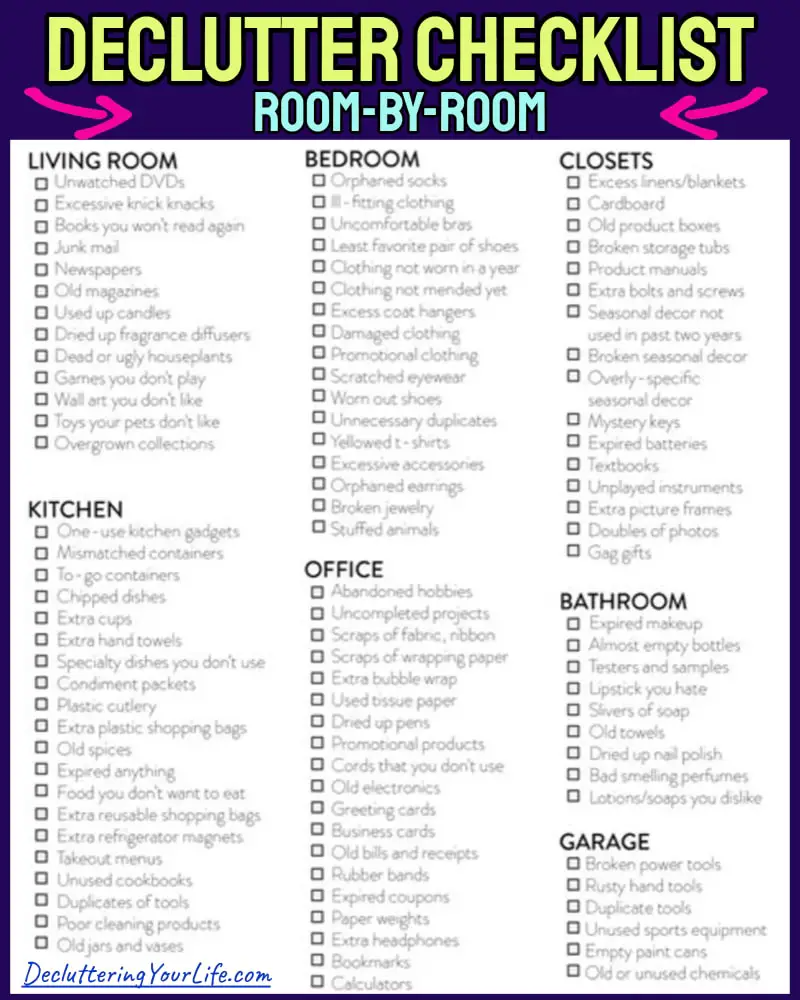
Let’s be honest. Life is loud right now. Between work deadlines, family obligations, and the endless scroll of social media, finding time to tackle that pile of laundry or the junk drawer seems impossible. You look around your home and feel a tightness in your chest. It’s not just stuff. It’s noise. It’s visual static that drains your energy before you’ve even had your morning coffee. But here’s the good news: you don’t need a weekend retreat or a professional organizer with a clipboard to fix it. You just need a plan that fits into the cracks of your busy schedule.
Decluttering isn’t about achieving a magazine-perfect aesthetic. It’s about creating a space that supports the life you actually live. In 2026, we’re seeing a shift away from minimalism as a trend and toward functionality as a necessity. People are tired of owning things that own them. This guide is designed for the real world. The world where kids leave toys everywhere, where mail piles up, and where "later" never comes. We’re going to break it down, room by room, with simple steps that take minutes, not hours. Ready to breathe easier? Let’s dive in.
The Entryway: Setting the Tone for Calm
The entryway is the first thing you see when you walk through the door. If it’s chaotic, your brain registers stress immediately. Think of it as the airlock between the outside world and your sanctuary. Most of us treat it like a dumping ground for shoes, coats, bags, and random packages. But it doesn’t have to be that way. The goal here is flow. You want to be able to walk in, drop what you need to drop, and move on without tripping over sneakers.
Start with the floor. If you can’t see the floor, you have too much stuff. Be ruthless. Keep only the shoes you wear regularly. Everything else goes into storage or gets donated. Next, look at surfaces. Is there a catch-all bowl? Good. Limit it to keys and wallets. If it’s overflowing with receipts and loose change, empty it out right now. Only put back the essentials. For coats, install hooks at different heights if you have kids. A simple rule: if it hasn’t been worn in three months, it doesn’t belong in the prime real estate of the entryway.
Finally, add a small bin or basket for incoming mail. This stops paper clutter from spreading into the rest of the house. Check this bin once a week. Recycle the junk immediately. File the important stuff. By keeping this small space tidy, you create a psychological buffer. You’re signaling to yourself that you’re home, and you’re in control. It’s a small win, but it sets the tone for the rest of your decluttering journey. And honestly, isn’t that worth five minutes of effort?
The Kitchen: Taming the Heart of the Home
The kitchen is often the most cluttered room because it’s the most used. It’s where we cook, eat, work, and sometimes hide from the chaos. But clutter here slows you down. Imagine trying to make dinner when you can’t find the spatula or the counter is covered in unused gadgets. It’s frustrating. Start with the countertops. They should be mostly clear. Keep only the appliances you use daily. That fancy juicer? If it’s been gathering dust since last summer, box it up. You can always get it out if you really miss it, but chances are, you won’t.
Next, tackle the cabinets. Pull everything out. Yes, everything. It sounds daunting, but it’s the only way to see what you actually have. Group similar items together. Do you really need four measuring cups? Probably not. Keep the best set and donate the rest. Check expiration dates in the pantry. Be honest. If that spice blend expired in 2024, toss it. Fresh spices make food taste better, and old ones just take up space. Use clear containers for dry goods if it helps you see what’s running low, but don’t buy them just for the sake of buying them. Function over form.
Don’t forget the junk drawer. Every kitchen has one. Empty it onto the table. Sort items into categories: batteries, rubber bands, tools, miscellaneous. Throw away broken things. Recycle packaging. Put back only what you truly need. Use small dividers to keep things organized. This prevents the drawer from becoming a black hole again. A tidy kitchen makes cooking feel less like a chore and more like a pleasure. Plus, clean surfaces are easier to wipe down, saving you time on cleanup. Win-win.
The Living Room: Creating Space to Breathe
The living room is where you relax. It should feel open and inviting, not cramped and chaotic. Clutter here often comes from misplaced items that belong in other rooms. Toys, books, laptops, blankets—they all migrate here. Start by doing a "lap" around the room with a basket. Pick up anything that doesn’t belong in the living room and put it in the basket. Then, take the basket to its proper home. This simple act clears visual noise instantly.
Look at your surfaces. Coffee tables, side tables, shelves. Are they covered in knick-knacks, magazines, and remote controls? Choose a few decorative items that bring you joy and remove the rest. Store remotes in a designated tray or drawer. Magazines should be recycled after reading, not stacked indefinitely. If you have shelves, use the "eye-level" rule. Keep frequently used items at eye level. Store less frequently used items higher or lower. This makes the room feel balanced and intentional.
Check under the sofa and chairs. You’d be surprised what accumulates there. Coins, crumbs, lost toys. Vacuum it out. It’s satisfying. Finally, assess your seating. Do you have too many chairs? If a chair is always covered in clothes or bags, it’s not serving its purpose. Consider removing it or repurposing it. The goal is to have enough space to move comfortably. When your living room is clear, you can actually relax in it. You’re not sitting amidst chaos. You’re sitting in peace. And that’s what home should feel like.
The Bedroom: Your Personal Sanctuary
Your bedroom should be a place of rest. Not a second office. Not a storage unit. Not a laundry overflow zone. If you’re struggling to sleep, clutter might be part of the problem. Visual clutter can increase anxiety and make it harder to unwind. Start with the nightstands. Keep only what you need for bedtime: a lamp, a book, maybe a glass of water. Remove chargers, receipts, and random trinkets. A clear surface promotes a clear mind.
Tackle the closet next. This is often the scariest part, but it doesn’t have to be. Pull out clothes you haven’t worn in a year. Be honest. If it doesn’t fit, if it’s damaged, or if it just doesn’t make you feel good, let it go. Donate it. Sell it. Recycle it. Use hangers that face the same direction. It sounds minor, but it creates a sense of order. Group clothes by type or color. This makes getting dressed in the morning faster and less stressful. You’re not digging through a pile. You’re choosing from an organized system.
Under the bed is prime storage space, but only if it’s used wisely. Don’t shove random boxes under there. Use bins with labels for seasonal items or extra linens. If you can’t see what’s in the bin, label it clearly. Finally, clear the floor. Clothes on the floor create a sense of unfinished business. Put them in a hamper or hang them up. A clear floor makes the room feel larger and calmer. Your bedroom is for sleeping and recharging. Protect that purpose. Keep it simple. Keep it serene. You’ll sleep better for it.
The Bathroom: Streamlining Daily Routines
Bathrooms are small spaces that get cluttered quickly. Expired products, half-used bottles, and random toiletries accumulate. Start with the medicine cabinet. Check expiration dates on everything. Medications, sunscreen, makeup. If it’s expired, toss it safely. Don’t keep things "just in case." If you need it, you’ll buy it again. Keep only what you use daily. Store seasonal items elsewhere. This frees up valuable space.
Look at the shower and tub. How many bottles are in there? Do you need three different shampoos? Probably not. Consolidate. Use a caddy or shelf to keep things off the floor. Wet floors breed mold and mildew. Keep surfaces dry and clear. Under the sink is another hotspot. Organize cleaning supplies and extra toiletries. Use bins to group similar items. Label them. This makes it easy to find what you need without digging through a mess.
Countertops should be mostly clear. Keep a toothbrush holder, soap dispenser, and maybe one or two daily use items. Everything else goes in a drawer or cabinet. Wipe down surfaces daily. It takes seconds and prevents buildup. A clean bathroom feels spa-like. A cluttered bathroom feels stressful. Small changes make a big difference. You start your day here. Make it a pleasant experience. Clear counters, fresh towels, organized supplies. It sets a positive tone for the day ahead. And who doesn’t want that?
With remote work still prevalent in 2026, the home office is crucial. Clutter here kills productivity. Papers, cables, old notebooks—they all distract you. Start with the desk. Clear everything off. Wipe it down. Put back only what you use daily: computer, monitor, keyboard, mouse. Maybe a notebook and pen. Everything else goes away. Cables should be managed. Use ties or clips to keep them neat. Tangled wires are visual noise.
Paper clutter is the enemy. Scan documents you need to keep digitally. Shred sensitive papers. Recycle the rest. Use a filing system for physical papers you must keep. Label folders clearly. Don’t let papers pile up on the desk. Process them immediately. Decide: action, file, or trash. If it’s action, do it or schedule it. If it’s file, put it in the folder. If it’s trash, recycle it. Don’t let it linger.
Shelves and drawers should hold supplies, not junk. Keep extra pens, paper, and tech accessories organized. Use dividers. Label bins. If you have books, keep only those you reference often or love. Donate the rest. Digital clutter matters too. Clean up your desktop. Organize files into folders. Delete unused apps. A clean digital space supports a clean physical space. Your office is for focus. Remove distractions. Create a zone where you can think clearly and work efficiently. It’s an investment in your productivity. And your sanity.
Decluttering isn’t a one-time event. It’s a habit. It’s about making small choices every day. Put things back where they belong. Donate what you don’t use. Keep surfaces clear. These small actions add up. They create a home that feels lighter, brighter, and more peaceful. You don’t need to do it all at once. Start with one drawer. One shelf. One room. Celebrate the small wins. Notice how it feels to have less stuff. Notice how much easier it is to find what you need. Notice how much calmer you feel.
In 2026, we’re learning that less is more. Not in a restrictive way, but in a liberating way. We’re freeing ourselves from the burden of excess. We’re creating space for what truly matters. Family. Friends. Hobbies. Rest. Your home should support your life, not complicate it. Use this checklist as a guide. Adapt it to your needs. Make it work for you. There’s no perfect way to declutter. There’s only your way. So take a deep breath. Pick a spot. And start. You’ve got this. And honestly, it feels pretty great to let go.