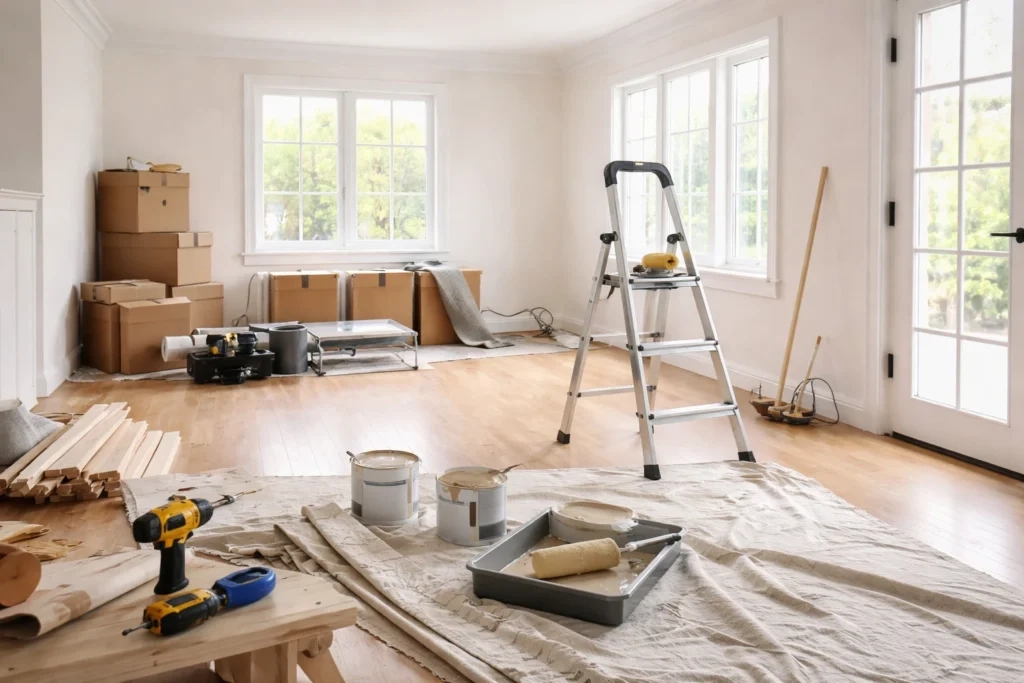
You know that feeling. The truck is gone. The door is locked. And you are standing in the middle of a sea of cardboard boxes that seem to be multiplying while you aren’t looking. It’s exciting, sure. But it’s also exhausting. Most people think the hard part is packing. They’re wrong. The real challenge is what happens after the movers leave. That first week can make or break how you feel about your new place. If you dive in headfirst without a plan, you’ll burn out by day two. But if you take a breath and follow a simple strategy, you can actually enjoy the process.
Let’s be honest. Moving is one of life’s most stressful events. Right up there with changing jobs or starting a family. In 2026, we have more tools than ever to help us organize, yet we still feel buried under the chaos. Why? Because we try to do everything at once. We want the kitchen perfect, the bedroom cozy, and the living room stylish all before dinner on day one. That’s a recipe for disaster. This guide isn’t about perfection. It’s about function. It’s about creating pockets of calm in the storm so you can sleep well, eat properly, and start feeling like this new house is actually your home.
The Golden Rule: Survive Night One First
Before you even think about unpacking your book collection or hanging art, you need to secure your basic survival needs. This is where the "First Night Box" concept comes in, and it is non-negotiable. Imagine arriving at your new home at 8 PM. You’re tired, hungry, and maybe a little cranky. Do you really want to dig through fifteen boxes labeled "Kitchen Misc" just to find a mug? No. You want to open one specific box and have everything you need right there.
This box should contain toilet paper, hand soap, a shower curtain (if needed), phone chargers, basic toiletries, a change of clothes, pajamas, and simple snacks or easy-meal ingredients. United Van Lines and other major movers emphasize this because it works. It removes the immediate panic. When you have your toothbrush and a clean shirt, your brain stops screaming "emergency" and starts thinking "okay, we can do this." Keep this box with you in the car, not on the moving truck. It’s your lifeline.
Once you’ve secured your night-one essentials, resist the urge to open anything else. Seriously. Put the kettle on, order some takeout if you haven’t packed food, and sit on the floor if you have to. Look around. Breathe. Acknowledge that you made it. The boxes will still be there tomorrow. But if you rush now, you’ll make mistakes. You’ll put things in the wrong rooms. You’ll lose small items. Take the evening to just exist in the space. Maybe walk through each room and visualize where things might go. But don’t lift a finger to unpack. Rest is productive too.
Tackle the Kitchen: The Heart of the Home
Day two is usually when the energy dips. The adrenaline has worn off. This is why we start with the kitchen. Not because it’s the easiest, but because it’s the most essential. You need to be able to make coffee. You need to be able to prepare a decent meal. Without a functional kitchen, you’re forced to rely on expensive takeout or cold cereal, which gets old fast. Start with the basics. Unpack your plates, bowls, mugs, and silverware first. Put them in accessible spots. Don’t worry about the fancy serving platters or the holiday dishes. Those can wait.
Next, focus on your cooking essentials. Pots, pans, spatulas, and knives. If you have a coffee maker or toaster, set those up immediately. There is something deeply comforting about the smell of coffee brewing in a new space. It signals routine. It signals normalcy. According to recent moving guides from sources like Sett Movers, prioritizing high-use items helps you establish a rhythm faster. If you try to unpack every single spice jar and Tupperware container at once, you’ll get bogged down. Stick to what you’ll use in the next 48 hours.
Keep a trash bag nearby for packing materials as you go. Cardboard takes up space and creates visual clutter, which increases anxiety. As you empty boxes, break them down flat and stack them in a garage or designated area. Don’t let them pile up in the kitchen. A clear counter makes a huge difference in how calm you feel. And remember, it doesn’t have to be perfect. If your spoons are in a drawer instead of a divider, that’s fine. Function over form. You can organize the utensils nicely next month. For now, just make sure you can find them.
Establish Your Sanctuary: The Bedroom
After the kitchen, move to the bedroom. This might seem counterintuitive. Shouldn’t you do the living room? No. Your bedroom is where you retreat. It’s where you recharge. If your bed isn’t made and your clothes are still in suitcases, you won’t rest well. And if you don’t rest well, you won’t have the energy to unpack the rest of the house. So, prioritize your bed. Strip the sheets if they got dirty during the move, wash them, and put fresh ones on. Fluff the pillows. Make it inviting.
Then, tackle your clothing. You don’t need to organize your entire closet. Just unpack enough for the week. Hang up your work clothes. Fold your everyday wear. Put your shoes somewhere accessible. Having a clear place to get dressed in the morning reduces decision fatigue. It’s a small thing, but it adds up. When you wake up and know exactly where your socks are, you start the day with a small win. That momentum carries you through the rest of the unpacking tasks.
Lighting matters here too. If you haven’t installed ceiling fixtures yet, make sure you have lamps set up. Soft, warm light is much more calming than harsh overhead bulbs or the darkness. Create a little vignette on your nightstand. A lamp, a book, maybe a glass of water. These small touches make the room feel lived-in rather than just stored-in. It’s about creating a vibe of safety and comfort. You’ve left your old sanctuary; build this new one with intention, even if it’s just for the first few nights.
The Bathroom: Hygiene and Routine
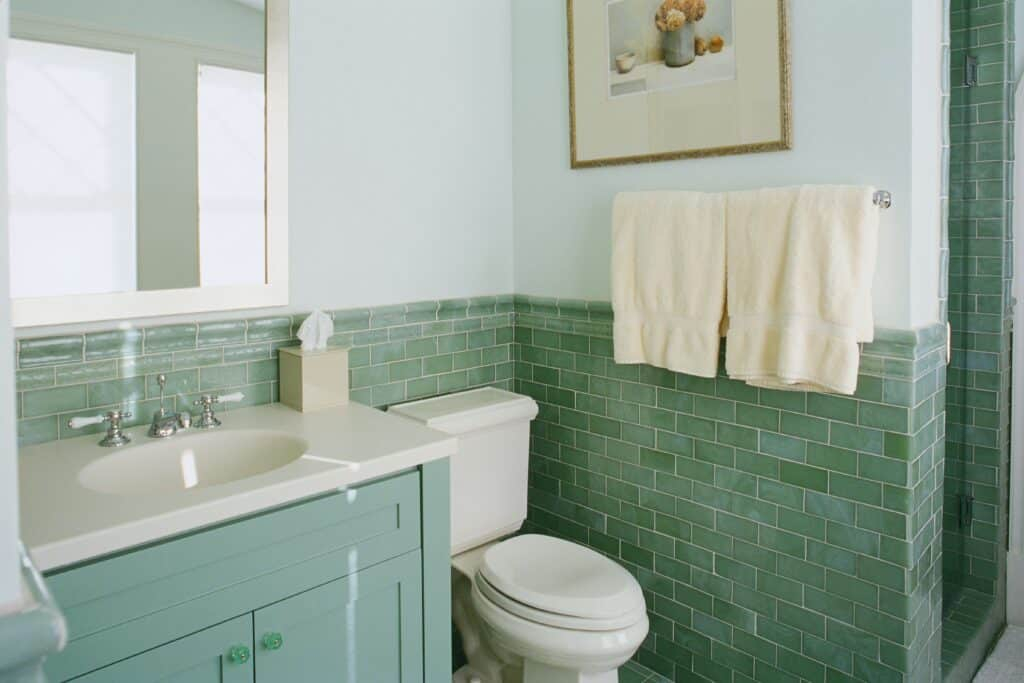
The bathroom is often overlooked until you’re standing there needing a towel. Don’t let that happen. On day three, or whenever you finish the bedroom, give the bathroom some love. It doesn’t need to be spa-ready. It just needs to be functional. Hang up your towels. Put out your bath mat. Stock the toilet paper holder. These seem like tiny tasks, but they prevent those annoying little frustrations that chip away at your patience.
Unpack your daily toiletries. Toothbrush, toothpaste, shampoo, conditioner, skincare. Put them where they belong. If you have a medicine cabinet or a vanity drawer, use it. Keeping counters clear helps the space feel larger and cleaner. Moving involves a lot of dust and grime, so give the surfaces a quick wipe down before you put your things out. It’s easier to clean an empty surface than one cluttered with bottles and jars.
If you have kids or pets, their bathroom needs are priority too. Set up their step stools, their special soaps, their towels. Making sure their routine stays consistent helps them adjust better. If they can find their toothbrush easily, they’re less likely to have a meltdown. And let’s face it, you have enough stress without adding a toddler tantrum to the mix. A functional bathroom supports the hygiene routines that keep everyone healthy and feeling human during the chaotic first week.
Living Areas: Function Before Flourish
Now you can look at the living room and other common areas. By now, you’ve been living out of boxes for a few days. You’re probably craving a place to sit that isn’t a cardboard box or a suitcase. Assemble your sofa if needed. Set up the TV or your main entertainment source. These are your decompression zones. You need a place to kick back and do nothing. Don’t worry about decorating yet. Don’t worry about arranging the books aesthetically. Just make the space usable.
Unpack the items you use daily in this room. Remote controls, coasters, throw blankets, maybe a few favorite books or magazines. If you work from home, this might also involve setting up a temporary desk or workspace. In 2026, remote work is still huge, so having a dedicated spot to log on is crucial. Even if it’s just a table in the corner, make it ergonomic enough to get through a workday without pain.
Keep the pathways clear. Tripping over boxes is a real hazard and a major stressor. As you unpack the living area, continue to break down boxes and remove debris. The more open floor space you have, the calmer the room feels. Invite a friend over for a low-key hang if you’re feeling up to it. Sometimes, having another person in the space helps you see it differently. It breaks the isolation of moving. But keep it simple. Pizza on the floor is a valid housewarming party.
By the end of the week, you should have the basics covered. Now, shift your focus to the administrative tasks that often get ignored. Change your address on any remaining accounts. Update your driver’s license if required by your state. Set up your internet and utilities if you haven’t already. These tasks are boring, but they provide a sense of closure. They signal that you are officially settled. Check your mail forwarding status. Make sure important documents aren’t getting lost in transit.
Take a walk around your new neighborhood. Introduce yourself to a neighbor if you see them outside. Find the nearest grocery store, pharmacy, and park. Knowing where these essentials are located reduces the mental load of daily life. It turns the unknown into the known. This psychological shift is powerful. You’re no longer a visitor in this town; you’re a resident. Explore a local coffee shop or bakery. Treat yourself. You’ve earned it.
Finally, assess what’s left. You probably still have boxes. That’s okay. You don’t need to unpack everything in seven days. Identify the non-essential items—decor, guest room supplies, hobby gear—and give yourself permission to leave them for later. Set a realistic goal for week two. Maybe it’s the office. Maybe it’s the garage. Break it down. Celebrate the fact that you can cook, sleep, bathe, and relax in your new home. That’s a huge victory.
Moving is a marathon, not a sprint. The first week is about laying the foundation. It’s about creating stability amidst the change. By focusing on survival, then comfort, then function, you avoid the burnout that plagues so many movers. You give yourself the grace to adjust at your own pace. Remember, the boxes will get unpacked. The pictures will get hung. But your peace of mind? That’s precious. Protect it. Use this checklist not as a rigid rulebook, but as a gentle guide to help you navigate the transition with kindness toward yourself. You’ve got this.