It’s 8:15 AM. You’re late. Again. You pat your pockets, check your bag, and feel that familiar spike of panic rise in your chest. Where are they? You retrace your steps from last night. The couch? No. The jacket hook? Empty. Then, you walk into the kitchen to grab a coffee, and there they are. Sitting right next to the fruit bowl. Mocking you.
We’ve all been there. It feels like a personal failing, doesn’t it? Like you just can’t get it together. But here’s the thing: it’s not about laziness. It’s not even really about being disorganized. It’s about physics, psychology, and the way our homes are built. By 2026, we’ve learned a lot about how our brains handle "transition objects" like keys, yet the kitchen counter remains the number one black hole for small essentials. Let’s dig into why this happens and, more importantly, how to fix it without turning your life upside down.
The Gravity of Groceries
Think about the exact moment you walk through your front door. What are you carrying? If you’re like most people, you’ve got a grocery bag in one hand, maybe a laptop bag slung over a shoulder, and perhaps a coat draped over an arm. Your hands are full. Your brain is switching modes from "outside world" to "home safe zone." In that split second, your body wants to drop the heaviest or most awkward item to free up your hands for the next task, like taking off shoes or greeting a pet.
The kitchen counter is usually the first flat, stable surface you see when you enter from the garage or side door. It’s inviting. It’s waist-high. It’s right there. So, you dump the keys. Not because you want to lose them, but because your brain prioritizes immediate physical relief over future memory retrieval. Studies on habit formation show that when we are cognitively loaded—tired from work, thinking about dinner—we default to the path of least resistance. The counter is that path. It’s the easiest place to put something down quickly.
This isn’t a flaw in your character; it’s a design flaw in your routine. We often blame ourselves for being scatterbrained, but really, we’re just responding to environmental cues. The counter signals "put stuff here" because it’s a workspace. Until we change that signal or the route, the keys will keep finding their way to the granite. It’s almost inevitable.
The Myth of the Designated Bowl
So, what’s the usual advice? "Just get a bowl!" You’ve probably tried this. You bought a nice ceramic bowl, maybe something rustic or modern, and placed it by the door. For three days, it worked. Then, on day four, you came in with wet hands from the rain, or you were holding a hot takeout box, and the bowl was too far away. Or maybe it was already full of junk mail and receipts. So, you bypassed it.
The problem with the "bowl method" is that it relies on willpower. It assumes that every time you walk in, you’ll make a conscious decision to walk the extra ten feet to the entryway table. But habits aren’t built on conscious decisions; they’re built on friction. If the bowl is out of the way, it has high friction. If the counter is right there, it has zero friction. Professional organizers have known this for years. A container only works if it’s part of the natural flow of movement, not an obstacle to it.
Furthermore, bowls often become catch-alls for everything else. Soon, your key bowl is hiding under a pile of sunglasses, loose change, and gum wrappers. Now, finding your keys requires digging, which adds another layer of annoyance. By 2026, the trend has shifted away from generic containers toward specific "landing zones" that are integrated into the architecture of the home, rather than added as an afterthought. It’s about making the right choice the easy choice, not the "good" choice.
Enter the Landing Strip
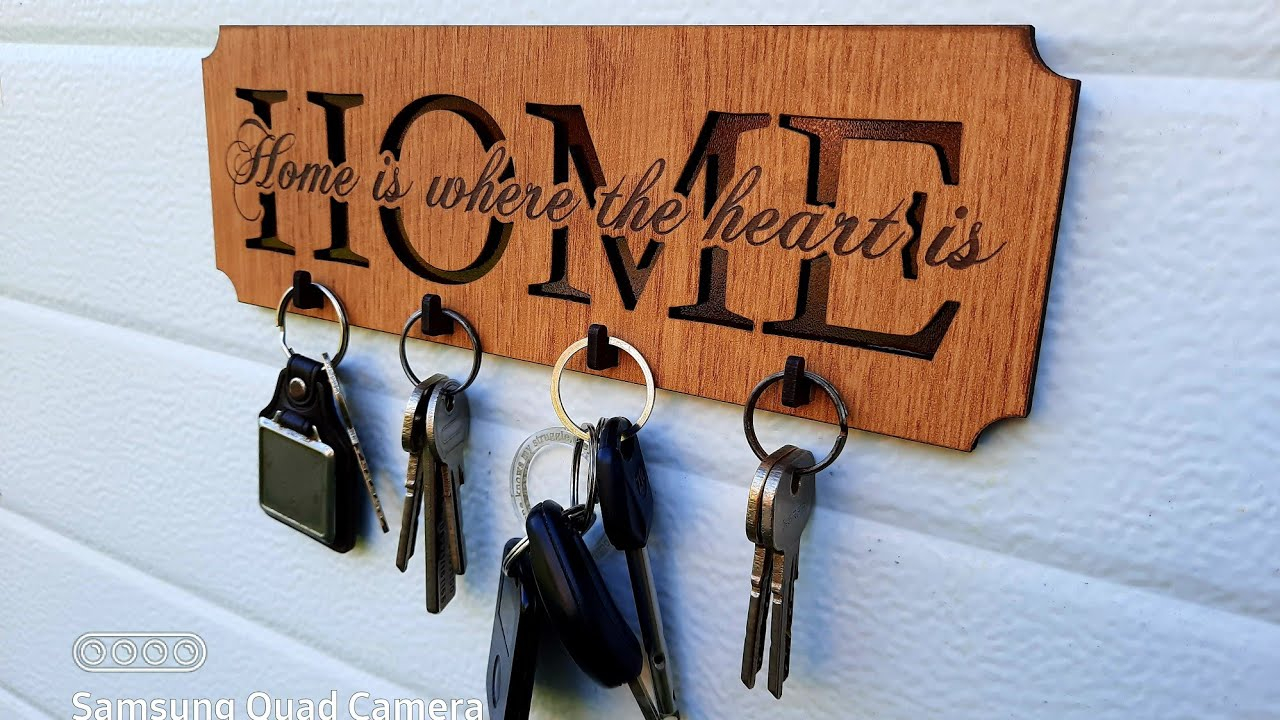
This is where the concept of the "Landing Strip" comes in. It’s a term tossed around by organizers, but let’s break it down simply. A landing strip is a dedicated zone near your primary entrance that handles the items you carry in and out. It’s not just a hook; it’s a system. It needs three things: a place for keys, a place for bags/coats, and a surface for mail or wallets.
Why does this work better than a random hook? Because it creates a ritual. When you cross the threshold, you don’t just drop things; you "land." You unload. Think of it like an airplane. You can’t just float around; you need a runway. By creating a specific spot that is visually distinct from the rest of your home, you train your brain to recognize it as the "key zone." This reduces the cognitive load. You don’t have to remember where you put them; you just have to remember to use the strip.
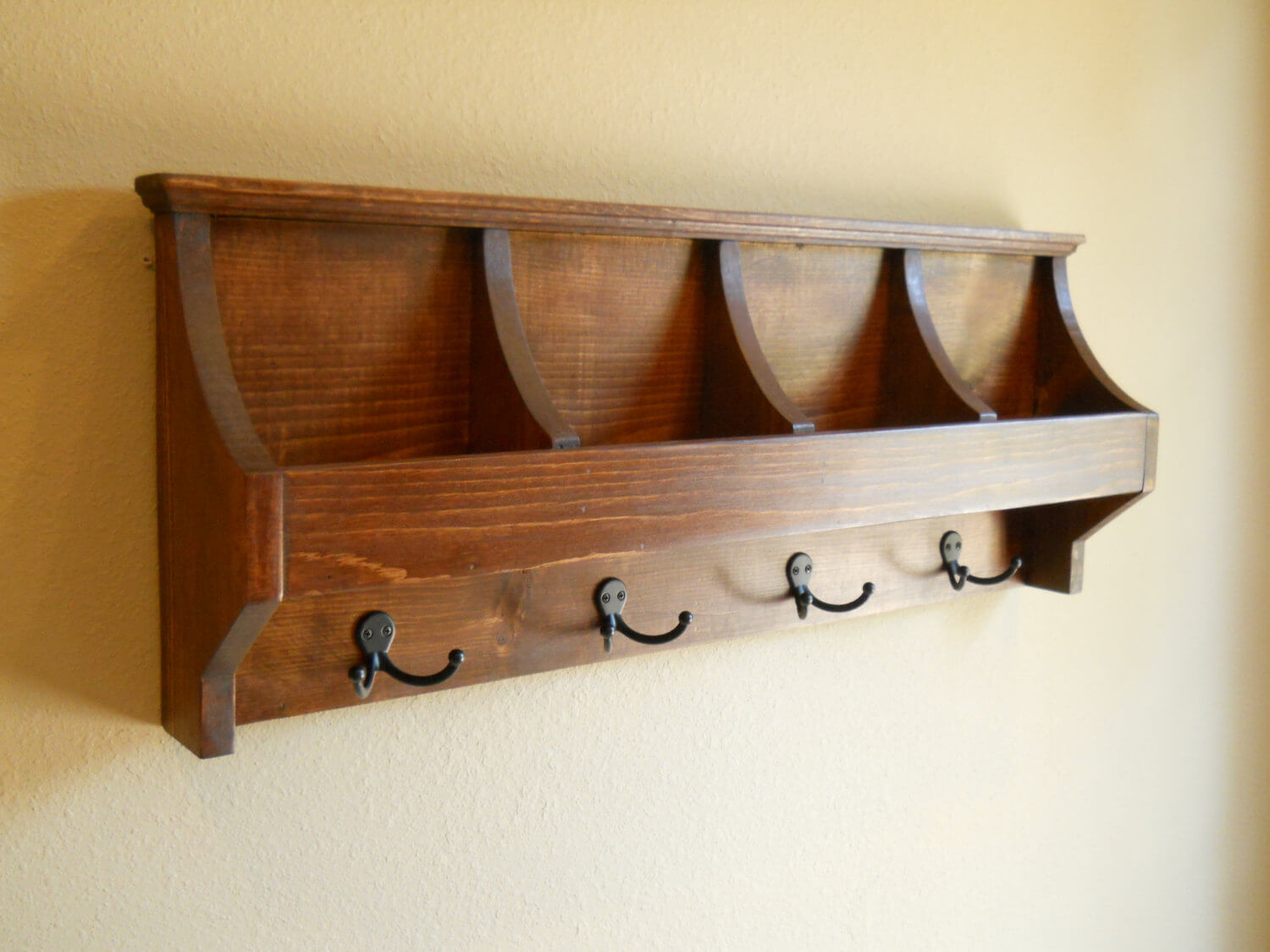
Implementing this doesn’t require a renovation. It can be a small console table, a wall-mounted shelf with hooks, or even a repurposed desk. The key is location. It must be within arm’s reach of the door you actually use. If you mostly come in through the garage, the landing strip goes in the mudroom or kitchen entry, not the formal foyer. If you use the front door, it goes there. Match the system to your life, not the other way around.
Visual Cues and Decorative Traps
Let’s talk about aesthetics for a second. We live in 2026, and we care about how our homes look. A ugly plastic bin by the door might function well, but if it eyesore, you’ll subconsciously avoid it. This is where decorative solutions come in handy. As noted by design experts, vases and planters aren’t just for flowers. A tall, sturdy vase can act as a catch-all for keys and pens, blending seamlessly with your decor.
The trick is to make the storage object beautiful enough that you want to interact with it. If your key holder is a piece of art, you’re more likely to use it. Think about materials: wood, ceramic, metal. Something that feels good to touch. When you drop your keys into a heavy, solid object, it provides a sensory feedback loop. Clink. You hear it. You feel the weight. That sensory input helps cement the memory of where the keys are.
However, be careful not to make it too complex. If your decorative solution has lids, compartments, or requires two hands to open, you won’t use it when you’re tired. Keep it open, accessible, and simple. A wide-mouthed vase or a shallow tray with a lip works best. It should invite you to drop things in, not challenge you to organize them perfectly. Beauty reduces friction, but simplicity ensures consistency.
Breaking the Counter Habit
Okay, so you’ve set up your landing strip. Now, how do you stop putting keys on the counter? It takes awareness. For the first few weeks, you have to catch yourself. When you walk in and feel the urge to dump your keys on the kitchen island, pause. Literally stop. Take a breath. Redirect your steps to the landing strip.
This feels annoying at first. It feels like extra work. But you’re rewiring a neural pathway. Every time you choose the landing strip, you strengthen that connection. Every time you use the counter, you weaken it. It’s a battle of repetition. Some people find it helpful to leave a visual reminder on the counter for the first week—a sticky note that says "Keys Go Here ->" with an arrow pointing to the new spot. It’s cheesy, but it works.
Also, consider removing the temptation. If your counter is cluttered, clear it off. A clear counter makes the misplaced keys obvious, which is good for finding them but bad for the habit because it invites more clutter. Try to keep the counter surfaces as empty as possible. When there’s nowhere else to put things, the designated spot becomes the only option. Out of sight, out of mind applies to clutter, but for keys, we want "in sight, in place."
Fixing the entry is half the battle. The other half is the exit. How many times have you left the house, gotten to your car, and realized you forgot your keys? Or worse, you forgot your wallet because it was still on the counter? The landing strip helps here too, but you need a routine.
Create a mental checklist for leaving. "Phone, Wallet, Keys." Say it out loud if you have to. Some people use a physical token, like placing their phone on top of their keys the night before. If you can’t pick up your phone without picking up your keys, you’re golden. It’s a low-tech hack that saves high-tech stress.
In 2026, we have smart trackers and apps, but they fail if the device itself is left behind. Technology is a backup, not a solution. The real fix is behavioral. By consistently using the landing strip for both entry and exit, you create a closed loop. You know exactly where your keys are because you always put them in the same place. The anxiety of "where are my keys" disappears because the answer is always "on the landing strip." It becomes automatic. You don’t think about it; you just do it.
So, take a look at your entryway today. Is it working for you, or against you? If your keys are currently sitting on the kitchen counter, don’t beat yourself up. Just move them. Set up a simple, beautiful spot near the door. Make it easy. Give it a try for a week. You might find that the small change brings a surprising amount of calm to your mornings. After all, life is chaotic enough without having to hunt for the one thing that lets you leave the house.