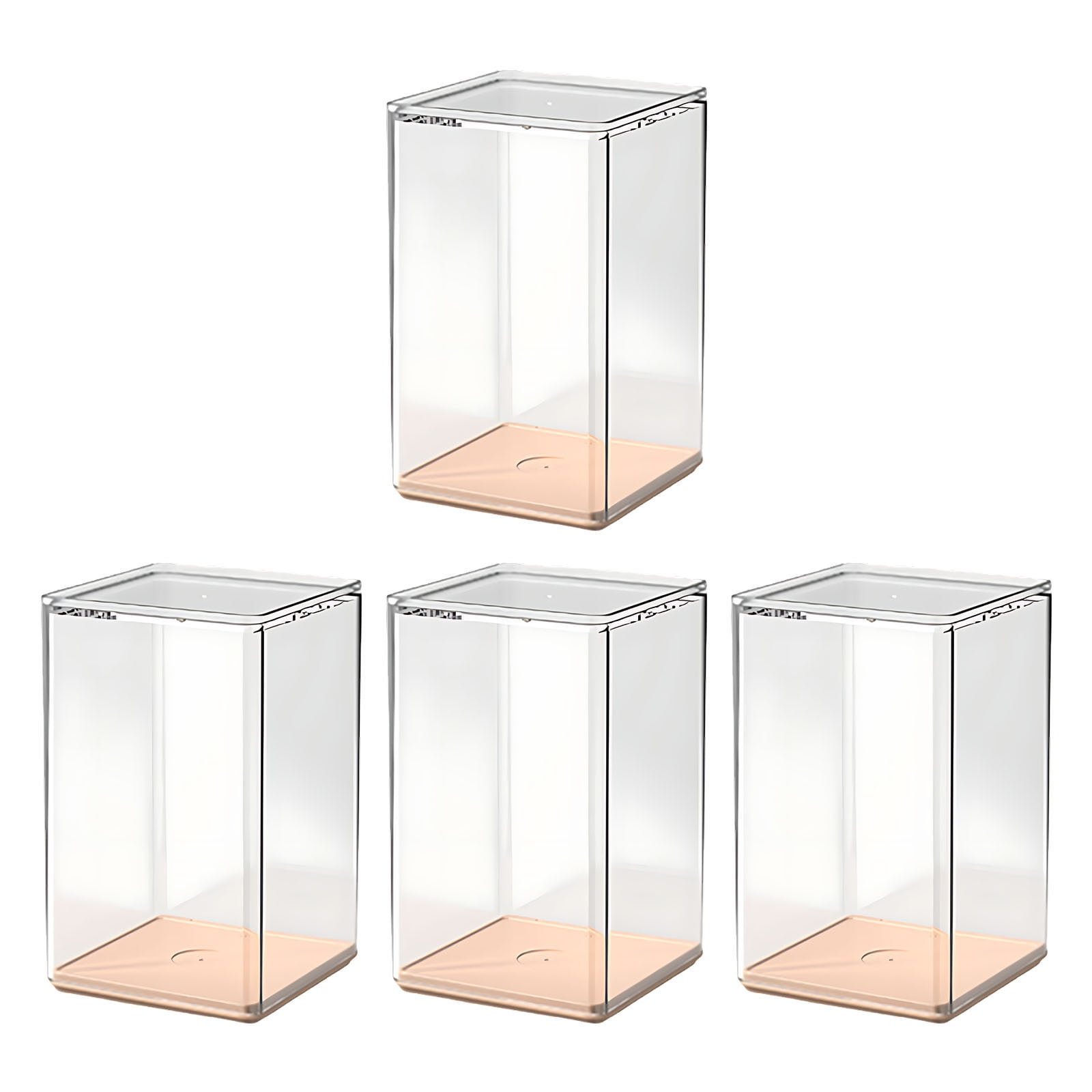
You know that feeling. You’ve just unboxed a rare find, maybe a limited edition porcelain beauty or a highly articulated action figure you’ve been hunting for months. It’s perfect. The paint is crisp, the fabric is pristine. You set it on your shelf, step back, and smile. Then, three days later? Dust. A fine, gray layer of regret settling on those delicate eyelashes. Or worse, you reach out to adjust a pose and accidentally knock it over. Heartbreak.
We’ve all been there. In 2026, collecting isn’t just about buying; it’s about curating. It’s about creating a little world where your favorites can live safely while still being seen. But walking into a store—or scrolling through endless online listings—can feel overwhelming. Acrylic? Glass? UV protection? What does any of that actually mean for your specific collection? Let’s cut through the noise. This isn’t about selling you the most expensive box on the market. It’s about finding the right home for your treasures. Because let’s be honest, if you can’t see them clearly, or if they’re fading away, what’s the point?
The Great Material Debate: Acrylic vs. Glass
First things first. You gotta pick a material. It’s the biggest decision you’ll make, and honestly, it comes down to two main contenders: acrylic (often called Plexiglas) and glass. Both have their fans, and both have their flaws.
Acrylic is the popular kid in school right now. And for good reason. It’s lightweight, which means if you’re stacking cases or moving them around, you won’t throw out your back. It’s also shatter-resistant. If you have kids or pets running around, this is a huge plus. Drop a glass case? Shards everywhere. Drop an acrylic one? It might bounce. Plus, modern acrylic in 2026 is clearer than ever. High-grade options offer incredible visibility, almost like the doll is floating in air. But, it scratches easier. You can’t just wipe it down with a rough towel. You need a microfiber cloth and a gentle touch.
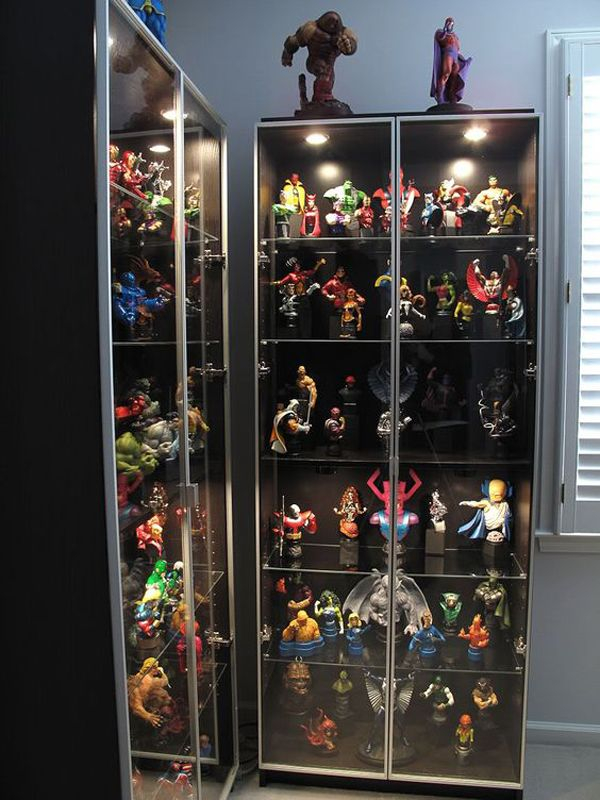
Glass, on the other hand, is the classic choice. It feels heavier, more substantial. It doesn’t scratch easily, so you can clean it without worrying about tiny swirl marks ruining the view. It also tends to look more "premium" in a traditional sense. However, it’s heavy. Really heavy. And if it breaks, it’s dangerous. There’s also the issue of reflection. Glass reflects light more than acrylic, which can sometimes make it hard to see the details inside if your room lighting isn’t perfect. For most collectors today, especially those with larger collections, acrylic wins on practicality. But if you have one singular, museum-quality piece, glass might give it that extra gravitas.
Size Matters: Measuring Twice, Buying Once
It sounds obvious, but you’d be surprised how many people get this wrong. You buy a case, bring it home, and realize your doll’s hat touches the ceiling. Or worse, the case is so big the doll looks lost inside it. Scale is everything.
Start by measuring your tallest piece. Don’t just guess. Get a tape measure. Add at least two inches of clearance above the head. Why? Because you might want to add a stand, or maybe you’ll upgrade to a doll with a bigger hairstyle later. Also, think about the footprint. Do you have a deep shelf? A narrow desk? Measure the width and depth of your space before you even look at products. In 2026, modular systems are huge. Instead of one giant case, consider stackable units. They let you build up vertically, which saves floor space.
Also, consider the future. Are you a "one and done" collector, or do you plan to expand? If you’re likely to add more figures, go for a case with adjustable shelves or a modular design. Being able to reconfigure the interior means you aren’t stuck with empty voids or cramped quarters as your collection grows. It’s about flexibility. A rigid setup might look nice today, but it’ll frustrate you tomorrow.
The Invisible Enemy: UV Protection and Sealing
Here’s the stuff you can’t see until it’s too late. Sunlight. It’s beautiful, but it’s a killer for collectibles. UV rays fade paint, yellow plastics, and brittle fabrics. If your display spot gets direct sunlight, you need UV protection. Period.
Not all cases offer this. Many cheap acrylic boxes are just clear plastic with no treatment. Look for terms like "UV-resistant" or "UV-filtering." Some high-end cases have coatings that block up to 99% of harmful rays. It’s worth the extra cost. Think of it like sunscreen for your dolls. You wouldn’t go to the beach without it, right? Same logic.
Then there’s the seal. Dust is persistent. It finds every crack. A good display case should have a tight seal. Magnetic closures are popular because they’re easy to open but snap shut firmly. Sliding doors can be tricky; if they aren’t aligned perfectly, dust sneaks in. Check reviews for mentions of "dust-proof" seals. If a reviewer says they still have to dust inside the case every week, keep looking. The goal is to open the case only when you want to rearrange, not because it’s dirty again.
Lighting: Setting the Stage
A doll in the dark is just a shadow. Lighting transforms a storage box into a showcase. But bad lighting is worse than no lighting. Harsh, hot bulbs can damage materials over time, and poor placement creates glare that hides details.
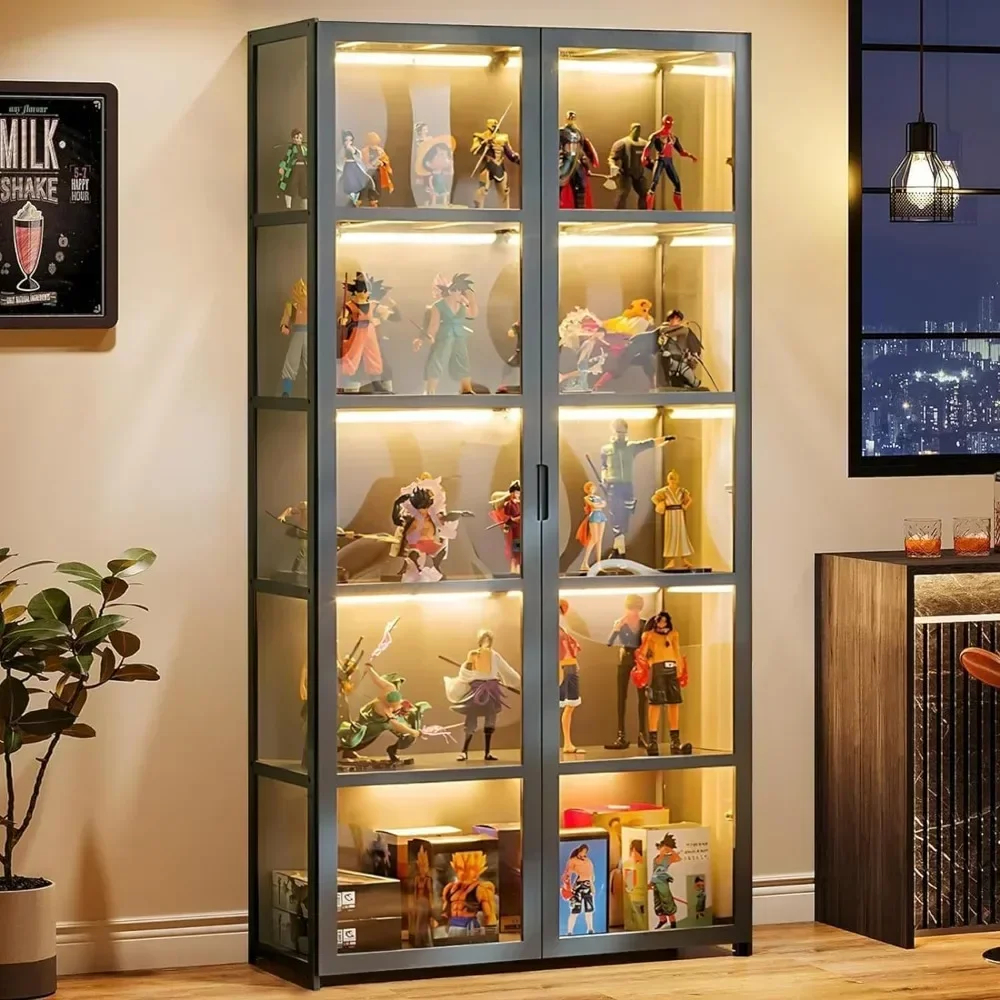
LED strips are the standard in 2026. They run cool, so they won’t melt plastic or fade colors. Look for cases with built-in LED channels, usually along the top or bottom edges. Top lighting mimics natural daylight and casts shadows downward, which can look dramatic. Bottom lighting makes figures look like they’re glowing from within, which is great for sci-fi or fantasy characters.
Color temperature matters too. "Warm" light (yellowish) feels cozy and vintage. "Cool" light (bluish) feels modern and clinical. Neutral white is usually safest for accurate color representation. Some advanced cases now offer app-controlled lighting, letting you change colors or brightness from your phone. It’s a fun feature, but don’t let it distract you from the basics. Good, even illumination is key. Avoid single spotlight bulbs that create harsh hotspots. You want the whole figure to be visible, not just the nose.
Accessibility and Security: Locks and Doors
How often do you want to touch your collection? If you’re a tinkerer who loves reposing figures weekly, you need easy access. Sliding doors or front-opening hinged doors are best here. Lift-off lids are annoying for frequent access; you have to remove the whole top every time.
But if security is a concern—maybe you have valuable vintage pieces or curious toddlers—you might want locks. Many acrylic cases come with small key locks or combination latches. It’s not Fort Knox, but it stops casual tampering. For high-value items, consider a case that can be anchored to a wall or shelf.
Also, think about ventilation. While you want to keep dust out, you don’t want to trap moisture. If you live in a humid climate, a completely airtight seal might lead to mold or mildew on fabric clothes. Some cases have tiny, filtered vents that allow air circulation while blocking dust. It’s a subtle feature, but for vintage dolls with organic materials (like hair or cloth), it’s a lifesaver. Balance is key. Secure, but not suffocating.
Let’s face it. These cases are going to be in your living space. They shouldn’t look like industrial storage units unless that’s your vibe. The aesthetic matters. Clear acrylic is minimalist and disappears into the background, letting the dolls take center stage. This works well in modern, clutter-free rooms.
If you have a more traditional decor, you might prefer cases with black or white frames. Some manufacturers offer wooden bases or tops that match furniture styles. In 2026, customization is easier than ever. You can find cases in matte finishes, tinted shades, or even with printed backgrounds.
Think about the background inside the case too. A plain clear back is versatile, but a colored backdrop can make certain figures pop. Black backgrounds are great for light-colored dolls; white backgrounds help dark figures stand out. Some collectors use removable paper backs so they can switch it up. Ultimately, the case should complement your room, not clash with it. It’s part of your home’s story. Make sure it fits the narrative.
So, where does that leave us? Choosing a display case isn’t just a purchase; it’s an act of care. It’s saying, "I value this enough to protect it." Whether you go for sleek acrylic with UV protection or sturdy glass with a classic frame, the right choice balances safety, visibility, and style. Measure your space. Check the seals. Think about the light. And don’t forget to leave room for growth. Your collection is alive, evolving, and personal. Give it the home it deserves. After all, when you walk into the room and see your favorites standing tall, dust-free, and beautifully lit, you’ll know it was worth the effort. Happy collecting.