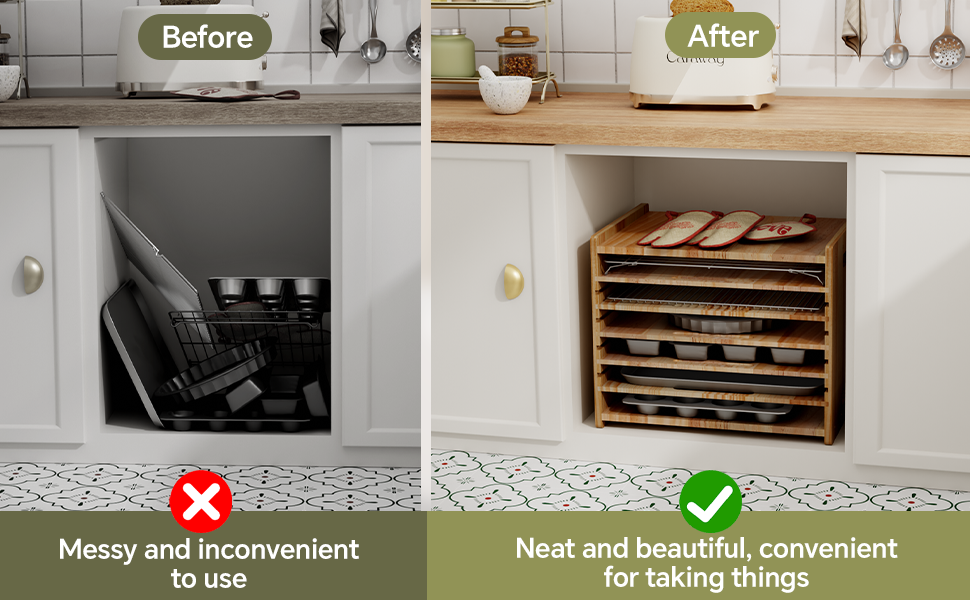
You know the sound. That metallic crash when you try to pull one baking sheet out from under three others in a deep cabinet. It’s loud, it’s annoying, and honestly, it makes you want to just order takeout instead of baking those cookies. We’ve all been there. You open the cupboard, stare at the jumbled mess of metal, and sigh. Why does something so flat and simple have to be such a pain to store?
It doesn’t have to be this way. In 2026, we’re seeing a huge shift in how people think about kitchen organization. It’s not just about hiding things away; it’s about making them work for you. Whether you have a tiny apartment kitchen or a sprawling chef’s dream, there’s a smart way to handle those sheet pans. No more digging. No more clanging. Just easy access and a calmer mind.
Let’s talk about how to fix this once and for all.
The Vertical Revolution: Using Dividers
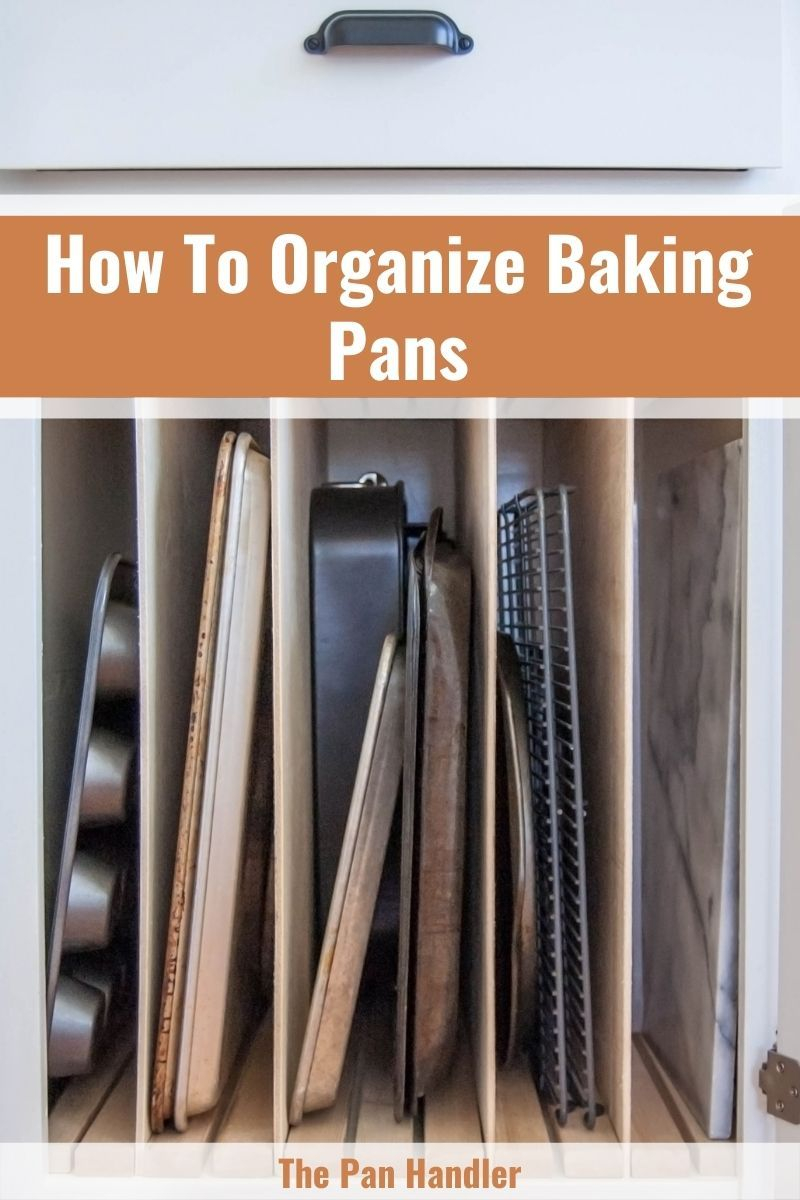
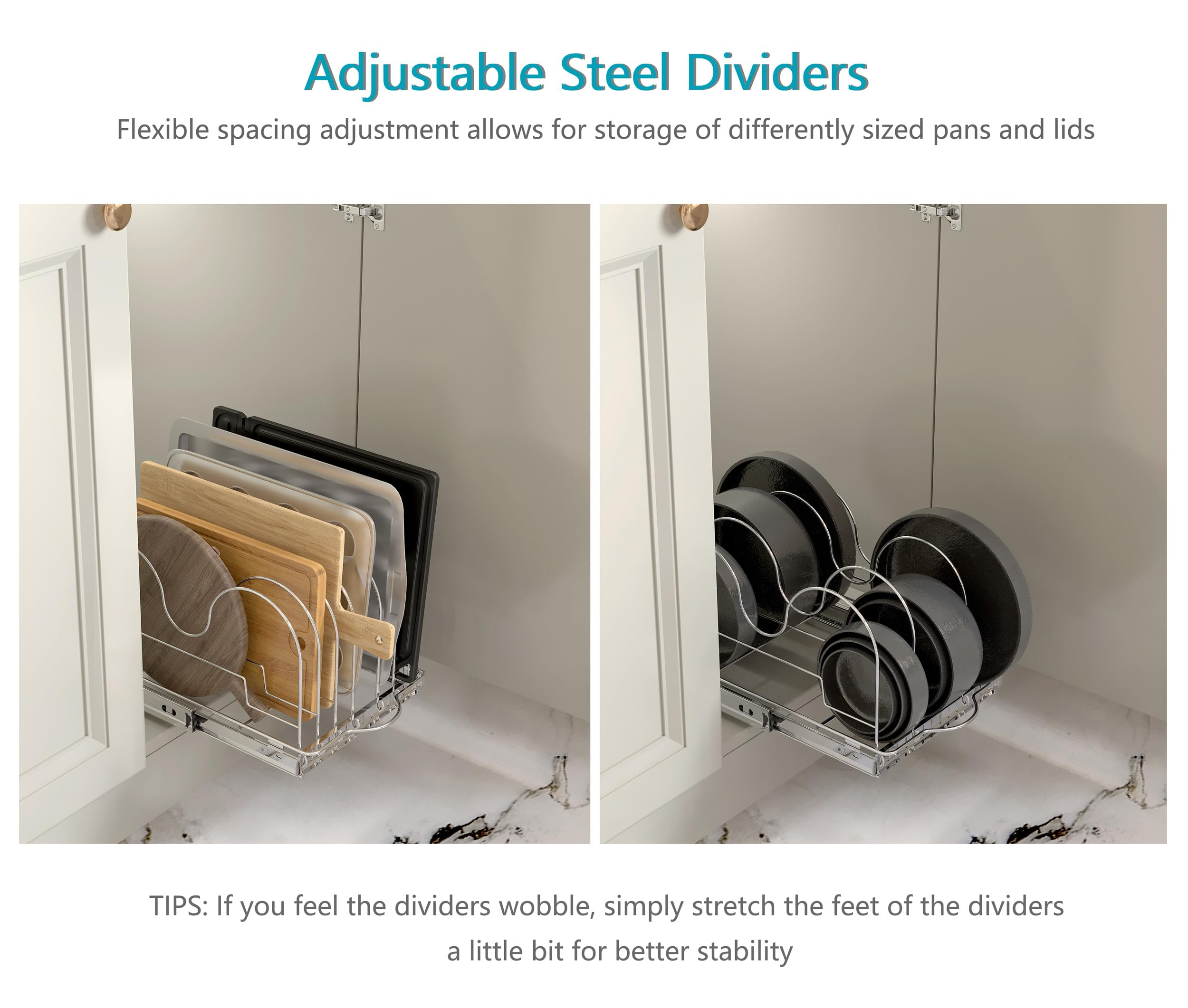
The single biggest game-changer for baking sheet storage is going vertical. Think about how you store plates or books. They stand up, right? So why do we keep stacking heavy metal pans on top of each other? Martha Stewart has long championed this method, and for good reason. By using dividers, you can slot your sheets in like files in a cabinet.
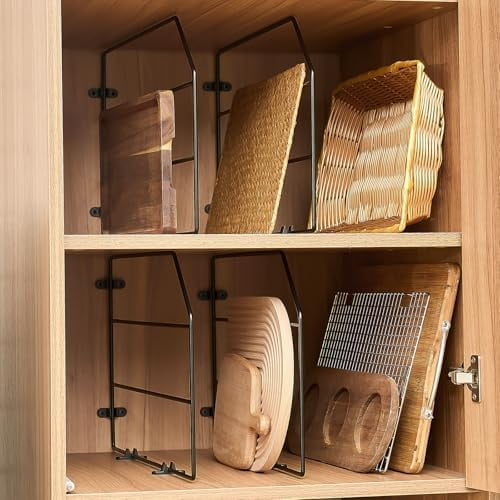
You don’t need fancy custom cabinetry to do this. Simple tension rods or adjustable file organizers work wonders. You can buy specific bakeware dividers that snap into place, creating neat little slots for each pan. This means you can grab the half-sheet pan you need without moving the quarter-sheet or the jelly roll pan. It stops the domino effect of falling cookware.
If you’re renting or can’t drill holes, look for freestanding divider racks. These sit inside your existing shelves and create instant structure. They’re cheap, effective, and you can move them around as your needs change. The key is consistency. Once you start storing them upright, you’ll wonder how you ever lived any other way. It saves space too, since you aren’t wasting vertical air between stacked items.
Pull-Out Solutions for Deep Cabinets
Deep cabinets are beautiful for storage capacity but terrible for accessibility. If your baking sheets are at the back, you’re basically playing archaeological dig every time you want to roast veggies. This is where pull-out organizers shine. They bring the back of the cabinet to you.
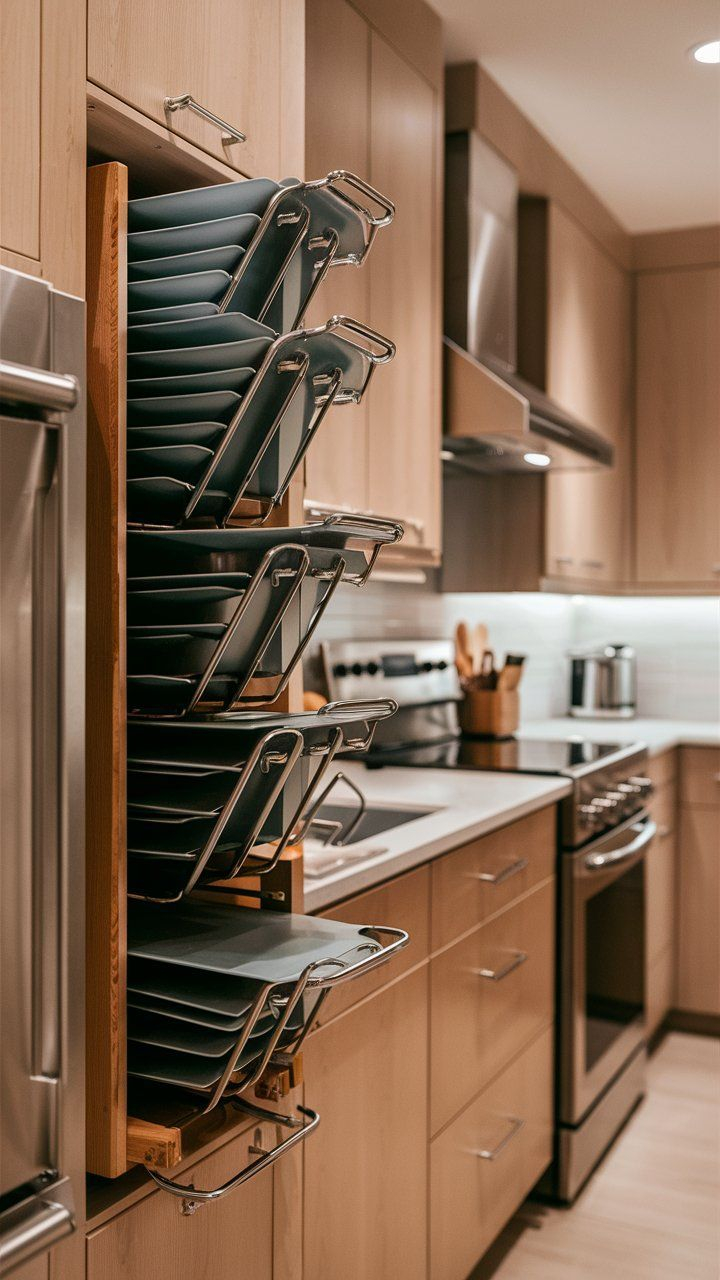
Install sliding trays or wire baskets designed for flat items. When you pull the handle, the whole rack slides out, exposing every single pan clearly. No more reaching into the dark depths. You can see exactly what you have. This is especially helpful if you have a lot of different sizes, from small cookie sheets to large roasting pans.
Some modern kitchens come with these built-in, but you can retrofit older cabinets pretty easily. There are DIY kits available that attach to the bottom of the shelf. Just make sure you measure the width and depth carefully before buying. A stuck drawer is worse than no drawer at all. This solution takes a bit more effort to set up, but the daily convenience is unmatched.
Utilizing Unused Wall Space
Sometimes the cabinet just isn’t the right spot. If your cupboards are packed tight, look up. Walls are often overlooked real estate in the kitchen. Hanging your baking sheets can free up massive amounts of shelf space and add a bit of industrial chic to your decor.
Install a sturdy rail system with S-hooks or specialized clips. You can hang the sheets by their rims. Make sure the hooks are strong enough to hold the weight, especially if the pans are still slightly warm or wet (though they should always be dry before storing). This keeps them visible and airy, which helps prevent moisture buildup and rust.
Another option is magnetic strips, if your pans are magnetic steel. Strong industrial magnets can hold sheets flat against the wall or the side of your fridge. It’s a sleek, modern look that saves zero floor or shelf space. Just be mindful of grease splatters if you hang them near the stove. A quick wipe down keeps them looking sharp.
The Door Hack: Over-the-Cabinet Organizers
Don’t forget the inside of your cabinet doors. It’s a narrow space, but it’s perfect for thin items like baking sheets. Over-the-door racks with slim profiles can hold several pans vertically. This keeps them out of the main shelf area, leaving room for bulkier items like mixers or pots.
These organizers usually screw into the door or hang over the top edge. They’re great for lightweight aluminum sheets. If you have heavy-duty steel pans, check the weight limit first. You don’t want the door sagging or the rack pulling out. It’s a subtle change, but it adds surprising capacity.
This method also works well for lid storage if you have matching lids for your pans. Some racks have combined slots for both. It keeps the sets together, which is another layer of organization. Plus, when you close the door, everything is hidden away, keeping your kitchen looking clutter-free.
Drawer Inserts for Low Profiles
If you have deep drawers instead of cabinets, you’re in luck. Drawers allow for horizontal storage without the stacking nightmare, provided you use the right inserts. Custom foam cutouts or adjustable plastic dividers can create dedicated spots for each pan.
Lay the sheets flat in the drawer, separated by the dividers. This protects the non-stick coating from scratches, which happens often when pans rub against each other in a stack. It’s gentler on your cookware and easier on your eyes. You can see everything at a glance when you open the drawer.
Make sure the drawer glides smoothly even when full. Heavy pans can weigh down cheap slides, so consider upgrading to heavy-duty drawer runners if you’re doing a full remodel. For a quick fix, just ensure you aren’t overloading the drawer. Keep it to one layer of pans if possible, or use tiered inserts that lift the back pans up for visibility.
Organization isn’t just about hardware; it’s about logic. Group your baking sheets by size and how often you use them. Your everyday half-sheet pans should be the most accessible. Put them at eye level or in the easiest-to-reach spot. The rarely used extra-large roasting sheets can go higher up or further back.
Keep similar sizes together. Don’t mix quarter sheets with half sheets in the same slot if you can help it. It creates gaps and wasted space. If you have a set of nested pans, store the smaller ones inside the larger ones only if you have a separator to prevent scratching. Otherwise, separate them.
Labeling can help too, especially if multiple people use the kitchen. A simple label maker or even a piece of tape can indicate which slot is for which pan. It sounds excessive, but it builds habits. Soon, everyone will know exactly where things go, and the system will maintain itself. It’s about reducing decision fatigue when you’re trying to get dinner on the table.
So, there you have it. Six ways to stop the madness. Whether you choose vertical dividers, pull-out racks, or wall mounts, the goal is the same: ease. You deserve a kitchen that works for you, not against you. Take a weekend, pick one method, and give it a try. Your future self, standing in front of an organized cabinet, will thank you. No more digging. No more noise. Just baking.