Remember that feeling? You know the one. Standing in the cleaning aisle, staring at twenty different bottles. One for the glass, one for the wood, one for the "tough grease," and another for the "delicate surfaces." It’s overwhelming. Back in early 2026, I finally snapped. I was tired of the plastic waste. Tired of the harsh chemical smells that lingered for days. And honestly? Tired of spending a fortune on watered-down solutions.
So, I did something radical. I threw out almost everything. Well, not literally into the trash—I recycled the bottles, obviously—but I stopped buying them. I replaced my entire arsenal with one single ingredient: liquid castile soap. It sounded too simple to be true. Could one bottle really do it all? The short answer is yes. But the long answer involves a bit of learning curve, some funny mistakes, and a whole lot of satisfaction. This isn’t just about cleaning; it’s about reclaiming your space from clutter and complexity.
What Exactly Is Castile Soap Anyway?
Let’s clear up a common misconception right away. Castile soap isn’t some new-age miracle molecule invented in a lab last year. It’s old school. Traditionally, it was made strictly from olive oil. Hence the name, coming from the Castile region of Spain. But today, especially in 2026, you’ll find versions made from coconut, hemp, jojoba, and other vegetable oils. The key takeaway? It’s plant-based. It’s biodegradable. And it’s incredibly concentrated.
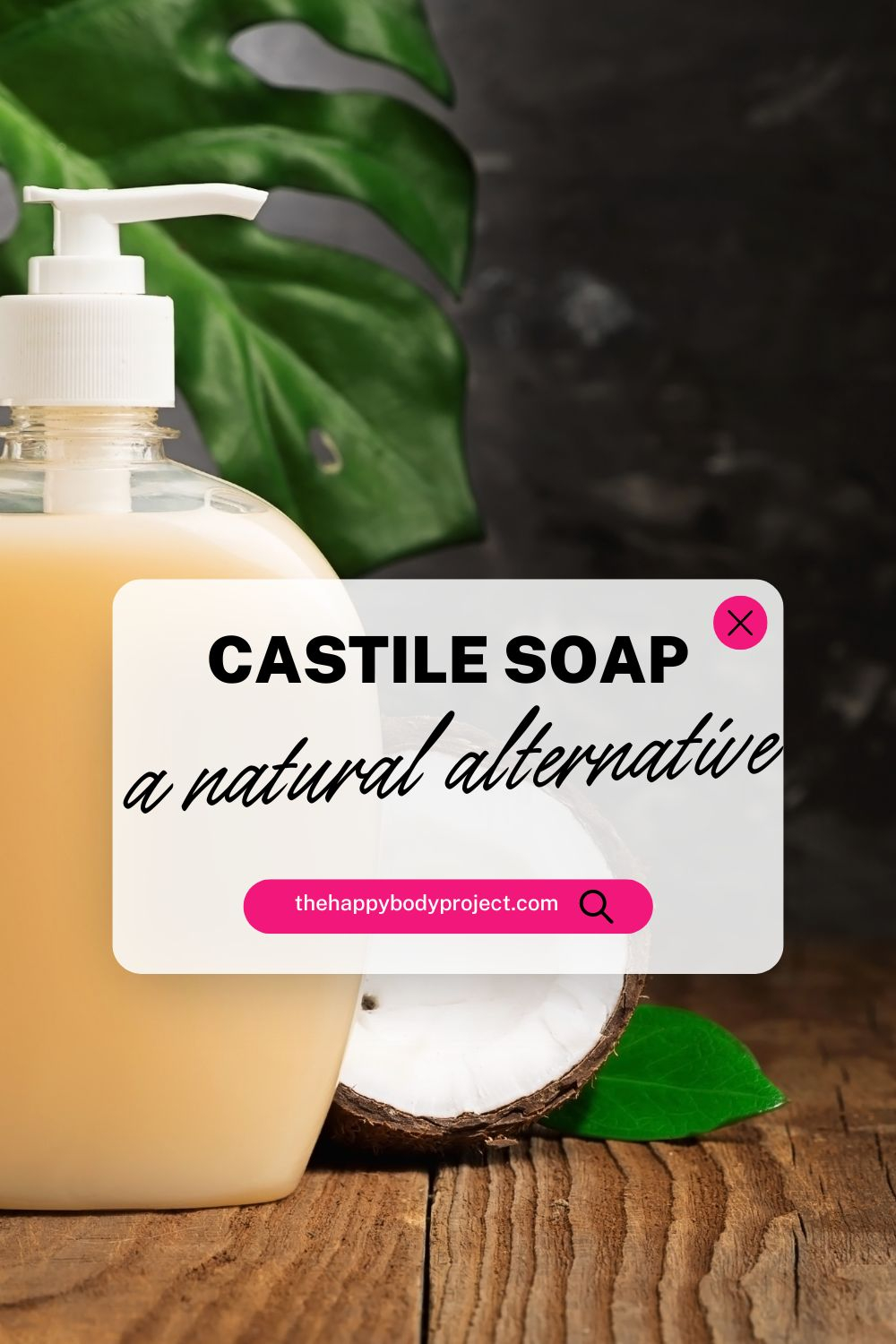
When you buy a bottle of liquid castile soap, you aren’t buying a pre-diluted cleaner. You’re buying a super-concentrated base. This is why a single 32-ounce bottle can last a family of four for months. It’s potent stuff. In its pure form, it’s thick and slightly cloudy. But here is the magic trick: it plays nice with water. By diluting it, you activate its cleaning power without the suds going crazy. It lifts dirt and grime rather than just masking it with perfume. That’s a huge shift in mindset. You stop trying to cover up dirt and start actually removing it.
People often ask if it’s safe. For most folks, yes. It’s free from synthetic fragrances, dyes, and preservatives that trigger allergies. However, "natural" doesn’t always mean "irritation-free" for everyone. If you have super sensitive skin, you might want to wear gloves when using it undiluted. But for general household cleaning? It’s as gentle as it gets on your lungs and the environment. It breaks down easily in water systems, which means you aren’t contributing to the chemical load in our rivers. That feels pretty good when you’re scrubbing the tub.
The Golden Rule: What Not To Mix
Before we dive into the recipes, we need to talk about the elephant in the room. Or rather, the two big mistakes everyone makes. If you skip this section, you might end up with a sticky mess or a clogged spray bottle. So, pay attention. First off, do not mix castile soap directly with vinegar. I know, I know. Every DIY blog tells you to use vinegar for shine and soap for cleaning. But here’s the chemistry bit: soap is alkaline (basic). Vinegar is acidic. When you mix them, they neutralize each other.
The result? A white, curdled goo that looks like cottage cheese. It doesn’t clean well, and it leaves a film that is harder to remove than the original dirt. If you want to use both, use them in separate steps. Clean with the soap first, rinse, and then wipe with vinegar if you need that extra shine on glass or chrome. Never mix them in the same bottle. It’s a recipe for disaster. I learned this the hard way when I tried to make an "all-in-one" bathroom spray. Let’s just say my shower door looked like it had a bad rash.
The second mistake is using hard water without adjustment. If you live in an area with high mineral content in your tap water, castile soap can leave a scummy residue. This is because the minerals react with the soap fats. The fix is simple: use distilled water for your mixes. Or, add a tiny bit of washing soda to help soften the water. Also, avoid using castile soap on natural stone like marble or granite. The alkalinity can etch the surface over time. Stick to sealed countertops, tile, wood, and glass. Knowing these boundaries saves you from ruining your expensive floors.
The Master All-Purpose Spray
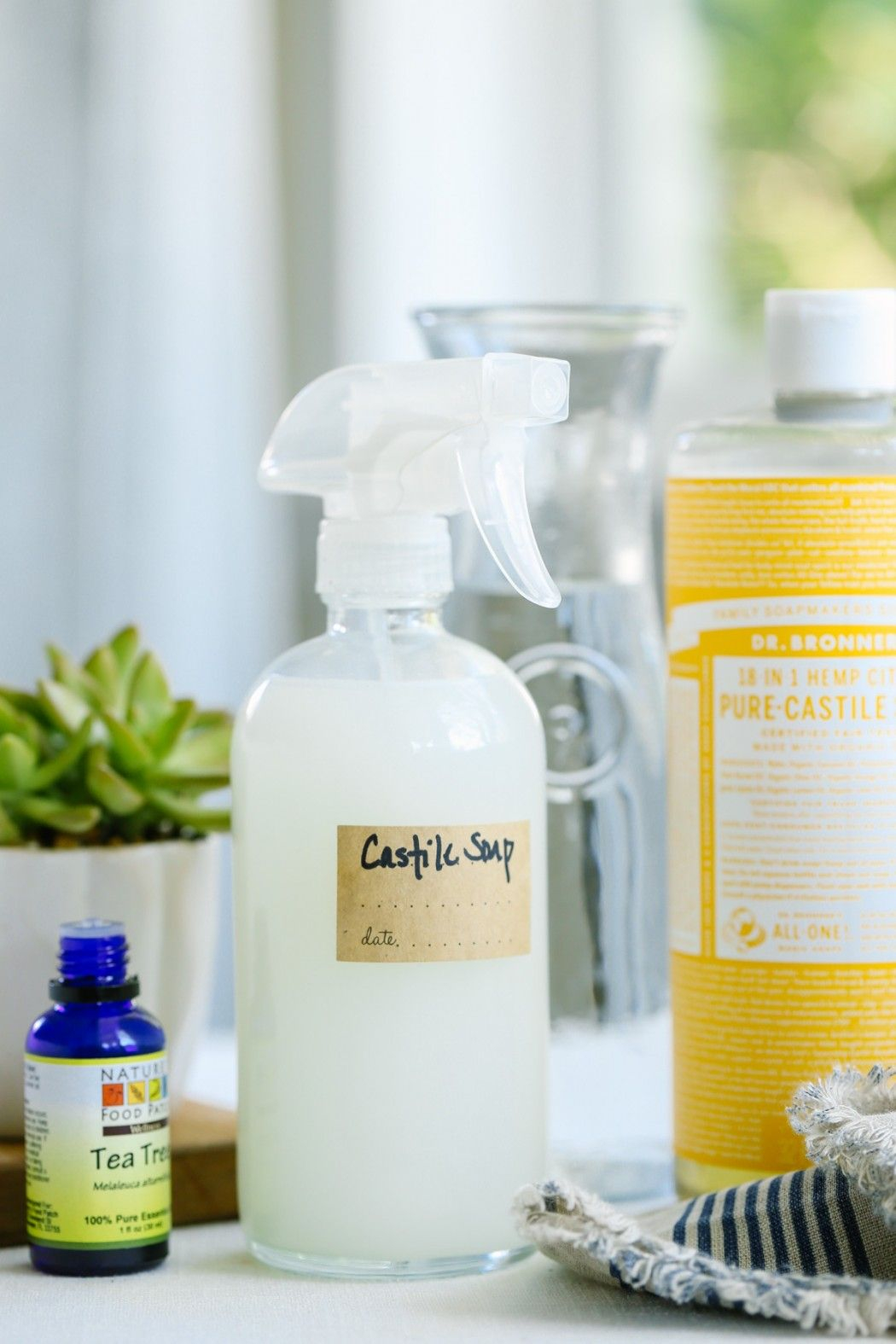
Now for the fun part. Let’s make the workhorse of your new cleaning routine. This all-purpose spray replaces those blue bottles, the green ones, and the pink ones. It’s great for countertops, tables, appliance exteriors, and even walls. Here is the basic ratio that works for most homes: one cup of water, one tablespoon of liquid castile soap, and ten drops of essential oil if you want a scent. Lemon, tea tree, and lavender are popular choices because they have natural antibacterial properties.
Mix this in a reusable spray bottle. Give it a gentle shake before each use. Why gentle? Because castile soap foams up if you agitate it too much. You don’t want a bottle full of foam; you want the liquid. Spray it on the surface, let it sit for a minute to break down the grease, and then wipe with a microfiber cloth. That’s it. It cuts through kitchen splatter surprisingly well. In 2026, with food prices being what they are, we’re cooking more at home, which means greasier kitchens. This spray handles it without stripping the finish off your cabinets.
One tip for stubborn spots: don’t be shy with the elbow grease. Since there are no harsh solvents, the mechanical action of wiping is important. If something is stuck on, spray it, wait five minutes, and scrub again. It might take a bit longer than a chemical-heavy cleaner, but the trade-off is worth it. Your air quality improves immediately. No more headache-inducing fumes. Just a faint, fresh scent of whatever essential oil you chose. Or nothing at all, if you prefer unscented. It’s liberating to clean without holding your breath.
Tackling the Kitchen and Bathroom Grime
Kitchens and bathrooms are the battlegrounds of home cleaning. They deal with grease, soap scum, and bacteria. Can a mild soap handle it? Absolutely, but you need to change your technique. For the kitchen sink and stove, make a paste. Mix three tablespoons of castile soap with half a cup of baking soda. Add a few drops of water if it’s too dry. This creates a gentle abrasive scrub. Use a sponge to apply it to burnt-on food or greasy stovetops. Let it sit for ten minutes. Then scrub and rinse. The baking soda adds the grit, while the soap lifts the oil.
In the bathroom, soap scum is the enemy. Castile soap is excellent for preventing it, but removing built-up scum takes effort. Use the same paste method on tile walls and tubs. For the toilet, you can pour half a cup of castile soap directly into the bowl. Let it sit overnight. In the morning, give it a brush and flush. It won’t bleach the bowl white like chlorine, but it will sanitize and deodorize effectively. If you have hard water stains, follow up with a vinegar wipe (remember, separate steps!).
Don’t forget the floors. Mopping with castile soap is a game-changer for hardwood and tile. Add a quarter cup of liquid soap to a bucket of hot water. Dip your mop, wring it out well—you don’t want puddles—and go. It leaves floors clean without the waxy buildup that commercial cleaners often leave behind. In fact, many people report their floors look brighter after switching because they are finally free of that invisible film. Just make sure to rinse your mop head thoroughly afterwards, or it gets stiff.
Laundry, Dishes, and Beyond
You might be wondering, "Can I wash my clothes with this?" The answer is yes, but with caveats. Castile soap is low-sudsing, which is great for high-efficiency (HE) machines. Use about half a cup per load. However, it doesn’t contain enzymes or brighteners found in modern detergents. So, if you have heavily stained sports gear or white shirts that need bleaching, you might need a booster like oxygen bleach. For everyday clothes, sheets, and towels? It works beautifully. Clothes come out soft and fresh, without the synthetic fragrance coating.
Hand-washing dishes is another win. Put a teaspoon of soap in a basin of warm water. It cuts grease effectively. The only downside is that it doesn’t create those massive mountains of bubbles we’ve been conditioned to think equal "clean." Ignore that. The lack of suds doesn’t mean lack of cleaning power. Rinse well, and your plates will squeak. For the dishwasher, though, I wouldn’t recommend it. It can leave a film on glasses and inside the machine unless you have a very specific setup with rinsing agents. Stick to hand washing or a dedicated dishwasher pod for the machine.
Beyond these major tasks, castile soap is a spot-treatment hero. Got a stain on the carpet? Mix a little soap with water, dab it on, blot with a clean cloth. Need to wash your dog? Dilute it heavily (1 cup soap to 10 cups water) and use it as a shampoo. It’s gentle on their skin. Cleaning makeup brushes? A drop of soap on your palm swirls away foundation and lipstick effortlessly. The versatility is endless. Once you start seeing it as a base ingredient rather than just a soap, you’ll find uses everywhere.
By now, you’ve probably realized the environmental impact of this switch. In 2026, sustainability isn’t just a buzzword; it’s a necessity. Using castile soap drastically reduces plastic waste. Instead of buying five different trigger sprays every month, you buy one large refill pouch or glass bottle every few months. Many brands now offer zero-waste refill stations in local grocery stores. You bring your own bottle, fill it up, and go. It’s cheaper and cleaner for the planet.
But it’s also about health. Indoor air quality has become a major focus recently. We spend so much time inside. Traditional cleaners release volatile organic compounds (VOCs) that linger in the air. Switching to castile soap eliminates this source of pollution. Your home smells like… nothing. Or maybe a hint of lavender. That’s it. It’s a relief for anyone with asthma or allergies. Plus, you know exactly what’s in your cleaner. There are no hidden "fragrance" loopholes listing dozens of undisclosed chemicals.
Finally, there’s the mental clarity aspect. A simplified routine means less decision fatigue. You don’t have to wonder which product to grab. You grab the soap. You mix it if needed. You clean. It streamlines your chores, making them feel less like a burden and more like a mindful act of care for your home. It’s slower, yes. But it’s intentional. And in a world that moves so fast, slowing down to clean with simple, honest ingredients feels like a small rebellion. It’s grounding.
So, where do you start? Buy one bottle. Just one. Try the all-purpose spray recipe first. See how it feels. Notice how your hands feel after washing the dishes. Notice the air in your kitchen. If you like it, expand from there. You don’t have to throw out everything today. But you might find, like I did, that once you simplify, you never want to go back to the cluttered, chemical-heavy way. It’s just soap, water, and a little bit of effort. And honestly? That’s enough.