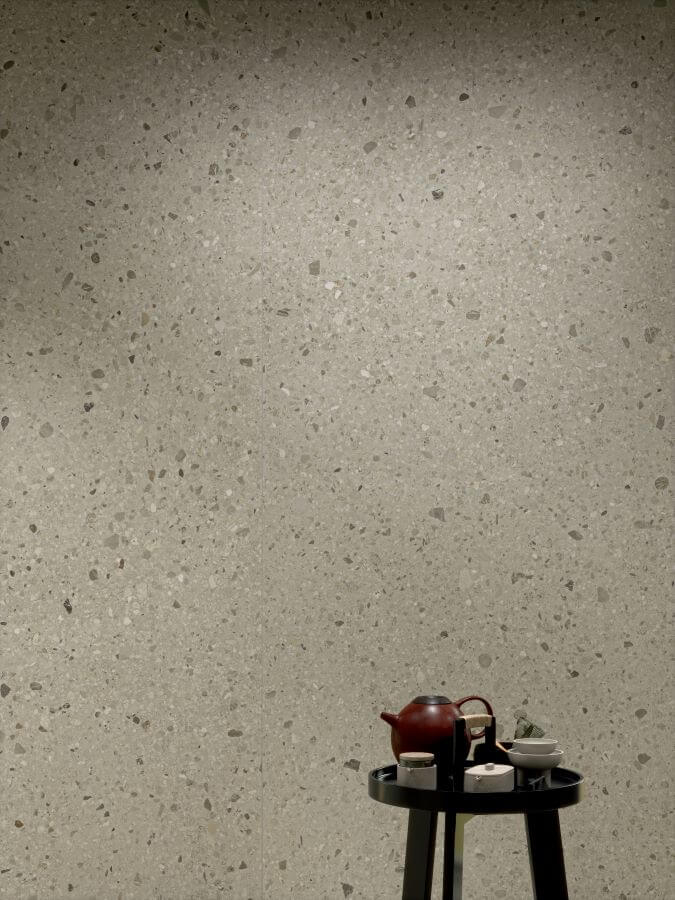
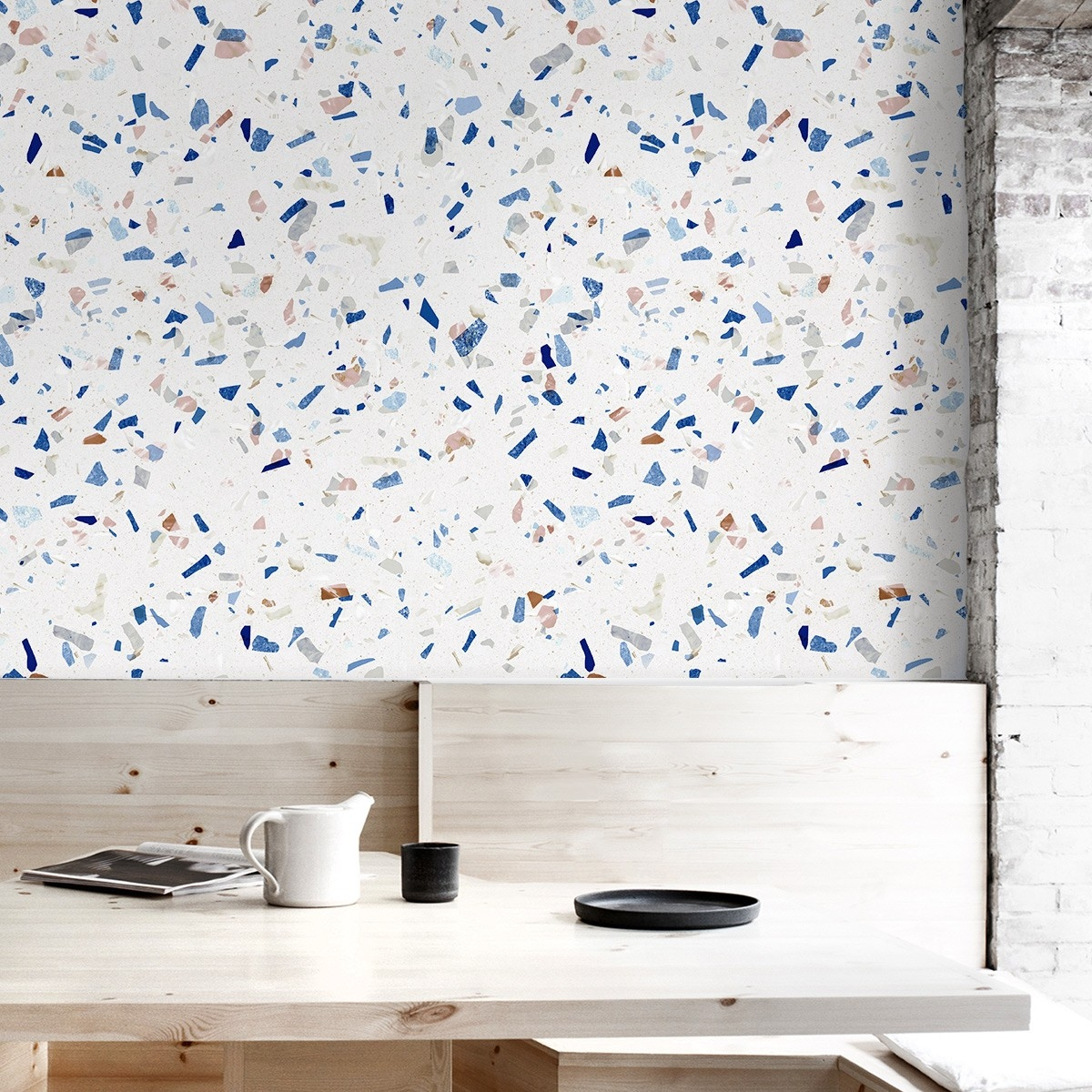
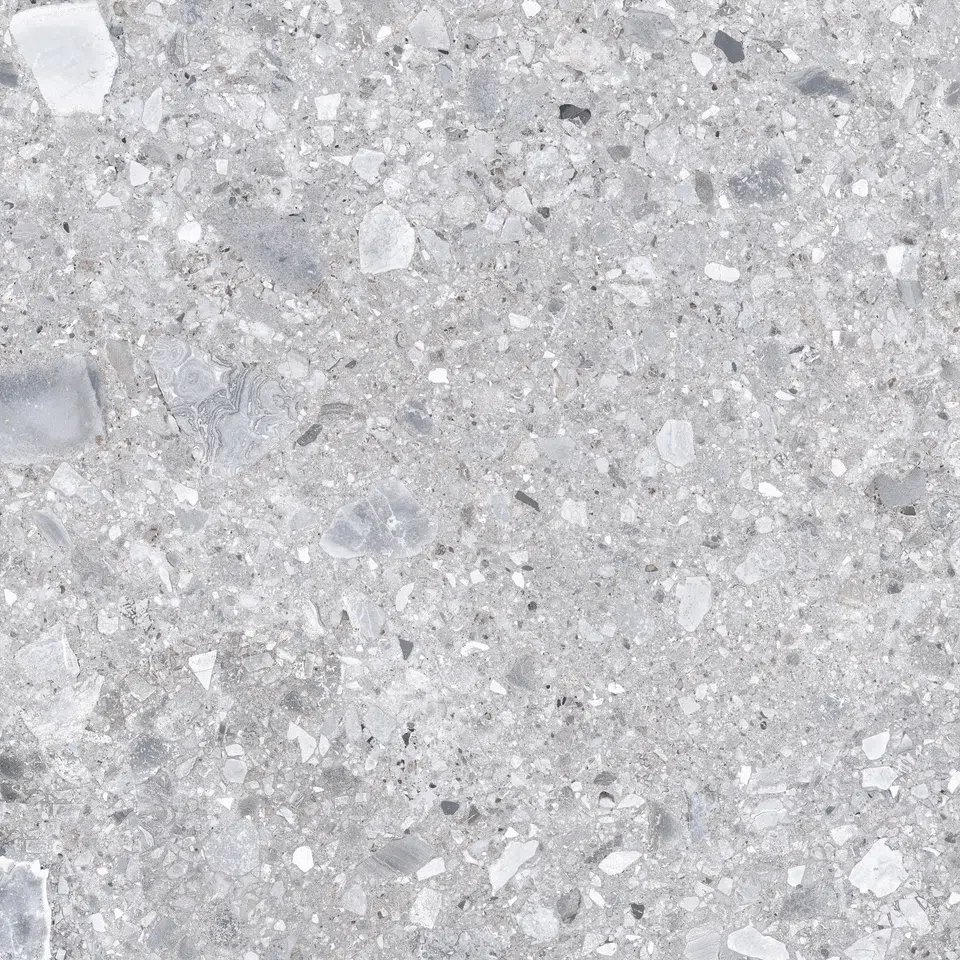
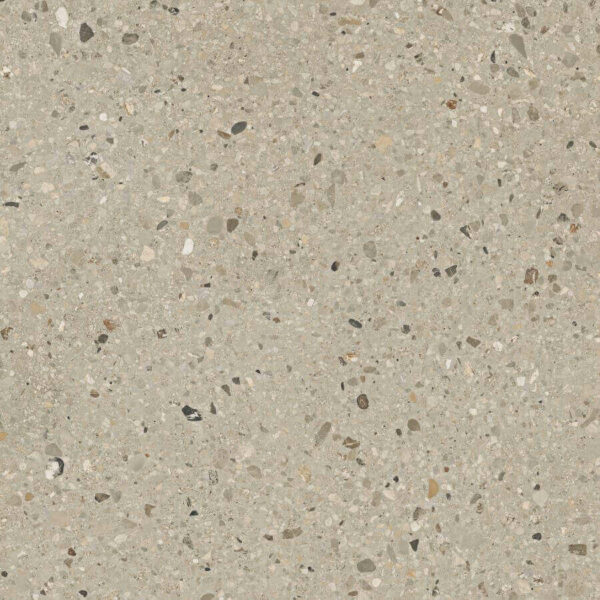
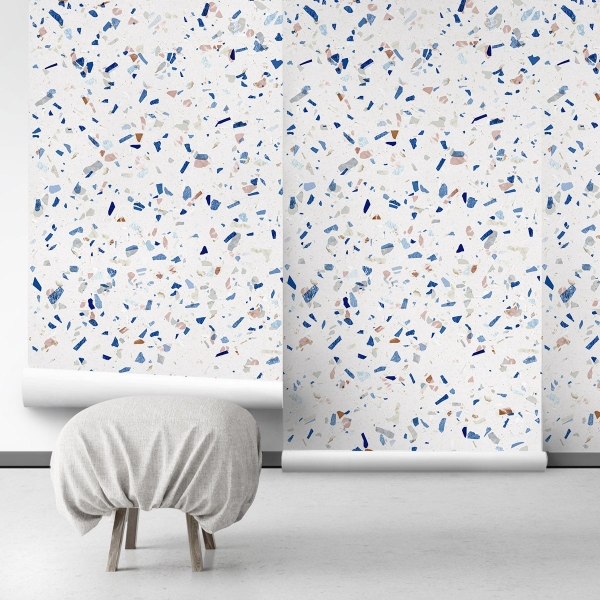
You walk into a mid-century modern home, or maybe a sleek new build in 2026, and your eyes go straight to the floor. It’s speckled, smooth, and cool to the touch. It looks like it was poured yesterday, even if the house is forty years old. That’s the magic of terrazzo. It’s the flooring that refuses to die. But here’s the thing nobody tells you while they’re selling you on its "eternal" nature: just because it lasts forever doesn’t mean it’s right for you.
We’ve all seen the hype. Social media feeds are flooded with those satisfying before-and-after reels of dusty concrete transforming into glossy, marble-chip masterpieces. It’s trendy. It’s chic. It screams "I have my life together." But living with it? That’s a different story. I’ve talked to homeowners who love it and others who secretly dread winter mornings because their feet feel like blocks of ice. Let’s dig into the real deal—why this material is a marvel of engineering, and why it might actually drive you crazy.
The Engineering Behind the Century-Long Lifespan
Terrazzo isn’t just fancy concrete. Well, kinda. But it’s way more complex. At its core, it’s a composite. You’ve got chips of marble, quartz, granite, or glass suspended in a binder. Historically, that binder was cement. Today, in 2026, we see a lot more epoxy and polyacrylate modifiers. This mix is what gives it that insane durability. Think about it. These materials are basically rocks. Rocks don’t rot. They don’t warp when it rains. They don’t get eaten by termites.
The installation process is where the real magic happens. It’s not just slapped down. It’s poured, ground, and polished to a mirror finish. This creates a monolithic surface. There are no grout lines for dirt to hide in. No seams for water to seep under. When you seal it properly—and modern sealers are lightyears ahead of what we had ten years ago—you create a shield that repels stains and scratches. That’s why you see terrazzo in airports and hospitals. Those places get hammered by foot traffic, luggage wheels, and heavy carts. If it can survive an airport terminal, it can definitely handle your golden retriever.
But longevity isn’t just about hardness. It’s about stability. Because terrazzo is often installed over a concrete slab, it moves with the building. It doesn’t buckle. The color is throughout the material, too. So if you do manage to scratch it (which is hard), you’re not seeing a white scar on a dark surface. You’re just seeing slightly less polished stone. A quick buff, and it’s gone. This is why experts say it lasts 75 to 100 years. In some cases, the floor outlasts the building itself. It’s an investment in permanence.
The Sticker Shock and Hidden Costs
Let’s talk money. Because oof. The initial price tag is steep. We’re talking anywhere from $15 to $30 per square foot, and that’s for basic stuff. If you want intricate designs, custom colors, or premium aggregates like mother-of-pearl, you can easily double that. Compare that to luxury vinyl plank or even high-end hardwood, and terrazzo looks like a luxury item. And it is. But proponents argue that you’re paying for life. No replacement roulette. While your neighbors are ripping out their worn-out laminate every decade, your floor is still going strong.
However, the "lifetime cost" argument has some holes. Sure, you save on replacement. But the upfront cash flow is real. For a 2,000-square-foot home, you’re looking at $30,000 to $60,000 just for the floor. That’s a down payment on a car. Or a significant chunk of a renovation budget. And that’s before we talk about the subfloor preparation. Terrazzo is heavy. Really heavy. If your existing slab isn’t up to snuff, you need to reinforce it. That adds labor. That adds time. That adds more dollars.
Then there’s the repair aspect. Yes, spot fixes are possible. But they aren’t DIY friendly. You can’t just buy a tube of "terrazzo patch" at the hardware store. If a crack appears—and it can happen if the building settles—you need a pro. They have to grind out the area, match the aggregate (which might be discontinued), pour new binder, and polish it to blend. It’s expensive. So while maintenance is low, repairs are high-stakes. You’re betting that nothing major goes wrong. And if it does, your wallet feels it.
The Cold Hard Truth About Comfort
Here’s something the brochures don’t highlight: terrazzo is cold. Like, really cold. It’s stone and cement. It has high thermal mass, which means it sucks heat away from your body. In the summer, this is amazing. You walk barefoot and feel refreshed. It’s natural air conditioning. But in January? In a drafty house? It’s brutal. You’ll find yourself hunting for slippers the second you step out of bed. Some people install radiant heating underneath to combat this. That works great, but guess what? That adds another layer of cost and complexity to the install.
It’s also hard. Unforgivingly hard. If you drop a glass, it shatters. If you drop a plate, it breaks. There’s no give. This makes it tough on your joints, too. Standing on terrazzo for hours while cooking dinner can leave your back and knees achy. It’s not like wood or cork, which have a tiny bit of flex. It’s rigid. For elderly folks or anyone with mobility issues, this lack of cushioning can be a genuine problem. Falls are harder on terrazzo. The impact is direct.
And let’s not forget the noise. Hard surfaces reflect sound. Walk across a terrazzo floor in heels, and it clicks. Drop a toy, and it clatters. In an open-concept home, this can create an echo chamber. You might find yourself buying lots of rugs and soft furniture to dampen the acoustics. Which defeats the purpose of showing off the beautiful floor, right? It’s a trade-off. You get elegance, but you lose warmth and quiet. It’s a sensory experience that not everyone enjoys day-to-day.
Design Flexibility vs. Permanence Paralysis
One of the biggest selling points is customization. You can pick any color. Any chip size. Any pattern. You can create logos, borders, or random speckles. It’s artistic. But here’s the trap: permanence. When you choose a bold red floor with giant green glass chips, you’re stuck with it. For decades. Trends change. What looks edgy and cool in 2026 might look dated and chaotic by 2040. With carpet or vinyl, you can swap it out when you’re bored. With terrazzo, you’re married to your choices.
This leads to "design paralysis." Homeowners spend months agonizing over the shade of gray or the size of the marble chips. And rightly so. It’s a big commitment. If you go too trendy, you risk lowering your resale value because buyers might not share your taste. Neutral tones are safer, but then you risk it looking like a hospital lobby or a school hallway. Finding that sweet spot between "unique" and "timeless" is harder than it looks.
Also, lighting matters. A lot. Terrazzo reflects light. In a dark room, it can help brighten things up. But in a room with harsh overhead lights, it can glare. The polish level affects this too. High-gloss is stunning but slippery and reflective. Matte or honed finishes are more subtle and safer, but they don’t have that same "wow" factor. You have to balance aesthetics with practicality. And since you can’t easily change the finish later, you have to get it right the first time. It’s a high-pressure design decision.
Maintenance Myths and Realities
People say terrazzo is "low maintenance." That’s true, but with caveats. It doesn’t need waxing like old-school vinyl. It doesn’t need refinishing like wood. You sweep it. You mop it. Done. Right? Well, mostly. The key is the sealer. Modern epoxies are tough, but they aren’t invincible. Acidic substances—like lemon juice, vinegar, or wine—can etch the surface if they sit too long. You have to wipe spills up immediately. If you’re the type who leaves a coffee ring on the table for three days, terrazzo will judge you. And it might stain.
Cleaning products matter too. You can’t just use any old cleaner. Harsh chemicals can break down the sealer or dull the shine. You need pH-neutral cleaners. This sounds easy, but it’s a habit change. If you have kids or pets, accidents happen. Urine is acidic. Vomit is acidic. If these aren’t cleaned up fast, they can damage the finish. So while you’re saving money on professional treatments, you’re spending mental energy on vigilance. It’s a different kind of work.
Scratches are rare, but scuffs happen. Shoes with black soles can leave marks. Furniture legs can scratch if they’re dragged. You need felt pads on everything. And if you do get a stubborn stain or etch mark, you might need a professional polishing service to buff it out. It’s not frequent, but it’s not zero. So "minimal maintenance" really means "consistent, careful maintenance." It’s not neglect-proof. It just looks like it is.
So, who is this floor NOT for? First, if you’re on a tight budget, skip it. The upfront cost is too high, and the ROI takes decades to realize. If you plan to move in five years, you won’t recoup that investment. Buyers might appreciate it, but they won’t pay extra for your custom blue chips. Second, if you live in a cold climate and hate wearing shoes indoors, think twice. Unless you’re installing radiant heat (more $$), your feet will freeze. It’s a physical discomfort that wears on you over time.
Third, if you’re clumsy or have young kids who drop things constantly, consider the hardness. The noise and the breakage factor are real. If you value a quiet, cozy, soft home environment, terrazzo works against you. It’s institutional. It’s public. It’s not inherently "homey." You have to work hard to make it feel warm with textiles and wood accents. If you don’t want to put in that design effort, it’ll feel sterile.
Lastly, if you love changing your style frequently, don’t do it. Terrazzo is a forever choice. If you get bored of your decor every few years, this floor will anchor you to a specific look. It’s inflexible. It demands that the rest of your house complement it. If you’re someone who likes to refresh and reinvent, terrazzo is a cage. It’s beautiful, but it’s a rigid frame. Know yourself. If you crave flexibility, look elsewhere. Maybe luxury vinyl tile that mimics stone gives you the look without the commitment.
At the end of the day, terrazzo is a masterpiece of durability. It’s an engineering triumph that can outlive us all. But a home isn’t just a structure; it’s a feeling. It’s comfort. It’s ease. For some, the cool, hard, permanent nature of terrazzo aligns perfectly with their lifestyle. For others, it’s a beautiful mistake. Don’t let the 75-year lifespan blind you to the daily reality. Look at your budget. Feel the temperature. Listen to the acoustics. Be honest about your habits. Because the best floor isn’t the one that lasts the longest. It’s the one that makes you happy to walk on it, every single day.