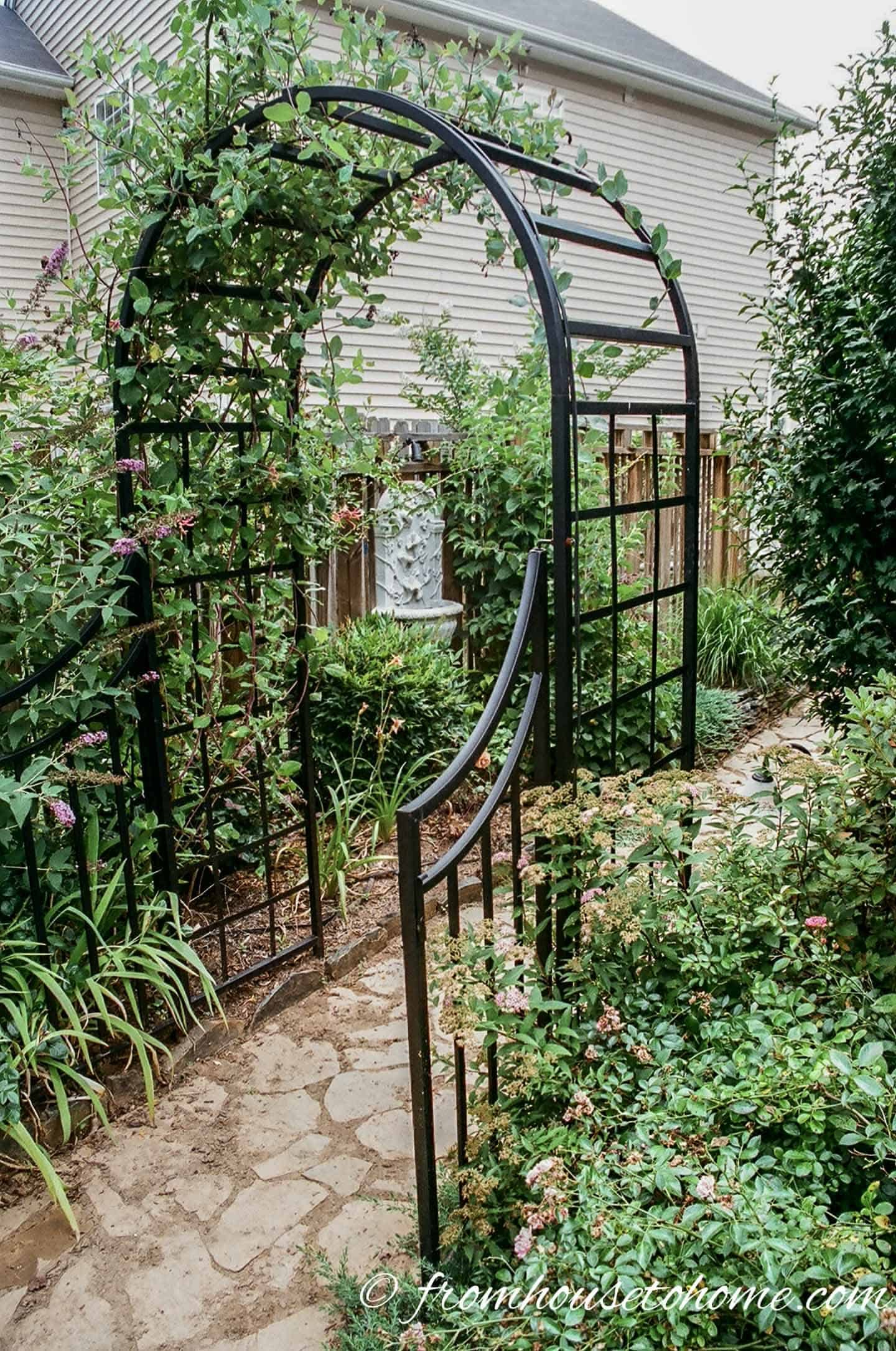
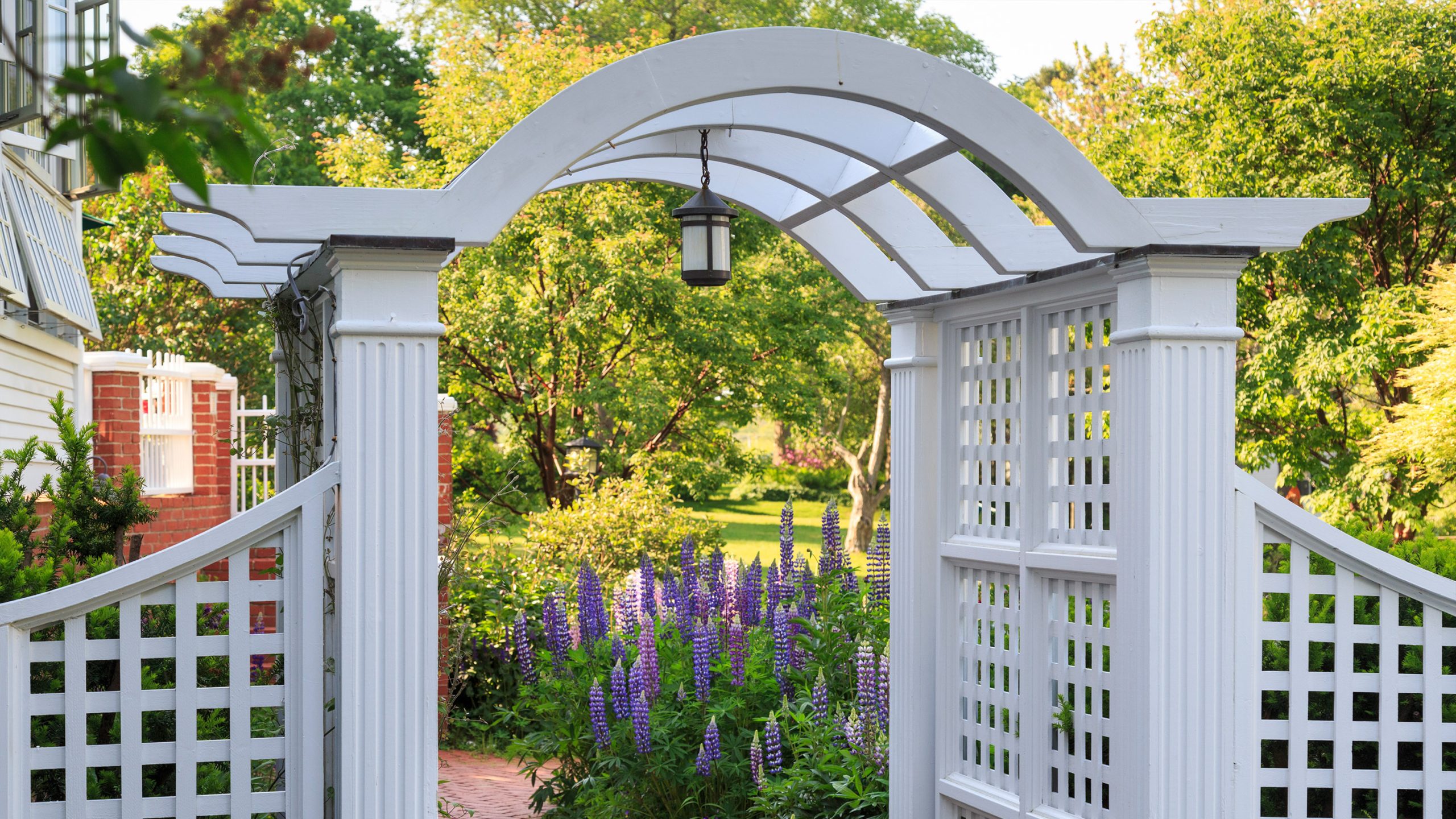
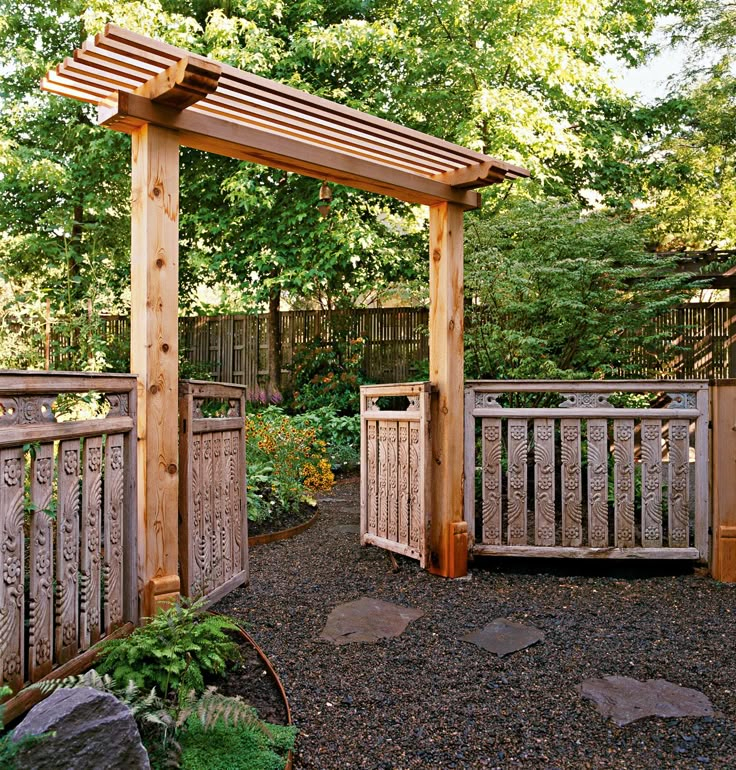
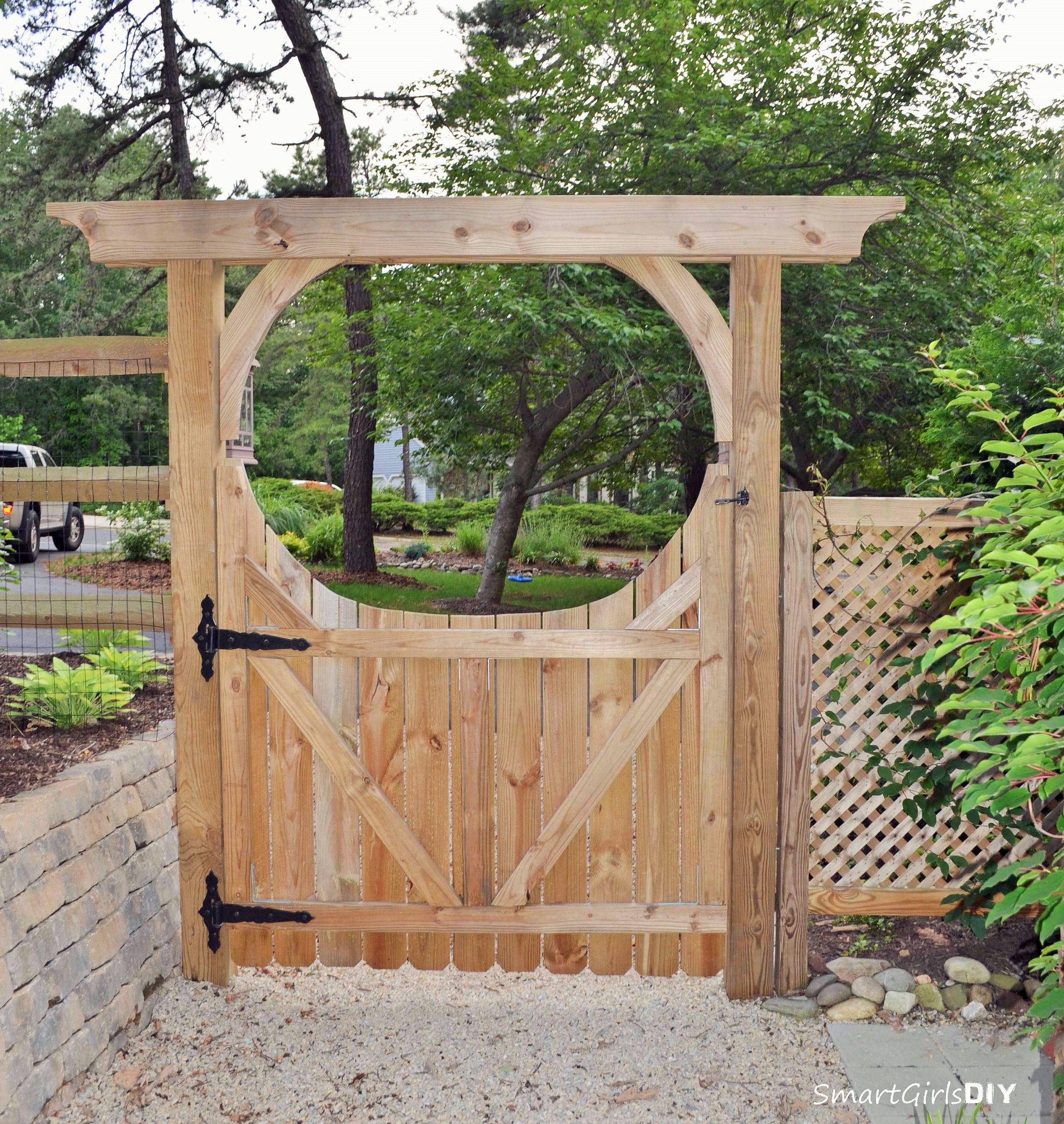
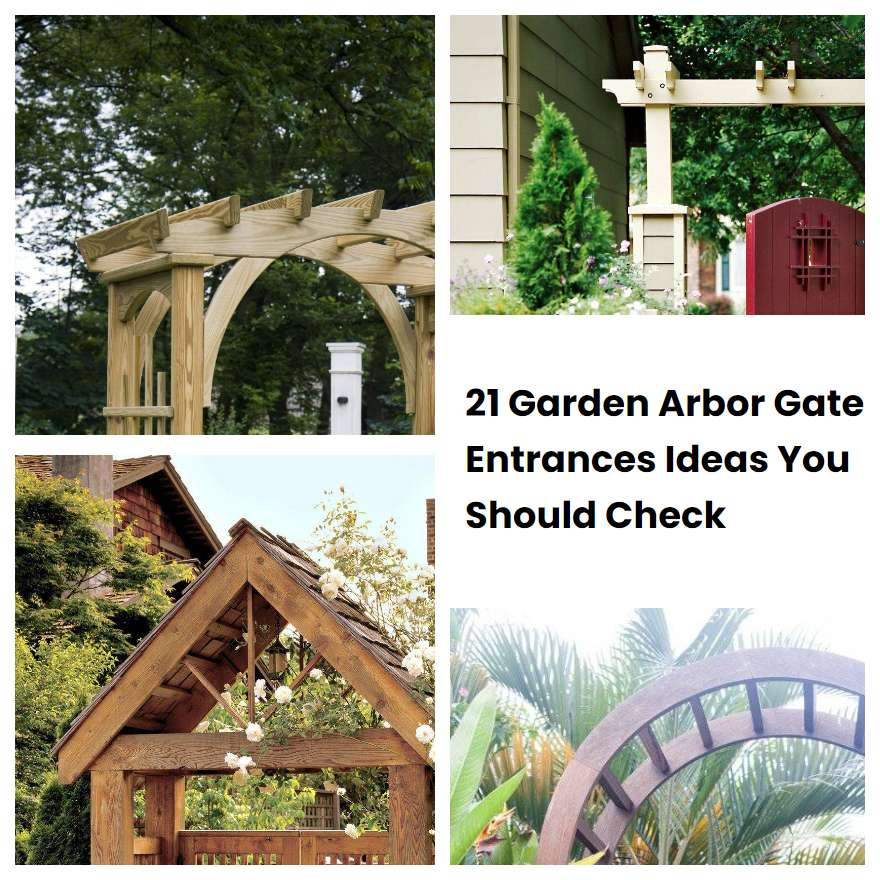
There is something magical about walking through an archway covered in greenery. It feels like stepping into a secret garden, doesnt it? Even if your backyard is the size of a postage stamp, you can create that feeling. But here is the thing: pretty structures often sag, wobble, or rot after just one season. Especially when they are squeezed into tight corners where moisture lingers and wind tunnels form. You want beauty, sure. But you also want something that wont fall over when you lean against it to take a selfie or when the winter snow gets heavy.
Installing an arbor gate in a small yard is tricky. You have less room for error. You cant just dig huge holes for massive concrete footings because you might hit utility lines or ruin your neighbors pristine lawn. And lets be honest, most "easy" DIY kits are flimsy. They look great in the box but feel like balsa wood once assembled. This guide is for the person who wants to get their hands dirty and build something real. Something sturdy. We are talking about practical, no-nonsense advice for 2026 homeowners who value craftsmanship over quick fixes. Lets make your small space feel grand without sacrificing stability.
Choosing Materials That Defy the Elements
The first mistake people make is buying the cheapest wood at the big box store. Cedar and redwood are beautiful, naturally resistant to rot, and smell amazing. But in 2026, prices for these hardwoods have skyrocketed. For a small yard project, you might consider pressure-treated pine as a budget-friendly alternative, provided you seal it properly. However, if you can stretch the budget, composite materials or vinyl-clad wood options have improved drastically in recent years. They dont warp as easily as traditional lumber when exposed to the fluctuating humidity of a cramped garden space.
When selecting your lumber, look for pieces that are straight and free of large knots. Knots are weak points. In a small structure, every joint matters. You will likely need 4×4 posts for the uprights and 2x4s or 2x6s for the crossbeams and lattice. Avoid using 2x2s for any structural part; they snap too easily. If you are going for a modern look, metal brackets reinforced with stainless steel screws are your best friend. Wood moves. Metal holds. The combination creates a frame that breathes but doesnt break. Just remember to use galvanized or coated hardware to prevent rust stains from ruining your fresh paint job.
Another tip? Pre-stain or seal your wood before you even cut it. I know, it sounds tedious. But once that arbor is up, reaching the back side of a post near a fence is a nightmare. By treating all six sides of every board beforehand, you ensure maximum protection against moisture. This is crucial in small yards where airflow is often restricted by surrounding fences or walls. Trapped moisture is the enemy of longevity. A little extra prep work now saves you from scraping and restaining in two years. Trust me on this one.
Mastering the Footings in Tight Spaces
You cant build a sturdy gate on shaky ground. In larger yards, you might pour deep concrete footings. But in a small yard, you need to be smarter. Digging deep holes can be dangerous if you are close to property lines or existing structures. Instead, consider using helical piles or screw-in anchors. These are metal spikes that twist into the ground, providing incredible holding power without the mess of wet concrete. They are perfect for retrofitting into established gardens where you dont want to disturb existing root systems or irrigation lines.
If you do go the traditional route with concrete, keep the footings below the frost line. This varies by region, so check your local building codes for 2026 standards. In many places, that means digging at least 12 to 18 inches down. Use sonotubes (cardboard forms) to keep the concrete contained and neat. Here is a pro tip: insert a J-bolt into the wet concrete while it sets. This allows you to bolt your wooden posts directly to the foundation later, rather than burying the wood in the ground. Buried wood rots. Bolted wood lasts. It is a simple change that doubles the lifespan of your arbor.
Space is tight, so precision is key. Measure twice, dig once. Use a string line to ensure your posts are perfectly aligned. If the posts are even slightly off, your gate will bind or hang crookedly. In a small space, visual errors are amplified. A gate that looks five degrees off-center will drive you crazy every time you walk through it. Take the time to get the layout perfect. Use a level constantly. Not just once, but every step of the way. Check for plumb (vertical straightness) and level (horizontal straightness). It is boring, yes. But it is the difference between a professional-looking installation and a DIY disaster.
Designing for Proportion and Flow
Small yards require delicate proportions. A massive, bulky arbor will overwhelm a tiny patio, making the space feel even smaller. Aim for a design that is light and airy. Lattice work is your best tool here. It provides structure for climbing plants without creating a solid wall that blocks light. Consider a curved top rather than a flat beam; it draws the eye upward and adds a sense of elegance. In 2026, minimalist designs with clean lines are trending, but a classic cottage style with scalloped edges still has its place. Choose a style that matches your home’s architecture.
The width of the gate matters too. Standard gates are 36 inches wide. In a small yard, this might be perfect. But if you plan to move furniture or large pots through the opening, consider a double gate or a wider single span. Just remember, wider gates are heavier and require stronger hinges. If space allows, a 4-foot width feels more inviting. But if you are constrained, stick to 3 feet. It is enough for a person to walk through comfortably. Dont sacrifice functionality for aesthetics. If you have to squeeze through sideways, you will stop using the gate. And then what was the point?
Think about the view from inside the house as well. The arbor should frame a nice view, not block it. Position it so that when you look out your window, you see the garden beyond, not just the back of a wooden structure. This creates depth. It tricks the eye into thinking the yard is larger than it is. Planting strategies play a role here too. Use vertical growers like clematis or jasmine on the arbor, but keep the ground plane open. Clutter on the ground makes small spaces feel chaotic. Let the arbor be the star. Keep the surroundings simple.
Hardware Hinges and Latches That Hold Up
This is where most DIY projects fail. People spend hours building a beautiful frame and then slap on cheap, lightweight hinges. Dont do that. Your gate will sag within weeks. Invest in heavy-duty T-hinges or strap hinges made of stainless steel or brass. These distribute the weight of the gate across a larger area of the post, reducing stress on the screws. For a small arbor gate, two hinges are usually sufficient, but make sure they are rated for outdoor use and the weight of your specific door.
The latch mechanism needs to be equally robust. A simple gravity latch works well for garden gates. It allows the gate to self-close, which is important if you have pets or kids. Ensure the latch engages securely. There is nothing more annoying than a gate that blows open in the wind. In small yards, wind can funnel through gaps, creating surprising pressure. Test the latch repeatedly during installation. Adjust the strike plate until the click is satisfying and solid. That sound? That is the sound of quality.
Pre-drill all your screw holes. Wood splits, especially near the ends of boards. Splitting weakens the joint. By drilling pilot holes slightly smaller than the diameter of your screw shank, you allow the threads to bite into the wood without forcing it apart. Use exterior-grade deck screws, not nails. Nails pull out over time as wood expands and contracts with weather changes. Screws hold tight. If you want extra security, add a diagonal brace to the gate itself. This prevents the rectangular frame from racking (turning into a parallelogram) over time. It is a small addition that makes a huge difference in durability.
Integrating Plants Without Breaking Structure
An arbor is not just wood; it is a trellis for life. But plants add weight. A mature wisteria vine can weigh hundreds of pounds. In a small yard, you might be tempted to plant aggressive growers. Be careful. Choose plants that are manageable. Clematis, honeysuckle, or climbing roses are good options. They provide beauty without the destructive force of thick, woody vines that can pry joints apart. If you do want wisteria, ensure your structure is over-engineered. Use thicker beams and stronger connections.
Leave space for growth. When you first install the arbor, it will look bare. Resist the urge to overcrowd it with potted plants at the base. Give the roots room to breathe. As the vines grow, train them gently along the lattice. Do not let them twine around the structural posts if possible; instead, guide them across the horizontal beams. This makes pruning easier and reduces the risk of the plant girdling the wood. Pruning is essential. In small spaces, unchecked growth becomes a jungle quickly. Keep it tidy.
Consider the sunlight. Small yards often have shadowed corners. Know your orientation. If the arbor is in full sun, choose drought-tolerant plants. If it is shady, go for ferns or hydrangeas. Matching the plant to the microclimate ensures health and reduces maintenance. A healthy plant is lighter and less prone to disease, which means less decay near your wooden structure. It is a symbiotic relationship. The arbor supports the plant, and the plant softens the arbor. Treat both with care.
Once the structure is up and the gate is swinging smoothly, step back. Look at it. Does it feel right? Maybe it needs a coat of paint. Or maybe the natural wood tone is enough. If you paint, use high-quality exterior latex or oil-based paint. Apply two coats minimum. Pay attention to the end grains of the wood. These act like straws, sucking up moisture. Seal them thoroughly. This is the number one spot where rot starts. A little dab of sealant on the cut ends can save your project from premature failure.
Maintenance is not a one-time event. It is a habit. Once a year, inspect the hinges and tighten any loose screws. Wood shrinks and swells, so fasteners can work themselves loose. Check for signs of insect damage or rot, especially at the base of the posts. Catching a small problem early prevents a big repair later. Clean the lattice gently with a hose to remove dust and pollen buildup, which can encourage mold. Keep it fresh.
Enjoy the space. Sit under the arbor. Drink your coffee there. Watch the light change through the leaves. That is why you built it. It is not just a gate; it is a destination. In a small yard, every square foot counts. By making this corner special, you elevate the entire garden. It becomes a place of retreat. A place of beauty. And knowing it is sturdy and safe allows you to relax completely. That is the true success of the project. Not just that it stands, but that it serves you well for years to come.
So, grab your tools. Measure your space. And start building. It is easier than you think, and the reward is immeasurable. Your small yard deserves a grand entrance. Give it one.