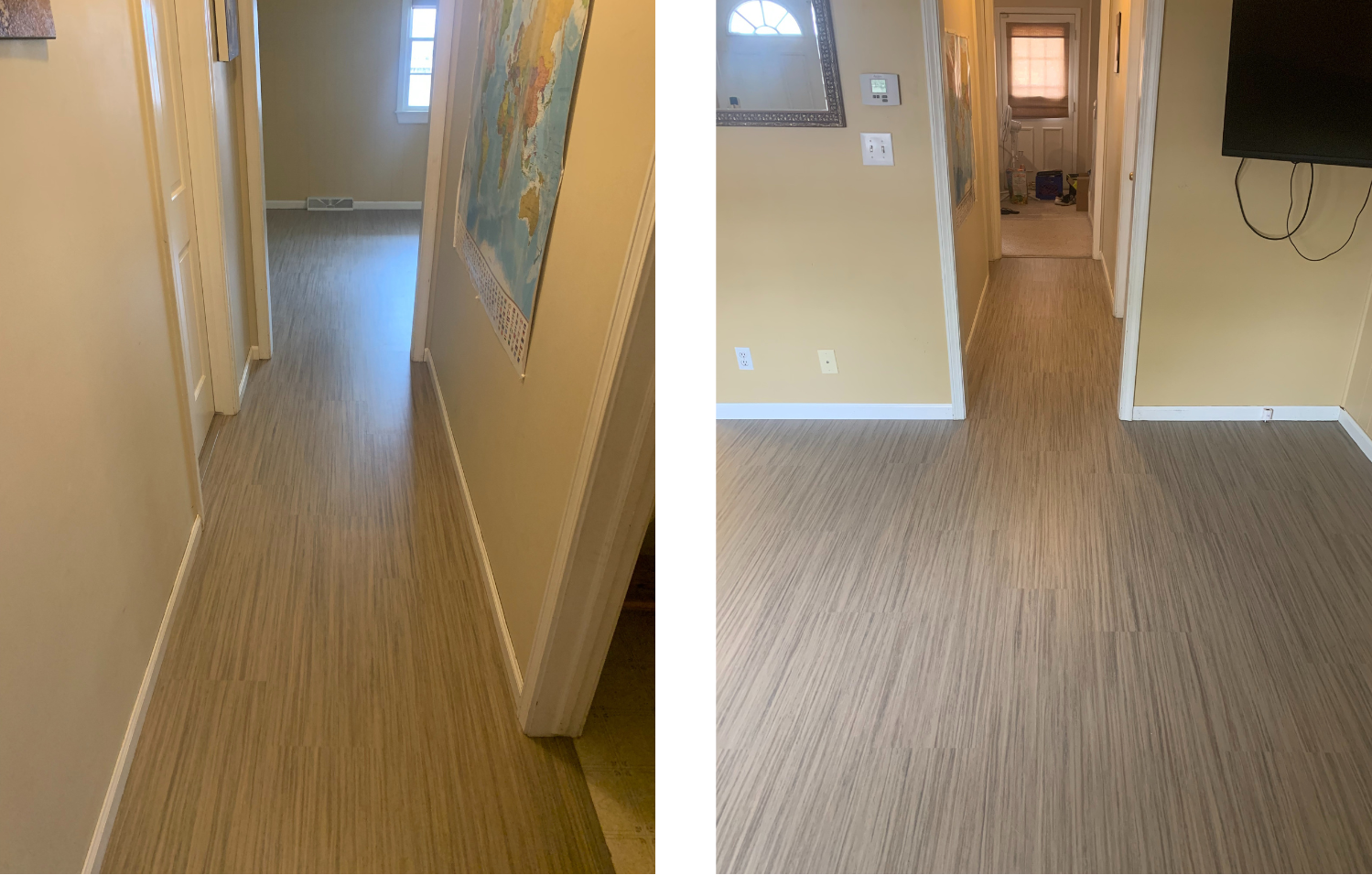
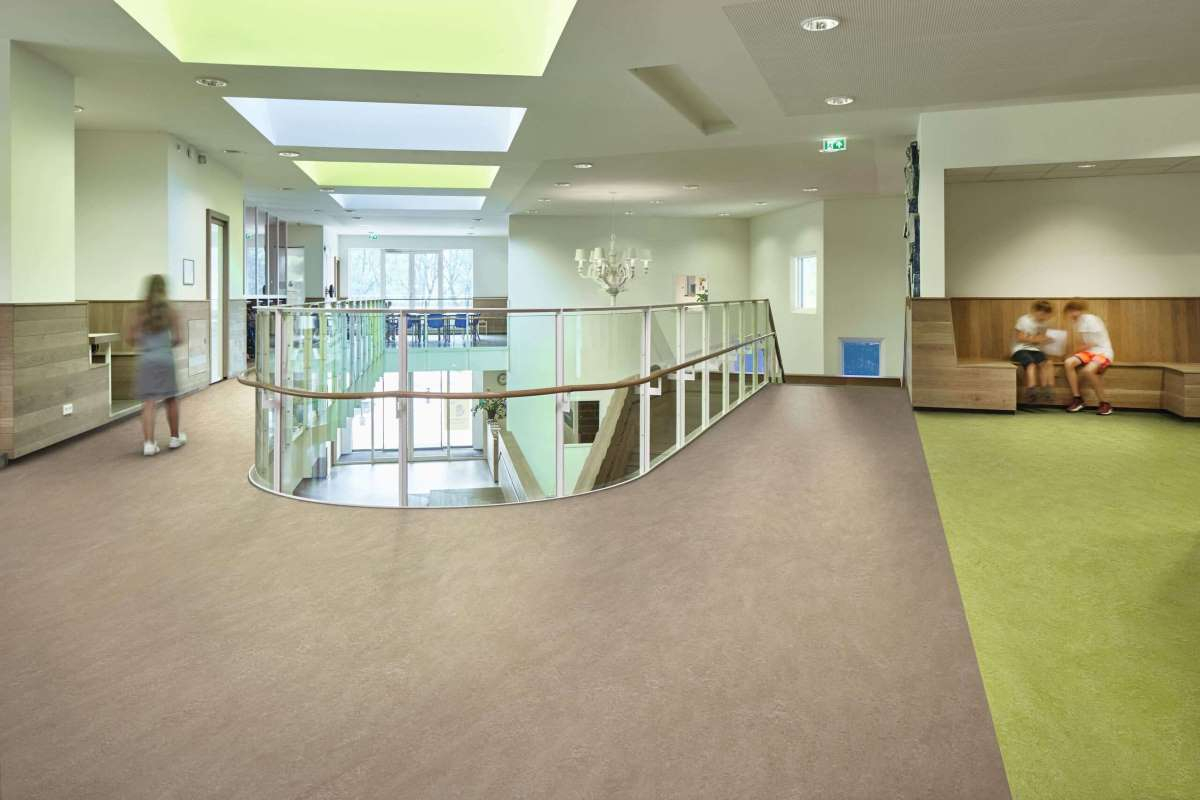
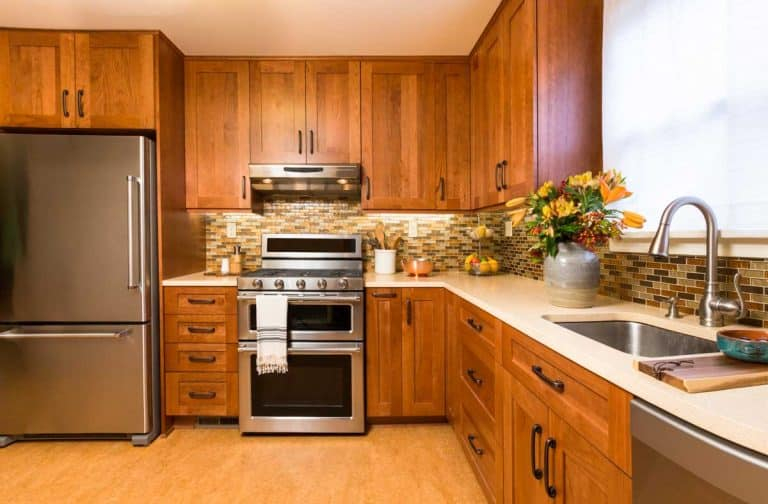
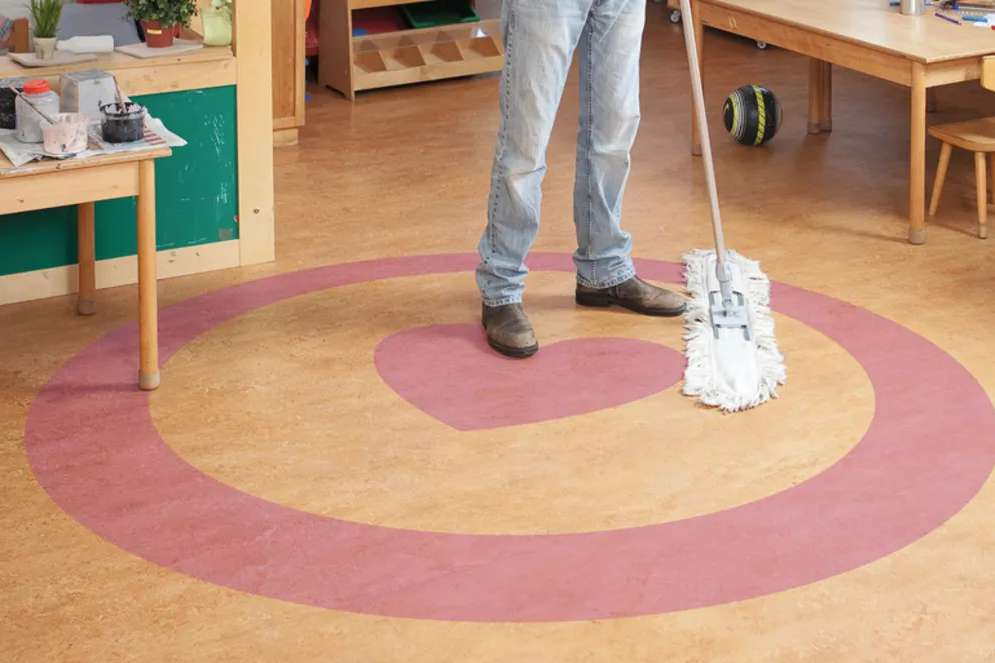
We’ve all been there. Standing in the middle of a room, staring at the floor, feeling that weird mix of excitement and dread that comes with renovating. You want something that looks good, sure. But lately, it feels like we want more than just aesthetics. We want our homes to feel safe. Clean. Alive, even. In 2026, the conversation around home design has shifted hard toward health. It’s not just about what looks nice on Instagram anymore. It’s about what you’re breathing in. What your kids are playing on. And honestly? The floor is the biggest surface area in your house. It matters.
That’s where Marmoleum steps back into the spotlight. If you remember linoleum from your grandparents’ house, you might be picturing cracked, yellowing sheets. Forget that. This isn’t your grandma’s linoleum. Well, it is, but better. Much better. It’s having a massive revival right now, and for good reason. It’s natural. It’s tough. And it actually helps keep your indoor air cleaner. Let’s dig into why this stuff is becoming the go-to for anyone trying to build a healthier home this year.
The Ingredients Matter More Than You Think
Let’s get one thing straight: most flooring is basically plastic. Vinyl? Plastic. Laminate? Glued-up wood dust and plastic resins. Even some "eco" options have hidden chemicals. Marmoleum is different because its recipe is shockingly simple. It’s made from linseed oil (pressed from flax plants), pine rosin, wood flour, limestone powder, and jute. That’s it. These are materials that come from the earth, not a chemical lab.
Think about that for a second. Linseed oil oxidizes and hardens over time, which is why the floor gets tougher as it ages. The pine rosin acts as a binder. The jute backing is a natural fiber woven like burlap. There are no PVCs, no phthalates, and no heavy metals. In 2026, when we’re all hyper-aware of microplastics and volatile organic compounds (VOCs), knowing exactly what’s under your feet is a huge relief. You aren’t off-gassing weird smells into your living room for months after installation. It’s just… nature.
This transparency is key. When you buy Marmoleum, specifically from major producers like Forbo, you know the source. It’s cradle-to-gate CO2 neutral. That means the production process doesn’t add extra carbon to the atmosphere compared to what the natural ingredients absorbed. It’s a closed loop that actually makes sense. For homeowners who are tired of greenwashing—where companies claim to be eco-friendly but aren’t really—this is the real deal. It’s verifiable. It’s honest. And it feels good to walk on something that doesn’t feel like a compromise.
Your Floor Can Actually Fight Germs
Here’s the part that really blew my mind when I first learned about it. Marmoleum is naturally antimicrobial. It doesn’t need a special coating or a chemical spray to kill bacteria. It’s built into the material itself. Studies have shown that it can reduce the presence of harmful bacteria like MRSA and E. coli by up to 99.9% within 24 hours. In a post-pandemic world, where hygiene is still a top priority for families, this is a game-changer.
How does it work? It’s mostly due to the linseed oil. As the oil cures, it creates a surface that bacteria just don’t like. They can’t thrive on it. Compare that to vinyl or carpet, which can harbor dust mites, mold spores, and bacteria in their tiny crevices. Carpet is basically a giant filter that traps everything until you vacuum it out—and let’s be real, we don’t vacuum perfectly every day. Marmoleum is smooth. It’s non-porous. Dirt stays on the surface where you can wipe it away.
This makes it incredible for kitchens, bathrooms, and entryways. Places where messes happen. Places where health matters most. If you have allergies or asthma, switching to Marmoleum can literally change how you breathe in your own home. It’s antistatic too, so it doesn’t attract dust like synthetic floors do. Less dust means less cleaning. Less cleaning means more time doing things you actually enjoy. It’s a small shift in material that leads to a big shift in daily life. Who wouldn’t want a floor that helps clean itself?
Durability That Defies the "Disposable" Culture
We live in a throwaway culture. Things break, we toss them. But flooring shouldn’t be disposable. Marmoleum is famously durable. It’s resilient. That means it has a bit of give. If you drop a plate, it might bounce rather than shatter. If you stand on it for hours while cooking, your back won’t hate you as much as it would on concrete or tile. It’s warm underfoot, which is a nice bonus in colder months.
But the real kicker is the wear layer. Modern Marmoleum comes with protective finishes like Topshield pro, which makes it resistant to scratches and scuffs. It’s not invincible—nothing is—but it handles high traffic like a champ. Schools and hospitals have used linoleum for decades because it lasts. Now, that same durability is available for your hallway. In 2026, with supply chains still being unpredictable and costs rising, buying something that lasts 30 or 40 years is smart economics.
Plus, it ages beautifully. Unlike vinyl, which looks worse as it scratches, Marmoleum develops a patina. The colors deepen. The character grows. If you do get a deep scratch, you can often buff it out because the color goes all the way through the material, not just printed on top. This "through-color" feature is rare in modern flooring. It means you aren’t hiding damage; you’re managing it. It’s a floor that grows with your home, rather than needing to be replaced every ten years because it looks tired.
Design Versatility Beyond the Beige
For a long time, natural flooring meant boring. Beige tiles. Brown sheets. Not anymore. The design options for Marmoleum in 2026 are wild. You can get it in sheets, tiles, or planks that look like wood or stone. The color palette is vast, ranging from soft pastels to bold, vibrant hues. You can create patterns. You can mix and match. It’s not just functional; it’s a design element.
Interior designers are loving this because it allows for creativity without sacrificing sustainability. Want a terrazzo look? They have tiles for that. Want the warmth of oak but without the deforestation issues? There’s a plank style for that too. The printing technology has improved so much that you can get realistic textures while keeping the natural core. It bridges the gap between the rustic charm of natural materials and the sleek precision of modern design.
And let’s talk about installation. Because it comes in different formats, it can fit almost any space. Sheets are great for seamless looks in kitchens. Tiles allow for custom patterns in foyers. Planks are perfect for living areas where you want that traditional wood vibe. This flexibility means you don’t have to compromise your style to make a healthy choice. You can have both. In fact, having a unique floor pattern can become a conversation starter. It shows you care about the details. It shows you’ve thought about where your materials come from.
Easy Maintenance for Busy Lives
Let’s be honest. Most of us are busy. We don’t have time for floors that need waxing, polishing, or special pH-balanced cleaners. Marmoleum is low maintenance. Really low. A quick sweep or vacuum removes the dust. A damp mop with a mild, neutral cleaner keeps it shining. That’s it. No stripping. No refinishing. No harsh chemicals.
This simplicity is a huge selling point for modern families. You aren’t spending your Saturday morning on your hands and knees scrubbing grout lines or buffing vinyl. The surface is smooth and sealed, so spills wipe up easily. Coffee, wine, mud—it doesn’t stain if you catch it reasonably quickly. And because it’s antimicrobial, you don’t need to use bleach or strong disinfectants to keep it sanitary. Water and soap are usually enough.
This ease of care also extends to its environmental impact over its lifetime. You aren’t buying bottles of specialized floor cleaner every month. You aren’t using electricity to run buffer machines. You’re just living on it. It fits into a lifestyle that values efficiency and simplicity. In 2026, when time is our scarcest resource, having a home that requires less upkeep is a luxury. It frees you up to do other things. Like, I don’t know, actually enjoying your home.
Okay, let’s talk money. Marmoleum isn’t the cheapest option upfront. You’ll pay more than you would for basic vinyl sheet goods. But is it expensive? Not really. When you look at the lifecycle cost, it’s competitive. Remember, it lasts decades. Vinyl might need replacing in 10-15 years. Hardwood needs refinishing. Marmoleum just keeps going. When you spread the cost over 30 years, it’s actually quite affordable.
Plus, there’s the value add. Homes with healthy, non-toxic materials are becoming more desirable. Buyers in 2026 are educated. They ask about VOCs. They ask about sustainability. Having Marmoleum installed is a selling point. It signals that the home was built with care. It’s an investment in your health and your property value. It’s not just a floor; it’s an asset.
And don’t forget the hidden savings. Better indoor air quality can mean fewer allergy medications. Less time cleaning means more free time. Durability means no replacement costs. When you look at the whole picture, the initial price tag makes sense. It’s paying for quality. It’s paying for peace of mind. In a world where everything else feels uncertain, knowing your floor is safe and solid is worth every penny. It’s a choice that pays dividends in comfort and health every single day.
So, why choose Marmoleum in 2026? Because it’s natural. Because it’s healthy. Because it lasts. It’s not a trend; it’s a return to sense. We’ve spent decades covering our homes in plastics and glues, and now we’re realizing that maybe the old ways were smarter. Flax, pine, wood, jute. Simple ingredients. Complex benefits.
If you’re planning a renovation or just thinking about changing up your space, give it a look. Feel the warmth under your bare feet. Notice the lack of chemical smell. See the colors. It might just change how you think about your home. After all, we spend most of our lives indoors. We might as well make sure the ground beneath us is supporting our health, not undermining it. Marmoleum does exactly that. It’s a small step, but it’s one that feels really, really good.