There’s a specific kind of silence that happens when a really good door opens. It doesn’t creak. It doesn’t swing wide and hit the wall with a thud. It just… glides. You’ve probably felt it walking into a high-end hotel or a friend’s newly renovated modern home. That moment where the boundary between inside and outside dissolves without any fuss. That is the magic of the pivot entry.
For years, we treated doors as mere necessities. Hinges on the side, handle in the middle, push or pull. Functional, sure. But boring? Absolutely. In 2026, the conversation has shifted. Architects aren’t just looking for a way to keep the rain out. They are looking for an experience. They want the entry to set the tone before you’ve even taken off your shoes. And nothing does that quite like the clean, uninterrupted lines of a contemporary pivot door.
It’s not just about being fancy. Although, let’s be honest, they look incredible. It’s about how these doors respect the architecture around them. They don’t shout. They whisper. And in a world that is constantly screaming for our attention, that whisper is exactly what designers are craving. Let’s dive into why this specific mechanical detail has become the darling of modern residential design.
The Art of Invisible Mechanics
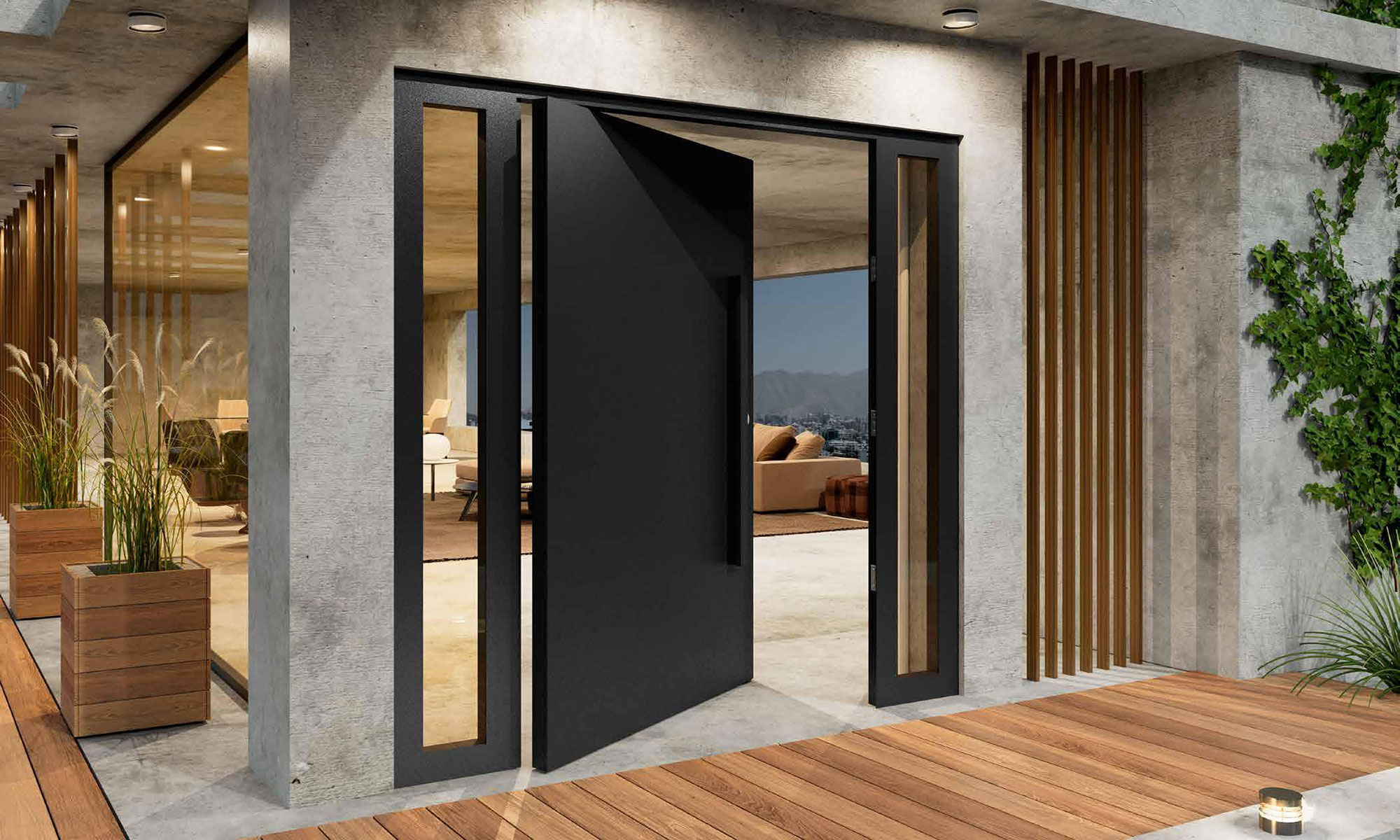
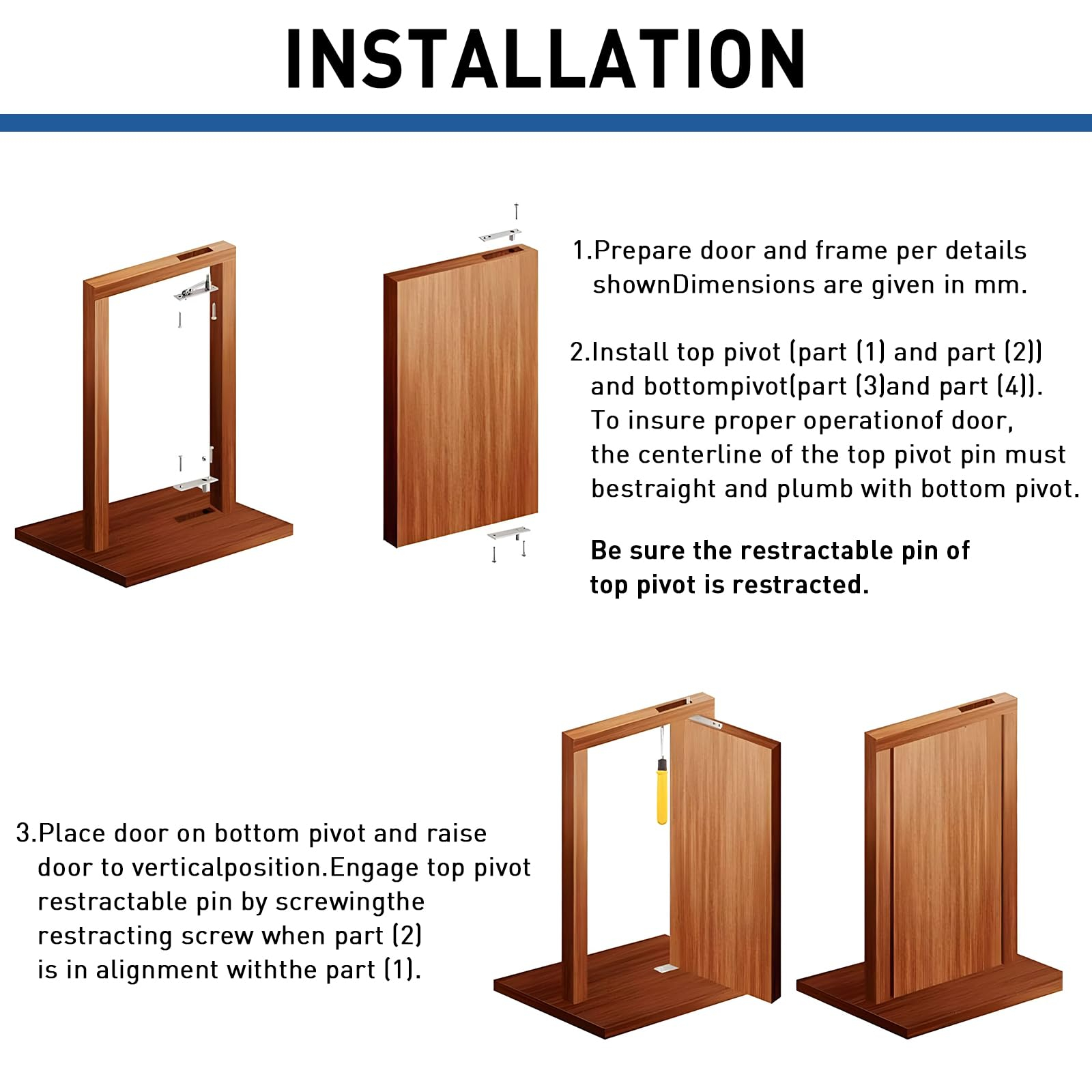
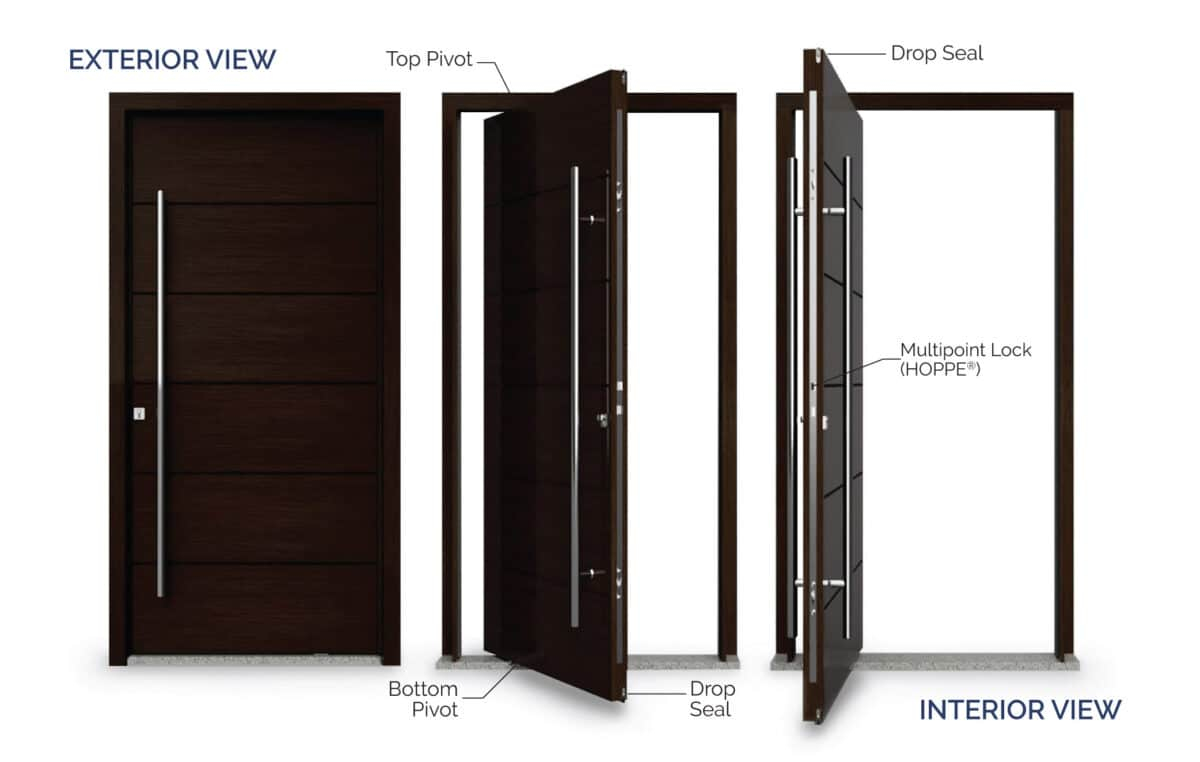
The first thing an architect notices about a pivot door is what isn’t there. Traditional hinges are visual clutter. They break up the vertical line of the door frame. They create shadows and breaks in the material. With a pivot system, the hardware is tucked away. Usually, there’s a pin at the top and one at the bottom, hidden within the thickness of the door and the floor.
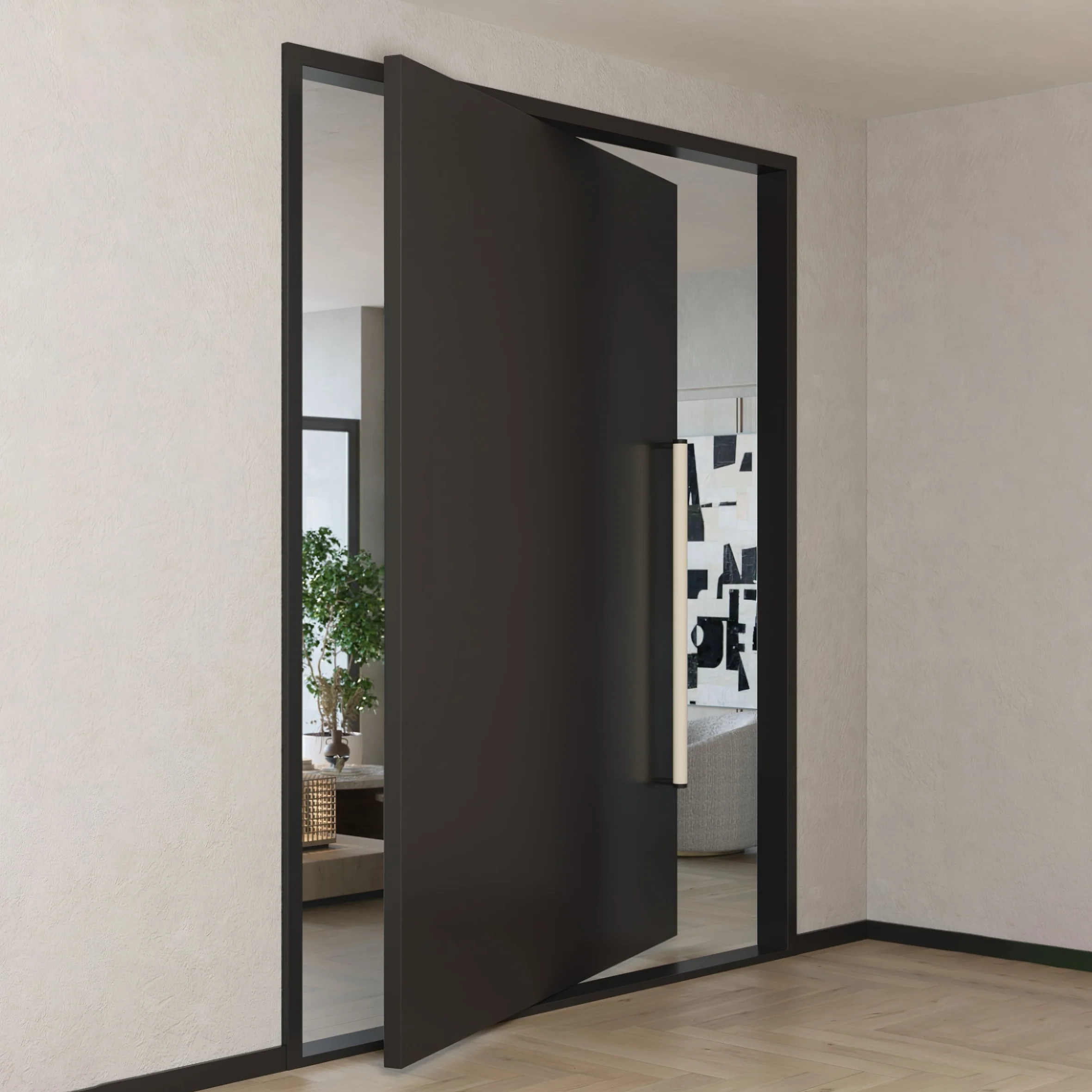
This invisibility is crucial for the "clean line" aesthetic. When you look at a pivot door, you see the material. Whether it’s richly grained walnut, charred Shou Sugi Ban wood, or sleek brushed metal, the surface remains unbroken. The mechanism lets the material do all the talking. There are no plates screwing into the jamb. No visible knuckles. Just a pure, flat plane that rotates.
This approach aligns perfectly with the minimalist trends dominating 2026 design. People want spaces that feel calm and uncluttered. By removing the visual noise of traditional hardware, the door becomes part of the wall rather than an object attached to it. It blends with the surrounding façade. This creates a sense of harmony that is hard to achieve with standard hinged entries. The door doesn’t look like an afterthought; it looks like it grew out of the floor.
Scale and Presence Without Bulk
One of the biggest headaches in contemporary design is scale. Modern homes often feature wide entryways and tall ceilings. A standard door can look puny in these spaces. You could double up doors, but then you have a center mullion breaking up the view. Or you could use a massive single leaf, but traditional hinges struggle with the weight. They sag. They bind. They look awkward.
Pivot doors solve this elegantly. Because the weight is carried by the floor and the header (the top of the frame), these doors can be enormous. We’re talking eight, ten, even twelve feet tall. And wide. Really wide. This allows architects to design grand entrances that feel impressive but not crowded. The movement feels calm and measured, even with a heavy slab of wood or glass.
This sense of scale changes how we experience a home. Walking through a oversized pivot entry feels ceremonial. It marks the transition from public to private in a way that a standard 36-inch door never could. Yet, because the lines are so clean, it doesn’t feel bulky. It feels light. The engineering supports the mass, allowing the design to remain airy. It’s a trick of physics that serves aesthetics beautifully.
Material Continuity and Flow
Think about the flow of materials in a well-designed home. The flooring might extend from the patio into the living room. The ceiling lines might run uninterrupted from inside to out. Traditional doors interrupt this flow. The frame creates a hard stop. A pivot door, especially when designed with care, minimizes that interruption.
Architects love this because it strengthens the connection between indoor and outdoor spaces. In 2026, blurring these lines is more important than ever. We want our homes to feel connected to nature. A pivot door with minimal framing allows the eye to travel seamlessly across the threshold. If the door is open, it’s almost like there’s no door at all. If it’s closed, it acts as a solid wall that matches the interior or exterior finish.
This versatility with materials is key. You can clad the exterior side in stone veneer to match the house, and the interior side in warm oak to match the floors. Because the pivot mechanism is internal, you don’t have to worry about hinge clearance or reveal gaps messing up the pattern. The door becomes a chameleon. It adapts to the context. This flexibility gives designers the freedom to shape distinct entries that feel custom-tailored to the specific home, rather than off-the-shelf components.
The Choreography of Movement
There is a tactile pleasure to using a pivot door. Have you ever noticed how a hinged door swings in an arc? The edge farthest from the hinge moves fast. The edge near the hinge barely moves. It’s uneven. A pivot door rotates around its center axis (or close to it). This means the movement is balanced. Both sides of the door move at the same speed.
This balance creates a sensation of ease. Pushing open a large pivot door requires surprisingly little effort if the bearings are good. It feels weightless. Architects describe this as "calm movement." It’s not jerky. It’s fluid. This physical experience contributes to the emotional impact of the space. Entering the home feels graceful. It sets a mood of tranquility before you’ve even stepped onto the rug.
In high-traffic areas or for people with mobility issues, this ease of operation is also practical. The smooth glide reduces the strain needed to open heavy, secure doors. But beyond utility, it’s about the ritual. The act of entering becomes a deliberate, pleasant motion. It turns a mundane task into a small moment of joy. That’s the kind of detail that separates a house from a home.
Blurring Furniture and Architecture
In recent years, we’ve seen a trend where architectural elements start to look like furniture, and vice versa. Pivot doors sit right at this intersection. They are structural, yes. But they also have the presence of a large, moving sculpture. Designers often combine minimalist door designs with bold, intentional pivot hardware to make these doors standout elements.
When the hardware is exposed—perhaps a beautiful bronze disc at the floor—it becomes a jewelry piece for the room. It draws the eye. It anchors the space. But even when hidden, the door itself acts as a dynamic element. It’s not just a hole in the wall; it’s a moving plane that reconfigures the space when opened. This adds a layer of interactivity to the architecture.
This blurring of lines makes every opening an experience. It adds a modern, elegant touch to interiors that static walls can’t achieve. In 2026, homeowners are looking for unique features that tell a story. A pivot door tells a story of precision, craft, and thoughtful design. It shows that the architect cared about how the building works, not just how it looks. It’s functional art. And people love living with art.
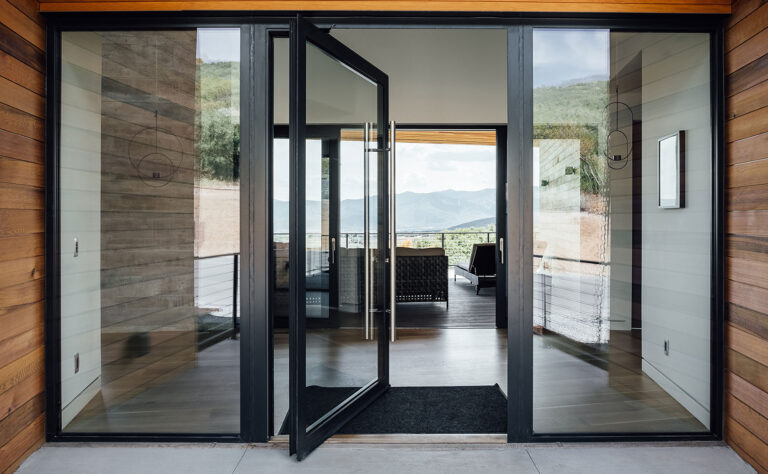
Contemporary design loves light. Floor-to-ceiling glass is standard in many new builds. But how do you put a door in a wall of glass without ruining the view? Traditional frames are thick and obtrusive. Pivot systems allow for slimmer profiles. They can support large panels of glass without needing bulky reinforcement around the edges.
This is huge for entries that want to maximize natural light. Imagine a front door that is mostly glass, pivoting smoothly to let the sun pour into the foyer. The clean lines of the pivot mechanism mean less metal blocking the view. The result is a serene, bright entrance that feels open and welcoming. Some designs even pair pivot doors with sidelights that operate independently, creating complex compositions of light and shadow.
Moreover, the integration with smart home technology is seamless. Motorized pivot doors are becoming more common. With a simple voice command or a sensor, the heavy door glides open silently. This tech integration doesn’t compromise the aesthetic. The motors are hidden. The clean lines remain. It’s the perfect marriage of old-world craftsmanship feel with new-world convenience. For architects, this means they don’t have to sacrifice beauty for functionality. They get both.
So, why do architects love these doors? It’s not just one thing. It’s the combination of invisible mechanics, grand scale, material honesty, smooth movement, sculptural presence, and light integration. It’s about creating an entry that respects the user and the environment. In a time where we are all seeking a bit more peace in our daily lives, the quiet confidence of a well-made pivot door offers exactly that.
It’s a small change in how a door hangs. But the impact is massive. It transforms the threshold from a barrier into an invitation. And really, isn’t that what a home should be? An invitation to rest, to connect, and to breathe. The next time you walk through a modern entry, pay attention to how it moves. You might just find yourself appreciating the silent elegance of the pivot.