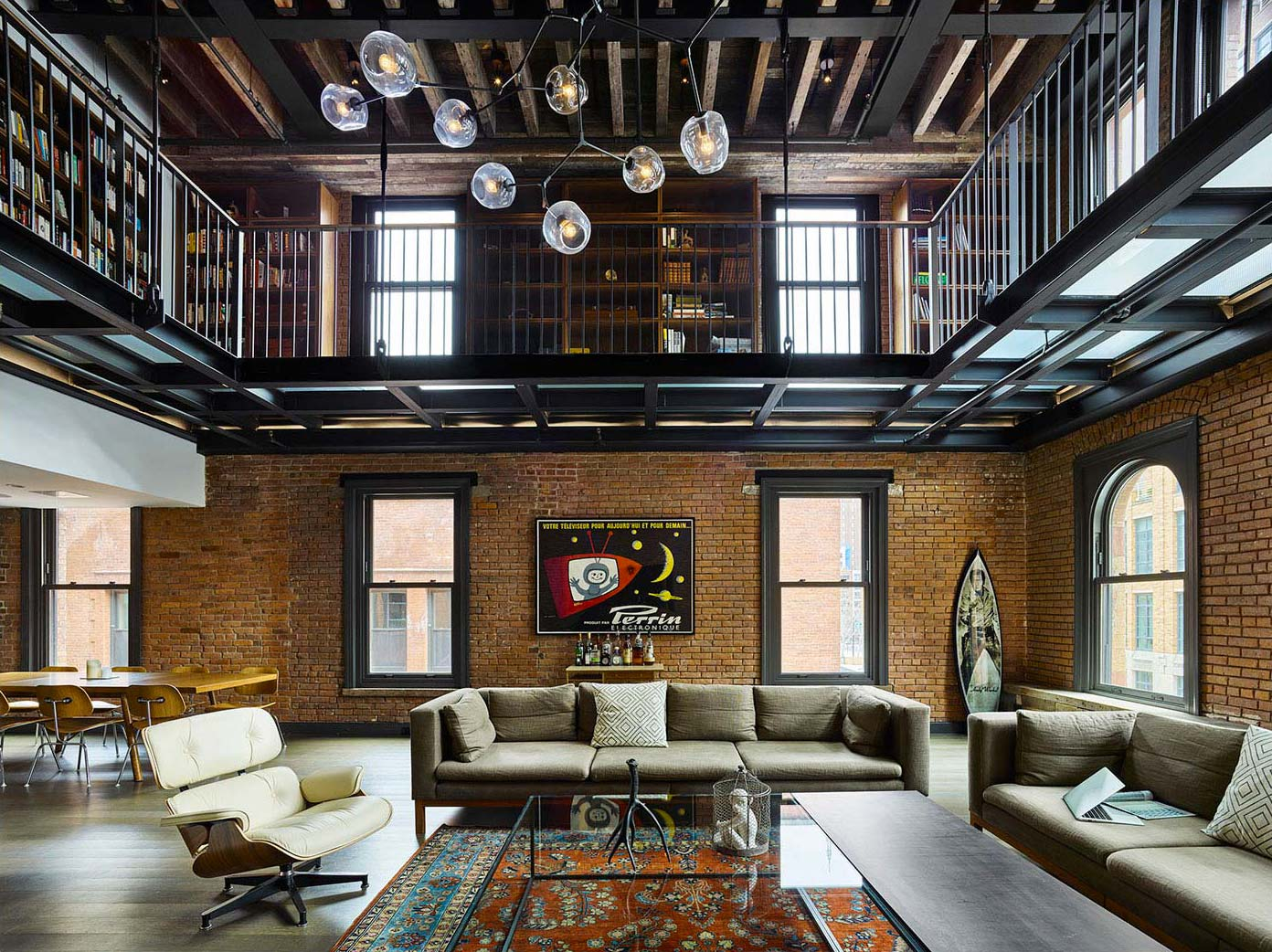
You know that feeling when you walk into a space that looks incredible in photos but feels like a museum? Cold. Distant. Untouchable. That’s the trap so many of us fall into with New York City lofts. We chase that gritty, warehouse-chic aesthetic—the exposed ductwork, the polished concrete floors, the massive windows—and we end up living in a beautiful box that doesn’t quite hug us back. It’s a common struggle, especially in 2026, where the line between "industrial chic" and "sterile showroom" has never been thinner.
But here’s the secret: industrial design doesn’t have to be hard. In fact, the raw bones of a loft are the perfect canvas for warmth. The contrast is what makes it sing. Think about it. The roughness of an exposed brick wall actually makes a soft wool throw feel softer. The cool touch of a steel beam makes the glow of a vintage lamp feel warmer. It’s all about balance. It’s about taking those hard, architectural elements that define the NYC loft experience and weaving in layers of comfort that make you want to kick off your shoes and stay awhile.
Let’s be real. Living in a city that never sleeps means your home needs to be the place where you finally can. It needs to breathe. It needs to hold you. This isn’t about covering up the industrial soul of your apartment. It’s about honoring it by adding the human touch. Whether you’re in a converted factory in Tribeca or a renovated warehouse in Bushwick, the principles remain the same. You don’t lose the edge by adding warmth. You just make it livable.
Taming the Open Floor Plan with Zones and Scale
One of the biggest challenges in a loft is the sheer volume of space. High ceilings and open floor plans are stunning, sure, but they can also feel echoing and empty if you don’t break them down. The trick isn’t to build walls—that defeats the purpose of a loft—but to create "rooms" within the room. You do this through zoning. Think of your furniture not just as places to sit, but as anchors that define areas for living, dining, and resting.
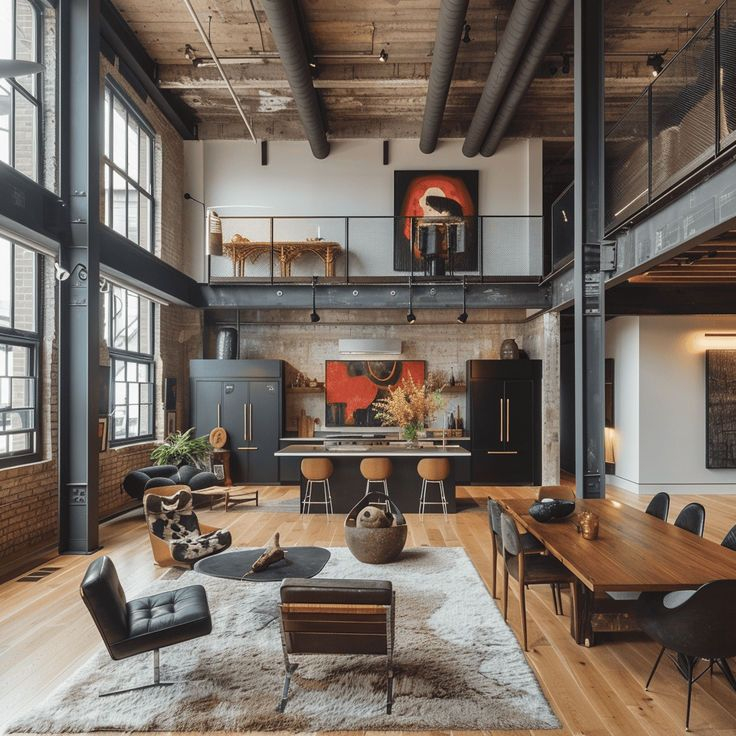
Start with the rug. It’s the most underrated tool in the industrial toolkit. A massive, plush area rug does more than just cover cold concrete; it visually pulls a seating arrangement together, creating an intimate island in a sea of open space. In 2026, we’re seeing a shift away from small, scattered rugs toward oversized, textured pieces that ground the entire living area. Look for natural fibers like jute or wool in earthy tones. They add immediate softness underfoot and absorb sound, which is crucial in those high-ceilinged spaces where noise tends to bounce around.
Scale matters too. Don’t be shy with your furniture. A tiny sofa in a cavernous loft looks lost. You need pieces with presence. A deep, low-profile sectional in a rich leather or a heavy velvet can stand up to the boldness of exposed beams. But here’s the key: balance that heaviness with lighter elements nearby. Maybe it’s a glass coffee table or a slim metal side table. This mix of visual weight keeps the space from feeling cluttered while ensuring it doesn’t feel sparse. It’s a dance between big and small, heavy and light.
Lighting: The Amber Glow That Changes Everything
If there’s one thing that kills the vibe of an industrial loft faster than anything else, it’s harsh, overhead lighting. Those bare bulbs hanging from wires? They’re iconic, yes, but they can cast a clinical, unforgiving glare if they’re the only source of light. To bring warmth into your space, you need to layer your lighting. Think of it like dressing in layers. You have your base, your mid-layers, and your accents. Lighting works the same way.
Start by dimming everything. Install dimmer switches on your main fixtures. It’s a small change that makes a huge difference in mood. Then, add ambient lighting at eye level. Floor lamps with fabric shades, table lamps with ceramic bases, or even wall sconces with brass finishes can cast a soft, diffused glow that bounces off those brick walls and creates a cozy atmosphere. The goal is to avoid shadows in the corners where people gather. You want the light to pool gently, not strike harshly.
And let’s talk about temperature. Stick to warm white bulbs, ideally around 2700K to 3000K. This amber hue complements the reds and browns in brick and wood, enhancing their natural beauty. Edison bulbs are still a staple for that vintage industrial look, but don’t rely on them alone. Pair them with softer sources. A pendant light with a frosted glass shade over the dining table, or a string of fairy lights tucked behind a bookshelf, can add that magical, twinkling quality that makes a space feel alive and inviting after sunset.
Textiles: Softening the Hard Edges
Industrial design is full of hard surfaces. Concrete, steel, glass, brick. While these materials are visually striking, they lack tactile comfort. That’s where textiles come in. They are the quickest, most effective way to inject warmth and softness into a loft. And I’m not just talking about throwing a pillow on a couch. I mean layering textures in a way that invites touch.
Think about your windows. Large industrial windows are amazing for light, but they can feel exposed and cold. Heavy, floor-length curtains in linen or velvet can frame these windows beautifully, adding height and softness. Even if you don’t close them often, the fabric adds a vertical element of warmth that breaks up the expanse of glass. Mix this with sheer panels for daytime privacy and light diffusion. The contrast between the heavy drape and the delicate sheer mirrors the balance you’re trying to achieve in the rest of the room.
Then there’s the seating. If you have leather sofas, balance them with chunky knit throws and oversized cushions in complementary colors. If your chairs are metal or wood, add seat pads or fur rugs underneath. The idea is to ensure that every surface you interact with has a soft counterpart. In bedrooms, this is even more critical. Layer your bed with multiple pillows, a quilt, and a duvet. Let the linens spill over the sides. This abundance of fabric signals comfort and relaxation, turning a stark bedroom into a sanctuary. Don’t be afraid to mix patterns either. A subtle plaid throw against a solid-colored sofa adds visual interest without overwhelming the space.
Material Mixing: Wood, Metal, and Earth Tones
The palette of an industrial loft often leans towards grays, blacks, and whites. While sleek, this monochrome approach can feel sterile. To warm it up, you need to introduce organic materials and earthy tones. Wood is your best friend here. It brings natural warmth and grain pattern that contrasts beautifully with smooth metal and rough concrete.
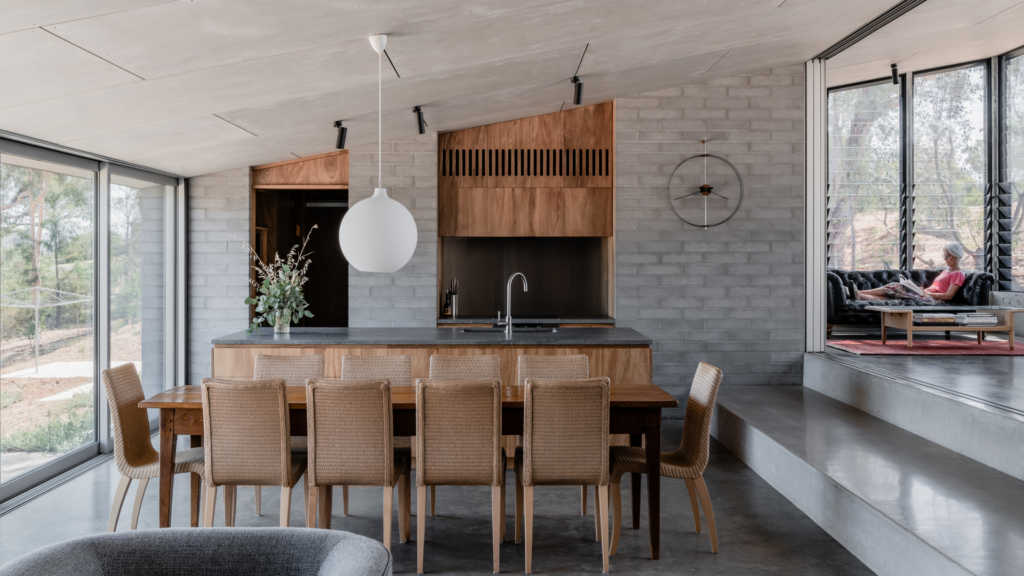
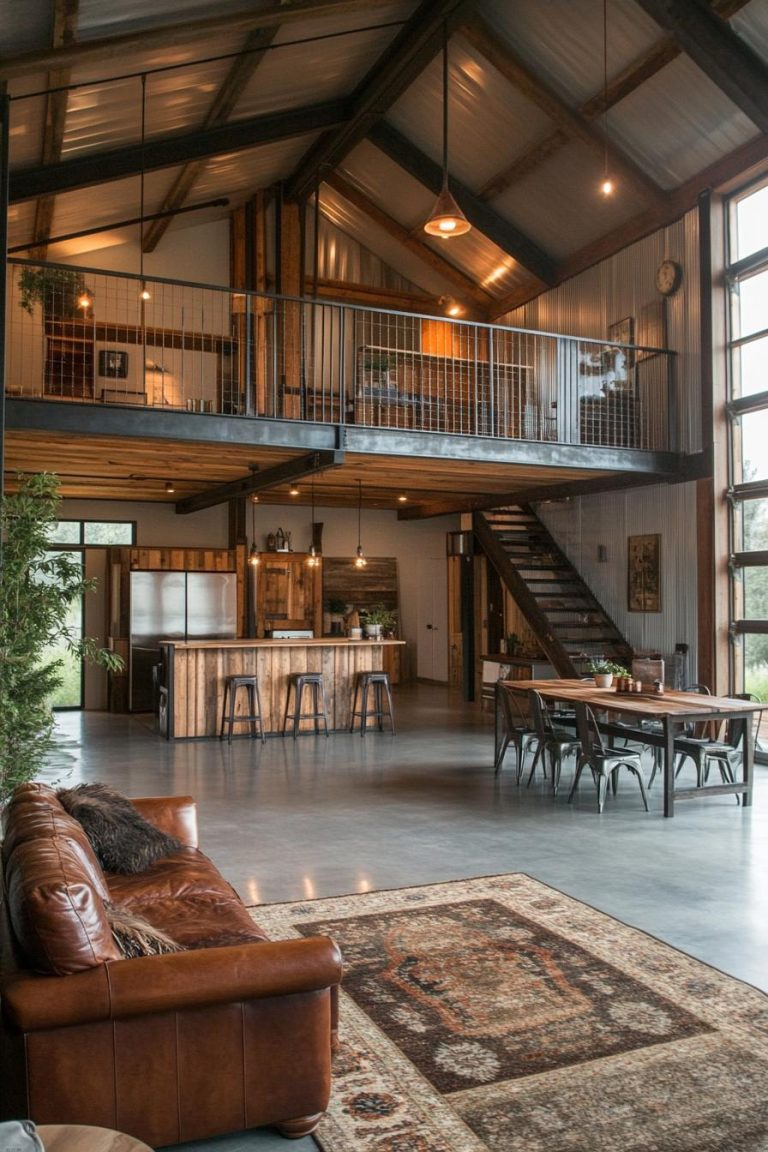
Incorporate wood through flooring accents, furniture, or shelving. Reclaimed wood is particularly fitting for the industrial aesthetic because it carries its own history and character. A large dining table made from reclaimed timber becomes a focal point that draws people together. Wooden shelves on brick walls add storage and display space while softening the hardness of the masonry. Even small touches, like wooden cutting boards in the kitchen or a wooden stool in the bathroom, can make a difference.
Metal doesn’t have to be cold chrome or black iron. Consider using warmer metals like brass, bronze, or copper for hardware, light fixtures, and decor accents. These metals develop a patina over time, adding depth and richness to the space. A brass faucet in the kitchen or bronze cabinet pulls can elevate the design from utilitarian to luxurious. Pair these with earthy tones in your decor—terracotta, olive green, mustard yellow, or deep rust. These colors connect the interior to the natural world, grounding the space and making it feel more inhabited and less like a stage set.
The Kitchen and Bathroom: Functional Warmth
Kitchens and bathrooms in lofts can often feel the most industrial, thanks to stainless steel appliances and tiled surfaces. But these are also the rooms where we spend a lot of our daily routines, so they need to feel welcoming. The key is to balance the functionality of these spaces with elements of comfort and personality.
In the kitchen, introduce warmth through open shelving made of wood. Display your favorite ceramics, glassware, or cookbooks. This not only adds visual interest but also makes the space feel lived-in. Add a runner rug in front of the sink or stove for comfort underfoot. Choose bar stools with upholstered seats rather than hard metal or wood. Lighting is crucial here too. Pendant lights over the island with warm bulbs can create a cozy gathering spot. Don’t forget the power of plants. A few herbs on the windowsill or a large potted plant in the corner can bring life and color to the space.
Bathrooms benefit from similar touches. Swap out cold metal accessories for ones in brushed brass or matte black with warm undertones. Add a wooden bath mat or a small stool for towels. Use textured towels in warm colors. If you have the space, a freestanding tub can become a sculptural element that invites relaxation. Mirror frames in wood or antique gold can soften the reflection and add a touch of elegance. Remember, these small details accumulate to create an overall feeling of care and attention, transforming utilitarian spaces into personal retreats.
Finally, the most important ingredient in balancing industrial edge with warmth is you. A loft shouldn’t look like it came straight out of a catalog. It should reflect your life, your interests, and your journey. This is where art, plants, and personal artifacts come into play. They break up the uniformity of industrial design and add soul.
Art is a powerful tool for adding color and personality. Large-scale paintings or photographs can soften a vast brick wall. Choose pieces that resonate with you, whether they’re abstract, landscape, or portrait. Don’t be afraid to mix mediums. A canvas painting next to a metal sculpture creates an interesting dialogue between soft and hard. Gallery walls can also work well, but keep them curated and cohesive to avoid clutter.
Plants are non-negotiable. They bring life, color, and oxygen into the space. Large leafy plants like fiddle leaf figs or monsteras can fill empty corners and add vertical greenery. Hanging plants can soften the lines of high ceilings. Smaller succulents or ferns can sit on shelves and tables. The organic shapes of plants contrast beautifully with the straight lines of industrial architecture. Plus, caring for plants adds a routine of nurturing to your home, reinforcing the idea that this is a living, breathing space.
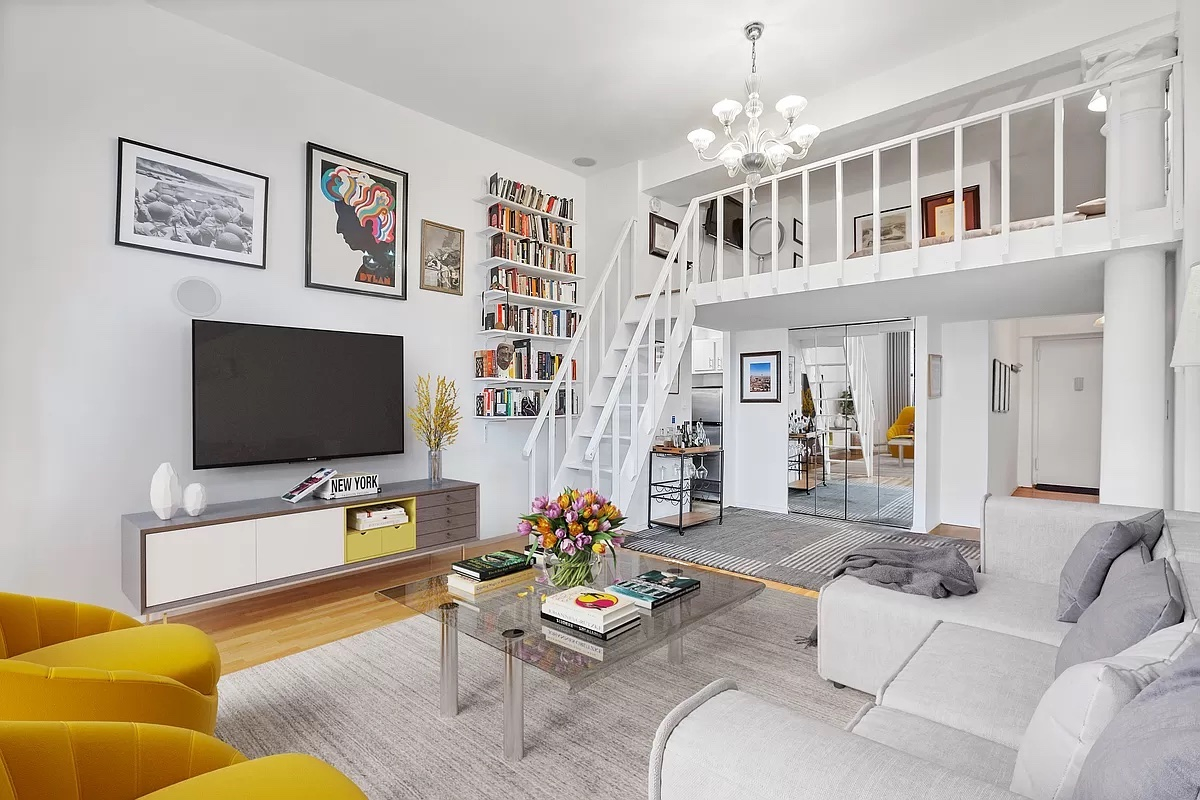
Lastly, display things that matter to you. Books, travel souvenirs, family photos, or handmade crafts. These items tell your story and make the space uniquely yours. They invite conversation and connection. A shelf filled with books feels warmer than an empty one. A table with a bowl of fruit feels more inviting than a bare surface. These lived-in details are what turn a house into a home. They remind you, and everyone who visits, that this space is for living, not just for looking.
So, as you look at your loft, remember that the goal isn’t to hide its industrial roots. It’s to celebrate them by wrapping them in comfort. It’s about finding that sweet spot where the raw beauty of the architecture meets the soft needs of human life. It takes time, experimentation, and a willingness to layer and adjust. But the result is a space that is not only stylish but also deeply comforting. A place where the edge remains, but the warmth welcomes you home.