There is something undeniably magnetic about an old house. You walk in, and the floorboards creak a familiar greeting. The light hits the stained glass just so, casting colorful patterns on walls that have seen decades of laughter, tears, and quiet moments. It feels alive. But let’s be honest—living in a century home isn’t always a fairy tale. Sometimes, it’s drafty. Sometimes, the wiring is from an era before we even had electricity as we know it. And often, you find yourself shivering in a beautiful room because the heating system is more decorative than functional.
So, how do you keep the soul of the place without sacrificing your sanity? It is a delicate dance. You want the charm, but you also want hot water on demand and Wi-Fi that doesn’t drop out every time it rains. In 2026, the approach to historic homes has shifted. We are no longer choosing between museum-piece preservation and gut-renovation modernization. Instead, we are finding a middle ground. A sweet spot where the past and present shake hands. This guide is for anyone who loves their old home but wants to live comfortably in it today.
Respect the Bones, Update the Bloodstream
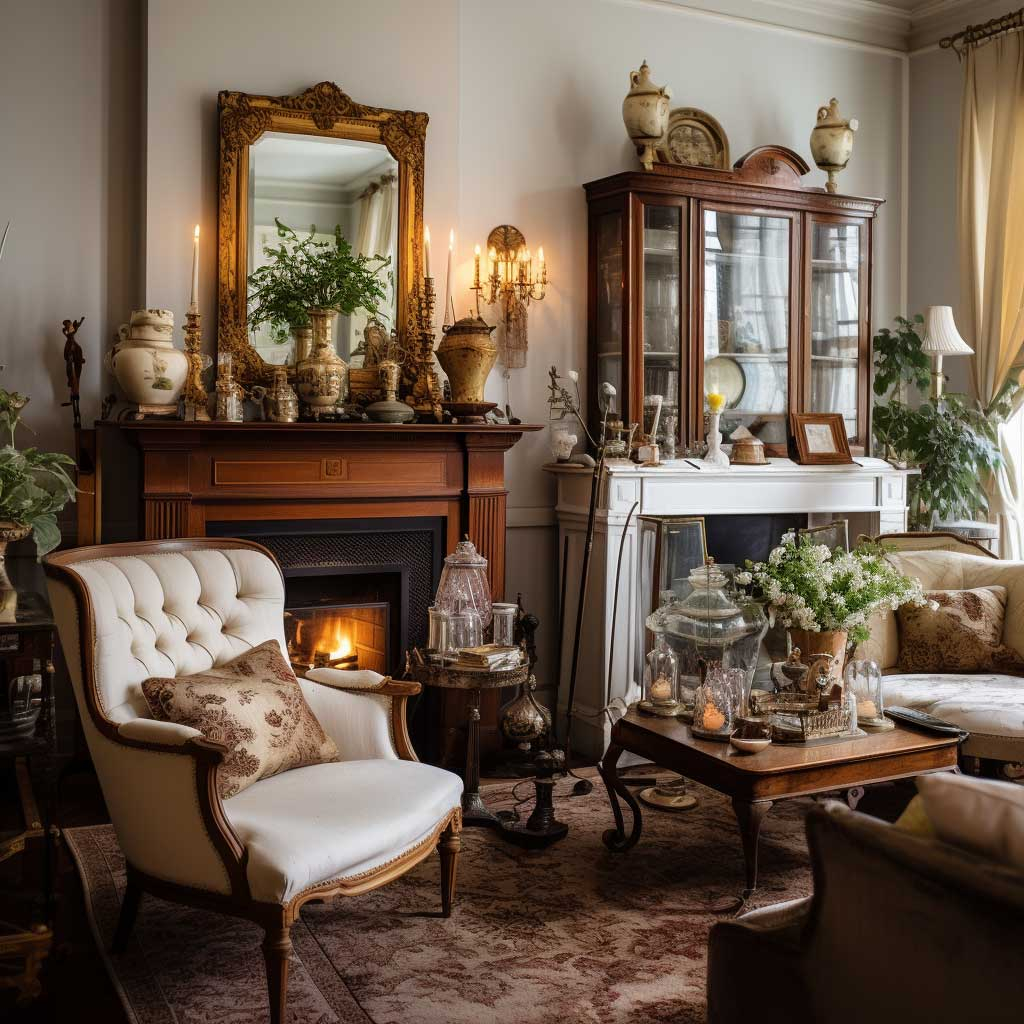
The first rule of thumb is simple: love what is already there. Those original crown moldings, the hardwood floors, the quirky built-in cabinets—they are the reason you bought the house. Stripping them away to make room for sleek, minimalist drywall is like erasing the character of a good friend. But honoring these features doesn’t mean you can’t improve the systems that run beneath them. Think of the historic features as the skeleton and the modern updates as the bloodstream.
Start by identifying the "non-negotiables." In many period properties, especially listed or heritage homes, certain elements are protected. Even if they aren’t legally protected, ask yourself what makes the house feel special. Is it the fireplace mantel? The high ceilings? Keep those pristine. Then, look at the infrastructure. Old homes often suffer from poor insulation and outdated electrical systems. Upgrading your wiring and plumbing is not just about convenience; it is about safety and efficiency. You can run new cables through existing chases or under floorboards without touching the visible plasterwork. It is invisible work that makes a massive difference.
Consider energy efficiency too. In 2026, sustainability is huge, but slapping solar panels on a Victorian roof might not be the right move if it ruins the silhouette. Instead, look at internal insulation solutions or secondary glazing for single-pane windows. This keeps the original sash windows intact—preserving that authentic look—while drastically reducing heat loss. It is about working with the grain of the house, not against it. You get the cozy warmth of a modern home without losing the aesthetic integrity of the past.
The Magic of Contrast in Furniture and Decor
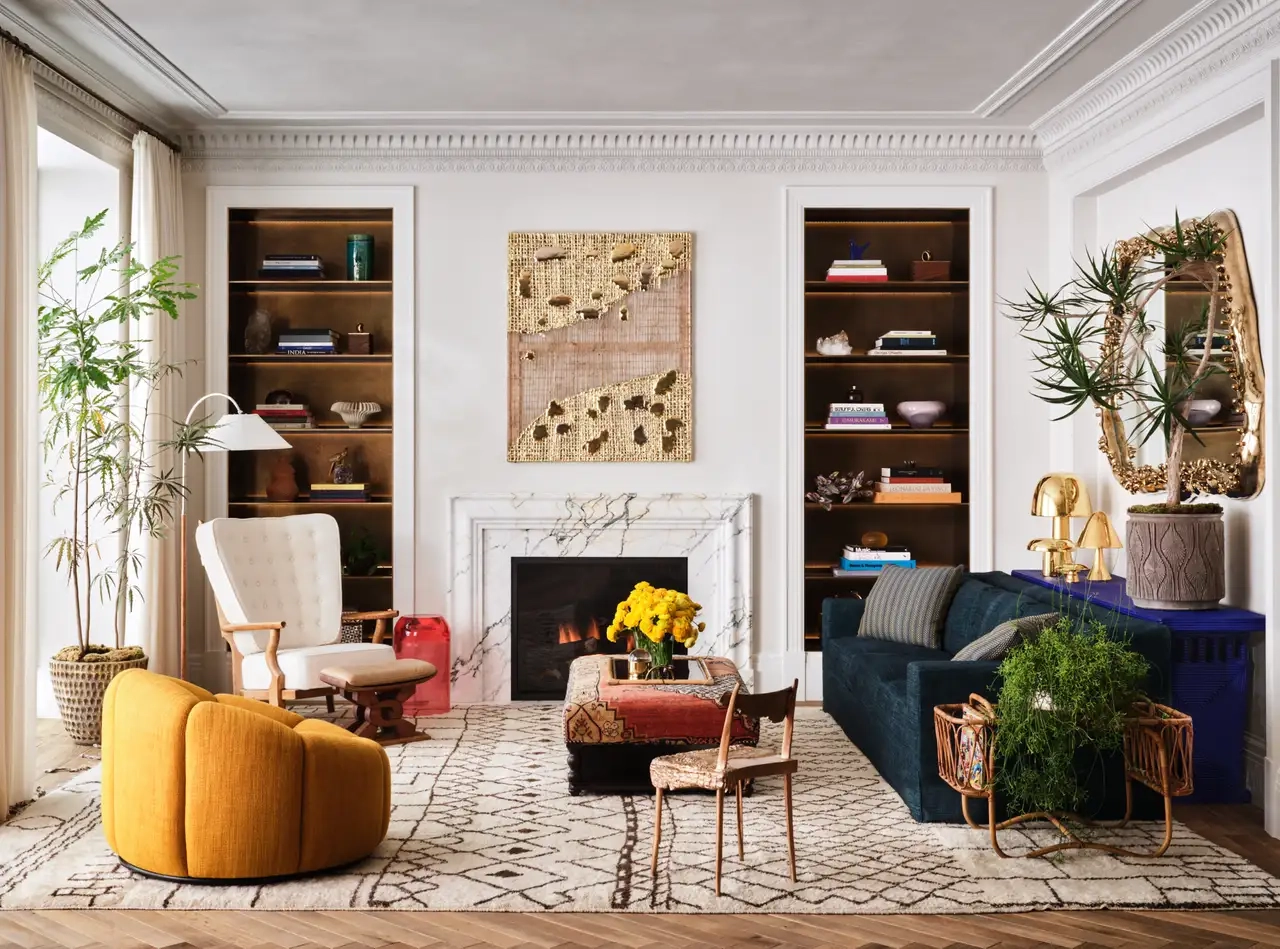
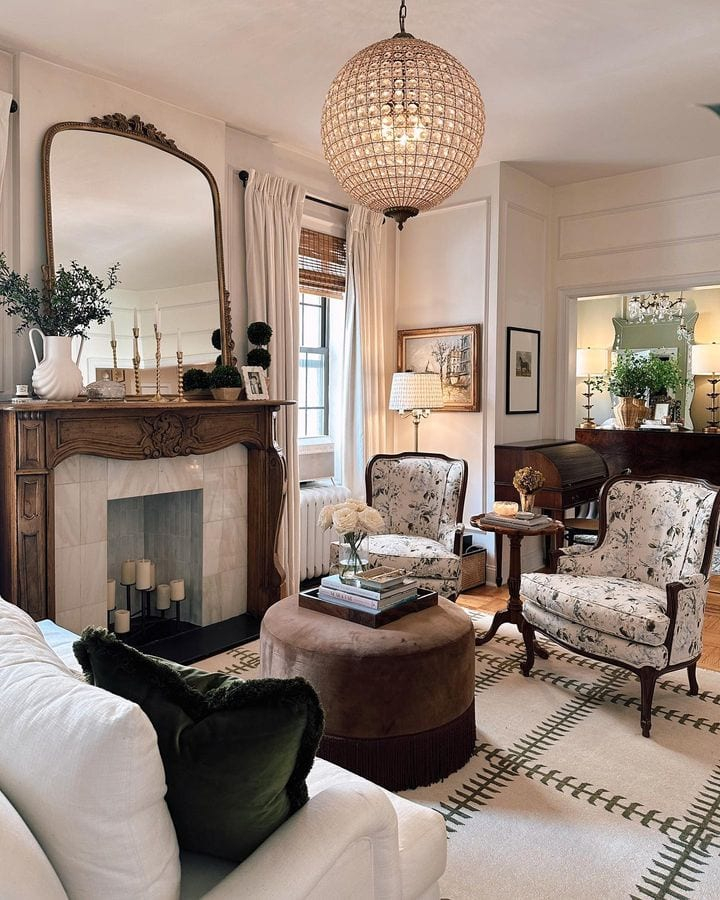
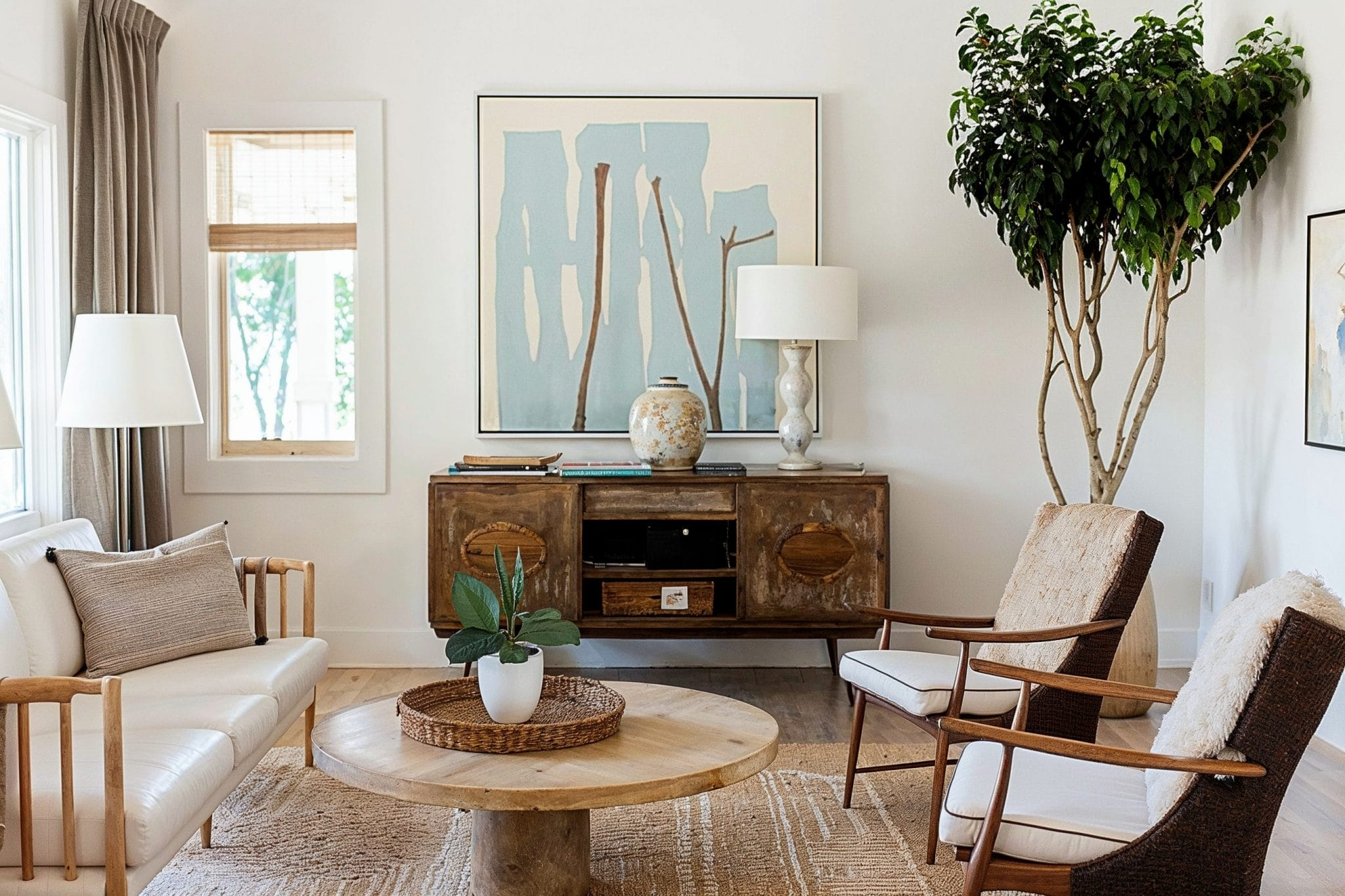
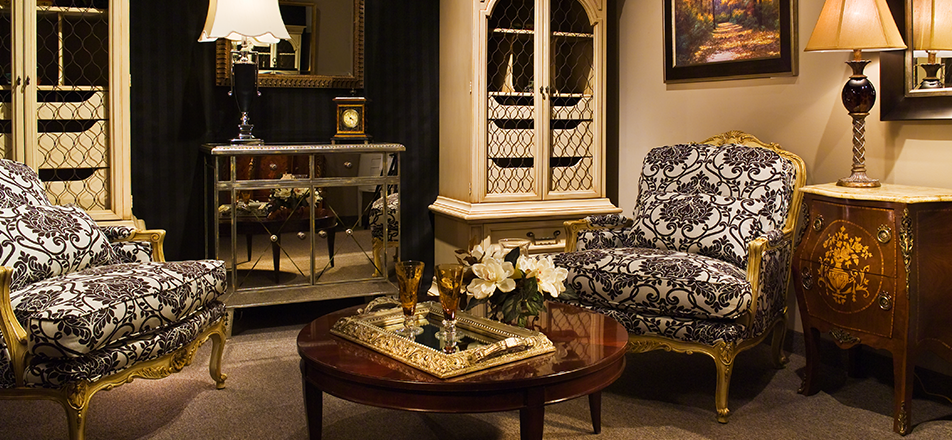
One of the biggest mistakes people make is trying to make everything match the era of the house. If you live in a 1920s bungalow, you don’t need to furnish it entirely with Art Deco pieces. In fact, doing so can make your home feel like a stage set rather than a living space. The magic happens when you mix eras. A sleek, mid-century modern sofa looks incredible against ornate Victorian cornicing. A contemporary abstract painting can breathe new life into a traditional dining room.
This juxtaposition creates visual interest. It tells a story of continuity. It says, "This house has lived through time, and so have I." When selecting furniture, think about scale and proportion. Old rooms often have higher ceilings and larger proportions, which can swallow up small, delicate modern pieces. Conversely, bulky traditional furniture can clutter a smaller, updated kitchen. Balance is key. Try pairing a heavy, antique wooden dining table with lightweight, transparent acrylic chairs. The contrast highlights the craftsmanship of the table while keeping the space feeling open and current.
Color plays a huge role here too. Historic color palettes were often rich and deep, but they can feel dark if not balanced. In 2026, we are seeing a trend of using bold, modern accent colors to offset neutral, historic backdrops. Imagine a room with restored original plaster walls painted in a soft, warm white. Now, add a vibrant, electric blue velvet armchair. The chair pops, drawing the eye, while the walls recede, allowing the architectural details to shine. Don’t be afraid to experiment. Your home should reflect your personality, not just its construction date.
Kitchen and Bath: Where Modernity Must Win
Let’s face it: nobody wants a 19th-century bathroom experience. We expect flush toilets that work reliably, showers with consistent pressure, and lighting that doesn’t flicker. The kitchen and bathroom are the two rooms where modern comfort is non-negotiable. However, this doesn’t mean you have to install a sterile, showroom-style space that clashes with the rest of the house. The trick is to choose modern fixtures that have a timeless quality or to customize them to fit the historic context.
In the kitchen, consider Shaker-style cabinets. They are simple, clean-lined, and bridge the gap between traditional craftsmanship and modern minimalism. Pair them with contemporary countertops like quartz or matte stone, which offer durability and ease of cleaning that marble or wood cannot match. For appliances, look for panel-ready options that can be hidden behind cabinet fronts. This keeps the visual noise down and allows the architectural features, like a large farmhouse sink or exposed brick wall, to take center stage.
Bathrooms offer a similar opportunity. Clawfoot tubs are a classic period feature that screams luxury. Keep the tub, but update the faucets to modern, high-efficiency models. Use large-format tiles for the floor to reduce grout lines and create a seamless, spa-like feel, but choose a color or pattern that nods to the era of the house. For instance, a black-and-white geometric tile works in almost any period home, from Edwardian to Mid-Century. Lighting is crucial here too. Replace dusty, dated fixtures with modern sconces that provide ample, flattering light. It is about blending function with form, ensuring the space works for your daily routine while respecting the home’s heritage.
Smart Tech: The Invisible Helper
Technology has come a long way. In the past, adding smart home features meant drilling holes, running unsightly wires, and sticking plastic sensors everywhere. Today, in 2026, technology is wireless, discreet, and incredibly powerful. You can have a fully connected home without compromising a single inch of original plaster. Smart thermostats, for example, can learn your heating patterns and adjust accordingly, saving energy and money. Many of these devices are designed to look like classic dials or can be hidden away in cupboards, controlled via your phone.
Lighting is another area where tech shines. Smart bulbs and switches allow you to control the ambiance of a room without rewiring. You can dim the lights for a romantic dinner or brighten them for reading, all with a voice command or a tap on your screen. Consider using motion sensors in hallways and closets. These can be small, unobtrusive, and battery-operated, meaning no invasive installation. They add a layer of convenience and security that older homes desperately need.
Security systems have also evolved. Wireless cameras and doorbell cams can be mounted with minimal impact. Some are even designed to look like traditional hardware. The goal is to make the technology serve you, not dominate your space. It should feel effortless. When a guest walks in, they shouldn’t notice the smart home system; they should just notice how comfortable and well-lit the room is. That is the mark of successful integration. It is there when you need it, and invisible when you don’t.
Lighting: Setting the Mood Without Losing the Glow
Old homes were built for natural light and candlelight. Electric lighting was an afterthought, often resulting in poorly placed outlets and harsh, central ceiling fixtures. To bring a period home into the 21st century, you need to rethink your lighting strategy. Layering is the secret. Relying on a single overhead light creates shadows and flattens the room. Instead, use a combination of ambient, task, and accent lighting.
Start with the ambient layer. This is your general illumination. In a room with high ceilings, a statement chandelier can honor the period style, but choose one with LED compatibility and perhaps a modern twist in design. Then, add task lighting. Floor lamps next to reading chairs, under-cabinet lights in the kitchen, and vanity lights in the bathroom. These provide focused light where you need it. Finally, accent lighting. Use spotlights to highlight architectural features like fireplaces, artwork, or built-in shelves. This draws the eye to the beauty of the home.
Warmth is key. Older homes feel cozy because of the warm glow of fire and incandescent bulbs. Stick to warm white LEDs (around 2700K to 3000K) to maintain that inviting atmosphere. Avoid cool, blue-toned lights, which can make historic spaces feel clinical and cold. Dimmers are your best friend. They allow you to adjust the light levels throughout the day, mimicking the natural rhythm of sunlight. By carefully curating your lighting, you can enhance the textures and colors of your period features, making them look their best while ensuring the space is functional for modern life.
Your home’s story doesn’t end at the front door. The garden and exterior are integral parts of the property’s character. However, outdoor living standards have changed. We want spaces for entertaining, relaxing, and connecting with nature. The challenge is to create these modern outdoor rooms without clashing with the historic facade. Start by respecting the original landscape architecture. If your home has a formal Victorian garden, keep the structure but update the planting scheme with drought-resistant, native plants that require less maintenance.
Hardscaping is another area to consider. Instead of pouring a vast concrete patio, use materials that complement the house. Brick pavers, natural stone, or gravel can create defined areas for dining or lounging while maintaining a sense of history. For fencing and gates, repair and restore original ironwork or woodwork where possible. If replacement is necessary, choose designs that echo the original style.
Outdoor lighting is essential for extending the usability of your garden into the evening. Use subtle, low-level lighting to patheways and key features. Solar-powered lights are a great option, as they require no wiring and are easy to install. Consider adding a modern pergola or deck, but keep the design simple and clean to avoid competing with the house’s architecture. The goal is to create a seamless transition from inside to out, where the comfort of the interior flows naturally into the beauty of the exterior. It is about creating an oasis that feels both timeless and totally now.
Living in a period home is a labor of love. It requires patience, creativity, and a willingness to embrace imperfection. But the reward is a space that is uniquely yours, filled with history and tailored to your modern life. By respecting the bones, mixing eras, prioritizing comfort in key rooms, integrating smart tech discreetly, layering your lighting, and extending your care to the outdoors, you can create a home that honors its past while fully embracing the present. It is not about choosing one over the other. It is about finding harmony. And honestly, isn’t that what we are all looking for? A place that feels grounded, yet ready for whatever comes next.