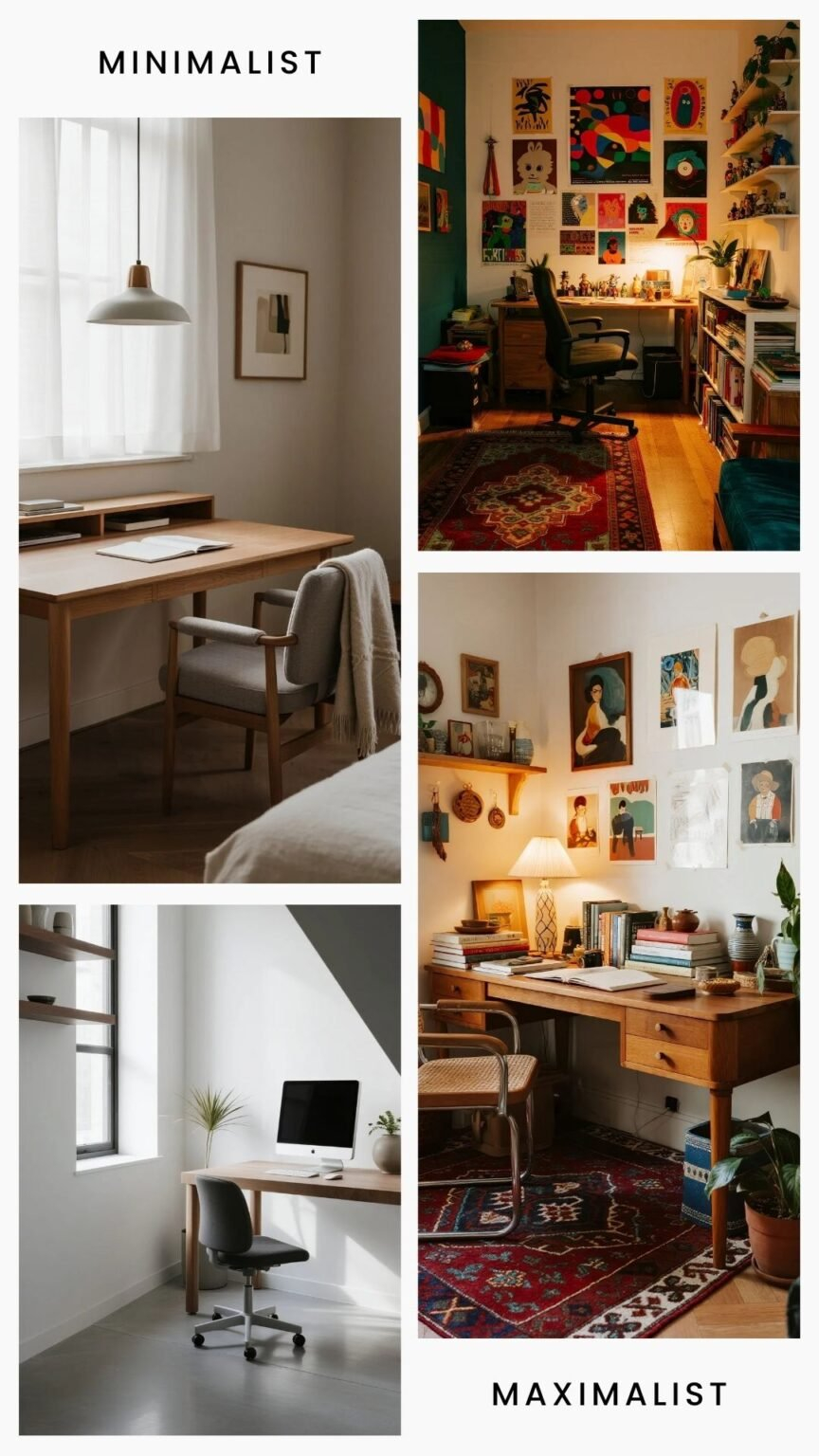
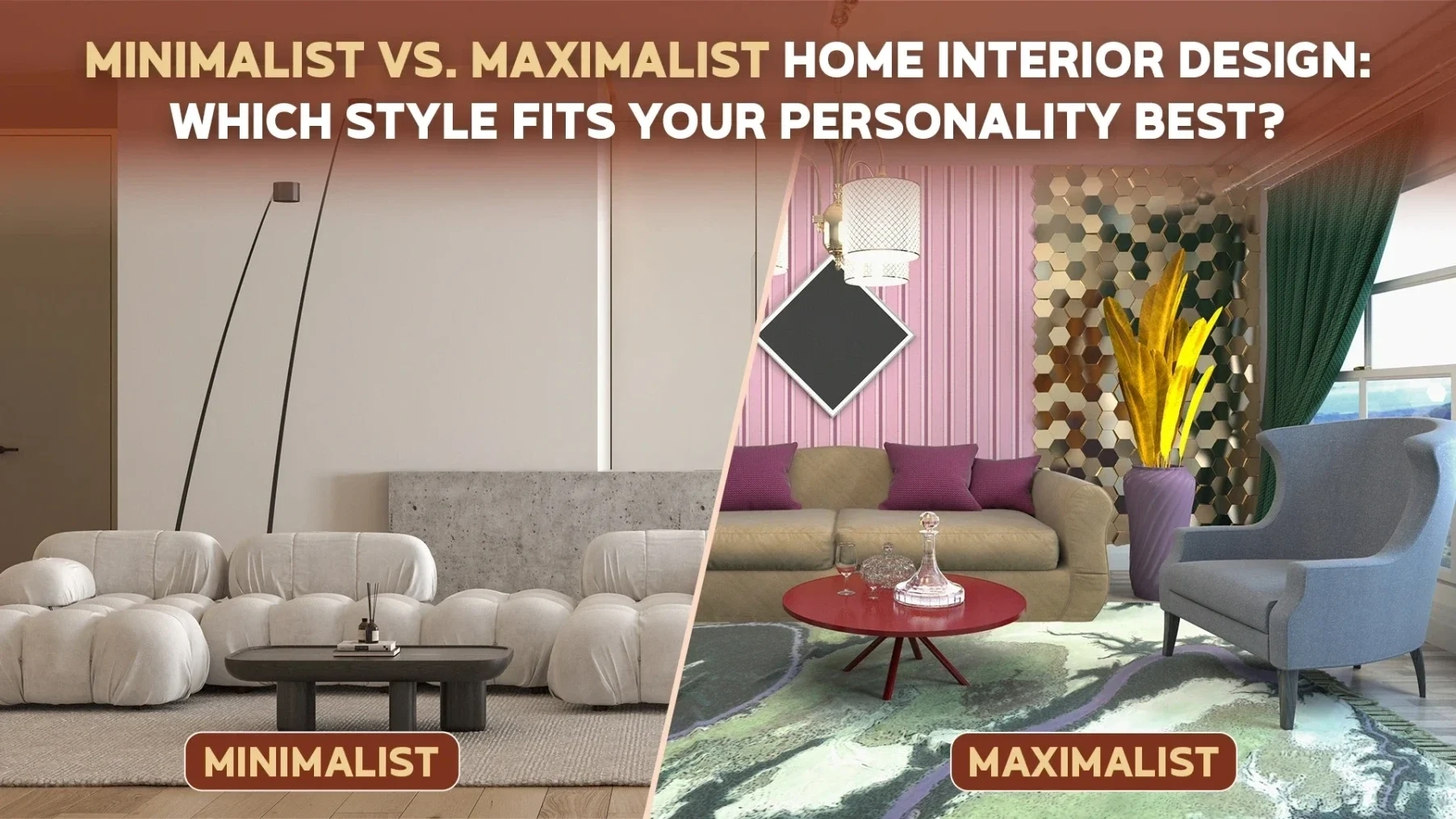
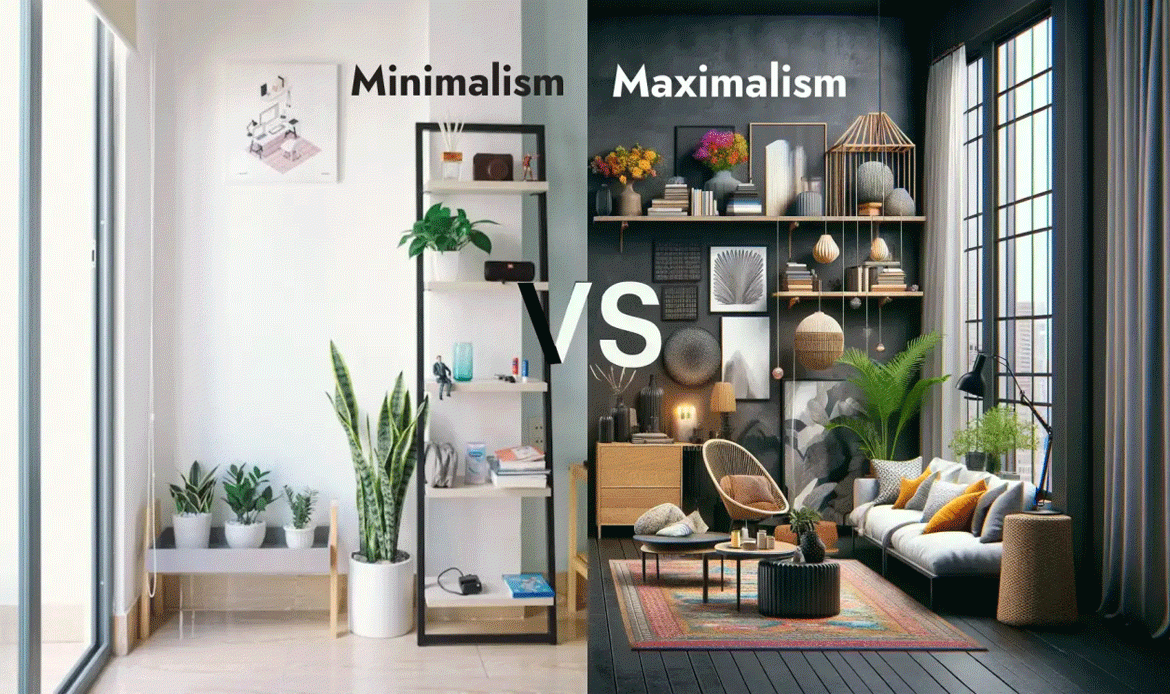
Ever feel like your living room is screaming for attention while your bedroom begs for silence? It’s a weird tug-of-war, isn’t it. One minute you want everything white, clean, and empty so you can breathe. The next, you’re craving color, pattern, and stuff that makes you smile just by looking at it. For years, design magazines told us we had to pick a side. You were either a minimalist monk or a maximalist collector. But that’s old news. In 2026, the most interesting homes aren’t picking sides. They’re doing both.
This blend—sometimes called "midimalism" or just smart living—is about having your cake and eating it too. It’s about creating spaces that calm your nervous system but also spark your creativity. It’s not about compromise. It’s about curation. You don’t have to choose between a serene sanctuary and a vibrant party pad. You can build a home that offers the deep exhale of minimalism and the loud laugh of maximalism, often in the same room. Let’s look at how to make this work without losing your mind or your style.
The Foundation: Why Less Can Actually Mean More Joy
Think of your home like a canvas. If you paint every inch with bright neon colors, your eyes don’t know where to rest. It’s exhausting. That’s where the minimalist base comes in. It’s not about being boring or sterile. It’s about creating breathing room. When you keep your walls neutral, your floors simple, and your large furniture pieces understated, you’re building a stage. This quiet backdrop allows the things you truly love to step into the spotlight.
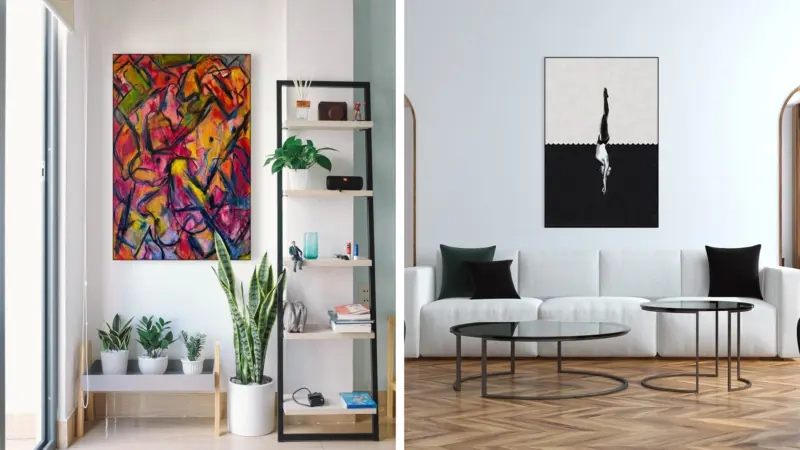
In recent years, designers have noticed that pure minimalism can feel cold, while pure maximalism can feel chaotic. The sweet spot is using minimalism as the anchor. Imagine a room with crisp white walls and a simple, low-profile sofa. It feels open. Airy. Calm. Now, imagine adding one incredibly bold, patterned rug or a massive, colorful piece of art. Because the rest of the room is quiet, that one item pops. It sings. You get the joy of the object without the visual noise of clutter. This approach creates a sense of order that supports mental clarity, which is huge for anyone feeling overwhelmed by the fast pace of modern life.
The key here is intentionality. Minimalism isn’t about having less stuff just for the sake of it. It’s about removing the things that don’t matter so the things that do matter can shine. When you strip away the visual static—the cheap decor, the mismatched items, the things you keep out of guilt—you make space for joy. Real joy. The kind that comes from surrounding yourself with objects that have meaning, beauty, or history. A minimalist foundation gives those objects the respect they deserve.
Zoning with Purpose: Defining Spaces Without Walls
One of the cleverest tricks in blending these styles is using what experts call "bold zoning." This is especially useful if you live in a smaller space or an open-concept layout. Instead of building walls, you use rugs, lighting, and furniture arrangement to create distinct areas. This allows you to shift the energy of a room depending on its function. You can have a minimalist zone for working or reading, and a maximalist zone for entertaining or relaxing, all within the same square footage.
For example, consider your living area. You might keep the main traffic paths clear and uncluttered, adhering to minimalist principles of flow and ease. But then, you define your seating area with a lush, layered rug, plenty of textured pillows, and a gallery wall of eclectic prints. The transition between the clean floor and the cozy seating nook signals to your brain that it’s time to switch gears. The clean lines of the surrounding space prevent the cozy nook from feeling cramped, while the rich textures of the nook prevent the open space from feeling empty.
This technique also works wonders for visual balance. By grouping maximalist elements together, you contain the energy. Instead of scattering colorful knick-knacks across every surface (which creates visual chaos), you cluster them on a single shelf or table. This creates a focal point. The eye goes there, enjoys the detail, and then rests on the simpler surroundings. It’s a rhythm. Inhale, exhale. Busy, calm. This dynamic interplay keeps a home feeling alive but not overwhelming. It’s functional yet vibrant, exactly what modern homeowners are looking for in 2026.
The Power of the Statement Piece
If you’re nervous about going too bold, start with one thing. Just one. This is the easiest entry point into the max-min blend. Choose a single statement piece that brings you absolute joy. It could be a velvet armchair in emerald green. A vintage lamp with a quirky shape. A massive abstract painting. Whatever it is, let it be the star. Then, build the rest of the room around it with restraint.
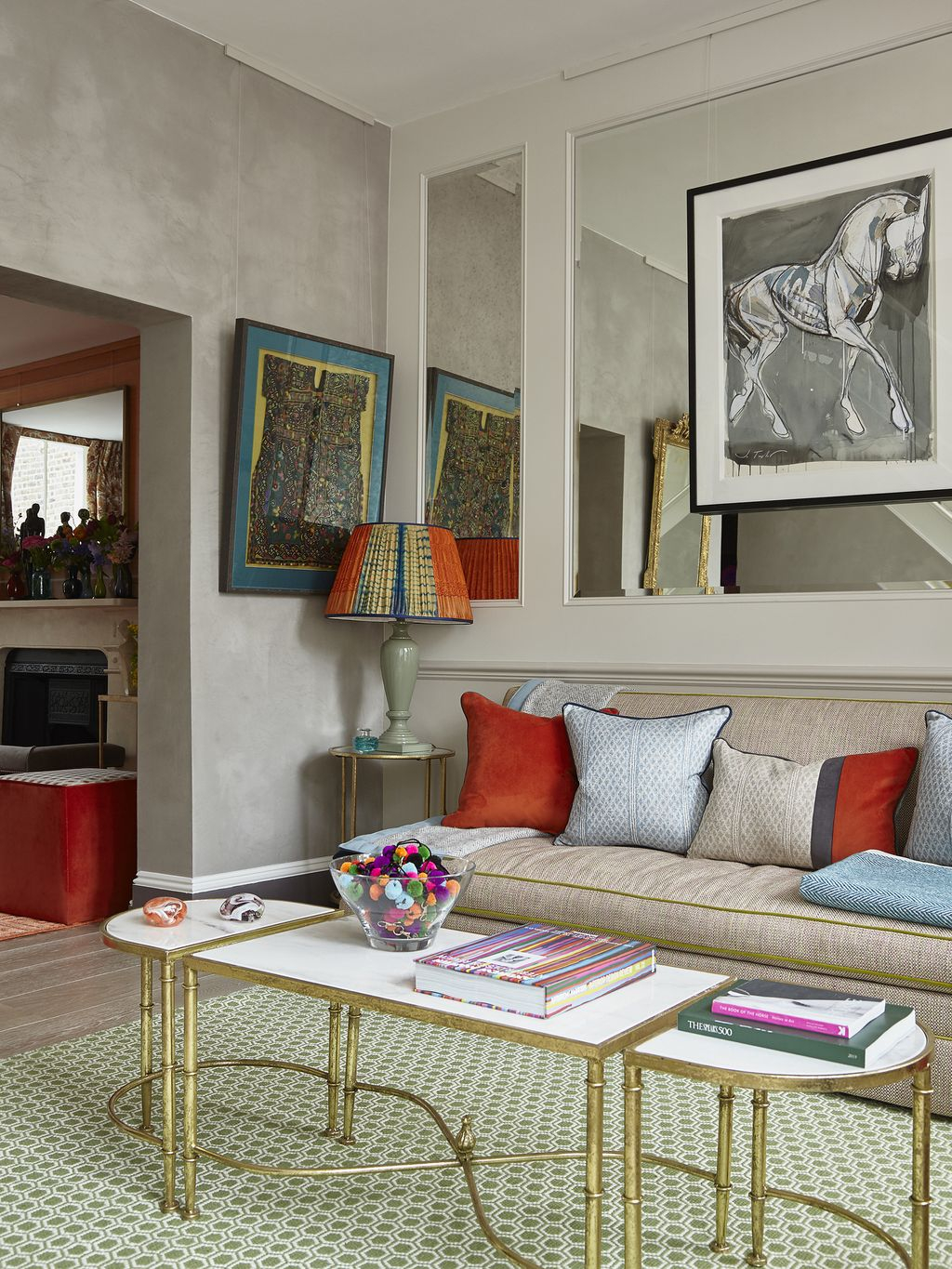
Furniture with clean lines works best for the supporting cast. Think simple wood tables, streamlined sofas, or sleek storage units. These pieces provide the calm foundation we talked about. They don’t compete with your statement piece; they frame it. When you mix in one or two bold accents, like that patterned ottoman or a bright vase, you add a maximalist touch without overpowering the room. It’s a controlled burst of personality.
This approach also makes it easier to change your mind later. Trends shift. Your tastes evolve. If your entire room is covered in bold wallpaper and busy patterns, changing the look is a huge project. But if you only have one or two statement pieces, you can swap them out easily. You keep the timeless, minimalist shell and refresh the joy-filled accents. It’s sustainable, both financially and environmentally. Plus, it takes the pressure off. You don’t have to decorate the whole house perfectly. You just have to find that one thing that makes your heart skip a beat.
Texture Over Clutter: Adding Depth Without the Mess
Here’s a secret: maximalism doesn’t have to mean clutter. In fact, successful maximalist design is heavily reliant on texture rather than just quantity of objects. You can create a rich, layered, joyful space using materials instead of memorabilia. Think about the difference between a room filled with hundreds of small plastic toys and a room with a chunky knit throw, a smooth leather chair, a rough jute rug, and a silky cushion. The second room feels luxurious and complex, but it’s actually quite simple.
Layering textures is a way to add visual interest without adding visual noise. It appeals to the senses in a softer way. When you run your hand over a woven basket or sink into a plush wool carpet, you experience comfort. This tactile maximalism pairs beautifully with minimalist visuals. A room with white walls and a single wooden table can feel stark. But add a sheepskin rug, a ceramic bowl with a glazed finish, and linen curtains, and suddenly it feels warm and inviting. The complexity is in the details, not the volume.
This is particularly important for maintaining calm. Visual clutter—lots of different colors, shapes, and items competing for attention—can raise cortisol levels. Textural richness, on the other hand, tends to soothe. It invites touch and lingering. So, when you’re trying to blend these styles, ask yourself: can I add joy through material rather than more stuff? Can I swap a plain cotton blanket for a hand-embroidered one? Can I choose a light fixture with interesting brass detailing instead of a plain glass globe? These small shifts add that maximalist soul without sacrificing minimalist peace.
Curating Collections: Displaying What You Love
Let’s talk about collections. Most of us have them. Books, records, plants, travel souvenirs, ceramics. The minimalist impulse says: hide it all. The maximalist impulse says: show it all. The balanced approach says: curate it. Displaying your collections is a huge source of joy, but it needs structure to avoid looking like a garage sale.
Use open shelving or glass cabinets to create defined zones for your items. Keep the shelves themselves simple—clean lines, neutral colors. Then, arrange your collection with intention. Don’t just fill every slot. Leave some negative space. Group similar items together. Maybe all your blue pottery on one shelf, your books arranged by color on another. This creates a sense of order within the abundance. It turns your stuff into art.
Lighting plays a huge role here too. Use directed lighting, like small spotlights or LED strips, to highlight your displays. This draws the eye to the curated moments and leaves the rest of the room in softer light. It creates a museum-like quality, even if you’re just displaying your favorite coffee mugs. By treating your everyday objects with this level of care, you elevate them. They become sources of daily joy rather than background noise. And because they are contained and lit, they don’t overwhelm the space. It’s a win-win. You get to live with your treasures, and your home stays serene.
Finally, remember that this blend is deeply personal. It’s not about following a strict rulebook. It’s about reflecting who you are. Minimalism can sometimes feel impersonal, like a hotel room. Maximalism can feel like someone else’s attic. Blending them allows you to inject your history and imperfections into a clean slate.
Don’t be afraid to mix high and low. Pair a sleek, modern designer chair with a battered, vintage trunk you found at a flea market. Hang a precise, geometric print next to a child’s drawing framed in gold. These juxtapositions tell your story. They add warmth and humanity to the minimalist structure. In 2026, people are craving authenticity. We’re tired of perfect, Instagram-ready spaces that feel cold. We want homes that feel lived-in and loved.
This means letting go of the idea that everything has to match. It means accepting that a scratch on the table adds character. It means keeping that ugly vase because it was your grandmother’s. When you place these imperfect, meaningful items against a calm, minimalist background, they gain power. They become conversation starters. They become anchors to your past and your values. This emotional layer is what transforms a house into a home. It’s the joy part. The calm part is just the space that lets that joy breathe.
So, where do you start? Look around your room. What’s causing stress? Remove it. What brings a smile? Highlight it. Keep the bones simple. Let the soul be complex. It’s a ongoing process, not a one-time fix. And honestly? It’s kind of fun. You get to play with balance every day. You get to decide what matters. And in a world that’s constantly shouting, having a home that whispers calm while singing joy is pretty much the ultimate luxury.