You walk into a room and something feels off. Maybe it’s too hot. Maybe the light feels harsh, like an interrogation lamp rather than a cozy evening glow. Or maybe you just noticed your electricity bill creeping up again, and you’re wondering if those little recessed lights in the ceiling are the culprits. We’ve all been there. For years, halogen downlights were the standard. They were cheap, they were bright, and everyone had them. But times have changed. It’s 2026, and the conversation around home lighting has shifted dramatically.
It’s not just about swapping one bulb for another anymore. It’s about understanding what’s actually happening in your ceiling cavity. Most people think the only difference between LED and halogen is the price tag at the store. LEDs cost more upfront, sure. But that’s where the simplicity ends. The real story is hidden in the heat, the lifespan, the safety risks, and the quality of light that fills your living space. If you’re still holding onto those old halogens because "they look warmer," you might be missing out on some critical updates in technology that have happened over the last few years.
Let’s dig into the nitty-gritty. We aren’t just talking lumens and watts here. We’re talking about fire safety, comfort, and whether you want to climb a ladder every six months to change a blown bulb. By the end of this, you’ll know exactly why the switch matters, and why the initial cost is basically irrelevant compared to what you get in return.
The Heat Factor: More Than Just Warmth
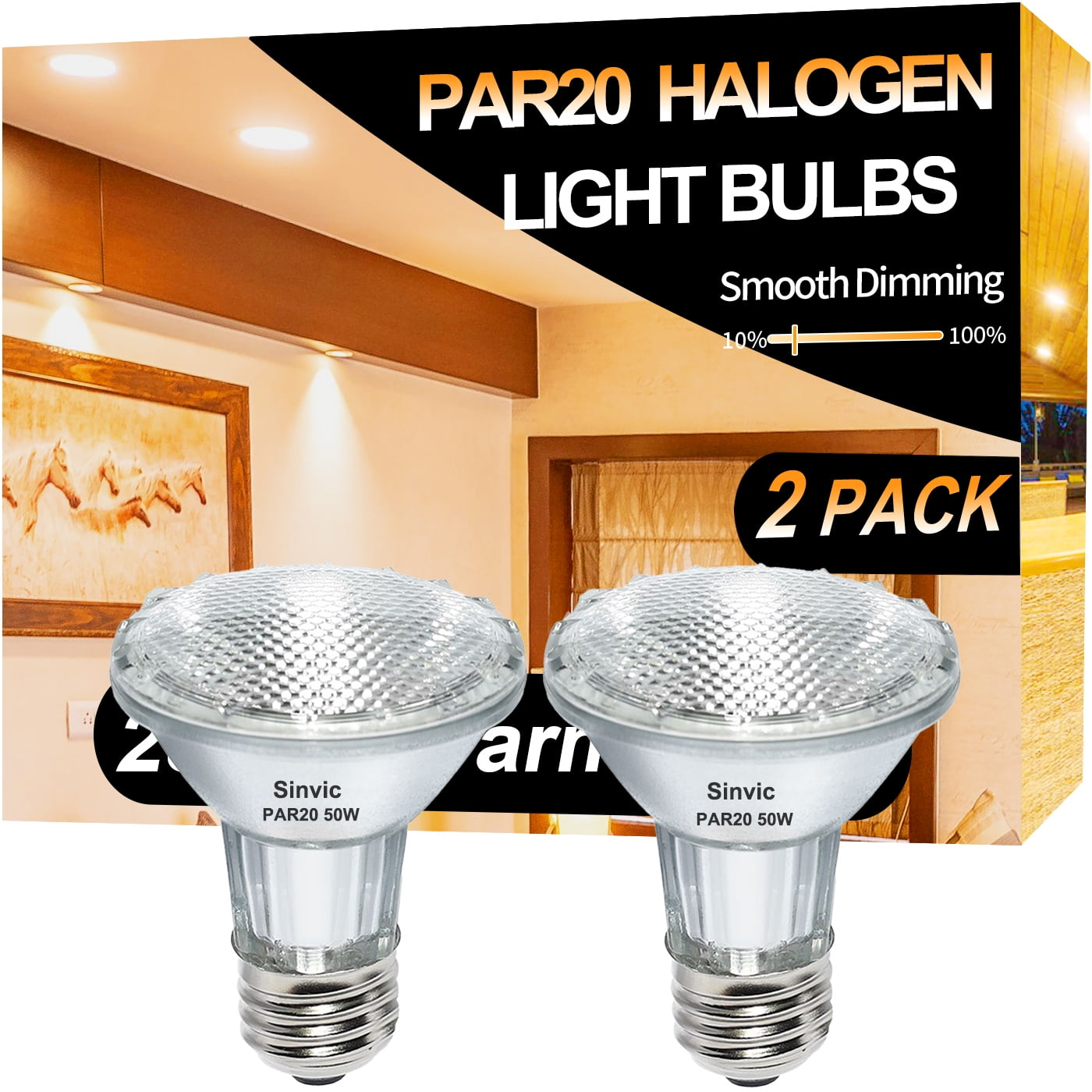
Let’s start with the most dangerous part of halogen lighting: heat. And I don’t mean the cozy kind. Halogen bulbs are incredibly inefficient. They work by heating a filament until it glows, which means about 90% of the energy they use is wasted as heat, not light. In practical terms, a halogen downlight can reach surface temperatures between 250°C and 350°C (that’s 482°F to 662°F). Think about that for a second. That is hot enough to burn you instantly, and hot enough to pose a serious risk to your home’s structure.
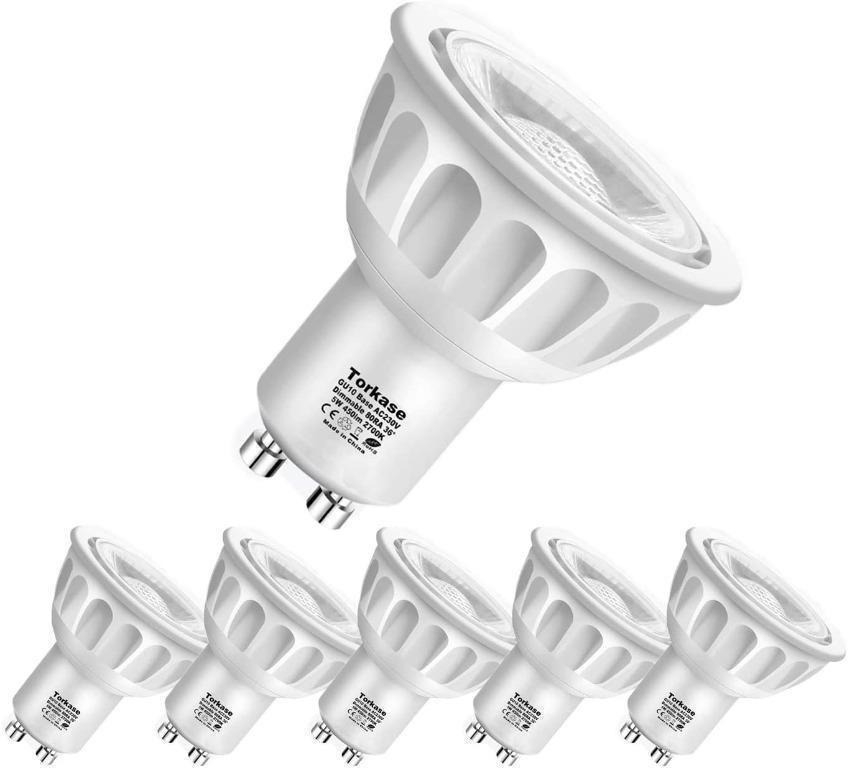
In many older homes, these lights are installed in ceilings with insulation nearby. If insulation covers a halogen downlight, it traps that intense heat. This creates a fire hazard. Back in the day, we had to install special "fire-rated" enclosures or leave huge gaps in our insulation just to keep things safe. It was a hassle. It also meant your home was less energy-efficient because you literally had holes in your thermal barrier. LED downlights, on the other hand, run cool. They do generate some heat, but it’s managed by a small heat sink at the back of the fixture, and the surface temperature stays low enough to touch safely after they’ve been on for hours.
This difference changes everything about how your home performs. With LEDs, you can cover them with insulation without worry. This keeps your house warmer in winter and cooler in summer, lowering your heating and cooling bills. It’s a hidden benefit that doesn’t show up on the light bulb box, but it shows up on your energy statement every single month. So, when you look at a halogen light, don’t just see a bulb. See a tiny radiator sitting in your ceiling, pumping waste heat into your roof space.
Energy Efficiency and the True Cost of Ownership
We need to talk about money, but not the way you think. Yes, an LED downlight might cost three or four times more than a halogen equivalent when you buy it. But that’s a trap if you stop looking there. Let’s break down the actual usage. A typical halogen downlight uses about 50 watts. A modern LED that gives you the same amount of light? It uses about 5 to 7 watts. That’s a 85-90% reduction in energy use. If you have twenty downlights in your house, and you run them for four hours a day, the savings add up fast.
In 2026, electricity prices aren’t getting any cheaper. In fact, in many regions, they’ve spiked. Running those old halogens is like leaving a tap dripping, except the drip is cash flowing straight out of your wallet. Over the course of a year, the energy savings from switching to LEDs can easily pay for the new fixtures themselves. After that first year, it’s pure profit. You’re essentially getting free lighting for the rest of the fixture’s life.
But there’s another cost: replacement. Halogen bulbs have a short lifespan, usually around 2,000 to 4,000 hours. If you use them regularly, you’re changing them every year or two. LEDs, however, are rated for 25,000 to 50,000 hours. That’s 10 to 20 years of normal use. You won’t be buying replacements. You won’t be climbing ladders. You won’t be dealing with the frustration of a bulb blowing out right before a dinner party. When you factor in the time and effort saved, plus the lack of replacement bulbs, the "expensive" LED becomes the bargain option. It’s simple math, but we often forget to do it.
Light Quality and Color Rendering Myths
Here is the biggest argument I hear from people who refuse to switch: "LEDs look cold and clinical." And honestly? Ten years ago, they had a point. Early LEDs were terrible. They had a blueish tint, the colors in your room looked washed out, and they felt sterile. But technology has moved on. A lot. Today, high-quality LED downlights offer excellent Color Rendering Index (CRI) scores, often above 90. This means they show colors accurately, just like natural daylight or halogen light.
You can now buy LEDs in a variety of color temperatures. Want that warm, golden glow of a halogen? You can get LEDs in 2700K or even 2400K, which mimics the cozy ambiance perfectly. Want a brighter, cleaner light for your kitchen workspace? You can go for 3000K or 4000K. The best part is consistency. Halogen lights tend to shift in color as they age, getting dimmer and slightly different in tone. LEDs stay consistent from day one until the day they eventually fade out decades later.
There’s also the issue of directionality. Halogens spray light everywhere, including up into the ceiling cavity where it’s wasted. LEDs are directional by nature. They push light exactly where you want it—down onto your counter, your table, or your floor. This makes them more efficient for task lighting. You get more usable light per watt. So, if you’re worried about losing that "warmth," don’t be. Just check the specs. Look for "Warm White" and a high CRI. You’ll be surprised at how good modern LEDs look. They’ve closed the gap completely.
Safety and Installation Considerations
Let’s go back to that heat issue for a moment, because it ties directly into safety. Installing halogen downlights requires careful planning. You need clearance zones. You can’t just shove them next to wooden beams or flammable materials without risk. In many places, building codes have become stricter about this. If you’re renovating or building new in 2026, using halogens can actually complicate your compliance with safety standards. You might need extra fire-resistant materials, which adds cost and complexity to your build.
LEDs simplify this process immensely. Because they run cool, they are much safer to install in tight spaces. They don’t require the same extensive clearance from combustible materials. This makes them ideal for retrofitting into older homes where ceiling spaces might be cramped or filled with insulation. You don’t have to tear out your existing insulation to make room for air gaps. You can just swap them in. This ease of installation also means lower labor costs if you’re hiring an electrician. It’s a quicker, safer job for them, too.
Another safety aspect is durability. Halogen bulbs are made of glass and contain pressurized gas. They can shatter if hit or if they cool down too quickly (like if a drop of water hits them). LEDs are solid-state devices. There’s no glass to break, no filament to snap. They are resistant to vibration and shock. This makes them a better choice for areas where things might get bumped, or in homes with kids playing ball indoors. It’s a small thing, but it’s one less thing to worry about breaking.
Environmental Impact and Sustainability
We can’t ignore the bigger picture. In 2026, sustainability isn’t just a buzzword; it’s a necessity. Halogen lights are being phased out in many parts of the world because they are energy hogs. They contribute unnecessarily to carbon emissions. Every watt you save by switching to LED is a watt that doesn’t need to be generated by power plants, many of which still burn fossil fuels. By choosing LEDs, you’re reducing your household’s carbon footprint. It’s a simple, effective action you can take today.
Then there’s the waste issue. Think about how many halogen bulbs you’ve thrown away over the years. Glass, metal, and sometimes hazardous materials. Now multiply that by millions of households. LEDs last so much longer that you generate far less waste. One LED replaces ten, maybe fifteen, halogen bulbs over its lifetime. That’s fewer trips to the recycling center, less packaging, and less resource extraction. It’s a win for the planet, plain and simple.
Also, consider the materials. Modern LEDs are designed to be more recyclable. While they do contain electronic components, the industry is moving towards better recycling programs. Halogens, being simpler, seem easier to recycle, but their sheer volume and short lifespan make them a bigger burden overall. By investing in long-lasting LEDs, you’re supporting a more sustainable model of consumption. Buy once, use for a decade. It’s a mindset shift that benefits everyone.
One area where people still get tripped up is dimming. Halogens are naturally dimmable. You put them on a dimmer switch, and they smoothy fade down. It’s easy. LEDs are different. They require specific drivers and compatible dimmers. If you just slap an LED bulb into an old halogen dimmer circuit, it might flicker, buzz, or not dim all the way down. This has given LEDs a bad rap for being "difficult" to dim. But that’s outdated info.
Today, LED technology has matured. Most quality LED downlights are fully dimmable, but you need the right gear. You’ll likely need to upgrade your dimmer switch to a "trailing edge" or LED-specific dimmer. These are cheap and easy to install. Once you have the right setup, LEDs dim beautifully. In fact, they often dim smoother than halogens, without the slight color shift that halogens get when dimmed (halogens get redder/oranger as they dim, which some like, but LEDs can maintain their color temperature if designed well).
Smart control is another big advantage. LEDs integrate seamlessly with smart home systems. You can control them with your phone, voice commands, or automated schedules. You can’t really do that with halogens without bulky, inefficient add-ons. With LEDs, you can set scenes, adjust brightness remotely, and even change color temperatures throughout the day to match your circadian rhythm. This level of control enhances your comfort and convenience in ways halogens simply can’t match. It’s not just about on and off anymore; it’s about creating the right atmosphere effortlessly.
So, where does this leave us? The choice between LED and halogen downlights in 2026 isn’t really a choice at all. Halogens had their time. They were the standard for decades, and they served us well. But they are relics of a less efficient, less safe era. LEDs have overcome every early hurdle. They are cheaper to run, safer to install, better for the environment, and now, they look just as good, if not better.
The initial price tag is a distraction. It’s a small bump in the road compared to the smooth highway of savings and convenience that follows. If you’re still holding onto halogens, ask yourself why. Is it habit? Is it fear of change? Or is it just not knowing how far the tech has come? Take a look at your ceiling. Feel the heat coming from those lights. Look at your energy bill. Then make the switch. Your home, your wallet, and the planet will thank you. It’s time to let go of the past and light up the future.