We’ve all been there. You’re hosting a dinner party, the conversation is flowing, the wine is pouring, and then—screech. The back legs of a chair catch the edge of a rug that’s just a little too small. The guest lurches forward. The wine glass wobbles. Panic sets in. It’s a moment that kills the vibe faster than burnt garlic bread. And honestly? It’s completely preventable.
Picking a dining room rug isn’t like picking a throw pillow. You can’t just go with your gut or choose the one that "looks about right" from across the room. If you guess, you’ll likely get it wrong. And when you get it wrong, you aren’t just dealing with an aesthetic mismatch; you’re dealing with a safety hazard and a daily annoyance. But here’s the good news: it’s not rocket science. In fact, it’s mostly just basic arithmetic and a tape measure.
Let’s cut through the noise. By the end of this, you’ll know exactly how to measure for a rug that anchors your space, keeps your chairs stable, and looks like it was professionally styled. No more guessing. No more wobbly guests. Just a solid foundation for your next meal.
The Golden Rule: Why 24 Inches Changes Everything
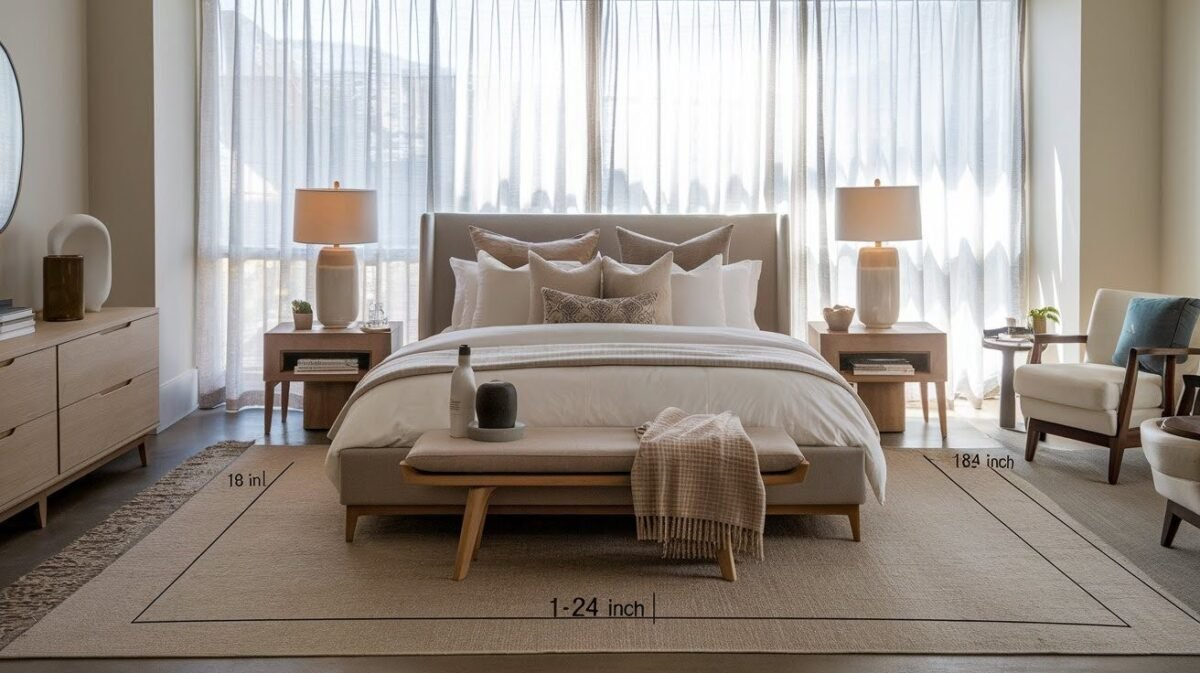
If you take only one thing away from this article, let it be this: the rug must extend at least 24 inches beyond the edge of the table on all sides. This is the industry standard for a reason. It’s not arbitrary. It’s physics and comfort wrapped into one neat little number.
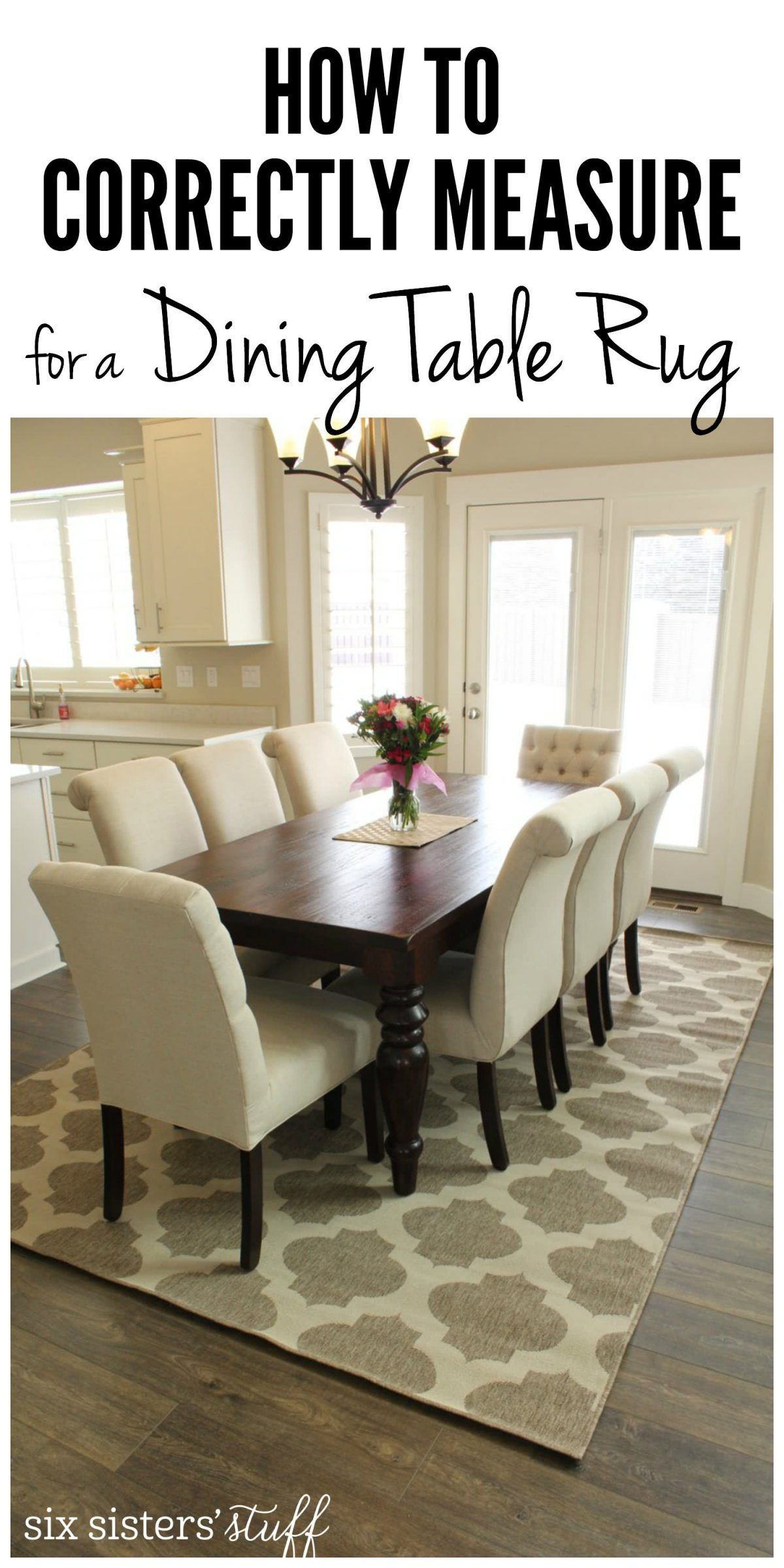
Think about what happens when someone sits down. They pull their chair out. A standard dining chair needs about 18 to 20 inches of clearance to slide back comfortably without hitting a wall or another piece of furniture. But if the rug ends right at the table edge, those back legs are going to hang off the side as soon as the person leans back. That’s when the tipping starts. By adding 24 inches, you ensure that even when the chair is fully pulled out for seating, all four legs remain firmly planted on the rug.
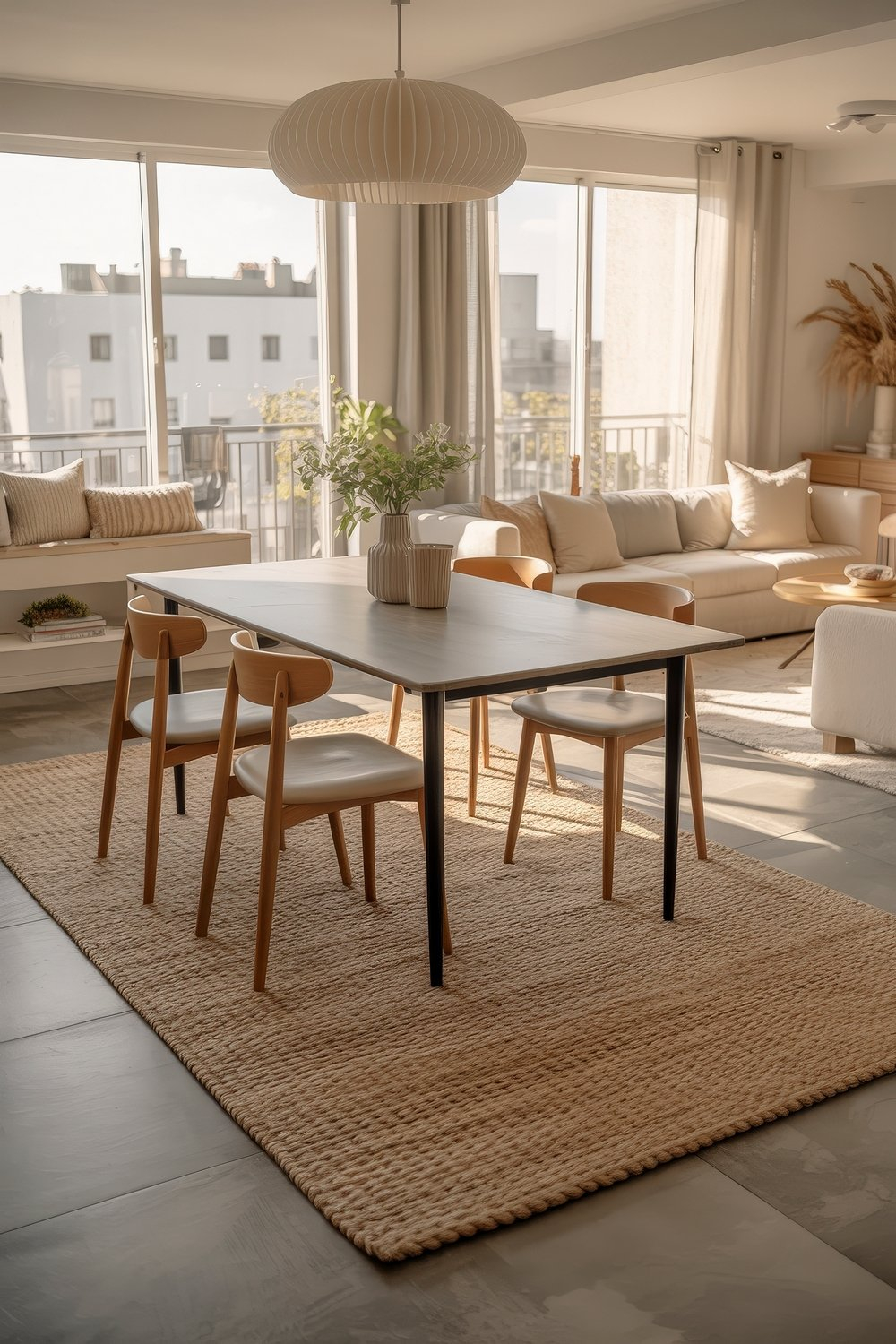
This extra buffer does more than just prevent accidents. It creates a visual "zone." It tells the eye that this area is distinct from the rest of the room. It frames the table. Without that border, the table can look like it’s floating awkwardly on a tiny island of fabric. With it, the whole setup feels grounded and intentional. So, before you even look at colors or patterns, grab your tape measure. Measure your table’s length and width. Then, add 48 inches to both dimensions. That’s your target rug size. Simple, right?
Table Shapes Matter: Rectangles, Squares, and Rounds
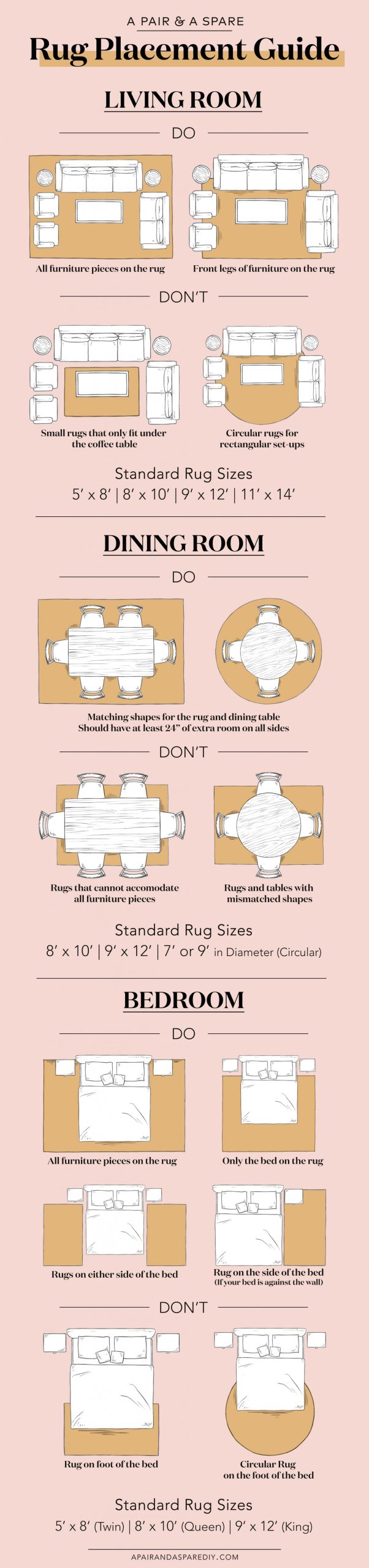
Not all tables are created equal, and neither are rugs. While the 24-inch rule is your north star, the shape of your table dictates the shape of the rug you should buy. Mismatching shapes is a common rookie mistake that throws off the entire balance of the room.
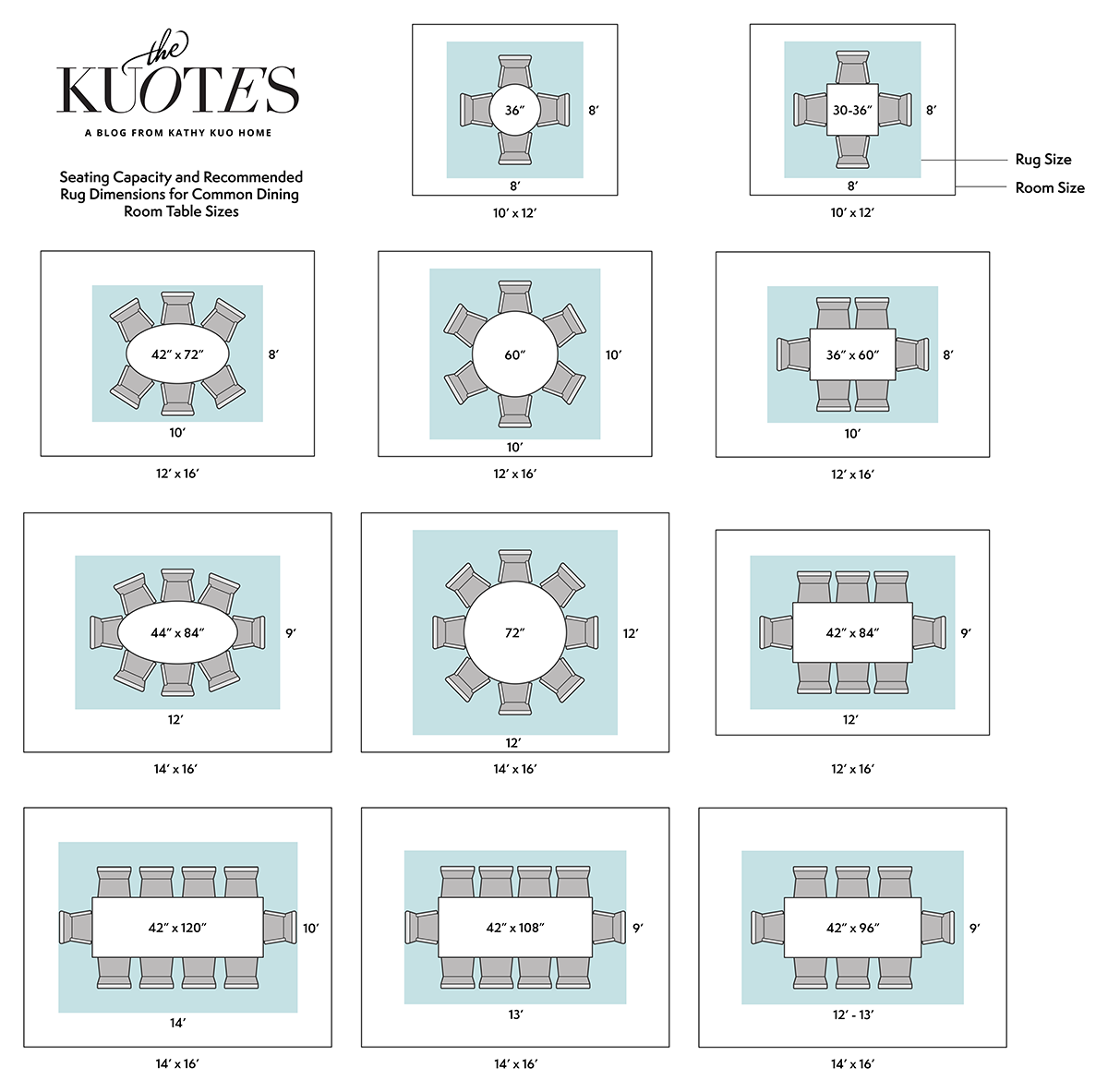
For rectangular tables, which are the most common, you want a rectangular rug. It’s straightforward. If your table is 36 inches by 72 inches, you add 48 inches to each side. That means you’re looking for a rug that is roughly 84 inches by 120 inches. In standard rug sizing, that translates to a 7×10 foot rug. Easy. But what if you have a round table? You might be tempted to put a square rug under it to save money or use what you have. Don’t. A round table needs a round rug. It mirrors the curves and softens the look. The same 24-inch rule applies: measure the diameter of the table and add 48 inches to get the diameter of the rug.
Square tables are a bit trickier. A square rug works best here, maintaining symmetry. However, if you have a large square table in a spacious room, a larger rectangular rug can sometimes work if it’s centered perfectly, but it’s riskier. Stick to matching shapes whenever possible. It’s the safest bet for a harmonious look. And if you have an oval table? An oval rug is ideal, but they are harder to find. A rectangular rug with rounded corners or a standard rectangle can work, but ensure the proportions don’t look stretched or squashed.
Doing the Math: Real-World Size Examples
Let’s get practical. Theory is great, but numbers help you shop. Here is a quick cheat sheet for common table sizes in 2026. Keep in mind that rug sizes often come in standard increments (5×8, 6×9, 8×10, 9×12), so you might need to round up. Never round down.
- 4-Seater Table (Small Square or Round): If your table is 36×36 inches or 42 inches in diameter, you need a rug that is at least 84×84 inches or 90 inches in diameter. A 5×8 foot rug is usually too small. Look for a 6×9 or a large 7-foot round rug.
- 6-Seater Table (Standard Rectangle): A typical 6-seater is about 36×72 inches. Adding 48 inches to each dimension gives you 84×120 inches. This fits perfectly into a 7×10 foot rug category. If you can find an 8×10, that’s even better because it gives you a bit more breathing room on the ends.
- 8-Seater Table (Large Rectangle): These tables are often 40×96 inches or larger. Doing the math: 40+48=88 inches wide, and 96+48=144 inches long. You’re looking at an 8×12 foot rug. If that’s hard to find or too expensive, a 9×12 is the next best step. It gives you 30 inches on the sides and 24 on the ends, which is still acceptable.
- 10+ Seater Tables: For these behemoths, you’re entering custom territory or looking at 10×14 rugs. The principle remains the same. Measure, add 48, and find the closest standard size that exceeds those numbers.
Remember, these are minimums. If your dining room is huge, going bigger is always better. A rug that’s too small looks stingy. A rug that’s slightly too large looks luxurious. There’s no such thing as "too much rug" as long as it doesn’t hit the walls.
Room Dimensions: Don’t Forget the Borders
Okay, so you’ve calculated the perfect rug size based on your table. But wait. Does it actually fit in the room? This is where people mess up. They buy the mathematically correct rug, bring it home, and realize it blocks the flow of traffic or hits the baseboards.
You need to consider the room itself. Interior designers often suggest leaving 18 to 24 inches of bare floor between the edge of the rug and the walls. This "breathing room" prevents the space from feeling cramped. If your dining room is on the smaller side, you can get away with 12 to 16 inches of clearance, but try not to go less than that. If the rug touches the walls, it makes the room feel smaller and can look like wall-to-wall carpeting that didn’t quite make it.
Measure your room’s length and width. Subtract 36 to 48 inches from each dimension (18-24 inches from each side). This gives you the maximum rug size your room can handle. Compare this number with the size you calculated based on your table. If the table-based size is larger than the room-based max, you have a problem. You’ll need to either choose a smaller table (unlikely) or accept that you’ll have less than the ideal 24-inch chair clearance. In tight spaces, prioritize keeping the chair legs on the rug over the 24-inch rule if you have to, but try to keep at least 18 inches of rug extension.
Common Mistakes That Ruin the Look (and Function)
Even with the right measurements, things can go sideways. Let’s talk about the pitfalls. First, using a rug pad. Seriously, do not skip this. A dining room is a high-traffic zone. Chairs slide back and forth dozens of times a day. Without a high-quality, non-slip rug pad, your beautiful new rug will bunch up, slide around, and become a tripping hazard. The pad also protects the rug fibers from being crushed by the chair legs, extending its life significantly.
Second, ignoring the chair height. If you have armchairs or particularly tall backs, make sure the rug pile isn’t too high. A thick, shaggy rug might look cozy, but it makes it incredibly difficult to slide chairs in and out. It creates friction. Stick to low-pile or flat-weave rugs for dining areas. They are easier to clean (crumbs happen) and allow for smooth chair movement.
Third, forgetting about the chandelier. This isn’t about measurement, but it’s about proportion. Your rug should anchor the table, and the chandelier should hang directly over the center of the table. If your rug is off-center, the whole visual axis is thrown off. Make sure you center the table on the rug, and the rug in the room (or centered under the light fixture). Symmetry is key in dining rooms. It creates a sense of order and calm.
Material and Maintenance: The Practical Side
You’ve got the size. You’ve got the shape. Now, what’s it made of? In 2026, durability is king. Dining rooms are spill zones. Wine, sauce, dropped forks—it’s all part of the deal. Natural fibers like wool are fantastic because they are naturally stain-resistant and durable. They bounce back well from chair pressure. Synthetic blends, like polypropylene or nylon, are also excellent choices. They are often cheaper, highly stain-resistant, and easy to clean with mild soap and water.
Avoid silk or delicate viscose rugs in dining rooms. They look stunning but are a nightmare to maintain. One spilled glass of red wine and you’re crying. Also, consider the color and pattern. Lighter colors show every crumb. Darker colors hide stains but can show dust. A patterned rug or one with varied tones is the best camouflage for a busy household. It hides the inevitable messes between cleanings.
And speaking of cleaning, vacuum regularly. But turn off the beater bar if you have a delicate rug, as it can pull at the fibers. Spot clean spills immediately. Blot, don’t rub. Rubbing pushes the stain deeper into the fibers. Having a plan for maintenance ensures your rug stays looking fresh and inviting for years, not just months.
Choosing the right dining rug doesn’t have to be a source of stress. It’s a solvable puzzle. By sticking to the 24-inch rule, matching your shapes, and respecting your room’s boundaries, you eliminate the guesswork. You create a space that is not only beautiful but functional and safe.
Think about the last time you sat down to a meal where everything felt just right. The chair slid smoothly. The feet stayed steady. The room felt cohesive. That’s the power of a well-chosen rug. It’s the unsung hero of the dining room. It absorbs sound, adds warmth, and ties the design together.
So, go ahead. Pull out that tape measure. Do the math. Check the room dimensions. And then, shop with confidence. You’ve got this. Your next dinner party will be seamless, stylish, and strictly tip-free. And honestly, isn’t that worth a few minutes of measuring?