Let’s be real for a second. You love the idea of fresh basil on your windowsill or tomatoes hanging from a railing, but the thought of dealing with rotting food scraps in a studio apartment? Not so much. It feels messy. Smelly. Impossible. But here is the thing about 2026: we’ve cracked the code. Composting isn’t just for folks with sprawling backyards and pickup trucks anymore. It’s for you, me, and everyone squeezing life out of a 500-square-foot box in the sky.
The vibe has shifted. We aren’t just trying to save the planet in abstract ways; we are doing it right where we sleep and eat. With landfills overflowing and climate chats getting more urgent, keeping organic waste out of the trash is huge. But it’s also personal. There is a quiet joy in watching coffee grounds turn into soil that feeds your peace lily. It’s a cycle. A small, manageable loop of life that fits under your sink or on a narrow balcony. If you think you don’t have room, you’re probably wrong. Let’s look at how city dwellers are making it work this year.
The Rise of Vertical and Stackable Systems
Remember when compost bins were those big, ugly black barrels that took up half the garage? Those days are gone. In 2026, vertical space is king, especially when floor space is nonexistent. Stackable compost systems have become the quiet heroes of the zero-waste movement. They look less like garbage cans and more like sleek, modern furniture. You can tuck them into a corner of a patio or even a shaded part of a balcony without tripping over them.
These systems work by layering. You add your scraps to the top tray, and as they break down, they move down through the stack. The bottom trays hold the finished compost, ready to use. It’s brilliant because it separates the "cooking" phase from the "eating" phase—well, for the plants, anyway. Recent data suggests these setups can divert up to 30% of household waste from landfills. That is a massive chunk of trash that doesn’t need to be hauled away. Plus, because they are enclosed and often have carbon filters, the smell issue is basically a myth.
What makes them perfect for urbanites is the footprint. You can find models that are no wider than a standard plant pot. They stack up, not out. This means you can keep composting even if you only have a few square feet of outdoor access. Some newer models even come with modular designs, so you can add more trays if your household grows or if you start generating more veggie peels. It’s scalable sustainability. And honestly, they just look cool. No one needs to know you’re hiding a decomposition factory behind your ferns.
Worms: The Original Apartment Roommates
Vermicomposting, or worm composting, sounds a bit creepy if you haven’t tried it. But let me tell you, red wigglers are the most polite roommates you will ever have. They don’t play loud music, they don’t eat your leftovers (unless you give them to them), and they pay their rent in pure gold—worm castings. In small spaces, this is arguably the best method available. It’s fast, odorless, and can be done entirely indoors.
You don’t need a fancy setup. A simple plastic bin with some holes drilled in it works fine, though there are plenty of stylish wooden boxes available now that look great on a bookshelf. The key is bedding. Shredded newspaper, cardboard, and coconut coir create a fluffy home for the worms. You feed them your fruit and veggie scraps, and they do the rest. In 2026, we’ve seen a surge in "worm hotels" designed specifically for aesthetics, proving that functional doesn’t have to mean ugly.
The output is incredible. Worm castings are packed with nutrients and beneficial microbes. A little goes a long way. You can mix it into potting soil or brew it into a "tea" to water your plants. It’s gentle enough that you won’t burn your delicate herbs. And because the process happens at room temperature, it works year-round. No waiting for summer heat. Just consistent, quiet work from your tiny workforce. If you can keep a houseplant alive, you can keep worms alive. They are surprisingly resilient.
Bokashi: The Fermentation Hack
Not all composting is aerobic. Enter Bokashi, a method that uses fermentation instead of decomposition. It’s Japanese in origin but has taken off globally because it solves the biggest problem of indoor composting: speed and smell. Or rather, the lack of bad smell. Bokashi uses a special bran inoculated with effective microorganisms (EM). You layer your scraps with the bran in an airtight bucket.
Here is the kicker: you can compost things you usually can’t. Meat, dairy, cooked foods, even small bones. Traditional bins hate these items because they attract pests and stink. Bokashi handles them fine because the acidic environment prevents rot. It pickles the waste. After about two weeks, the bucket is full. You let it sit for another couple of weeks to ferment, and then you bury the pre-compost in soil.
For urban gardeners with access to a community garden plot or a friend with a yard, this is a game changer. You take your fermented buckets there once a month. But what if you don’t have soil to bury it in? Many city dwellers in 2026 are using "soil factories." They mix the bokashi pre-compost with old potting soil in a large tote bin and let it break down for a few more weeks indoors. It works. It’s a bit of a two-step process, but it allows for total waste diversion. No scraps left behind.
Tech-Enabled Countertop Solutions
Technology has finally caught up with our desire for convenience. Electric countertop composters are no longer niche gadgets for the ultra-wealthy; they are becoming accessible tools for everyday people. These machines dehydrate and grind your food scraps into a dry, sterile powder in a matter of hours. It’s not technically "compost" in the biological sense—you still need to mix the powder into soil to finish the job—but it solves the immediate problem of smelly, wet waste sitting in your kitchen.
In 2026, the market is flooded with options. Some use heat, others use freezing and grinding. The benefit is obvious: zero smell, zero pests, and a massive reduction in volume. You can store the resulting dirt-like substance in a jar for weeks until you have enough to amend your plants. It’s perfect for the person who travels often or forgets to tend to a worm bin. It’s set-it-and-forget-it.
However, there is a trade-off. These units use electricity. While many new models are energy-efficient, they aren’t zero-impact. Also, they can be pricey upfront. But for high-rise living where carrying trash down ten flights of elevators is a hassle, the convenience factor is huge. It bridges the gap between throwing food away and actively composting. It gets people in the door. Once they see how much waste they produce, they often get more interested in other methods. It’s a gateway gadget.
DIY Hacks for the Budget Conscious
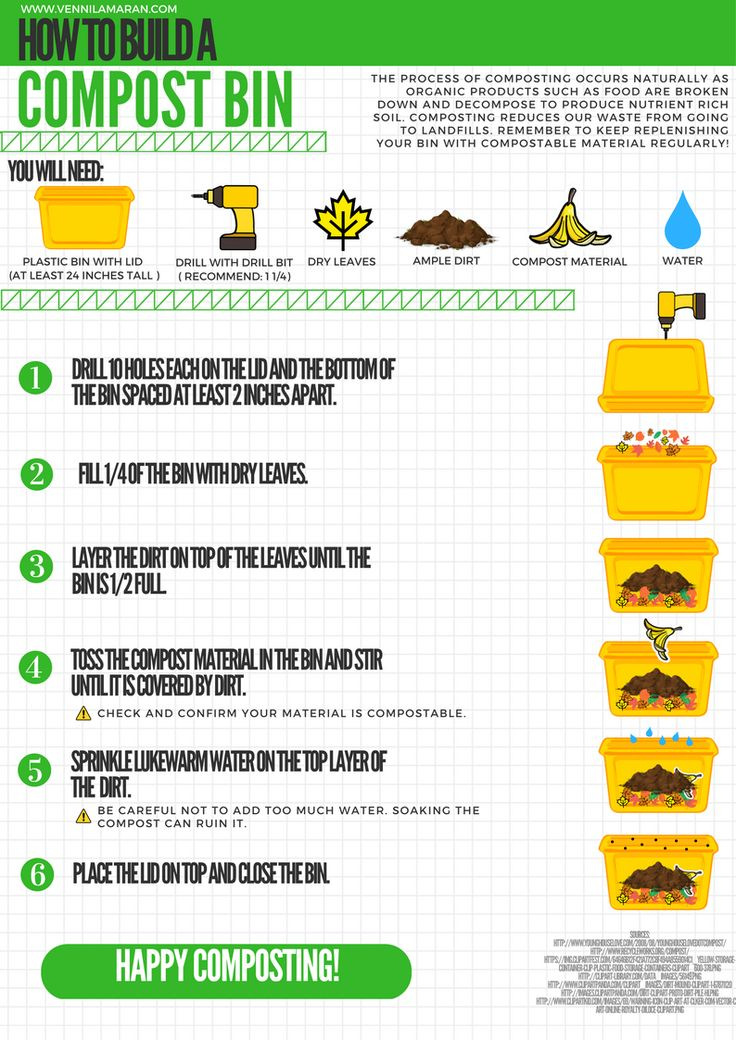
You don’t need to spend hundreds of dollars to start composting. Some of the best systems are built from stuff you already have. A classic five-gallon bucket with a lid is a vermicomposting bin waiting to happen. Drill some air holes, add some shredded paper, and you are in business. For those with a tiny balcony, a tumbler made from a repurposed barrel can work if you have the muscle to turn it. But let’s look at something simpler: the trench method for container gardens.
If you have large pots, you can dig a small hole in the center, bury your raw veggie scraps, and cover them with soil. Over time, they decompose right there, feeding the plant directly. It’s slow, but it’s invisible. No bins, no maintenance. Just bury and forget. This works best with non-acidic scraps and requires patience, but it’s free. Another popular DIY trend in 2026 is the "cone composter." You take a wire mesh, form it into a cone, place it in a large planter, and fill it with scraps. The worms and microbes enter from the bottom, and the nutrients leach right into the surrounding soil.
These low-tech solutions remind us that composting is a natural process, not a product. It’s about biology, not plastic. By building your own bins, you understand the mechanics better. You learn what moisture levels look like. You learn how much air is enough. It creates a connection to the process that buying a shiny machine sometimes misses. Plus, fixing a broken DIY bin is easier than waiting for customer support. It’s empowering.
Making the compost is only half the battle. Using it correctly is where the magic happens. In small space gardening, every inch of soil counts. You can’t afford to have nutrient-poor dirt. Finished compost acts as a slow-release fertilizer and a soil conditioner. It helps sandy soils hold water and clay soils drain better. For container gardens, which dry out fast, this is critical. Mix about 10-20% compost into your potting mix when you repot.
Don’t overdo it. Pure compost is too strong for most plants. It’s like giving someone a double espresso when they asked for tea. Dilute it. Top-dress your existing plants by scraping away the top inch of soil and replacing it with a thin layer of compost. Water it in. The nutrients will trickle down with each watering. This is great for heavy feeders like tomatoes and peppers. For leafy greens and herbs, a lighter touch is better.
Also, consider the timing. In 2026, many urban gardeners are syncing their composting cycles with their planting seasons. Start a new worm bin in late winter so it’s ready for spring planting. Use bokashi in the fall to prep soil for next year. It’s about rhythm. When you see your plants thrive on food you saved from the trash, the circle closes. It’s satisfying. It makes the extra effort of sorting scraps feel worth it. Your garden becomes a testament to your care, not just your purchasing power.
So, where does this leave us? Composting in small spaces is no longer a compromise. It’s a choice. A powerful, impactful choice that fits into modern urban life. Whether you choose the high-tech route with an electric grinder, the biological route with worms, or the traditional route with a stackable bin, you are participating in something bigger. You are closing the loop.
It might seem small. One bin. One bucket. A handful of worms. But multiply that by millions of city dwellers, and the impact is staggering. We are redefining what it means to live in a city. It’s not just about consuming; it’s about regenerating. Even in the tiniest apartment, you can create life from waste. You can grow food. You can breathe easier knowing you aren’t contributing to the methane problem in landfills.
Start small. Don’t worry about being perfect. Maybe you just start with a jar for coffee grounds. Maybe you buy a small worm bin. See how it goes. Adjust. Learn. The goal isn’t perfection; it’s participation. Your plants will thank you. The planet will thank you. And honestly, you might just find a strange sense of peace in watching an apple core turn into dirt. It’s life, after all. Just in a different form.